





Hollywood's Artistic Battlefield Unveiled Through Film Critics' Lens
- Revealing the Competitive Landscape of Cinematic Excellence in Annual Awards Showcase

















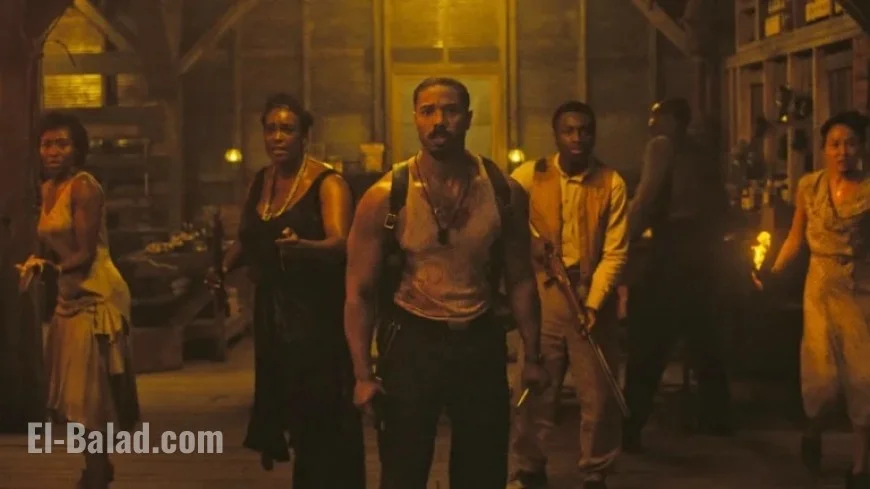

Overview
The Los Angeles Film Critics Association (LAFCA) awards represent more than just an annual recognition ceremony—they are a strategic battlefield where artistic merit and industry innovation collide. At the 51st annual event, the film 'One Battle After Another' emerged as a pivotal narrative, symbolizing the ongoing creative struggles within contemporary cinema.
Critical Recognition as Industry Momentum The selection of Paul Thomas Anderson for Best Director and the film's Best Picture win signals a deeper trend in Hollywood's evolving storytelling landscape. This isn't merely about individual achievements, but about how narrative complexity and directorial vision are reshaping cinematic expectations. Anderson's recognition suggests a growing appetite for films that challenge conventional storytelling structures and provide nuanced perspectives on human experiences.
Generational Artistic Transition The Career Achievement Award presented to Philip Kaufman juxtaposed against the emerging talents highlights a critical moment of generational transition in filmmaking. This awards ceremony becomes a microcosm of Hollywood's ongoing dialogue between established masters and innovative newcomers. The LAFCA awards serve as a critical platform for acknowledging both retrospective excellence and forward-looking artistic potential.
Strategic Implications for Filmmakers For emerging directors and production teams, this awards ceremony offers more than just recognition—it provides a strategic roadmap for artistic success. The winning film and director demonstrate that compelling storytelling, innovative narrative approaches, and deep emotional resonance continue to be the primary currencies of cinematic excellence. Filmmakers should recognize that critical acclaim often precedes broader industry and audience recognition.
The LAFCA awards ultimately reveal cinema as an ongoing conversation—a dynamic battlefield where artistic vision, technical mastery, and storytelling innovation continuously reshape our cultural landscape.
Questions 3
What makes the LAFCA awards significant in the film industry?
The LAFCA awards are crucial because they represent an early, critically respected recognition of cinematic excellence. Unlike popularity-based awards, these recognitions often highlight innovative storytelling, directorial vision, and artistic merit before mainstream acknowledgment.
Why was 'One Battle After Another' selected as Best Picture?
While specific details aren't provided, the film likely demonstrated exceptional narrative complexity, directorial skill, and thematic depth that resonated with the critics. Its selection suggests it offered a unique perspective or storytelling approach that stood out among competing films.