



Streaming Wars Escalate: Netflix's Massive Warner Bros. Acquisition Reshapes Media Landscape
- Mega-merger signals unprecedented consolidation in entertainment platforms



























Overview
The entertainment industry stands at a pivotal transformation point with Netflix's groundbreaking $82.7 billion acquisition of Warner Bros. Discovery, a move that dramatically reconfigures the global streaming ecosystem. This strategic maneuver represents more than a simple corporate merger—it's a seismic shift in how media content will be produced, distributed, and consumed in the coming decade.
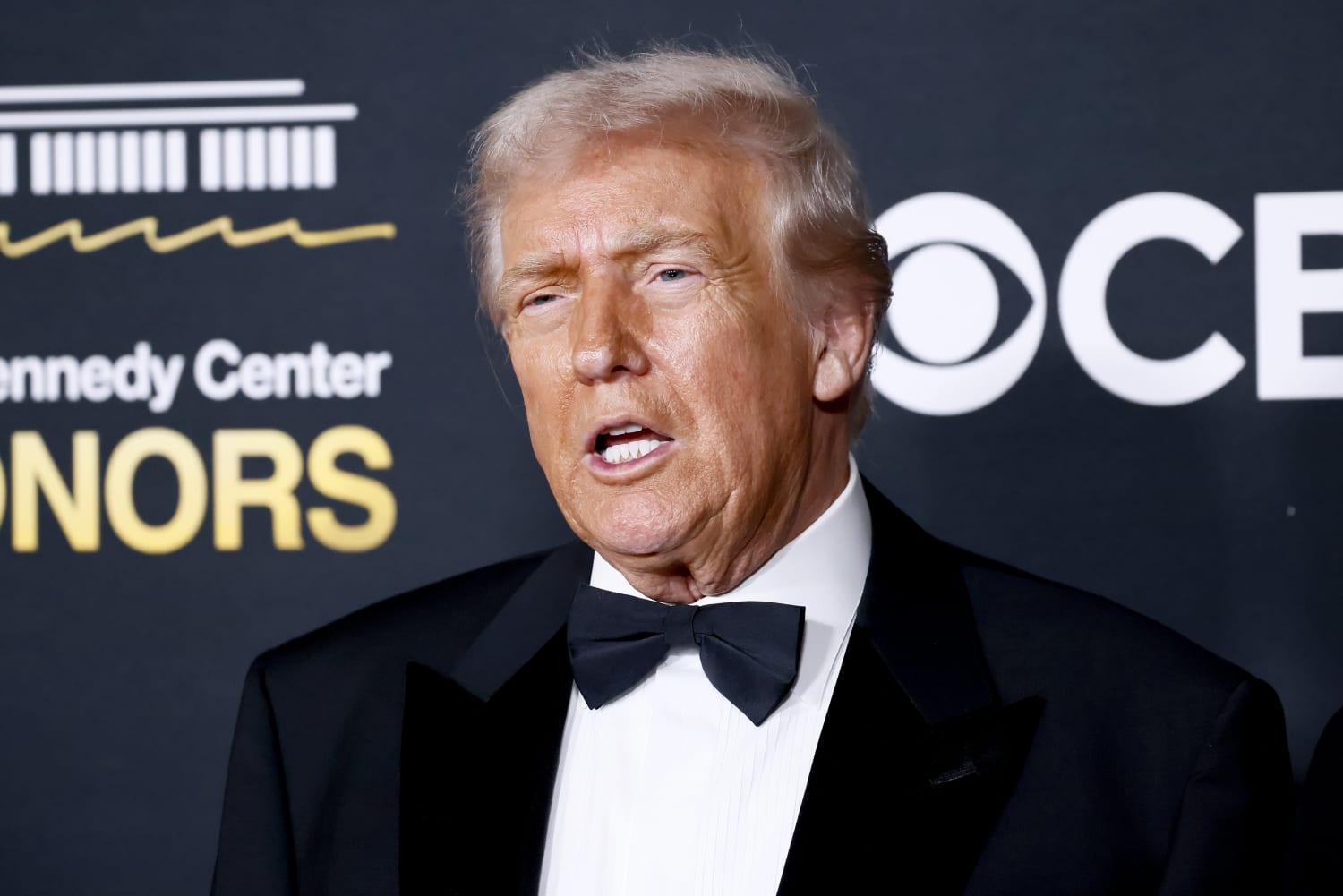
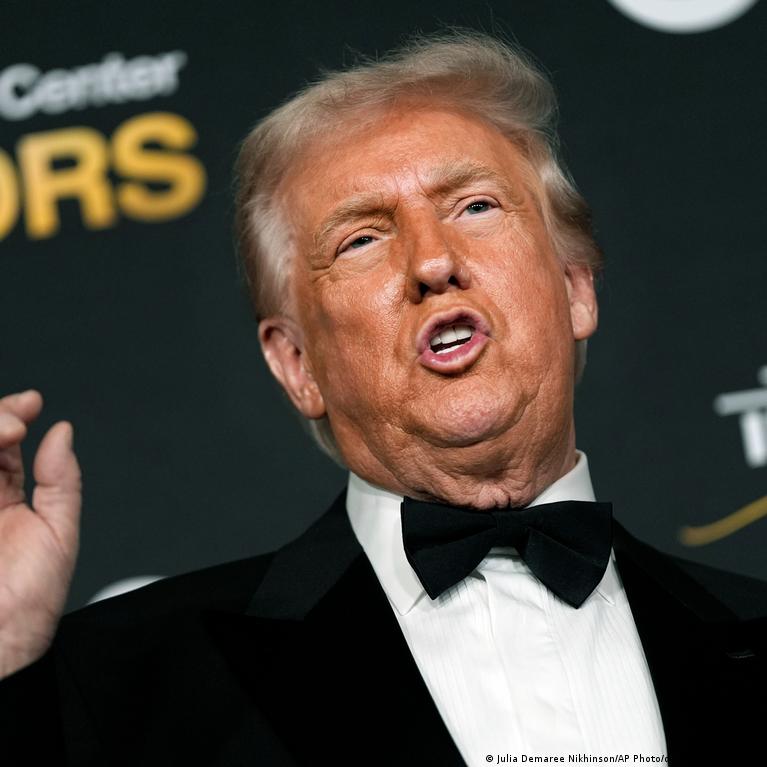
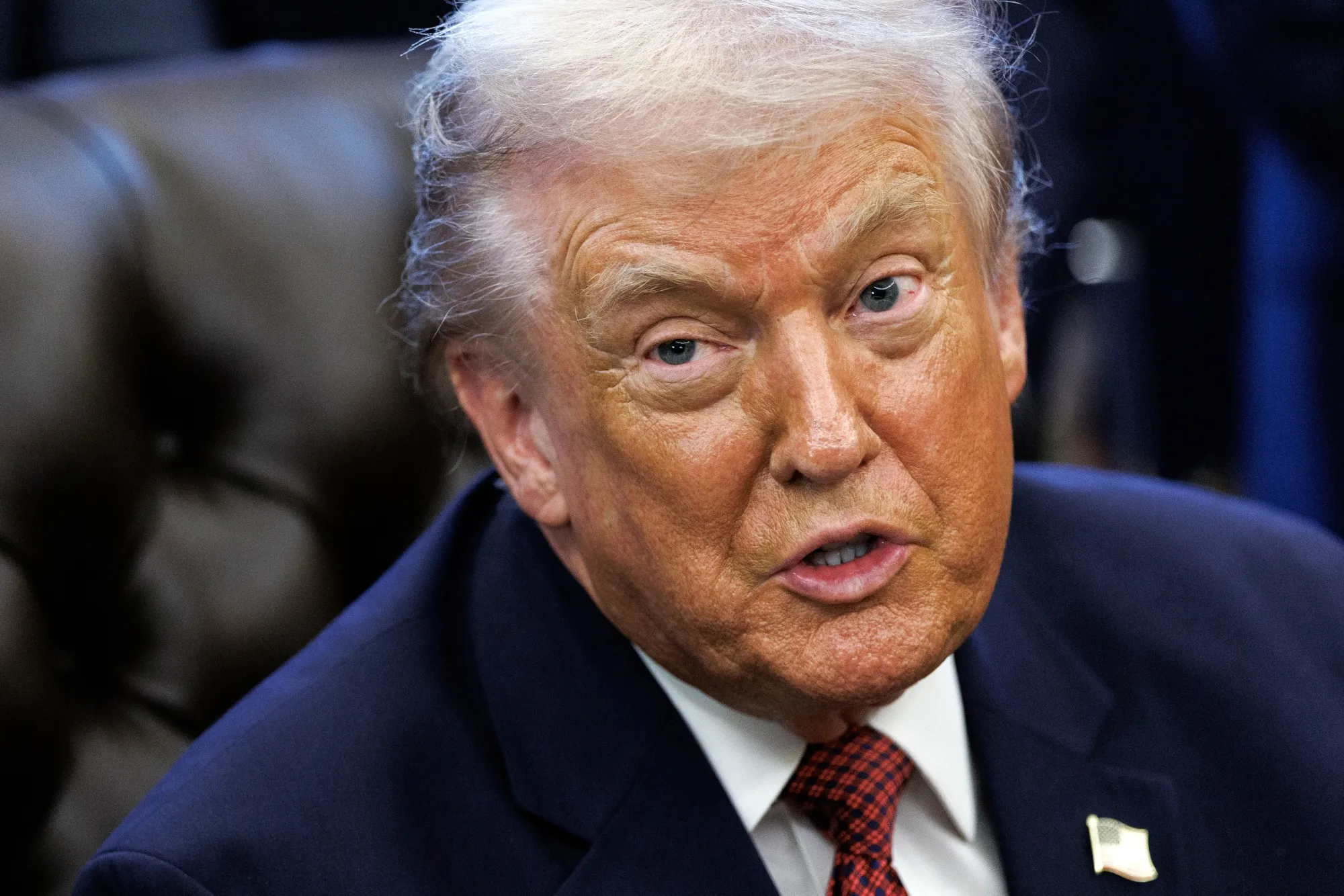
Strategic Consolidation Dynamics emerge clearly from the deal's context. Netflix isn't just acquiring a media company; it's strategically positioning itself to dominate the increasingly competitive streaming landscape. The $72 billion total equity value signals a massive bet on content integration and market share expansion. Notably, former President Trump's commentary about the merger's "very big market share" highlights the potential regulatory scrutiny this deal will face.
The acquisition's timing is particularly intriguing, coinciding with broader industry trends of content consolidation and platform convergence. Netflix's aggressive move comes after multiple bidding rounds and potential legal challenges from competitors like Paramount, suggesting a high-stakes strategic chess game in the media world. The company's commitment letter from Wells Fargo for up to $59 billion in bridge term loans underscores the financial firepower behind this transformative strategy.
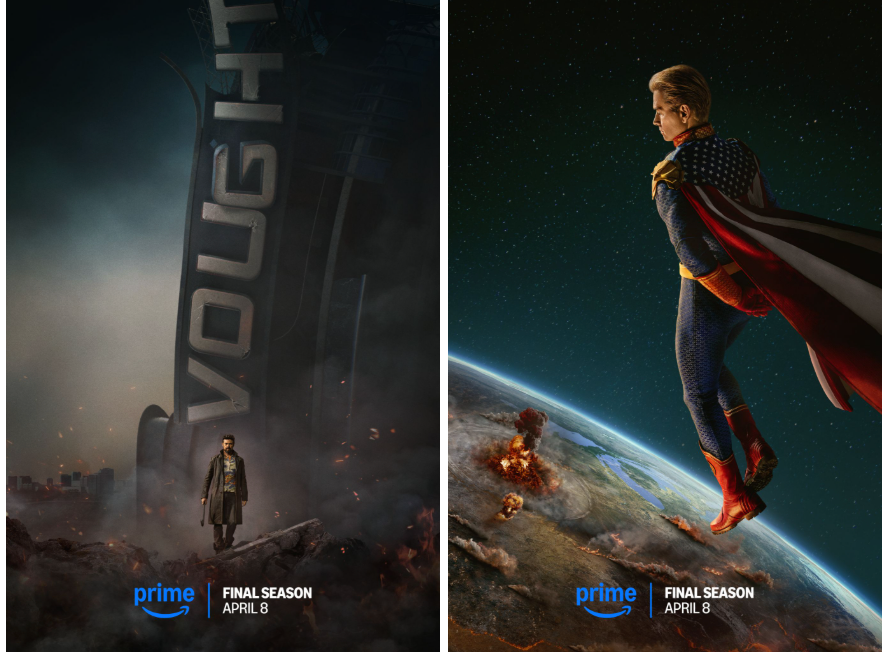
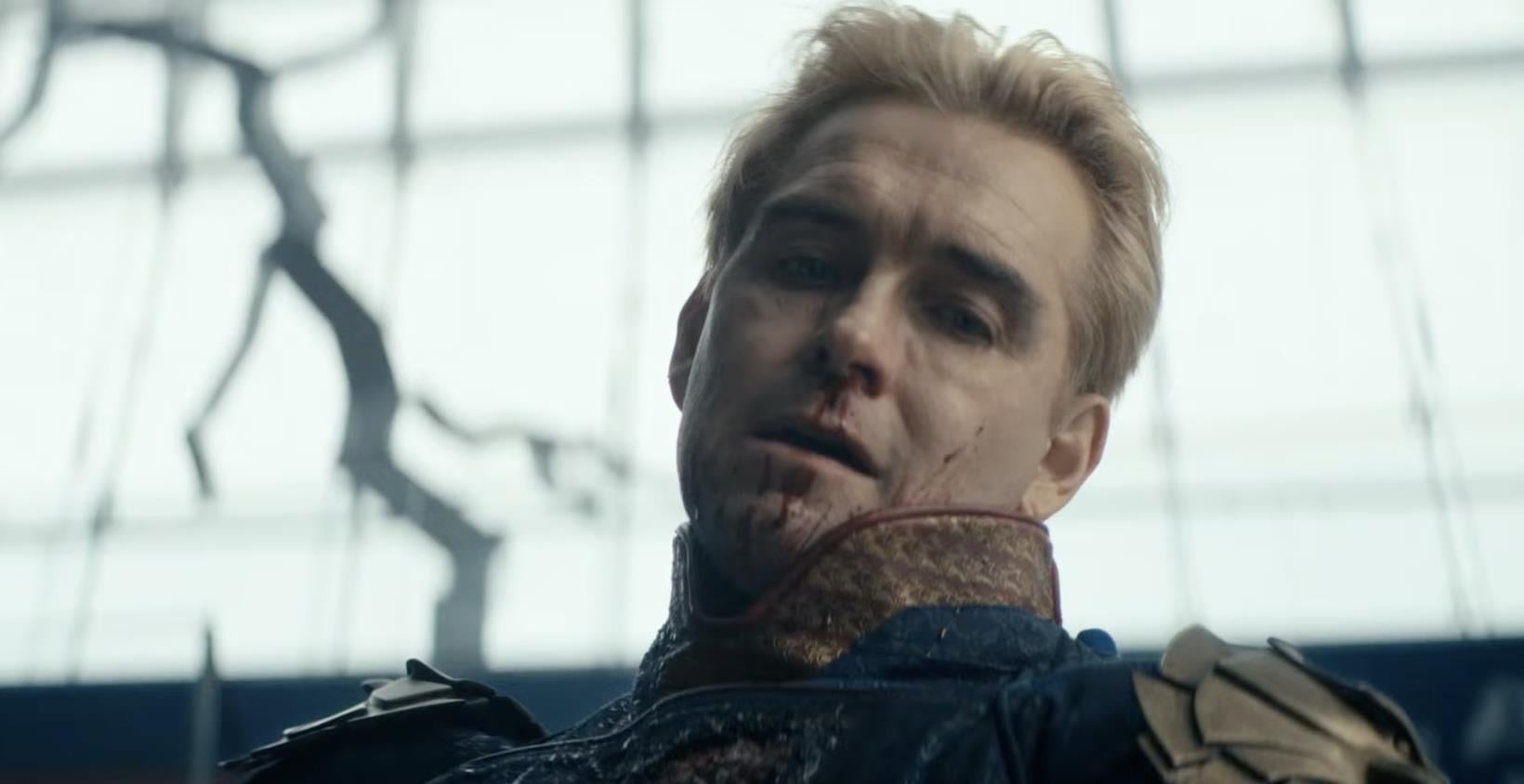
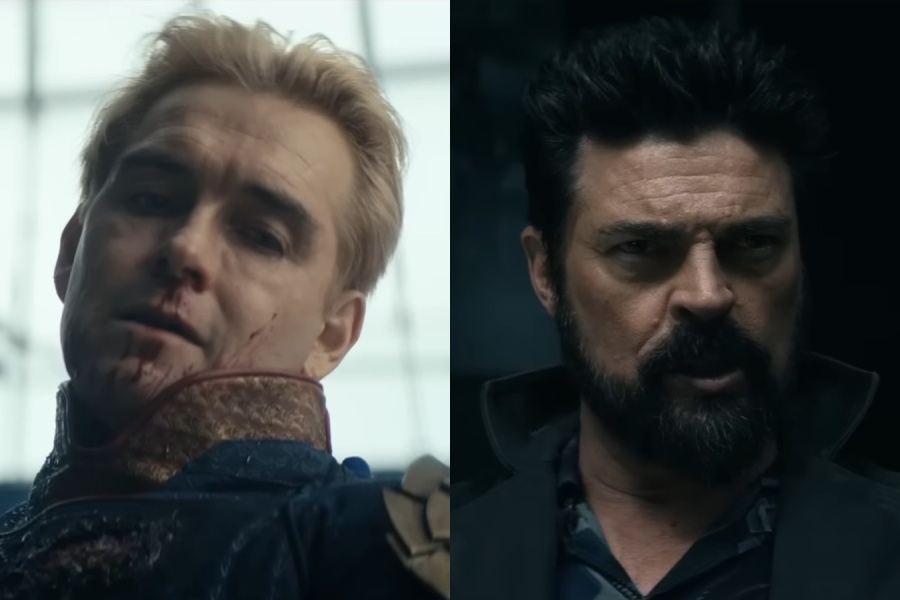
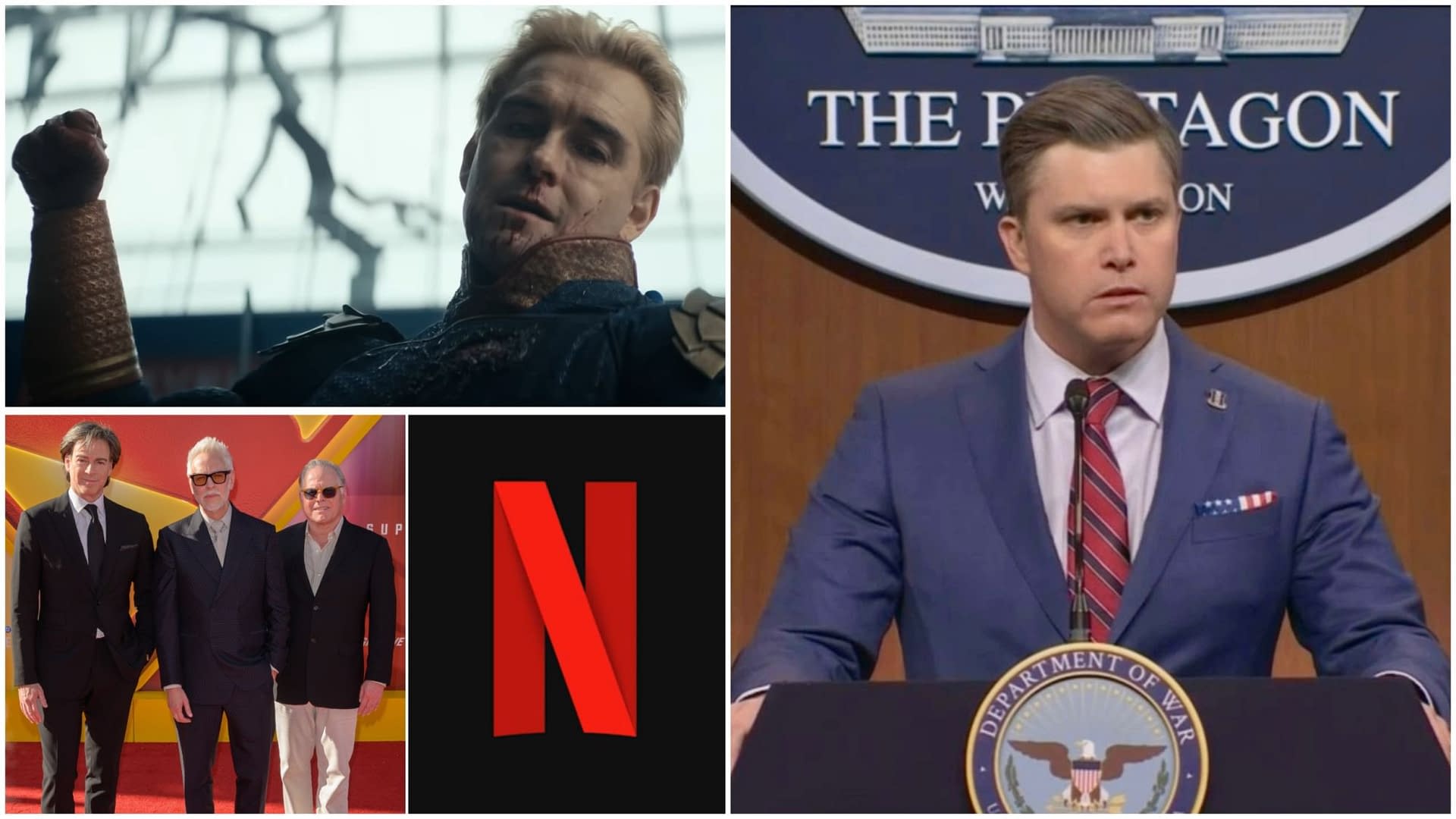
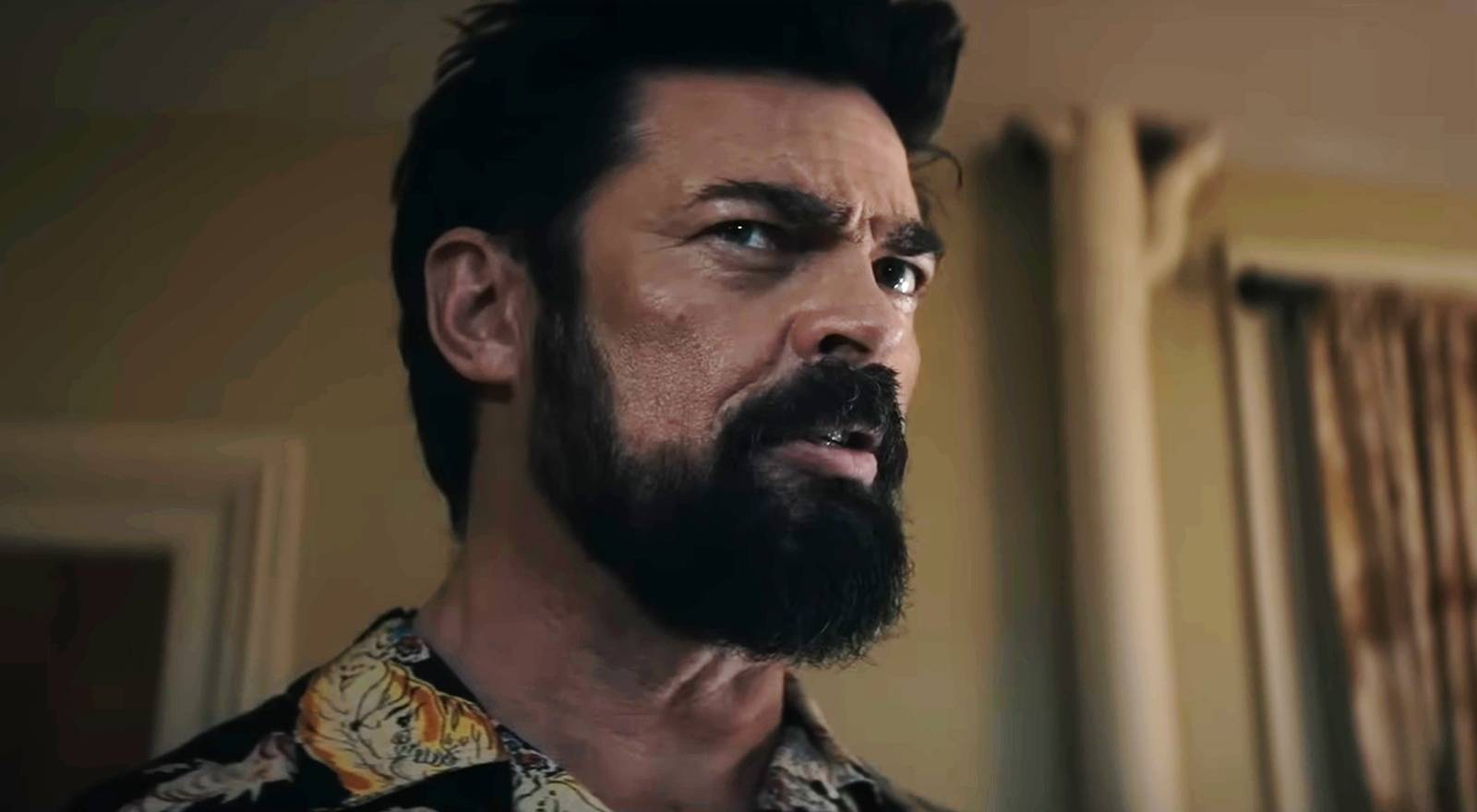
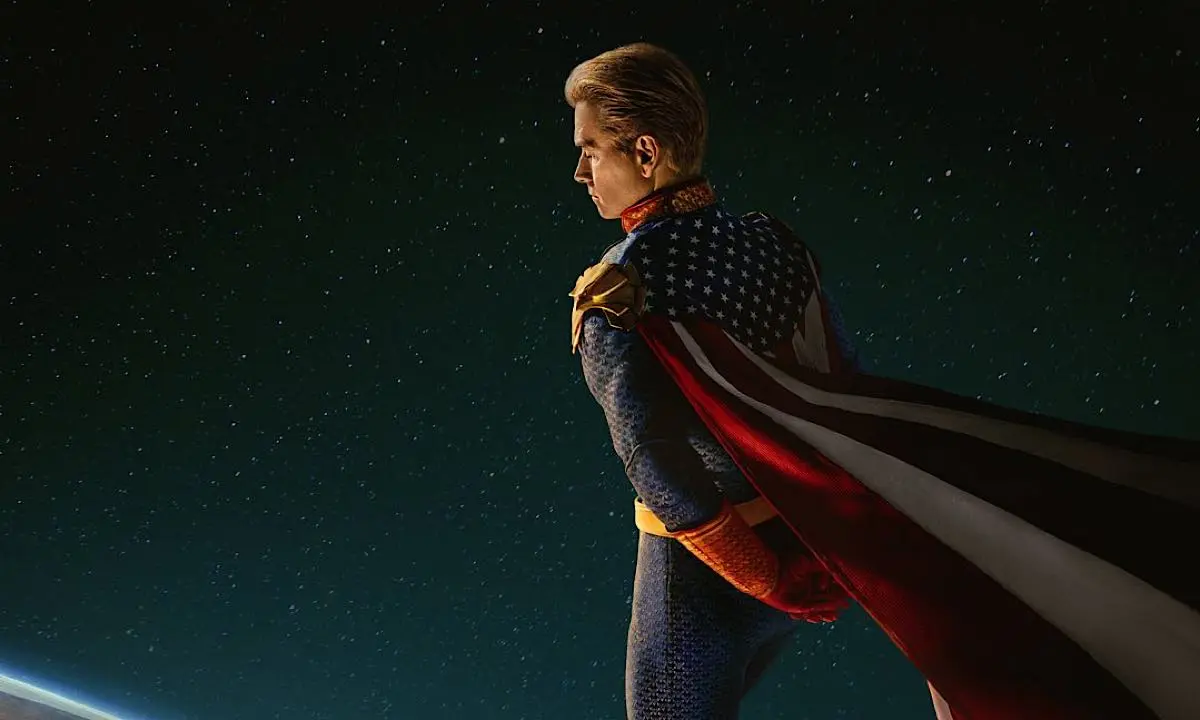
Interestingly, the merger occurs against a backdrop of evolving media narratives, symbolized by the final season of "The Boys" TV series—a show known for its meta-commentary on power structures and political dynamics. Just as the series mirrors real-world political complexities, this merger reflects the increasingly intertwined relationships between media platforms, content creators, and broader economic ecosystems.
The deal is expected to close in 12-18 months, pending regulatory approval—a timeline that suggests careful navigation of potential antitrust concerns. Netflix's argument that it remains "just one player in a massive global video market" reveals a strategic positioning to mitigate potential regulatory pushback.
For industry observers and content creators, this merger represents a watershed moment: a clear signal that scale, integration, and comprehensive content portfolios will define the next generation of media consumption.
Questions 3
What regulatory challenges might this merger face?
The merger will likely face intense antitrust scrutiny. Former President Trump has already raised concerns about the combined market share, suggesting the Justice Department will conduct a thorough review to assess potential market concentration and competition impacts.
How might this merger impact content creators and consumers?
For content creators, the merger offers potentially larger production budgets and broader distribution channels. For consumers, it could mean more integrated streaming experiences, but also potential price increases and reduced competition in the streaming market.