


Terror at Bondi Beach: Australia's Unprecedented Security Transformation
- Lone-wolf terrorism triggers nationwide public safety recalibration




















Overview
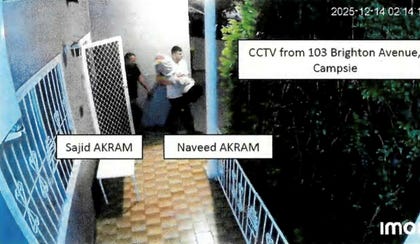
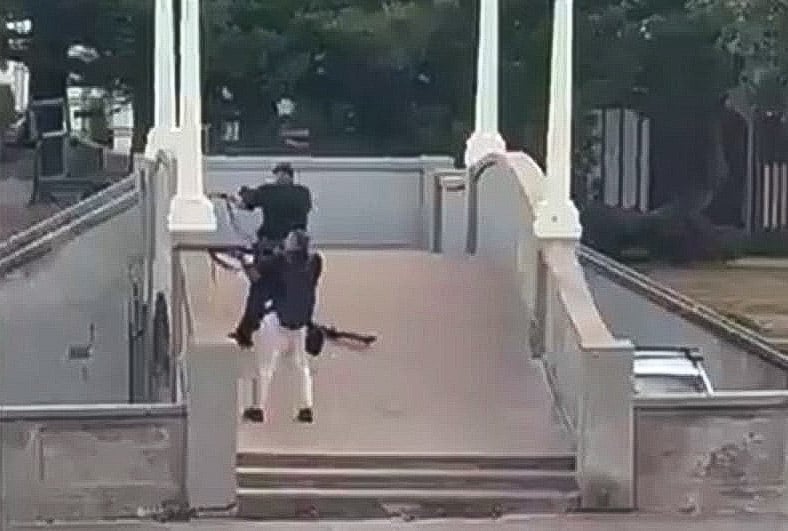
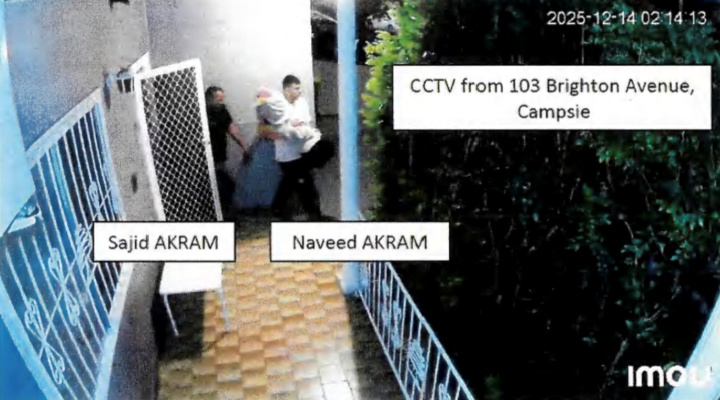
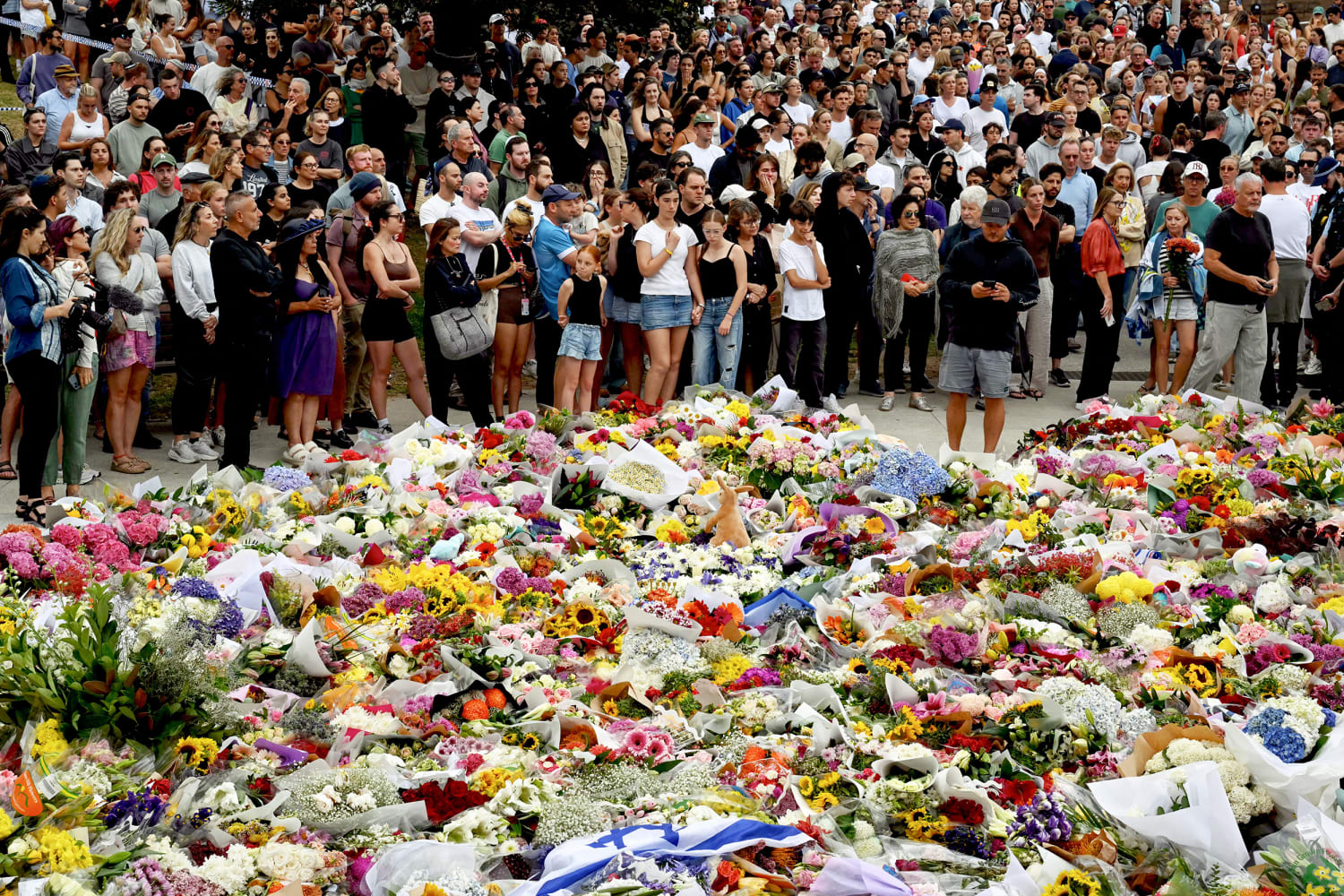
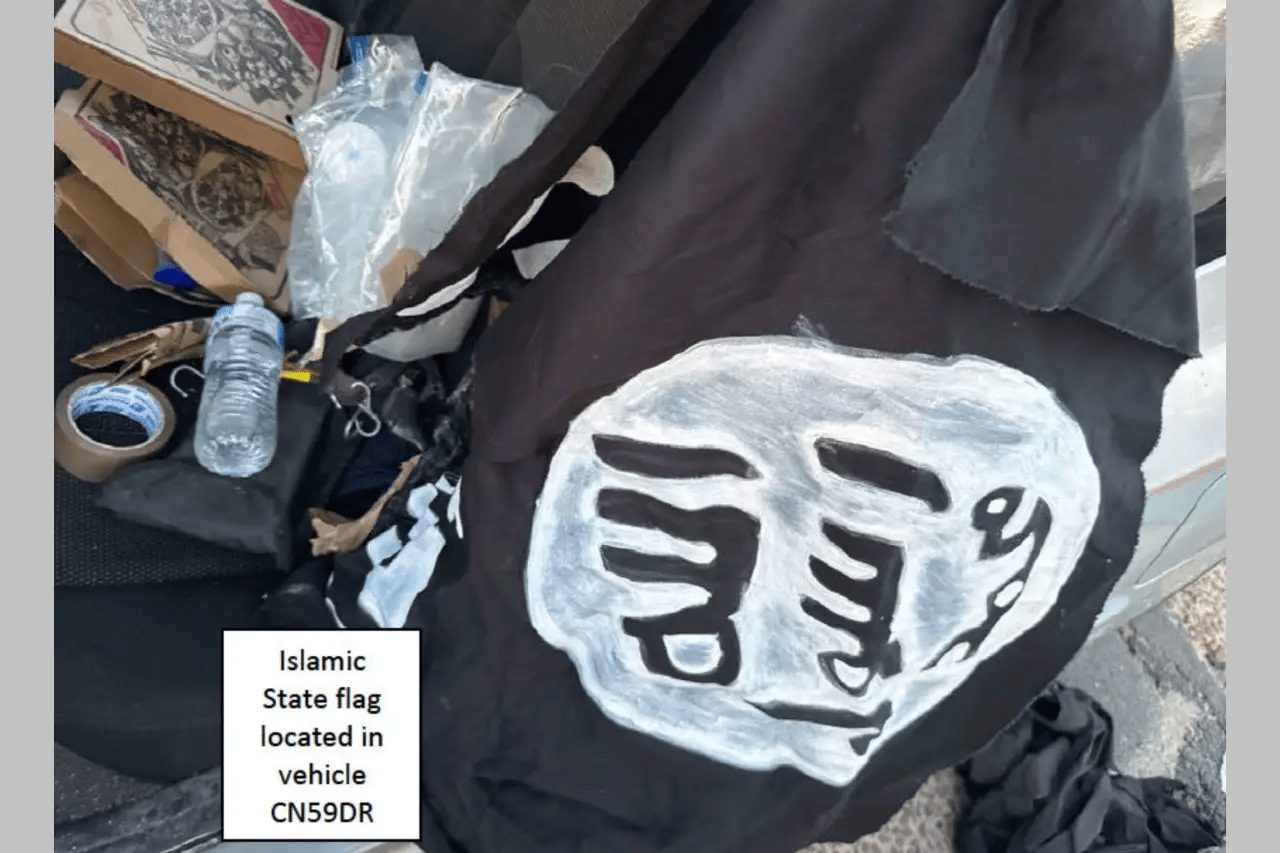
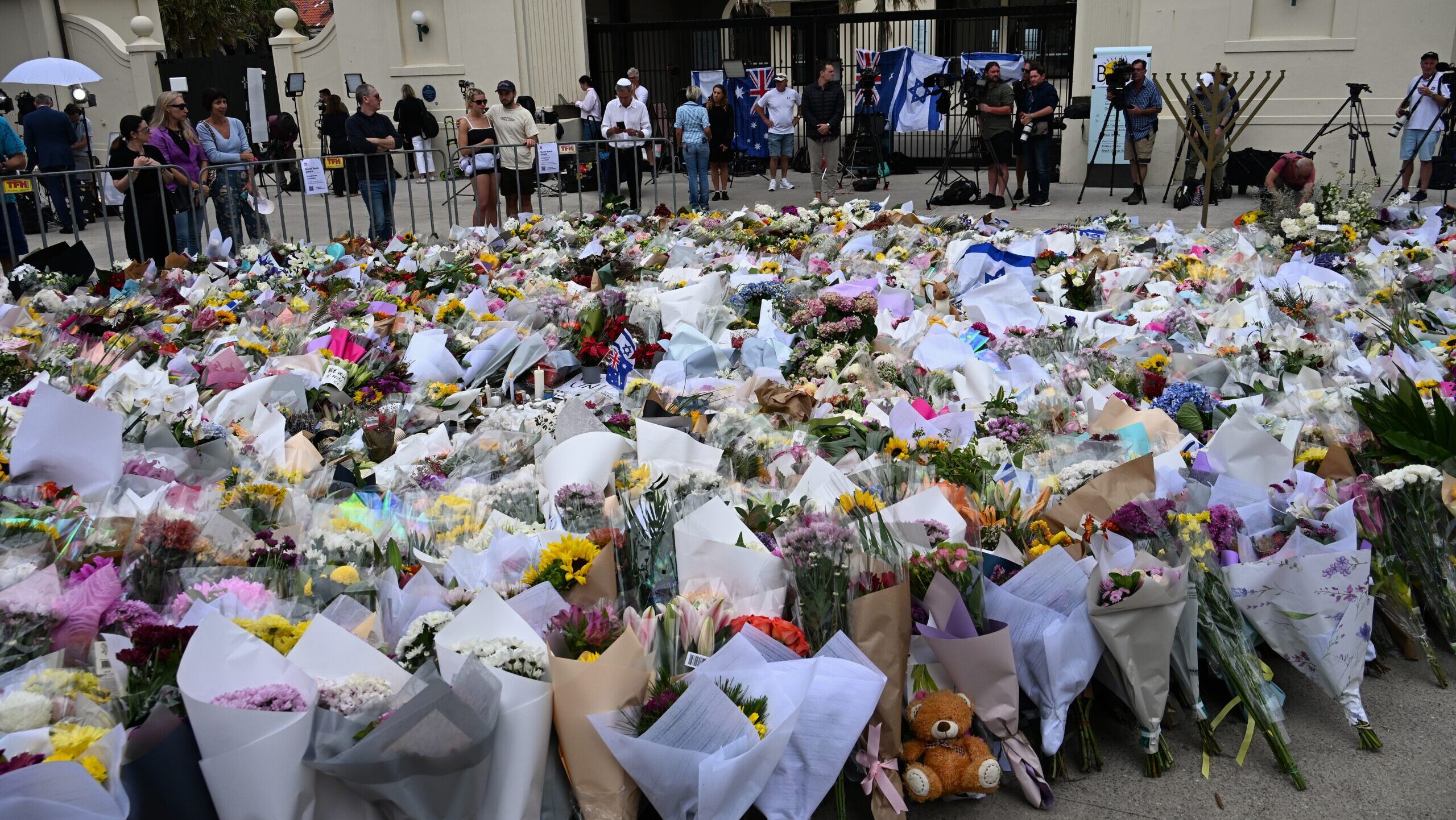
The Bondi Beach terrorist attack represents a watershed moment in Australian national security, exposing critical vulnerabilities in urban counterterrorism strategies while simultaneously catalyzing an unprecedented security infrastructure overhaul. On December 14, 2025, a father-son duo executed the most devastating terrorist incident in Australian history, killing 15 people at a Jewish festival and sending shockwaves through the nation's security establishment.
Strategic Security Implications: The attack's most profound revelation is the evolving nature of terrorist threats—characterized by small, self-radicalized cells operating with minimal external support. The Akram duo's meticulously planned assault, involving travel to the Philippines and careful preparation, demonstrates how traditional intelligence frameworks struggle to detect and prevent such localized extremist activities. Australian Federal Police Commissioner Krissy Barrett's confirmation that the attackers acted alone underscores a critical emerging challenge: lone-wolf and micro-cell terrorism that bypasses conventional detection mechanisms.
Operational Response Transformation: In direct response, New South Wales has initiated an unprecedented security recalibration. The deployment of 2,500 police officers for New Year's Eve celebrations, many carrying automatic rifles, signals a fundamental shift in public safety protocols. Premier Chris Minns' delicate balancing act—enhancing security while avoiding full police militarization—reveals the complex political and social considerations underlying this strategic pivot. The incident has effectively accelerated Australia's counterterrorism adaptation, forcing a comprehensive reevaluation of event security, particularly for culturally sensitive gatherings.
The Bondi Beach attack is more than a tragic event; it represents a critical inflection point in Australia's national security paradigm. By exposing systemic vulnerabilities and prompting immediate, substantive reforms, this incident may ultimately strengthen the nation's resilience against emerging terrorist methodologies.
Questions 3
What immediate security changes will Australia implement in response?
New South Wales is deploying 2,500 police officers for New Year's Eve, with many carrying automatic rifles—an unprecedented security posture. This includes enhanced protocols for cultural and religious events, increased surveillance, and a more proactive approach to identifying potential lone-wolf terrorist risks.
How does the Bondi Beach attack differ from previous terrorist incidents in Australia?
Unlike previous terrorist events, this attack was executed by a small, self-contained father-son cell with no evident broader network support. The incident represents a new threat model of hyper-localized radicalization, challenging traditional counterterrorism intelligence frameworks that typically focus on larger, more interconnected terrorist networks.