



Taiwan Tensions Escalate: China's Military Drills Signal Dangerous Regional Brinkmanship
- Geopolitical Pressure Mounts with Unprecedented Military Demonstrations Threatening Indo-Pacific Stability














Overview
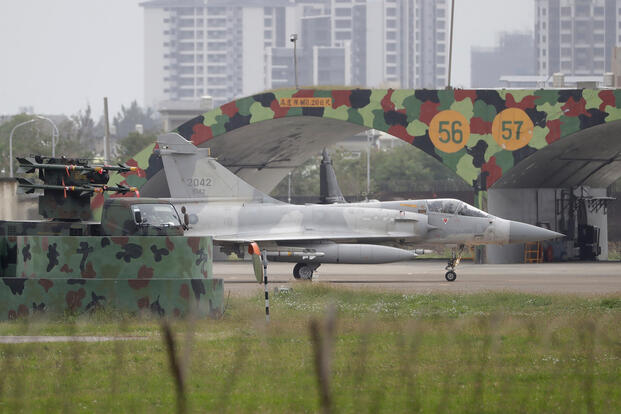
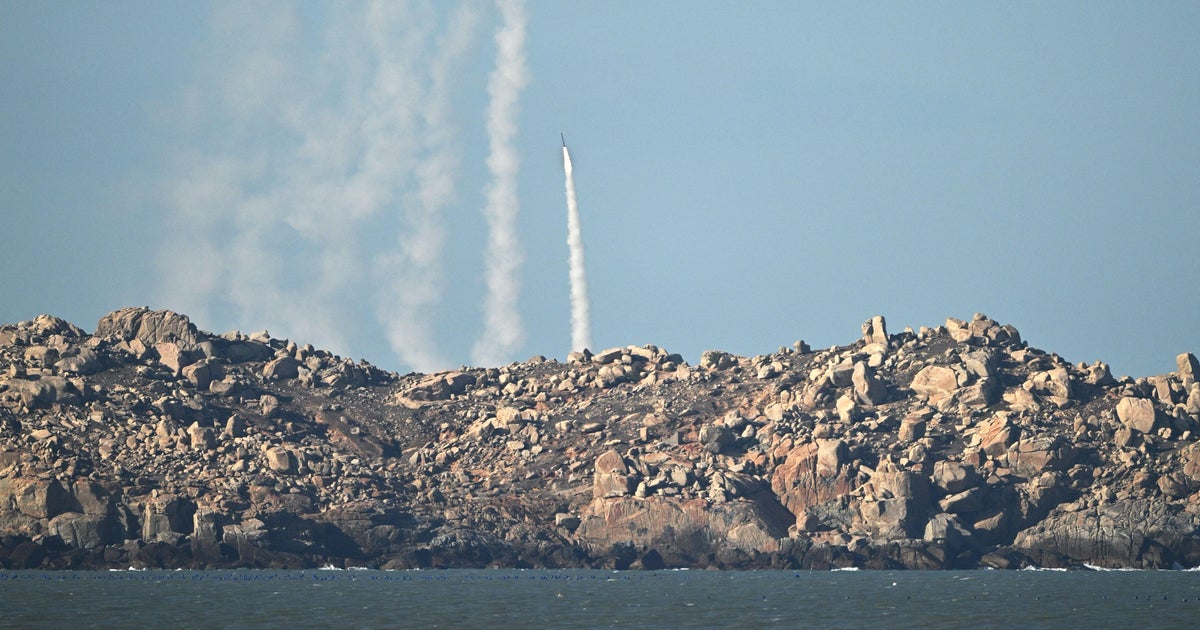
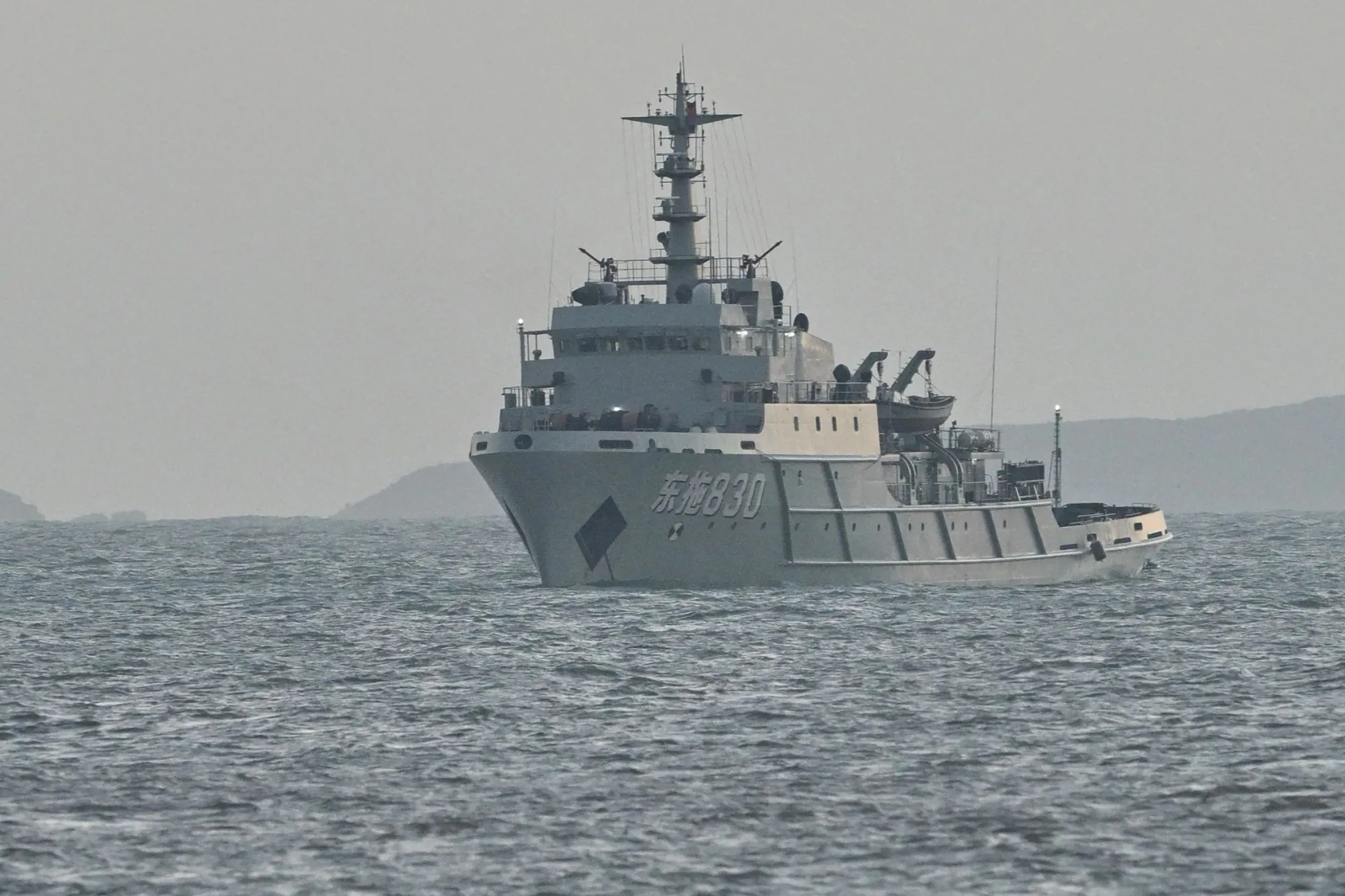
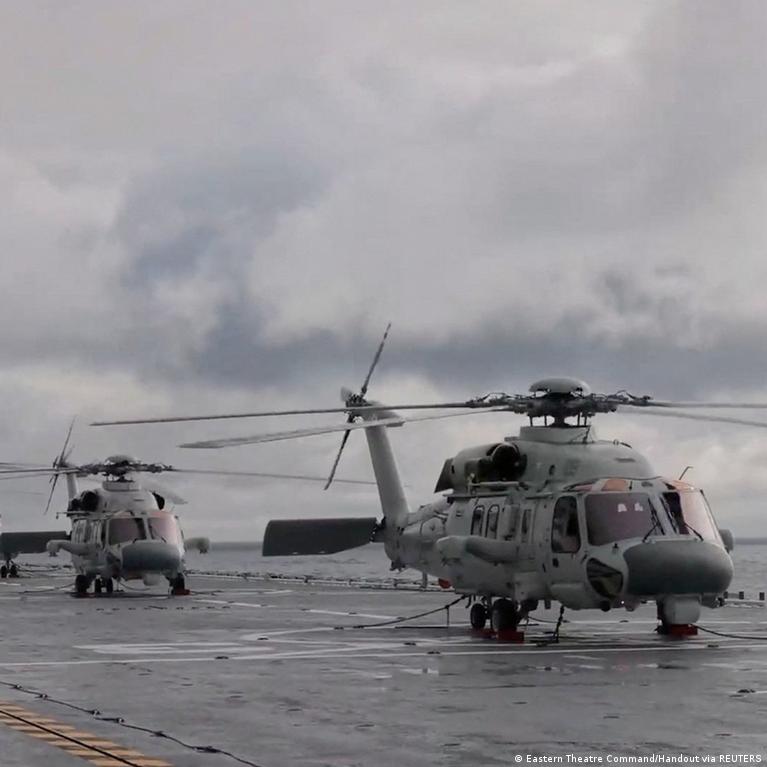
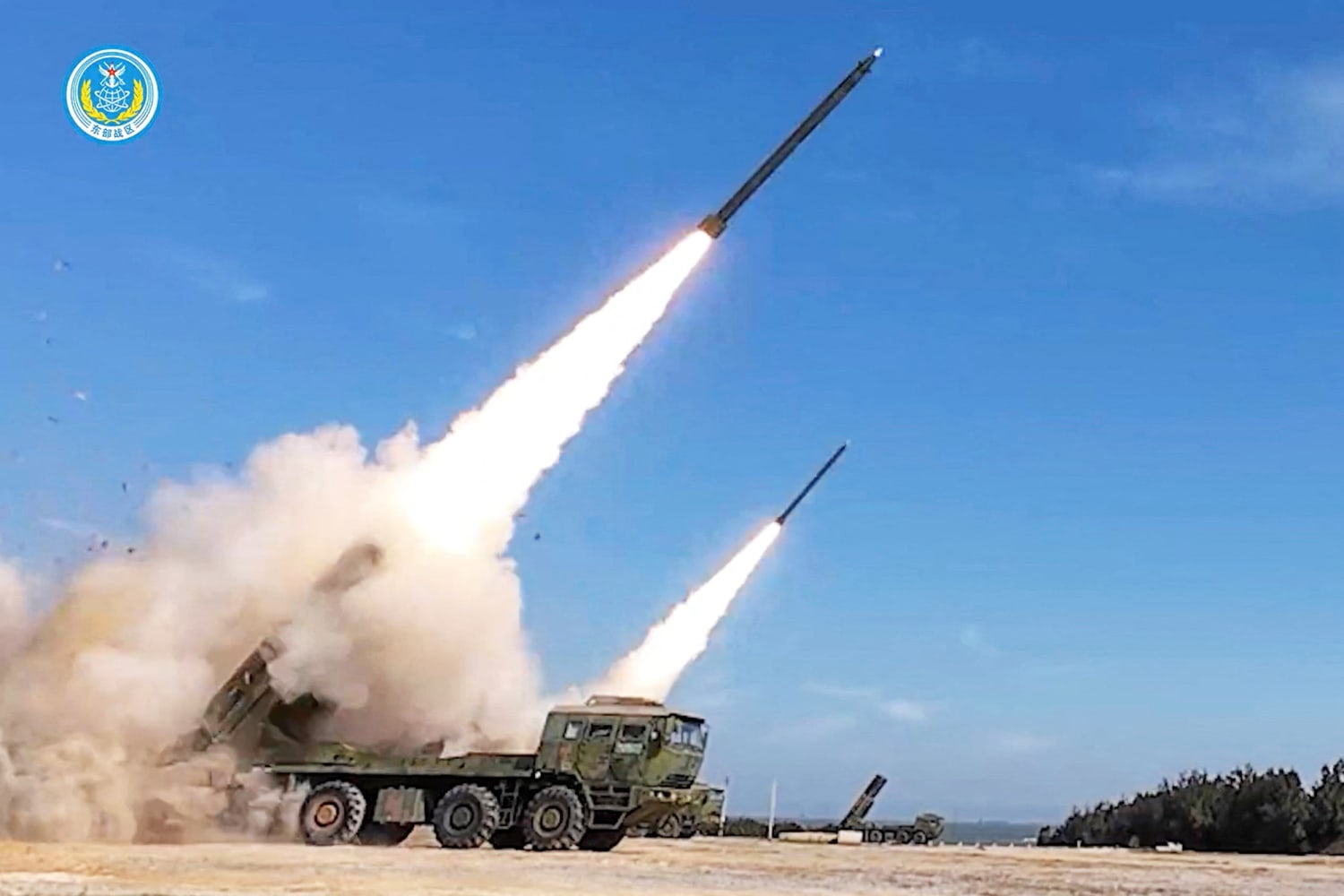
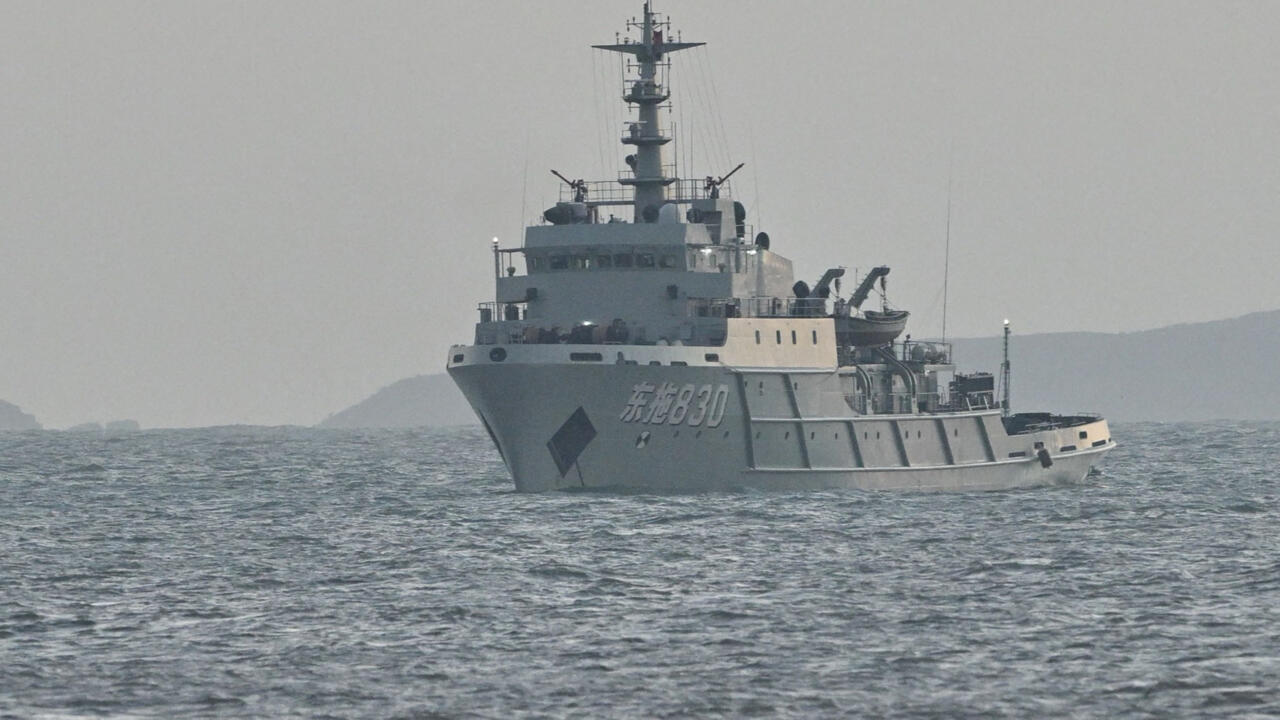
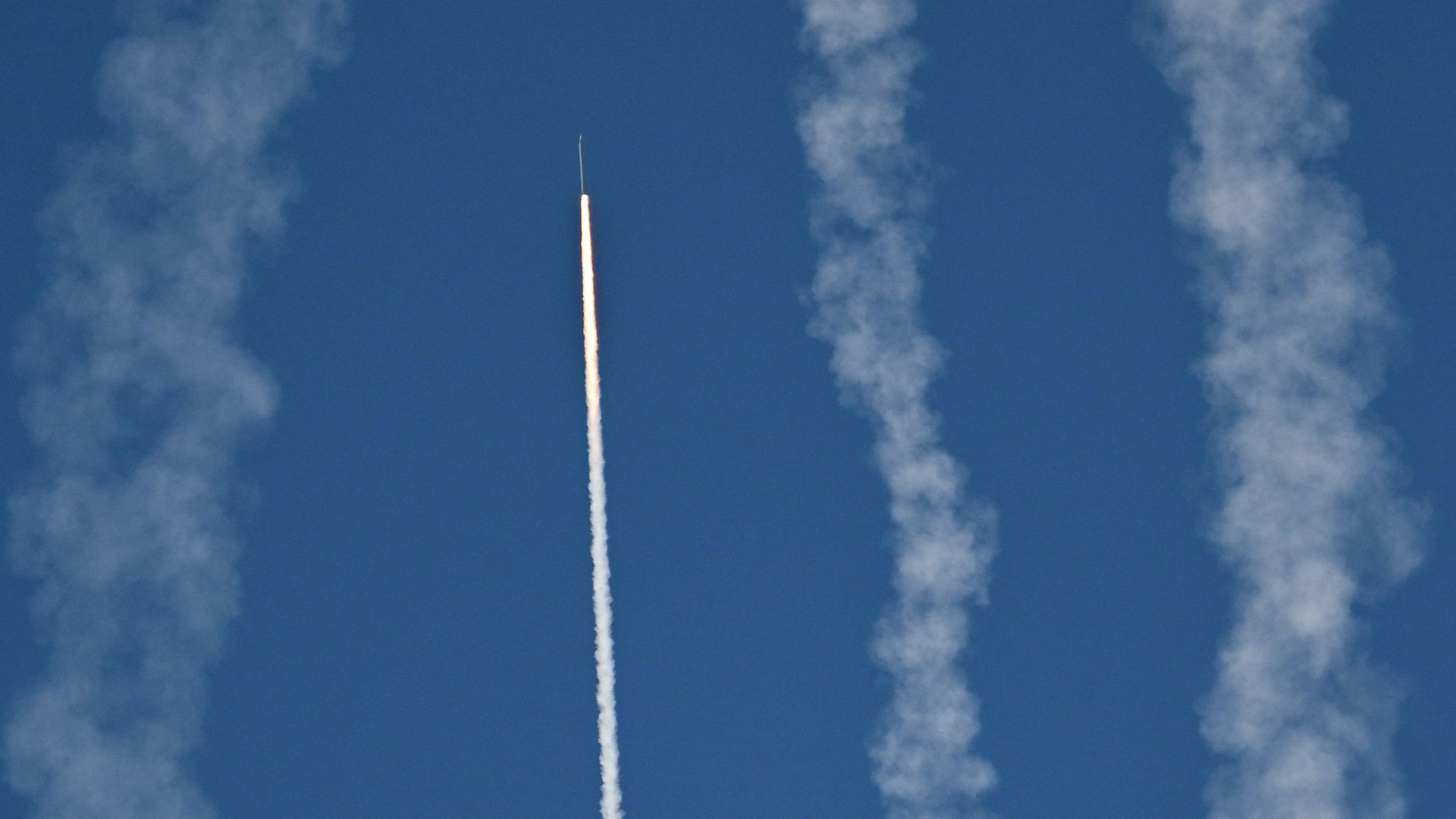
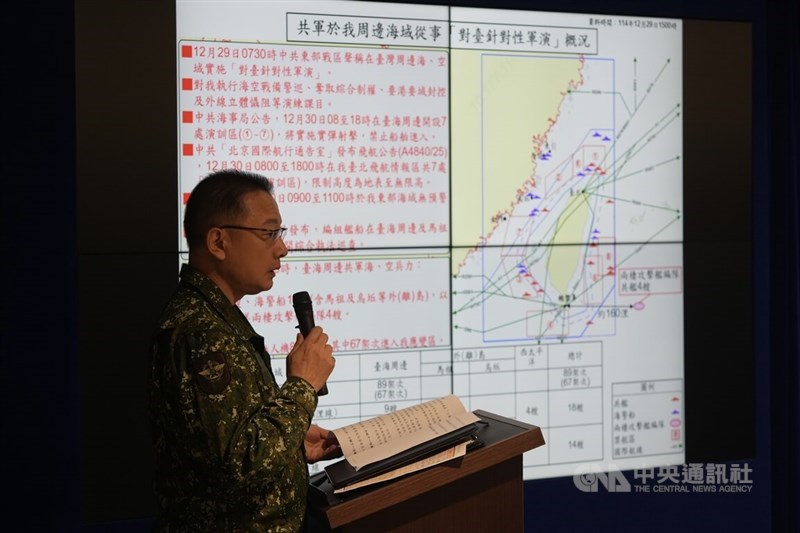
The Indo-Pacific region stands at a critical geopolitical inflection point as China's military escalation around Taiwan reveals a calculated strategy of strategic intimidation. On December 30, 2025, the People's Liberation Army (PLA) conducted large-scale live-fire military exercises that represent a significant escalation in regional tensions, deploying 130 aircraft, 14 military ships, and 8 official vessels in a deliberate show of force.
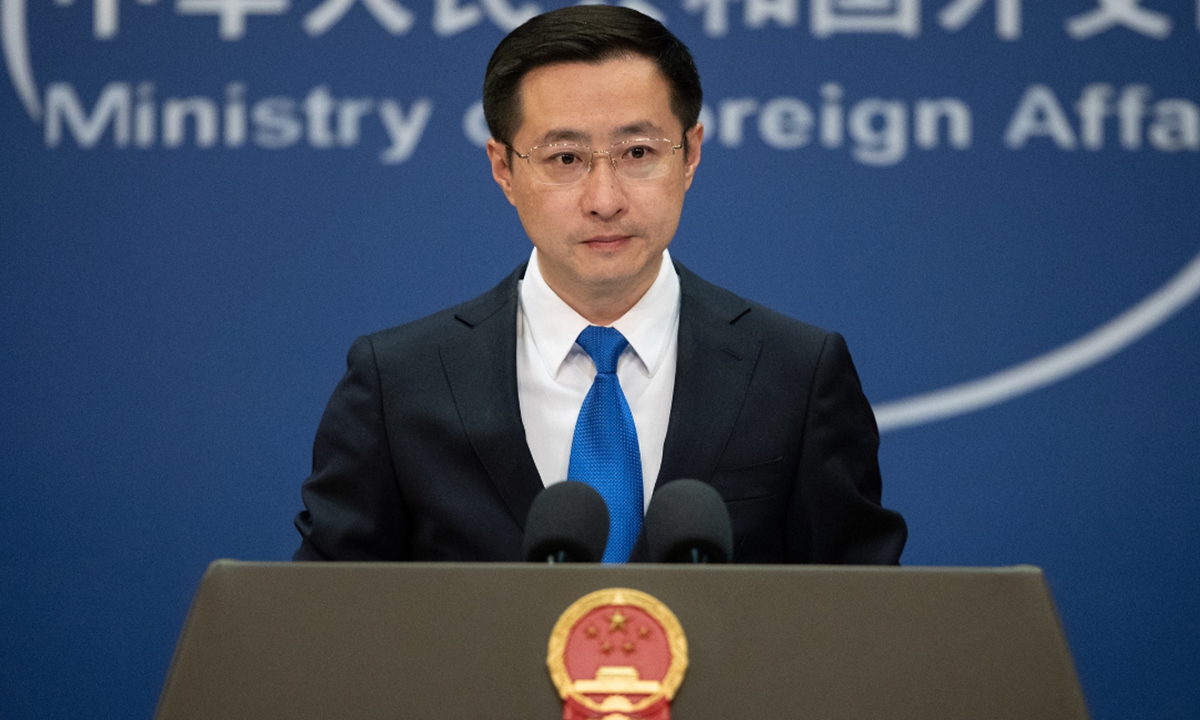
Strategic Provocation and Regional Implications: These military maneuvers are more than routine exercises. By conducting drills that disrupted over 100 domestic and international flights and triggered seven temporary dangerous zone notifications, China is sending a clear message of territorial assertiveness. The proximity of military rounds to Taiwan's island and the official rhetoric from Xinhua, which accused Taiwan's Democratic Progressive Party of pursuing "catastrophic secessionist" policies, indicates a deliberate strategy of military and diplomatic pressure.
Economic and Trade Disruption Risks: For cross-border businesses and international trade networks, these tensions represent a significant potential disruption. The supply chain vulnerability in the Indo-Pacific region has become starkly apparent. Companies with operations in Taiwan and surrounding areas must now develop robust contingency plans. The military demonstrations suggest that geopolitical risk is no longer a theoretical concern but an immediate operational challenge.
The United States' reaffirmation of support for Taiwan adds another layer of complexity to this volatile situation. What emerges is a high-stakes geopolitical chess match with profound implications for global trade, technological supply chains, and regional economic stability. The military exercises are not just a show of force, but a strategic signal of China's willingness to apply sustained pressure on Taiwan's sovereignty.
For international businesses, the message is clear: geopolitical risk management is now a critical strategic imperative. The Indo-Pacific region has transformed from a predictable trade corridor to a potential flashpoint of international tension, requiring unprecedented levels of scenario planning and adaptive strategy.
Questions 3
What makes these military exercises different from previous PLA drills around Taiwan?
Unlike previous exercises, these drills involved live-fire shots closer to Taiwan's island, disrupted over 100 flights, and triggered seven dangerous zone notifications. The scale (130 aircraft, 14 military ships) and official rhetoric suggest a more deliberate escalation of military pressure.
What are the potential long-term economic consequences of these military demonstrations?
These exercises could lead to increased trade barriers, higher insurance and logistics costs for businesses operating in the region, and potential investment hesitation. The geopolitical uncertainty may accelerate supply chain restructuring, with companies seeking more stable operational environments.