



Gulf Allies Fracture: Saudi Arabia's Ultimatum Shatters Yemen Strategic Alignment
- Escalating Yemen Conflict Exposes Dangerous Geopolitical Fault Lines in Middle Eastern Power Dynamics






























Overview
The Middle Eastern geopolitical landscape is experiencing a seismic shift as Saudi Arabia and the United Arab Emirates (UAE) dramatically unravel their once-unified strategic partnership in Yemen. On December 30, 2025, Saudi Arabia issued an unprecedented ultimatum that signals a fundamental breakdown in regional cooperation, with potentially far-reaching consequences for international trade and strategic stability.
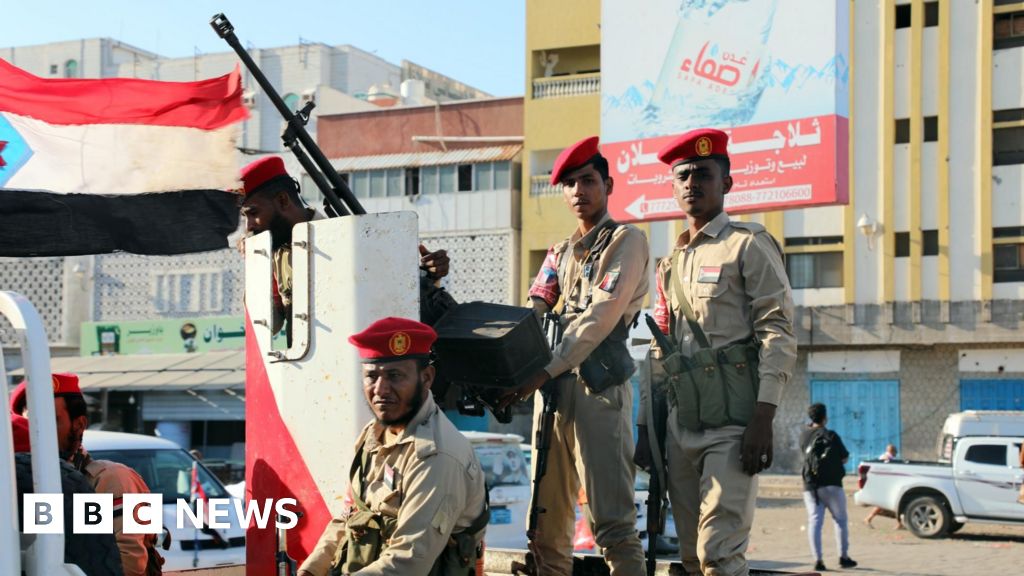
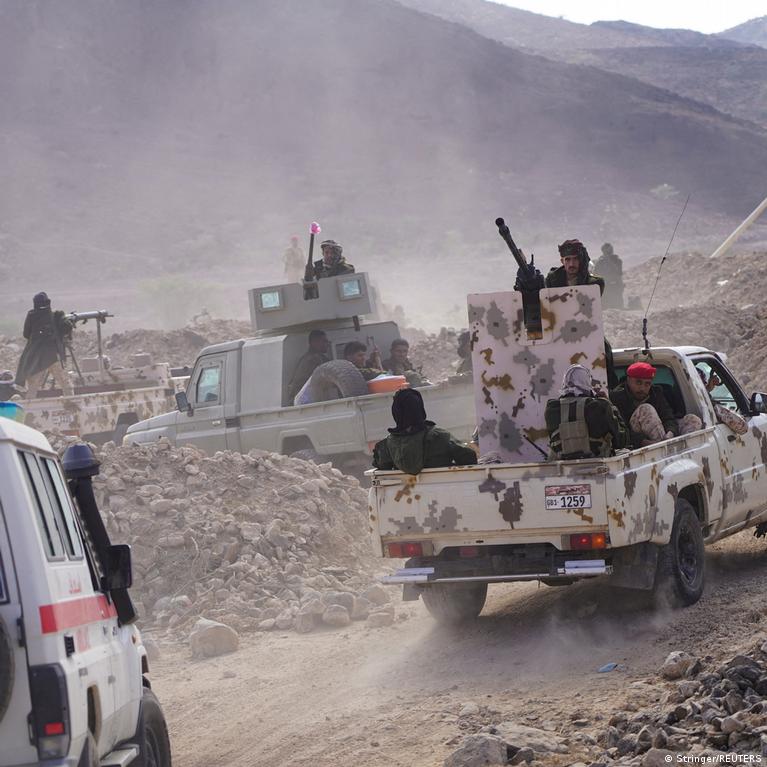
The conflict's core revolves around territorial control and strategic influence in Yemen's energy-rich regions. Saudi Arabia's targeted airstrikes against UAE-supported forces represent more than a tactical military action—they expose deep-seated rivalries that threaten to destabilize the entire Gulf coalition. The Southern Transitional Council (STC) has become a critical flashpoint, with separatist forces rapidly gaining territorial control and challenging existing power structures.
For international businesses and trade stakeholders, this escalation presents significant operational risks. The disruption of logistics routes, potential trade restrictions, and increased shipping insurance costs are immediate concerns. Cross-border e-commerce sellers operating in the Yemen-Gulf corridor must urgently reassess their risk management strategies. The conflict transforms Yemen from a mere geopolitical battleground into a complex economic risk zone.
The strategic implications extend beyond immediate military tensions. This breakdown reveals the fragility of regional alliances and the volatile nature of Middle Eastern geopolitics. What was once a unified coalition against Iranian-backed Houthi militants has devolved into a multi-sided conflict with unpredictable dynamics. The United States' diplomatic efforts, including Secretary of State Marco Rubio's calls for restraint, underscore the international community's growing concern about potential regional destabilization.
Critically, this conflict signals a broader reconfiguration of power dynamics. The rapid territorial gains by separatist forces and the public rupture between Saudi Arabia and the UAE suggest that traditional alliance structures in the Middle East are becoming increasingly fluid and transactional. For strategic planners and international businesses, this demands a fundamental reevaluation of risk assessment models and regional engagement strategies.
Questions 3
What strategic considerations should international trade stakeholders keep in mind?
Stakeholders must monitor the evolving situation closely, diversify supply chain routes, maintain flexible logistics strategies, and develop robust risk management protocols. The conflict suggests that historical stability in the Gulf region can no longer be taken for granted, requiring more dynamic and adaptive international trade approaches.
How does this conflict impact the broader Middle Eastern geopolitical landscape?
The Saudi-UAE rift represents a fundamental breakdown of traditional regional alliances. It signals a shift from unified coalitions to more fragmented, transactional relationships. This could lead to increased volatility, reshape strategic alignments, and potentially create opportunities for external powers like Iran to exploit emerging divisions.