



Diplomatic Fault Lines Emerge as Trump Challenges Netanyahu's West Bank Strategy
- Escalating regional tensions signal critical inflection point in US-Israel relations and Palestinian economic stability






Overview
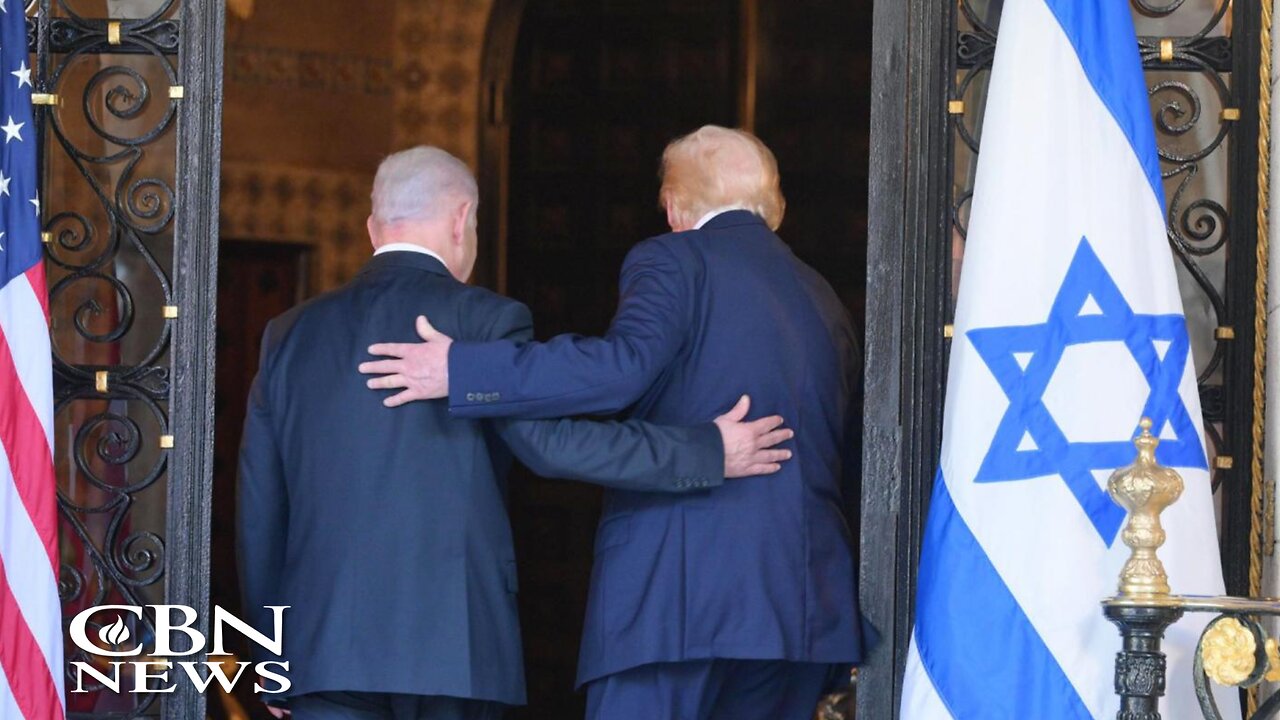
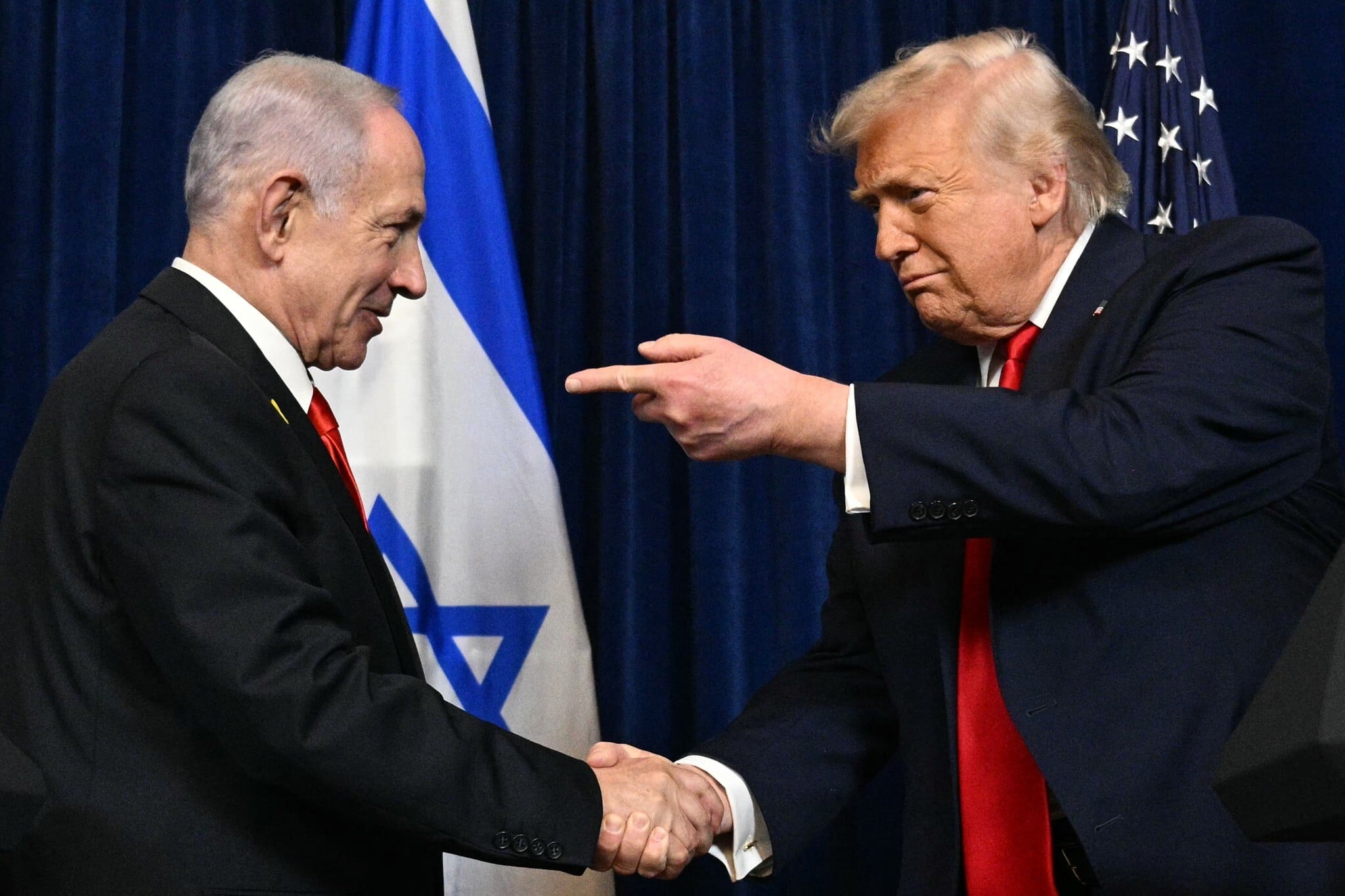
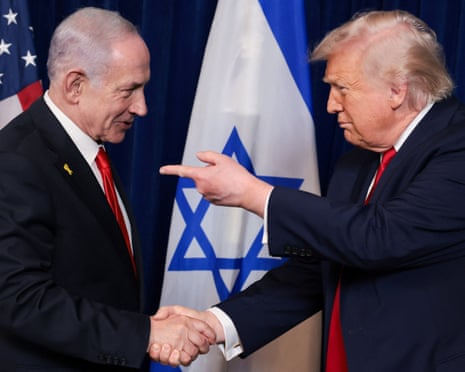
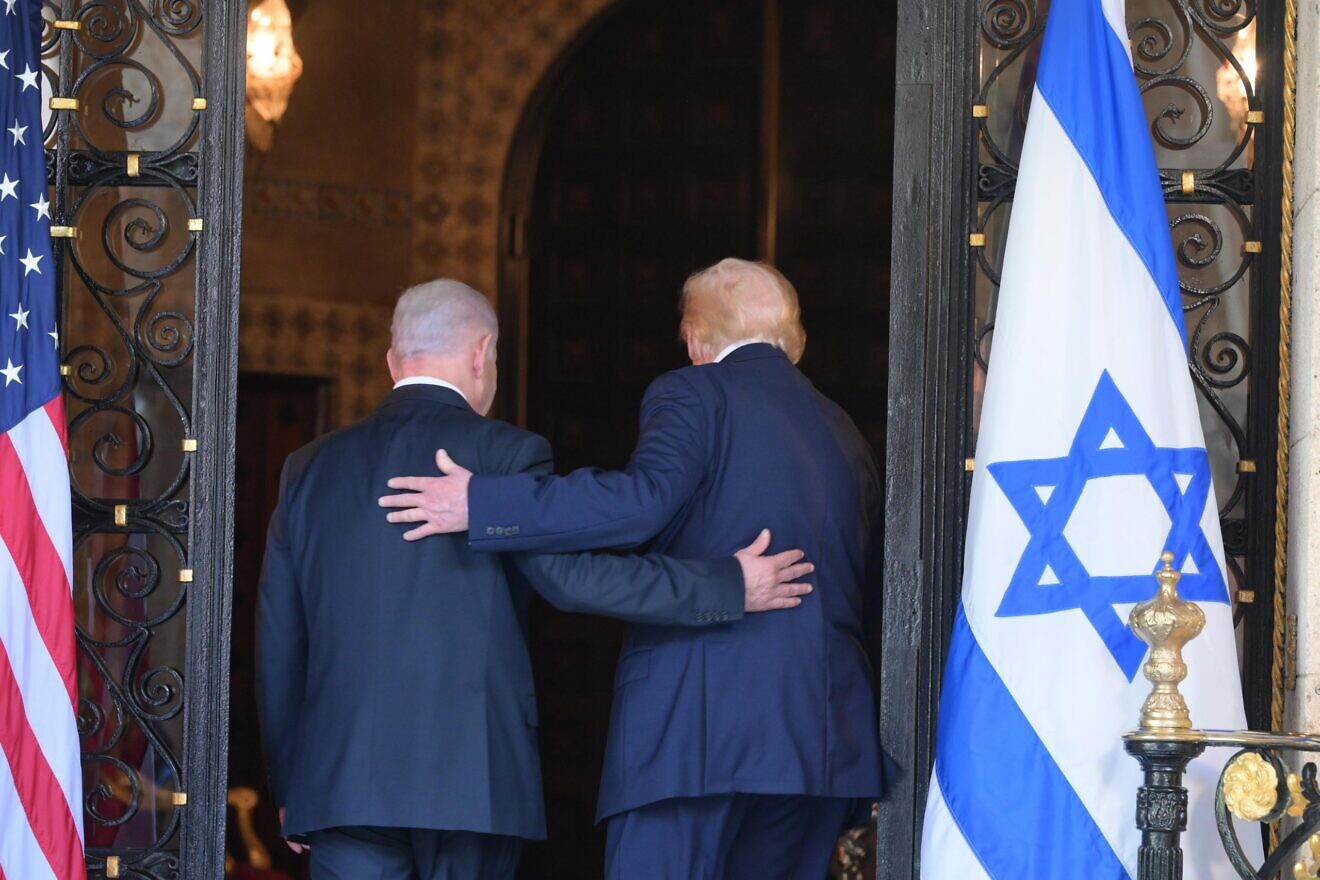
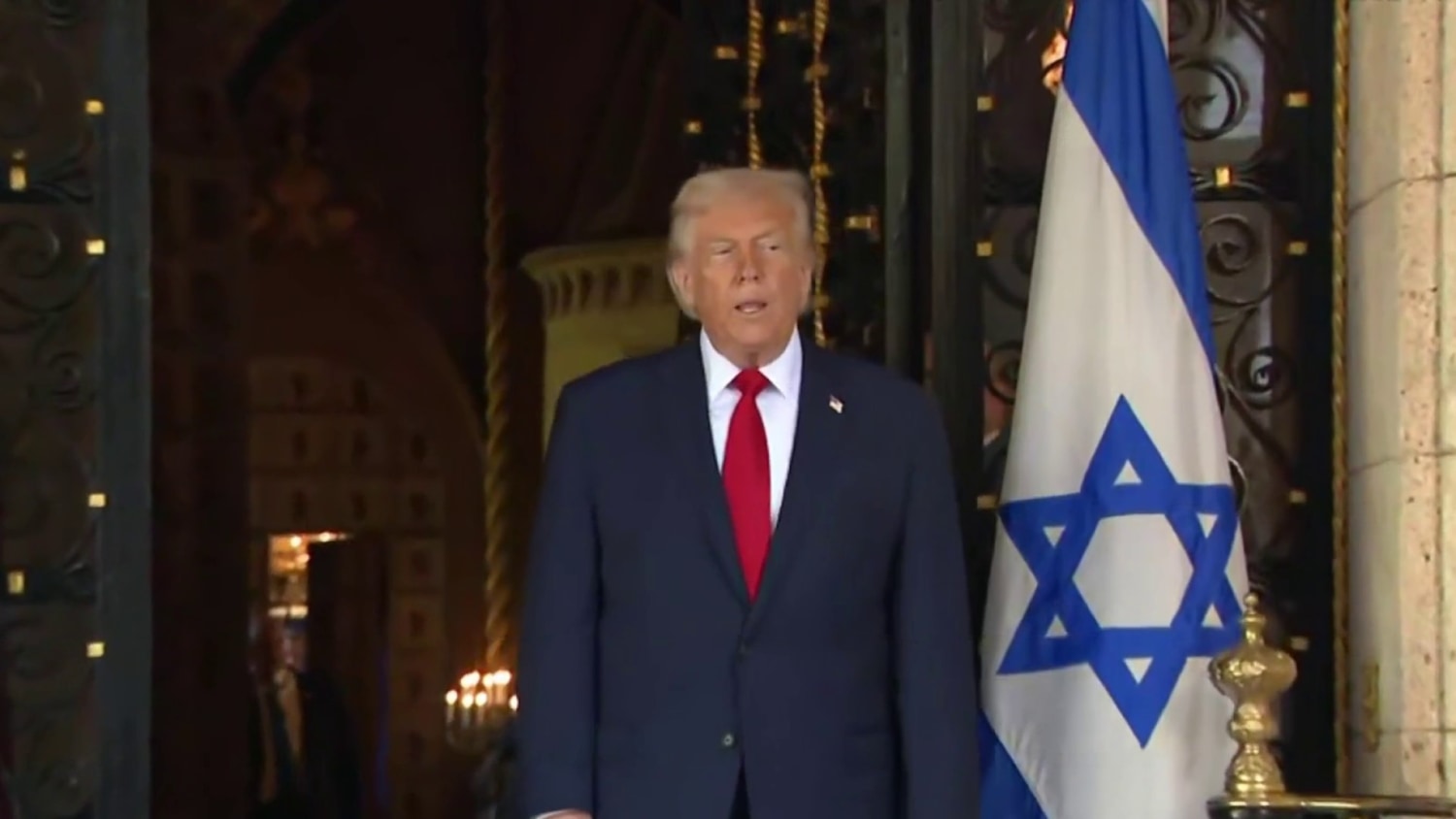
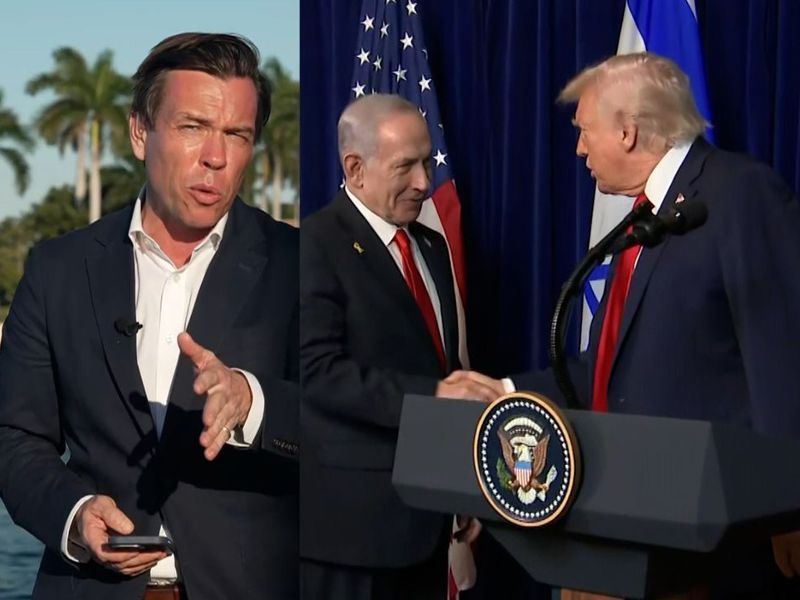
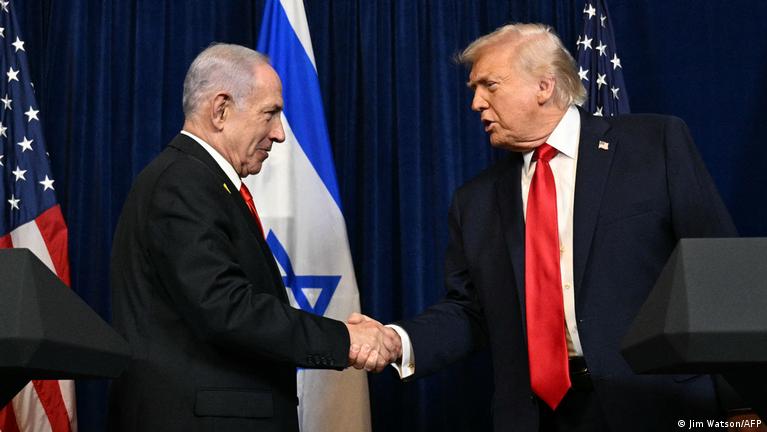
The high-stakes diplomatic meeting between President Trump and Prime Minister Netanyahu reveals a complex geopolitical landscape fraught with tension and strategic uncertainty. At the core of this engagement lies a profound disagreement over West Bank policies and the potential economic destabilization of the Palestinian Authority (PA).
Escalating Tensions in Regional Dynamics: The meeting highlighted significant US concerns about unchecked settler violence, with IDF data showing a troubling increase from 675 nationalistic crime incidents in 2024 to 752 in 2025. Trump's candid acknowledgment that they don't "agree 100 percent" signals a critical diplomatic moment, where long-standing alliance dynamics are being re-examined. The potential economic strangulation of the PA, advocated by far-right Israeli officials like Bezalel Smotrich, represents a high-stakes strategy that could fundamentally reshape regional stability.
Strategic Implications and Risk Factors: Israel's withholding of billions in Palestinian tax revenues creates a pressure point that threatens the PA's economic viability. This approach goes beyond mere policy disagreement—it represents a calculated attempt to prevent Palestinian statehood through economic marginalization. The US's expressed worry about a potential PA collapse underscores the delicate balance of power in the region, where economic tools are becoming as potent as traditional diplomatic instruments.
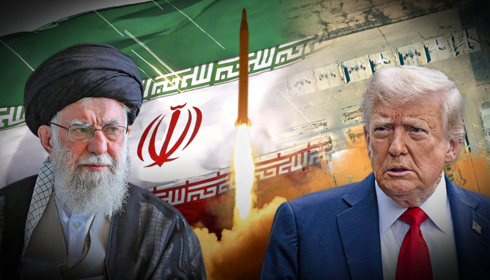
The broader context extends beyond bilateral relations, encompassing complex regional challenges including Iranian threats and potential disarmament of Hamas and Hezbollah. Despite apparent tensions, both leaders characterized the meeting as productive, suggesting a nuanced diplomatic approach that balances public disagreement with strategic cooperation.
Actionable Insights:
- Monitor the economic pressure points targeting the Palestinian Authority
- Watch for shifts in US diplomatic positioning that could reshape Middle East dynamics
- Assess the potential long-term consequences of current settlement expansion policies
Questions 3
How might the economic pressure on the Palestinian Authority impact regional stability?
The withholding of Palestinian tax revenues threatens the PA's economic viability, potentially leading to increased regional instability, political fragmentation, and heightened tensions between Israeli and Palestinian stakeholders.
What are the broader strategic implications of this diplomatic engagement?
The meeting signals a complex diplomatic landscape where the US is attempting to balance support for Israel with concerns about settlement policies, while simultaneously addressing broader regional challenges like Iranian threats and potential Hamas/Hezbollah disarmament.