



Geopolitical Tensions Unravel Southeast Asian Stability
- Diplomatic Breakdown Signals Emerging Regional Security Risks for ASEAN Stakeholders







)



)






Overview
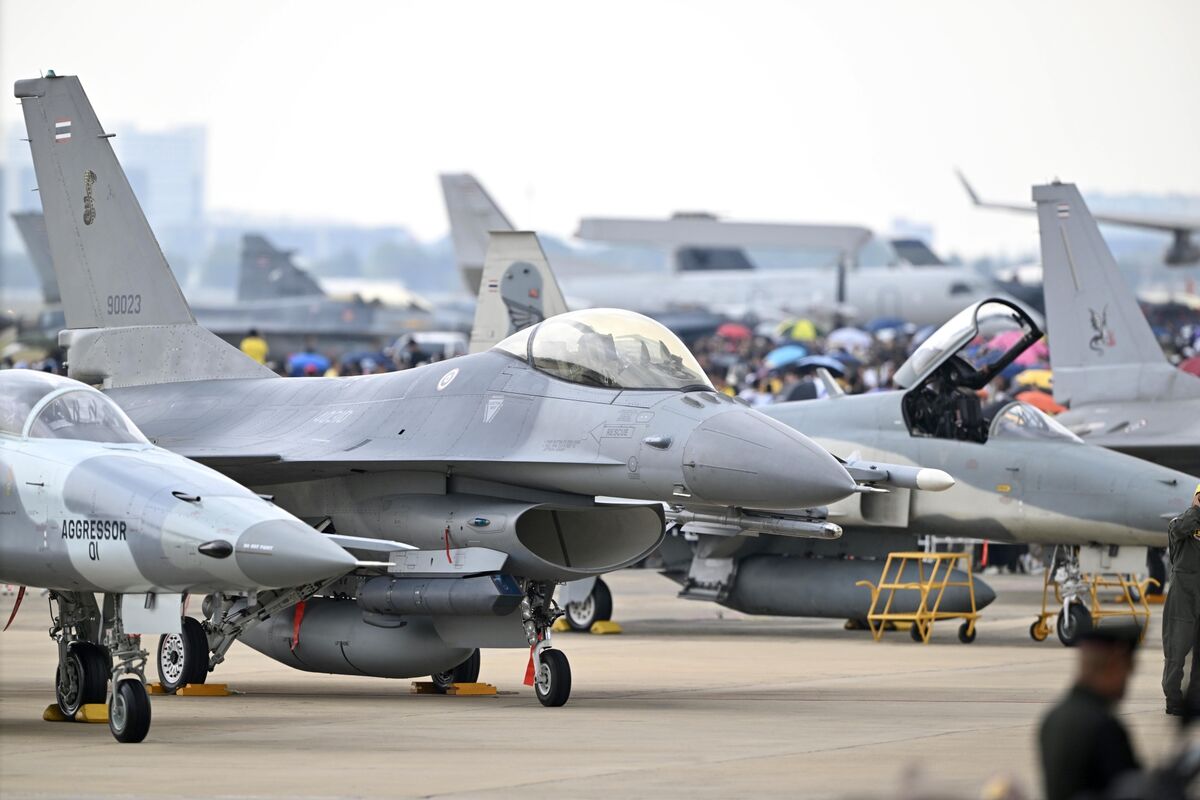
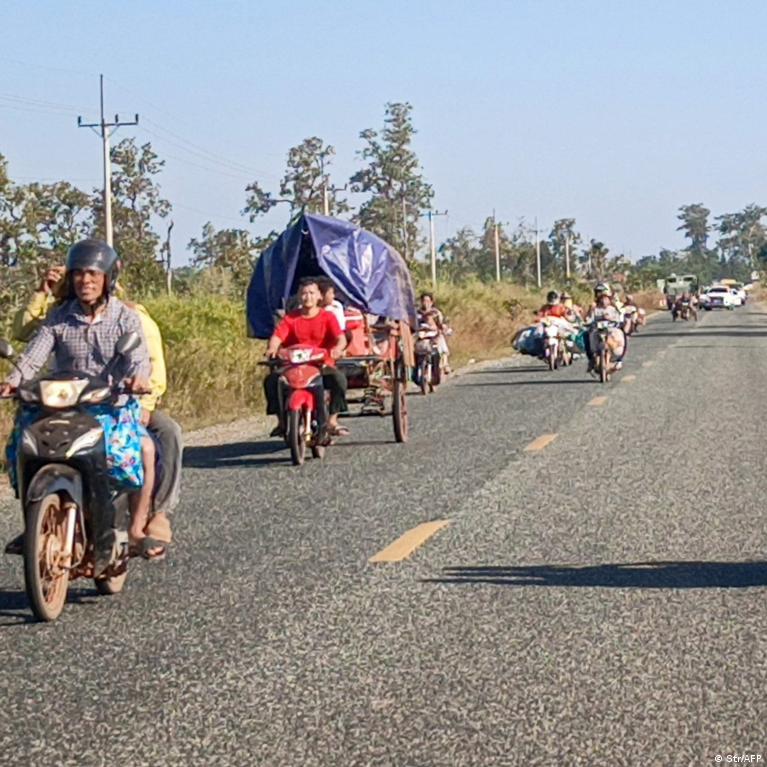
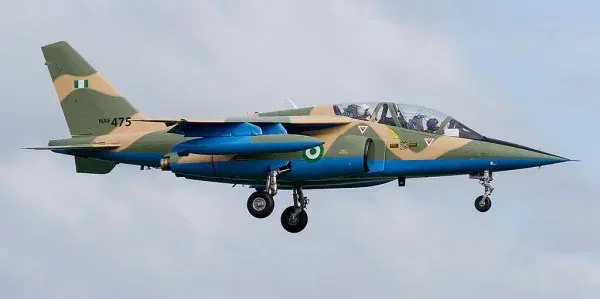
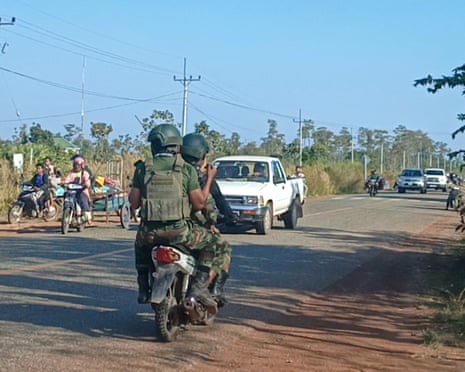
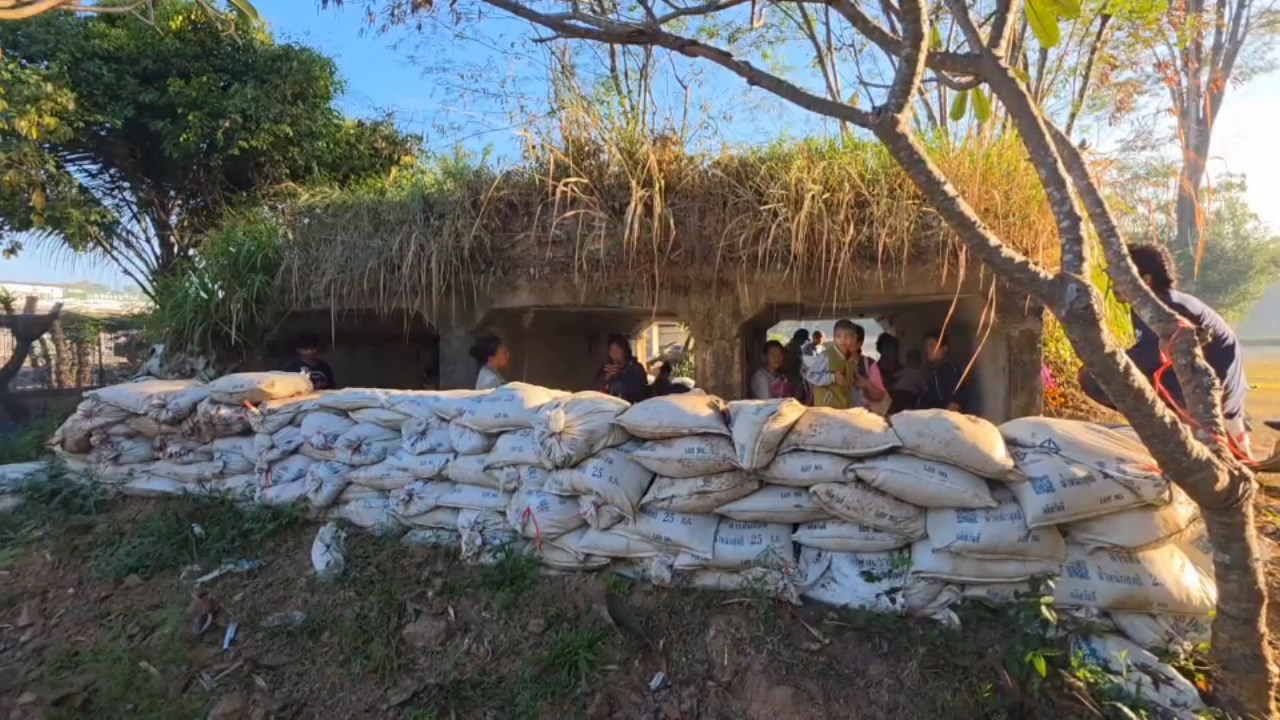
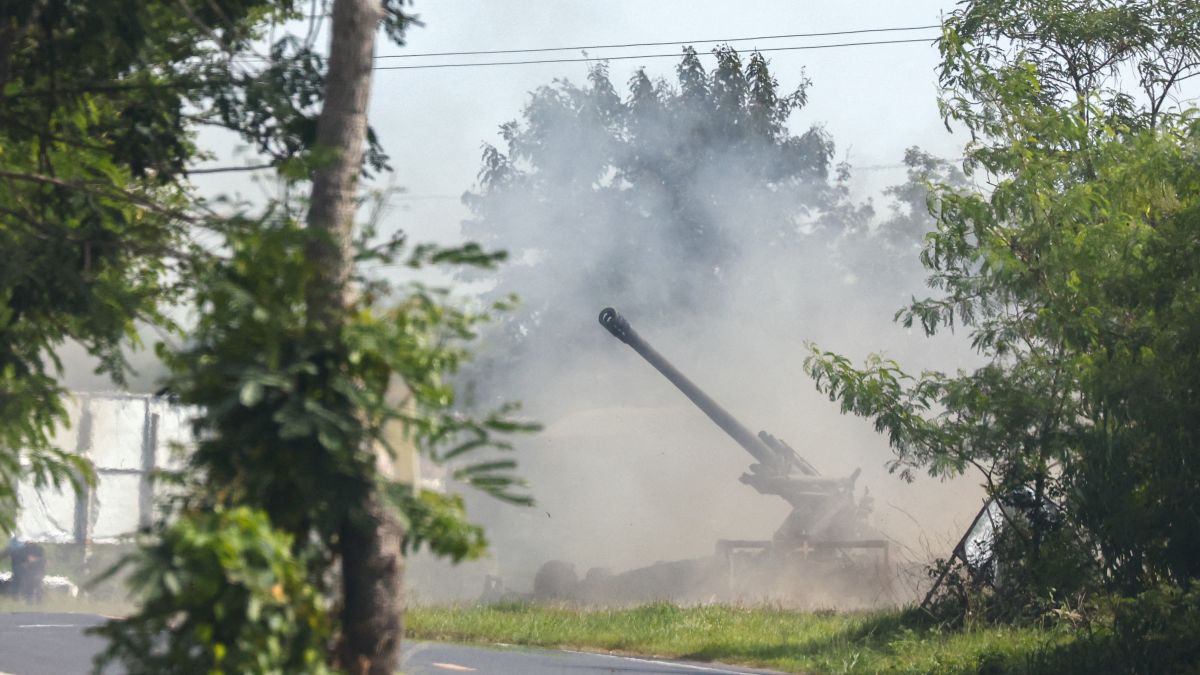
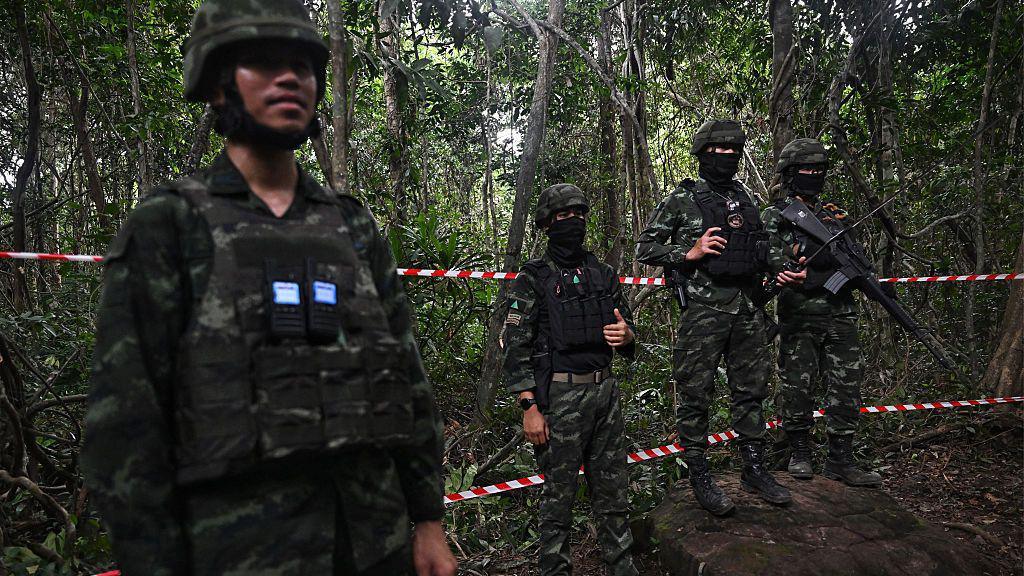
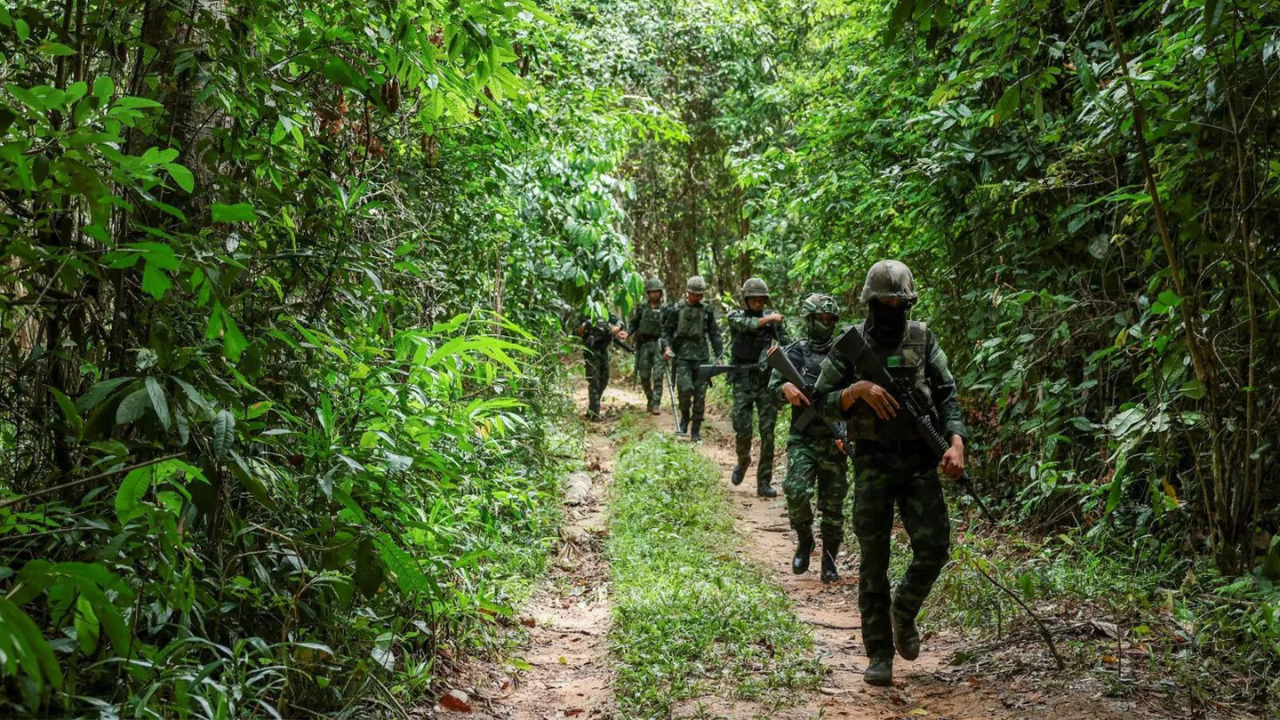
The Thailand-Cambodia border conflict represents a critical inflection point in Southeast Asian geopolitical dynamics, exposing deep-seated regional tensions that threaten long-standing diplomatic frameworks. On December 7, 2025, Thai military forces launched targeted airstrikes against Cambodian military infrastructure, marking a dangerous escalation of a conflict that has simmered since July, when initial border clashes displaced approximately 200,000 people.
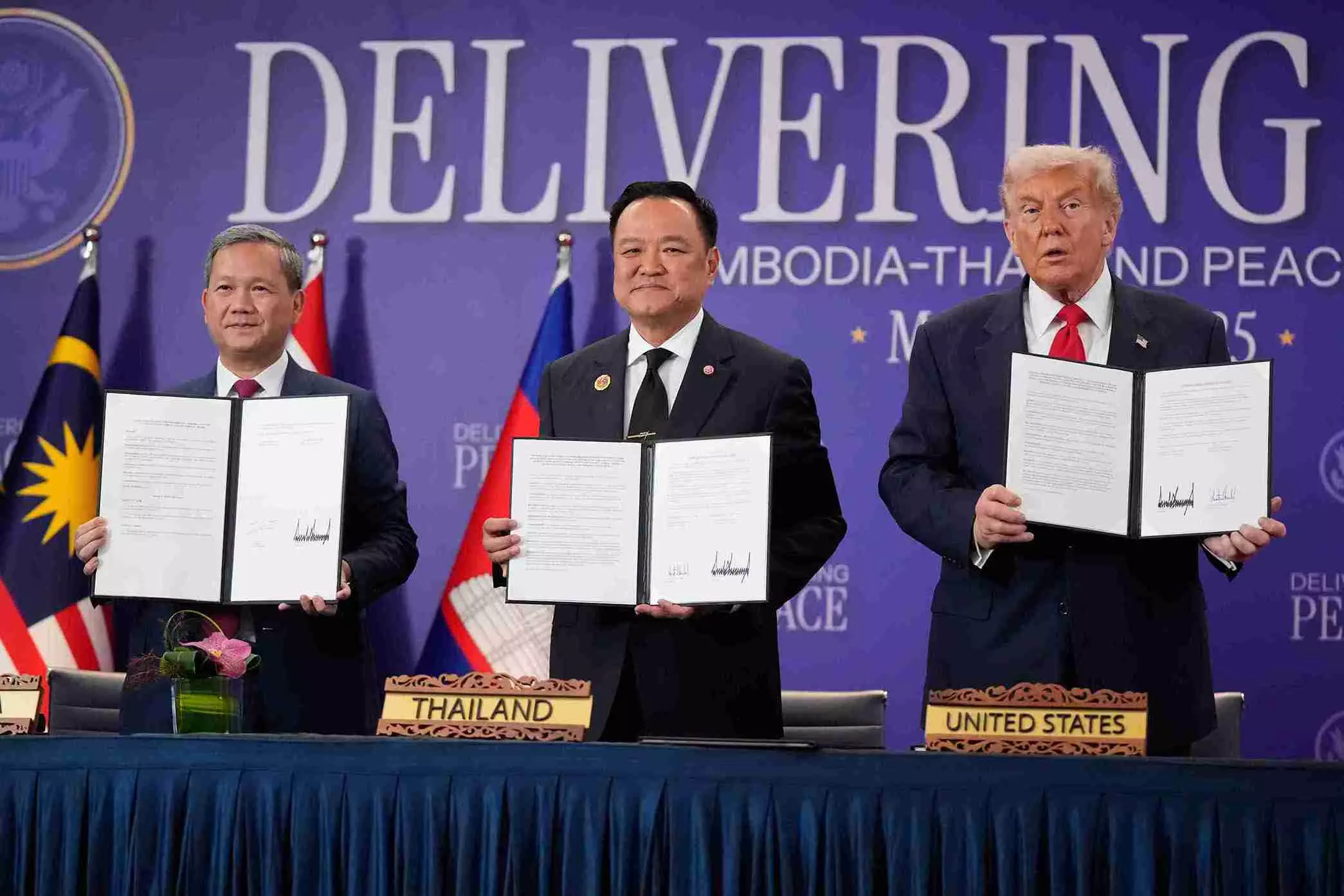
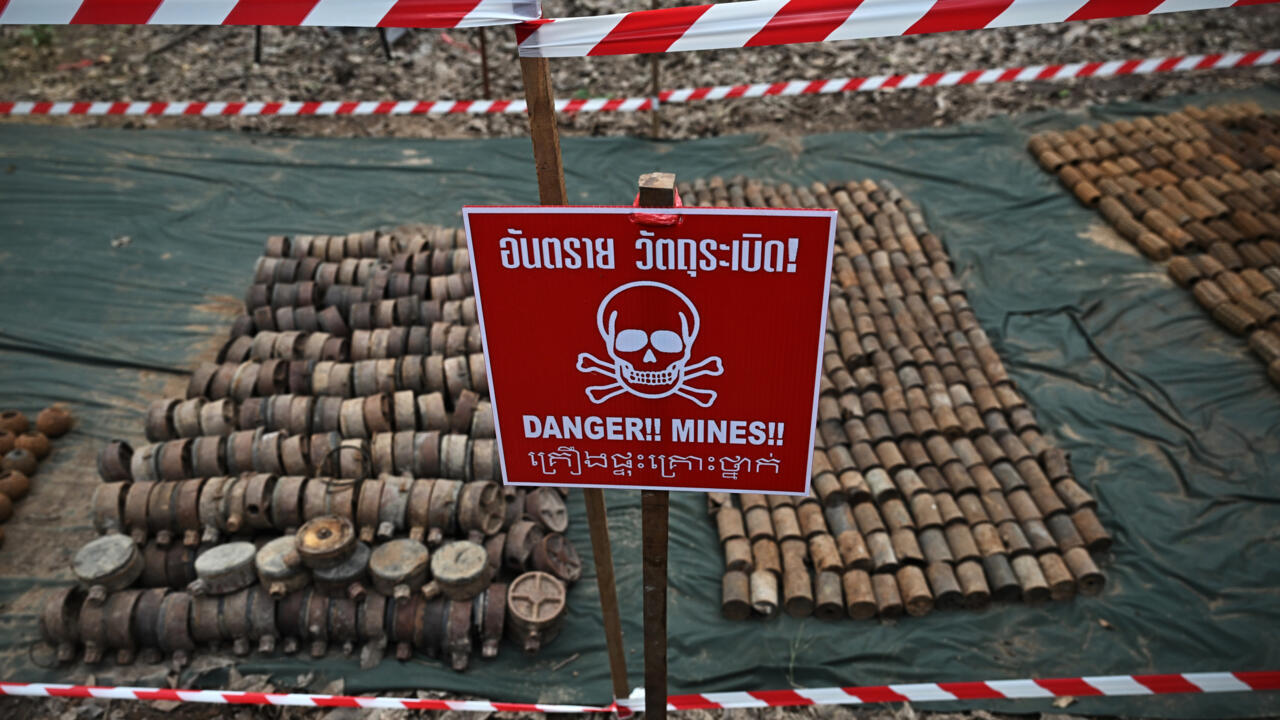
Strategic Instability Indicators emerge from this conflict's complex trajectory. The breakdown of a peace agreement previously mediated by former US President Donald Trump and Malaysian Prime Minister Anwar Ibrahim reveals the fragility of external diplomatic interventions. A landmine incident that injured Thai soldiers became the catalyst for renewed hostilities, demonstrating how localized security events can rapidly destabilize regional relationships.
The conflict unveils multiple layers of geopolitical complexity. Thailand's unilateral military action suggests a willingness to prioritize perceived national security interests over regional cooperation. Cambodia's denial of initiating hostilities further complicates the diplomatic landscape, creating a high-risk environment of mutual suspicion. This pattern indicates a potential breakdown of ASEAN's conflict resolution mechanisms, with bilateral tensions threatening the broader regional stability framework.
From a strategic perspective, this conflict signals deeper structural challenges. The repeated cycles of violence—five-day border conflicts, temporary ceasefires, and subsequent military escalations—suggest entrenched territorial and political disagreements that cannot be resolved through traditional diplomatic channels. For regional stakeholders, this represents a critical warning: existing conflict resolution frameworks are increasingly inadequate in managing complex bilateral tensions.
The implications extend beyond immediate military confrontations. Economic uncertainty, potential trade disruptions, and the risk of broader regional instability loom large. Investors, policymakers, and diplomatic corps must now recalibrate their engagement strategies, recognizing that the Thailand-Cambodia border represents a potential flashpoint with wider geopolitical consequences.
Questions 3
How does this conflict impact regional stability in Southeast Asia?
The conflict exposes significant weaknesses in ASEAN's conflict resolution mechanisms. It demonstrates the potential for localized border tensions to rapidly escalate, threatening broader regional economic and diplomatic relationships. The breakdown of previously negotiated peace agreements signals increased geopolitical unpredictability.
What are the potential long-term consequences of these border clashes?
Potential consequences include economic disruption, reduced investor confidence in the region, increased military preparedness along border zones, and a potential realignment of diplomatic relationships. The conflict could also strain ASEAN's collective security frameworks and potentially invite external power interventions.