

AI and Autonomous Technologies Redefine Maritime Defense in the Atlantic
- UK's Strategic Pivot Transforms Underwater Surveillance Through Cutting-Edge Technological Innovation






















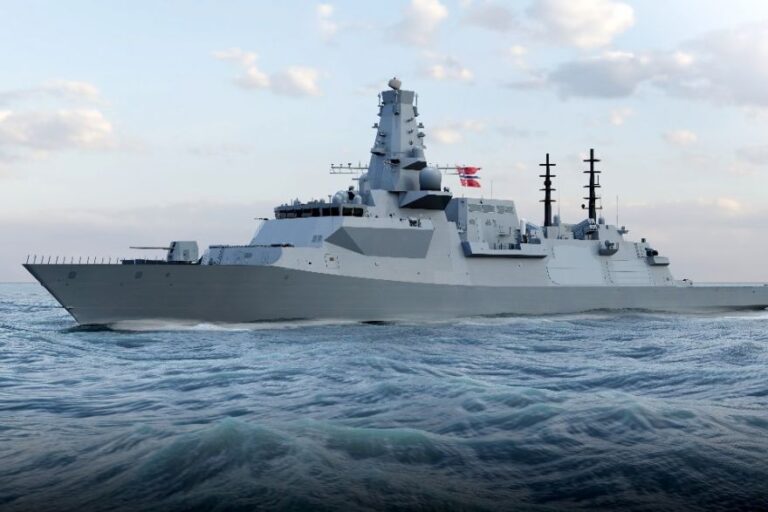


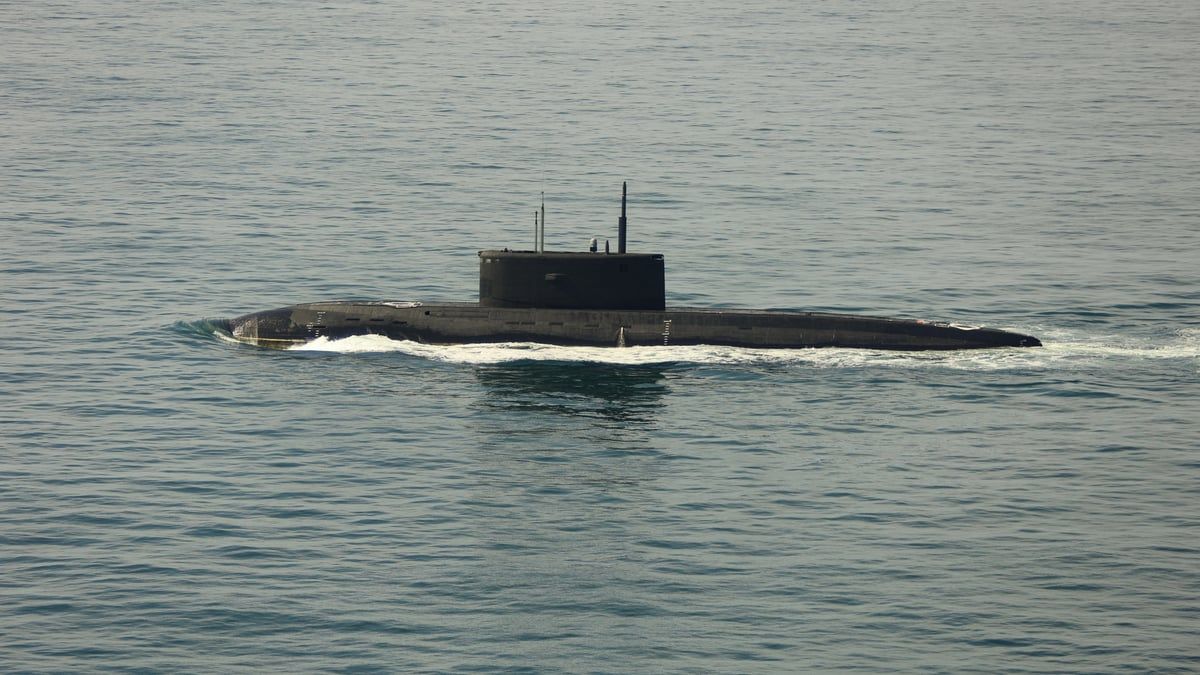


)



Overview
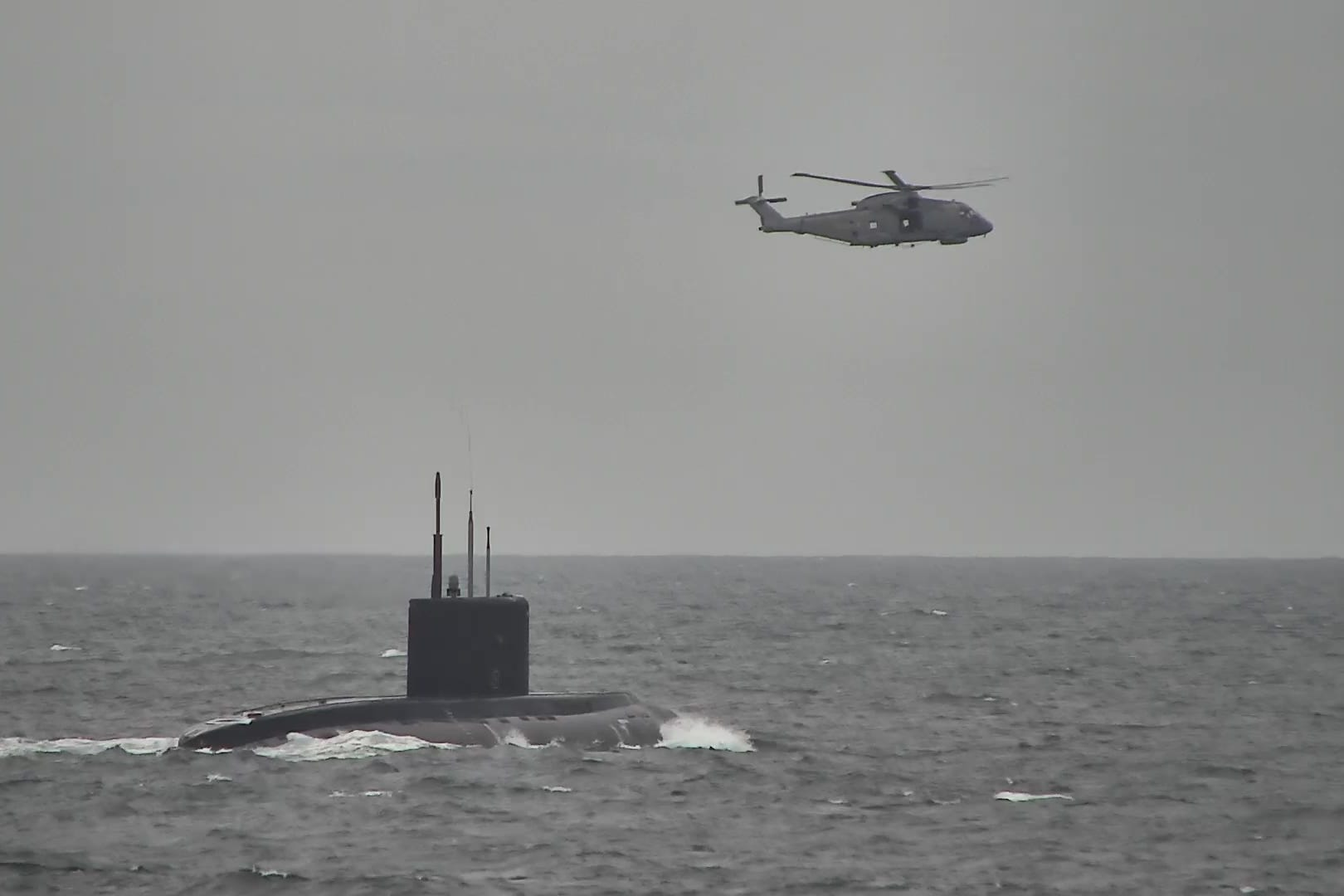
The emergence of Atlantic Bastion represents a pivotal moment in maritime defense, where artificial intelligence and autonomous technologies are fundamentally reshaping geopolitical strategic capabilities. At the core of this transformation is the United Kingdom's bold technological response to increasing Russian maritime threats, deploying an unprecedented network of AI-powered underwater surveillance systems that challenge traditional naval engagement models.
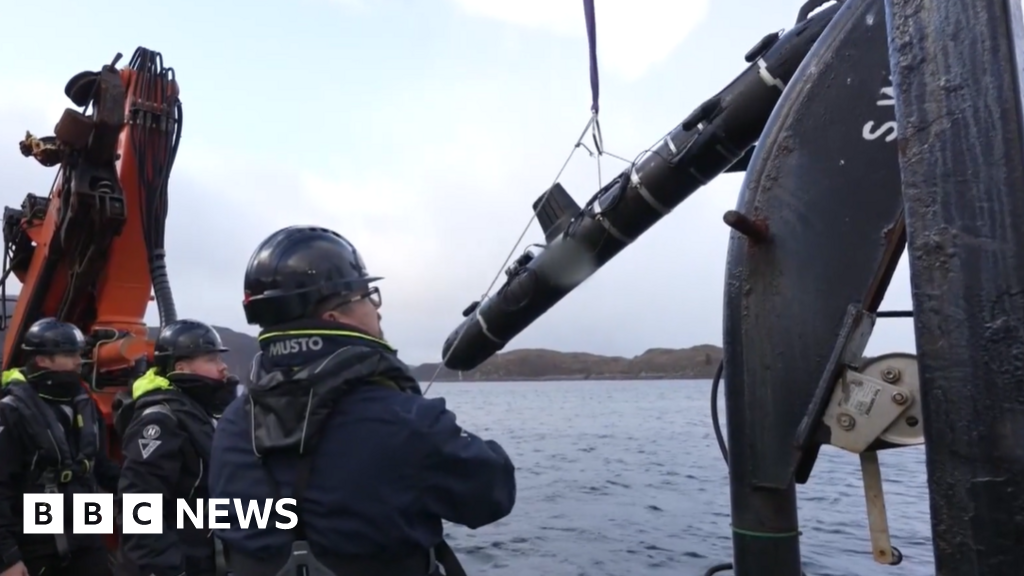
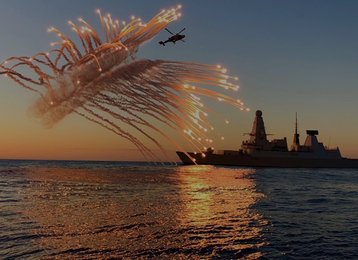
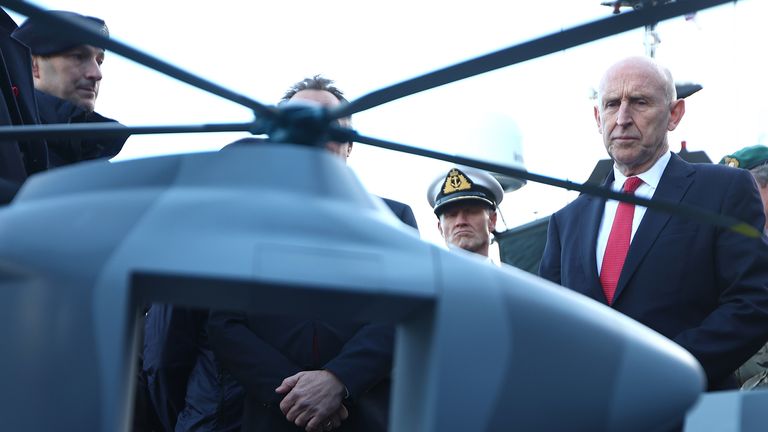
Technological innovation stands at the forefront of this strategic shift. The UK's £14 million investment demonstrates a clear commitment to creating an integrated digital targeting network that can rapidly detect and respond to potential underwater threats. Key technological assets like the SG-1 Fathom submarine glider, Rattler remote-controlled boats, and autonomous anti-submarine helicopters represent a new generation of maritime defense infrastructure that prioritizes technological agility over traditional naval deployments.
The strategic implications are profound. With 99% of international telecommunications data traversing undersea cables, protecting this critical infrastructure has become a national security imperative. The Atlantic Bastion programme signals a fundamental reimagining of maritime defense—transforming underwater spaces from passive territories to actively monitored, AI-surveilled domains. By combining AI-powered acoustic detection, unmanned vehicles, and an integrated digital network, the UK is establishing a template for next-generation maritime security that dramatically reduces human risk while increasing surveillance capabilities.
Critically, this approach represents more than a technological upgrade; it's a strategic recalibration of maritime defense doctrine. The 30% increase in Russian vessel threats near UK waters has accelerated a shift toward autonomous, distributed surveillance systems that can operate continuously without direct human intervention. The collaboration with Norway through the Lunna House Agreement further underscores the emerging model of cooperative, technology-driven maritime security.
The programme's most significant achievement lies in its ability to create a cost-effective, scalable defense infrastructure that can rapidly adapt to evolving geopolitical challenges. By leveraging AI and autonomous technologies, the UK is not just defending its maritime interests but fundamentally reimagining the future of naval strategy.
Questions 3
How does the Atlantic Bastion programme differ from traditional naval defense strategies?
Unlike traditional naval strategies relying on manned vessels, Atlantic Bastion leverages autonomous underwater technologies like AI-powered submarine gliders and unmanned vehicles. This approach reduces human risk, provides continuous surveillance, and creates a more adaptable, cost-effective maritime defense infrastructure.
What are the key technological innovations in the UK's new maritime defense strategy?
Key innovations include the SG-1 Fathom submarine glider, Rattler remote-controlled boats, autonomous anti-submarine helicopters, and an integrated AI-powered digital targeting network. These technologies enable continuous, distributed underwater surveillance with minimal human intervention.