
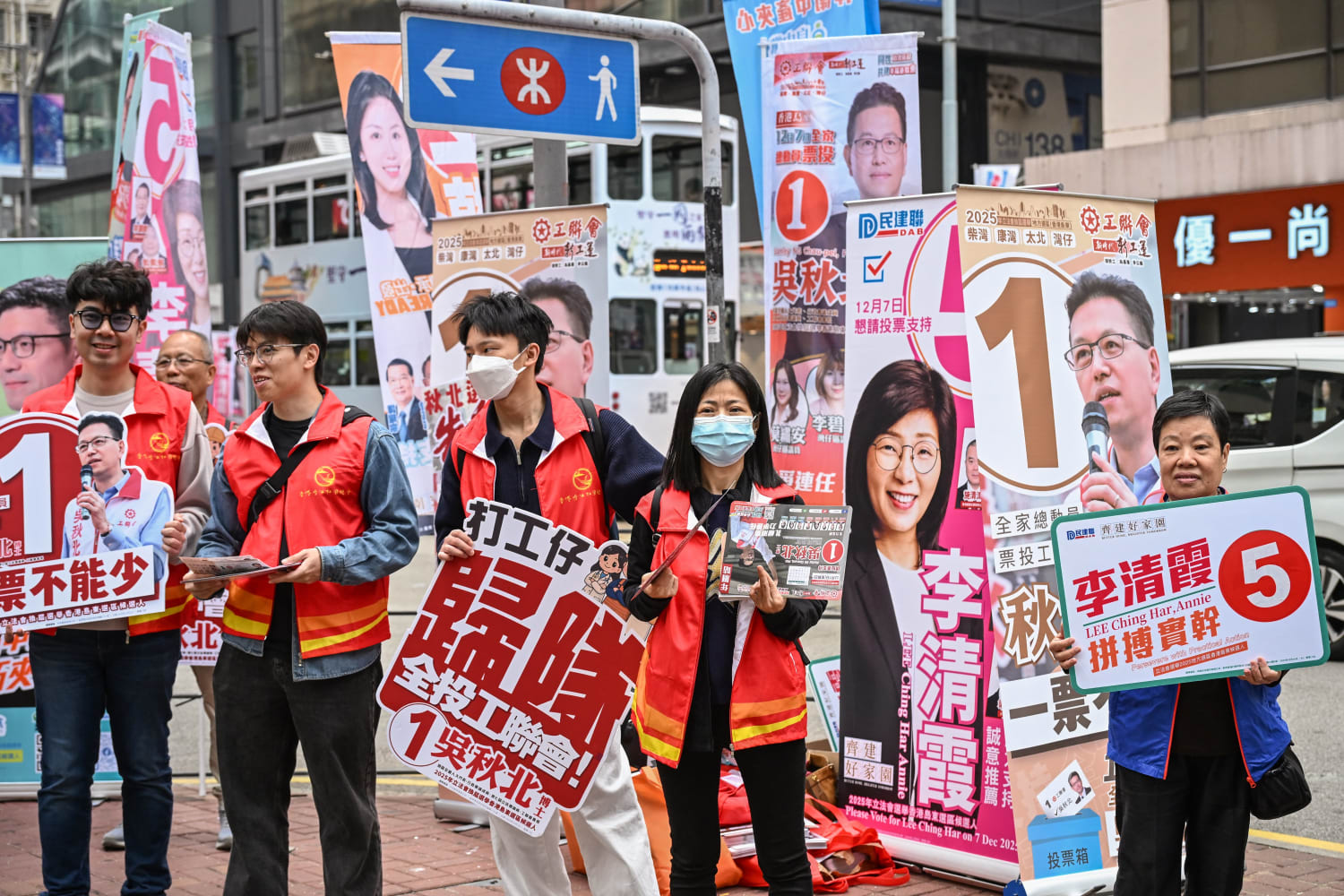


Hong Kong's Engineered Election: Beijing's Strategic Recalibration of Political Representation
- Systematic Transformation of Electoral Mechanics Signals Deeper Geopolitical Realignment


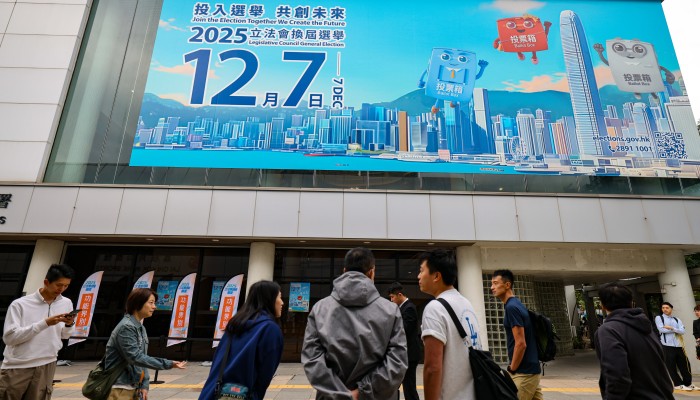


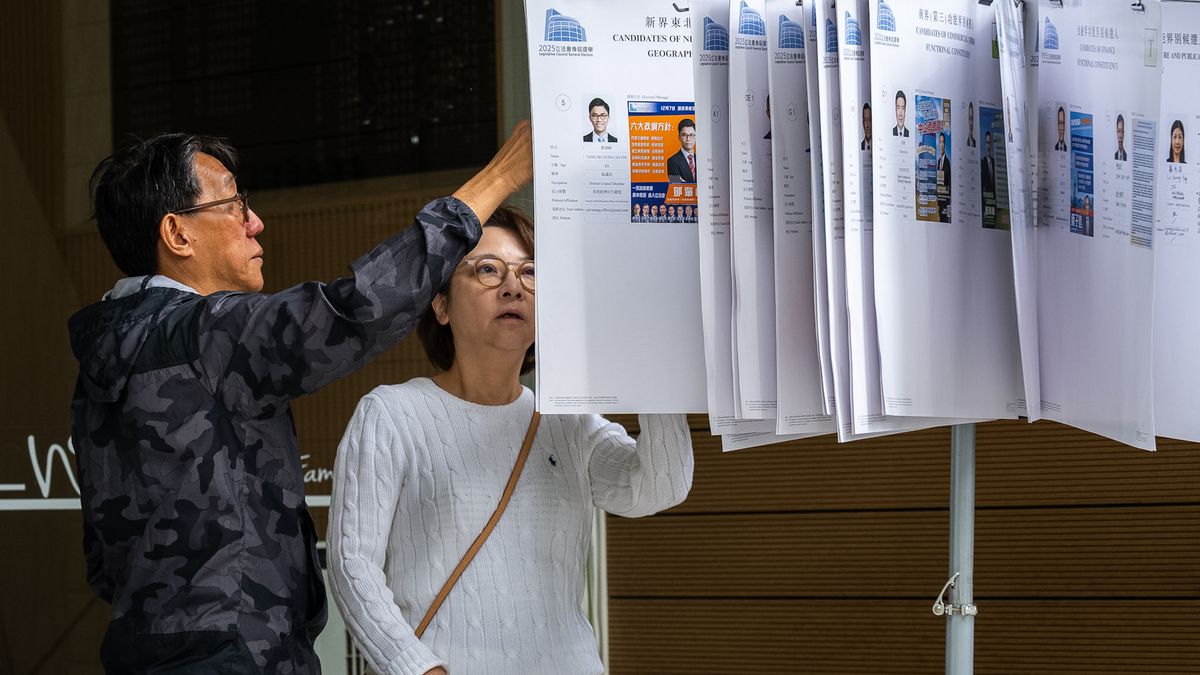











Overview
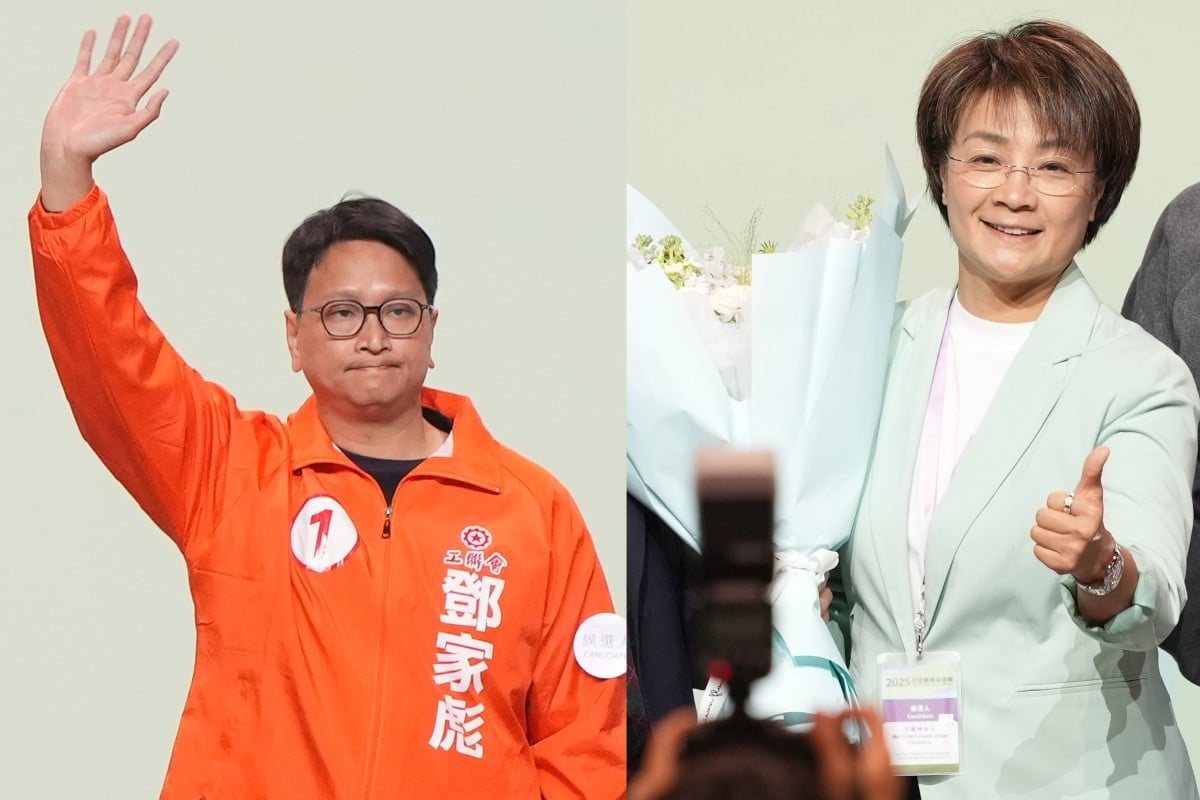
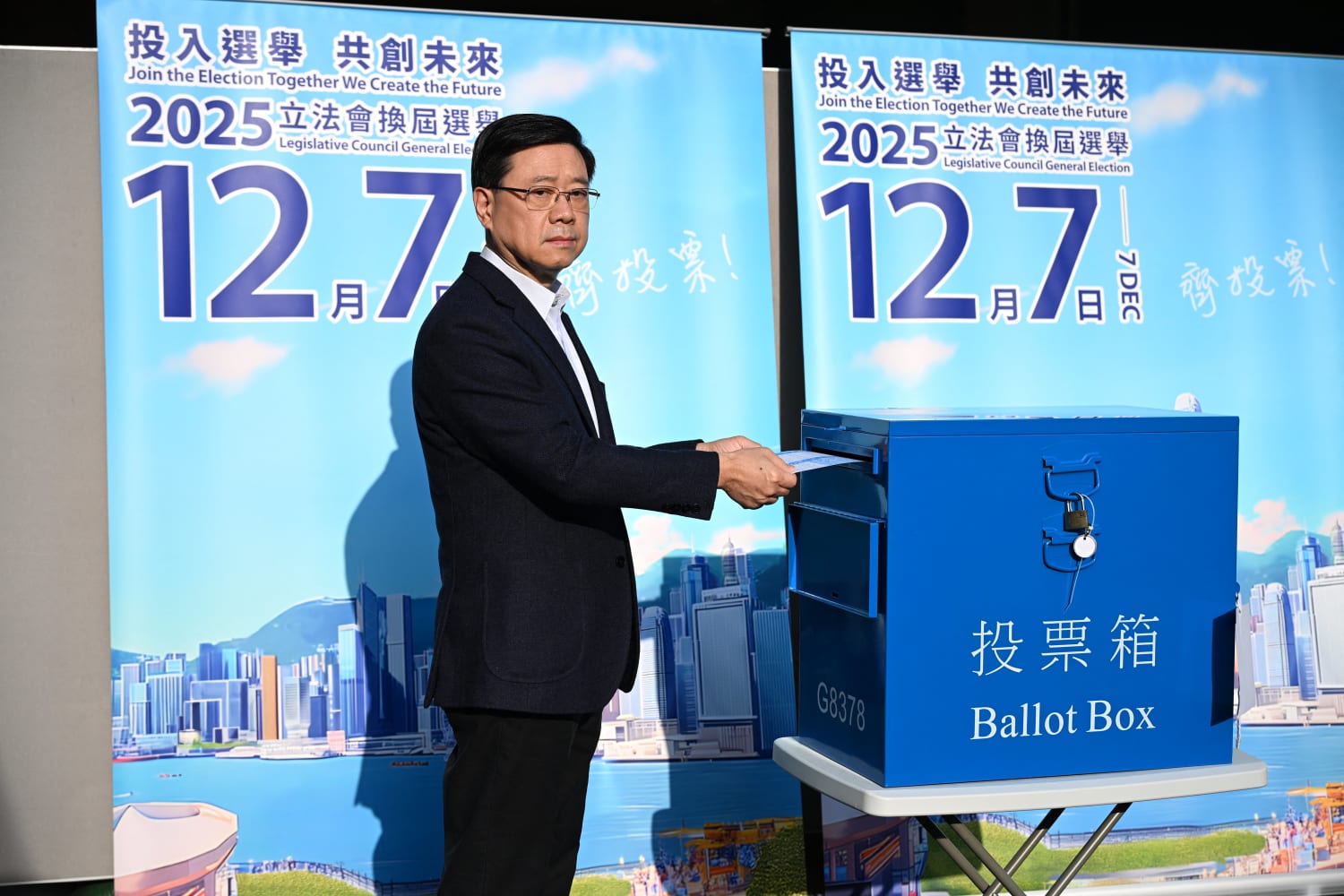
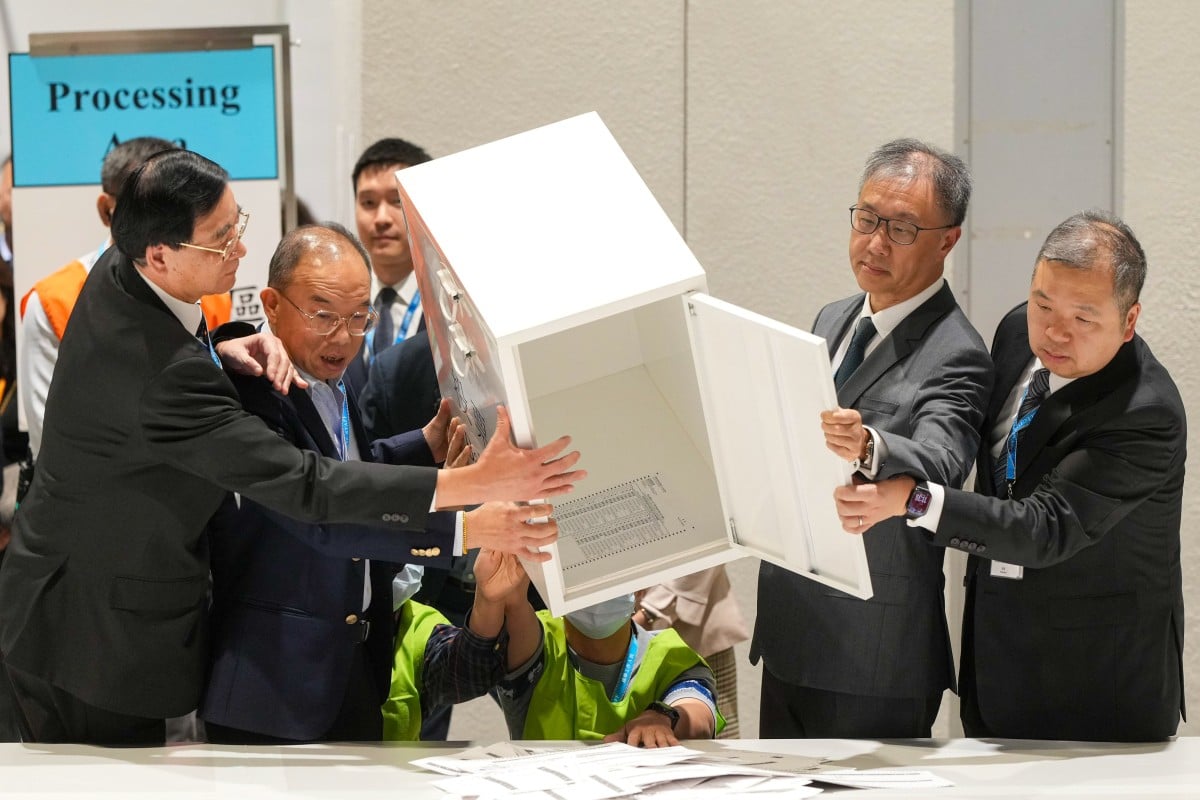
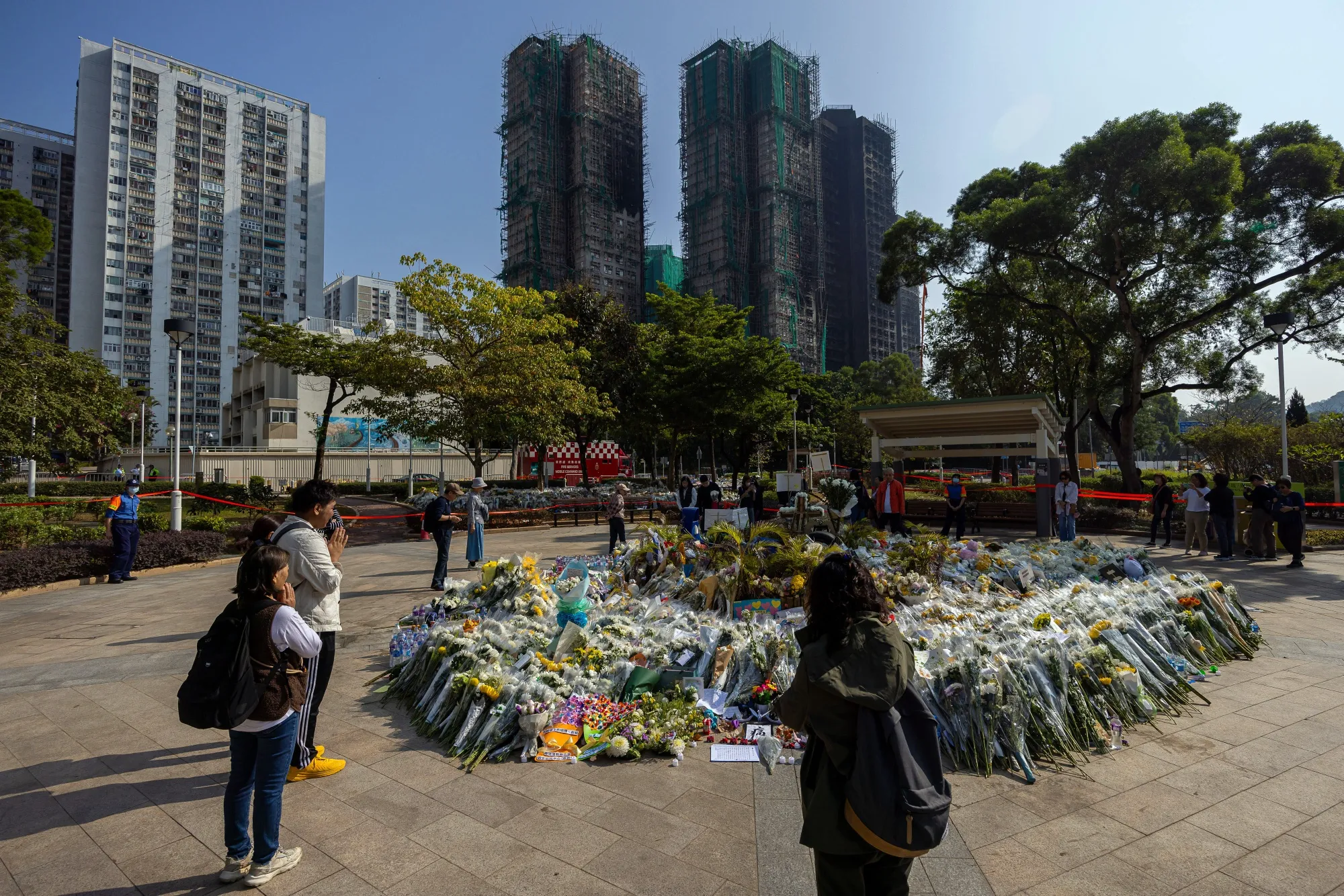
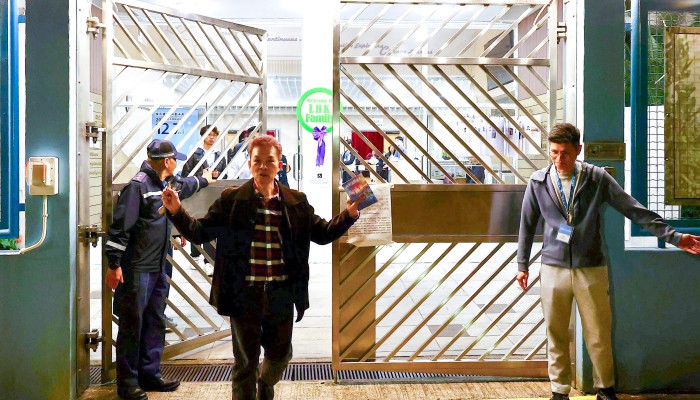
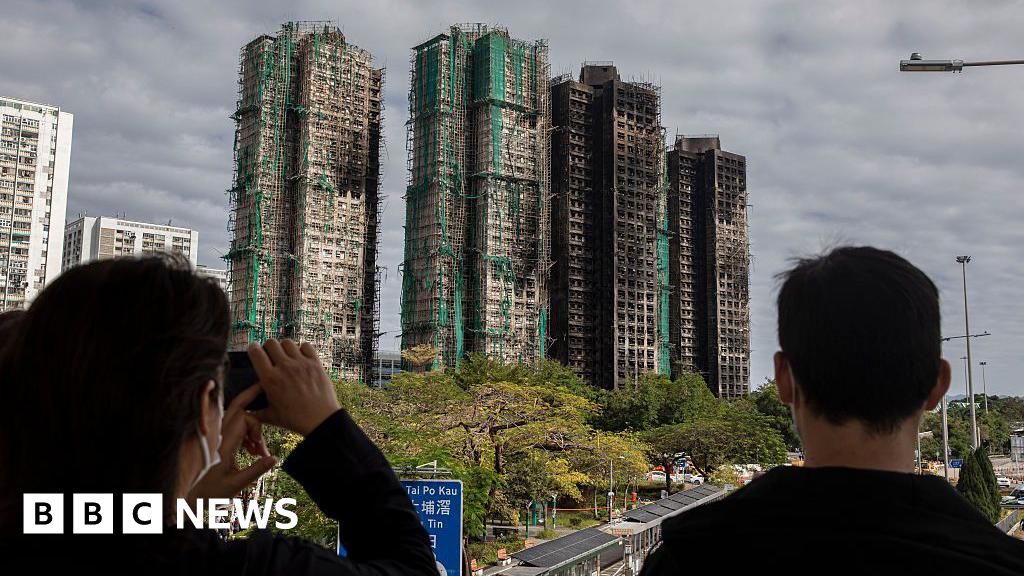
In a calculated political maneuver, Hong Kong's legislative election reveals a profound restructuring of democratic representation under Beijing's increasingly tight control. The election, occurring against the backdrop of a tragic apartment fire that killed 159 people, represents more than a routine political exercise—it is a meticulously orchestrated demonstration of political engineering.
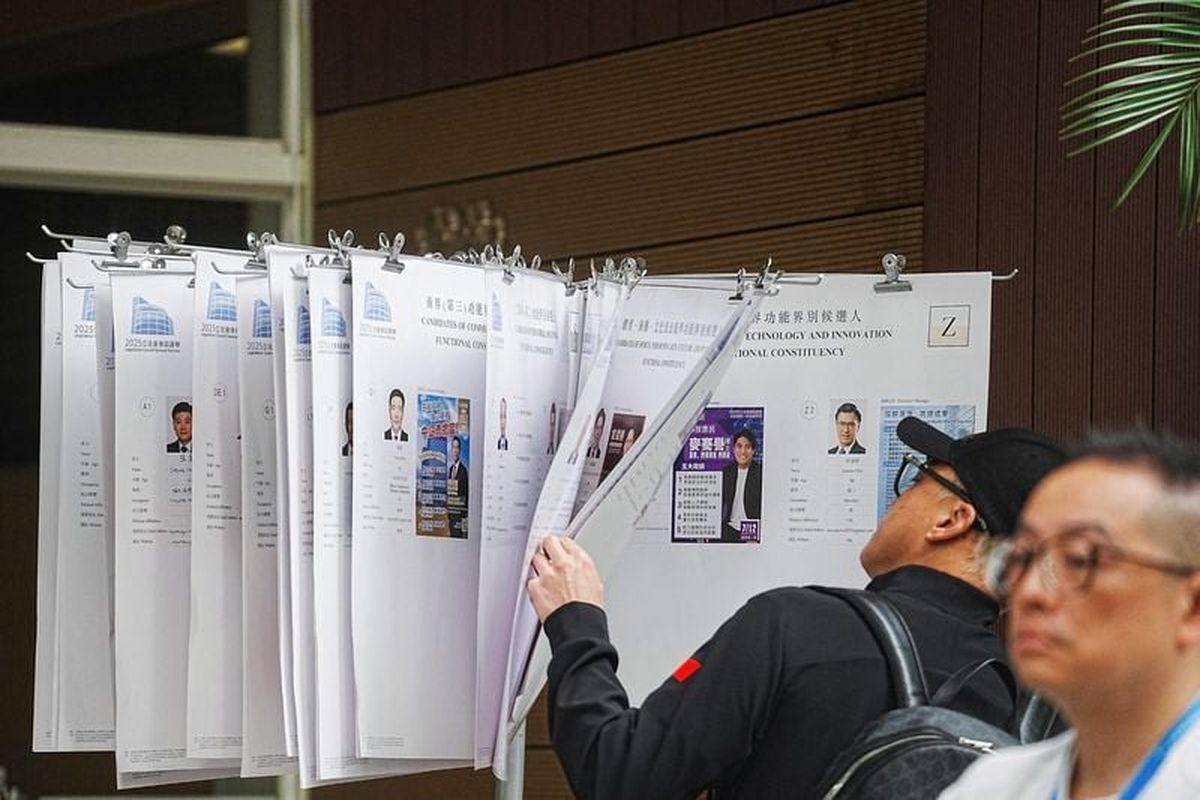
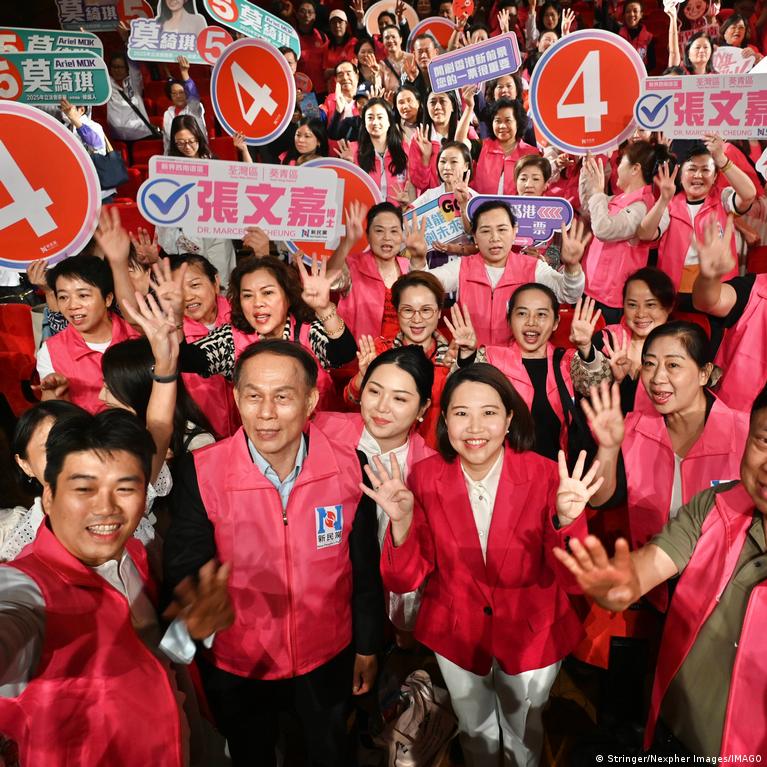
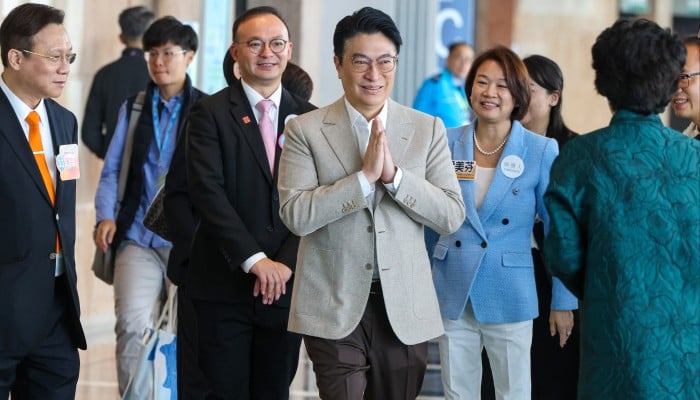
The most striking feature is the electoral system's radical transformation. With only 20 out of 90 seats directly elected and the remaining 70 determined by Beijing-approved voters, the system has been fundamentally redesigned to ensure absolute loyalty. The 'patriots' vetting process has effectively eliminated any meaningful opposition, creating a legislature that functions more as an administrative rubber stamp than a representative body.
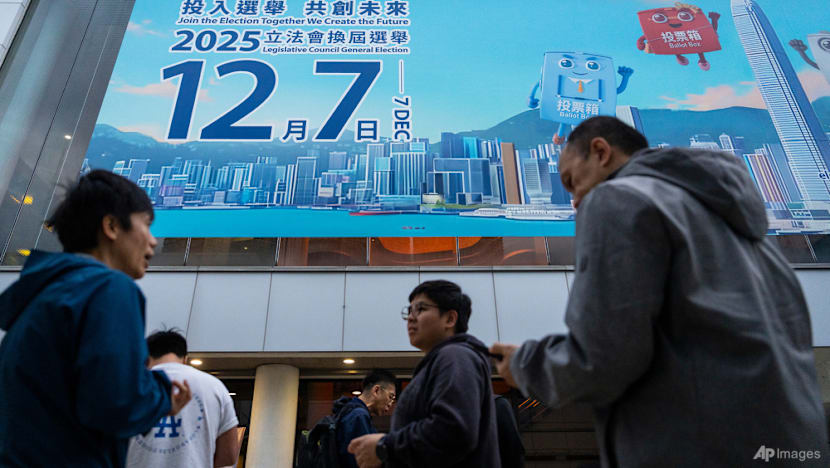
Voter participation, while slightly improved from 30.2% in 2021 to 31.9%, tells a nuanced story of political engagement under constraint. The government's extensive campaign—including incentives like shopping vouchers and social worker-assisted polling—reveals a sophisticated strategy of manufactured consent. By transforming civic participation into a managed process, Beijing is not just controlling outcomes but reshaping the very perception of political legitimacy.
The election's timing, coinciding with public mourning for the Wang Fuk Court fire, adds another layer of strategic complexity. By positioning the election as a path to "post-disaster reconstruction," the government attempts to redirect public grief into a narrative of systemic renewal. This approach demonstrates a masterful use of tragedy as a political reset mechanism, turning potential criticism into an opportunity for institutional realignment.
The systematic dismantling of historical opposition support—with many pro-democracy politicians jailed or exiled—completes the picture of a comprehensive political recalibration. What emerges is not just an election, but a blueprint for how authoritarian systems can incrementally reshape democratic institutions without appearing overtly repressive.
Questions 3
How has the Hong Kong electoral system changed under the new reforms?
The reforms have dramatically reduced direct democratic representation. Previously, more seats were directly elected; now, only 20 out of 90 seats are chosen by the general electorate. The remaining 70 seats are determined by Beijing-approved voters, effectively ensuring government-controlled outcomes.
What strategies did the government use to encourage voter participation?
The government employed multi-faceted strategies including offering shopping vouchers, extending voting hours, adding more polling stations, and using social workers to help displaced residents locate voting locations. These tactics aim to create an appearance of civic engagement while maintaining strict political control.