


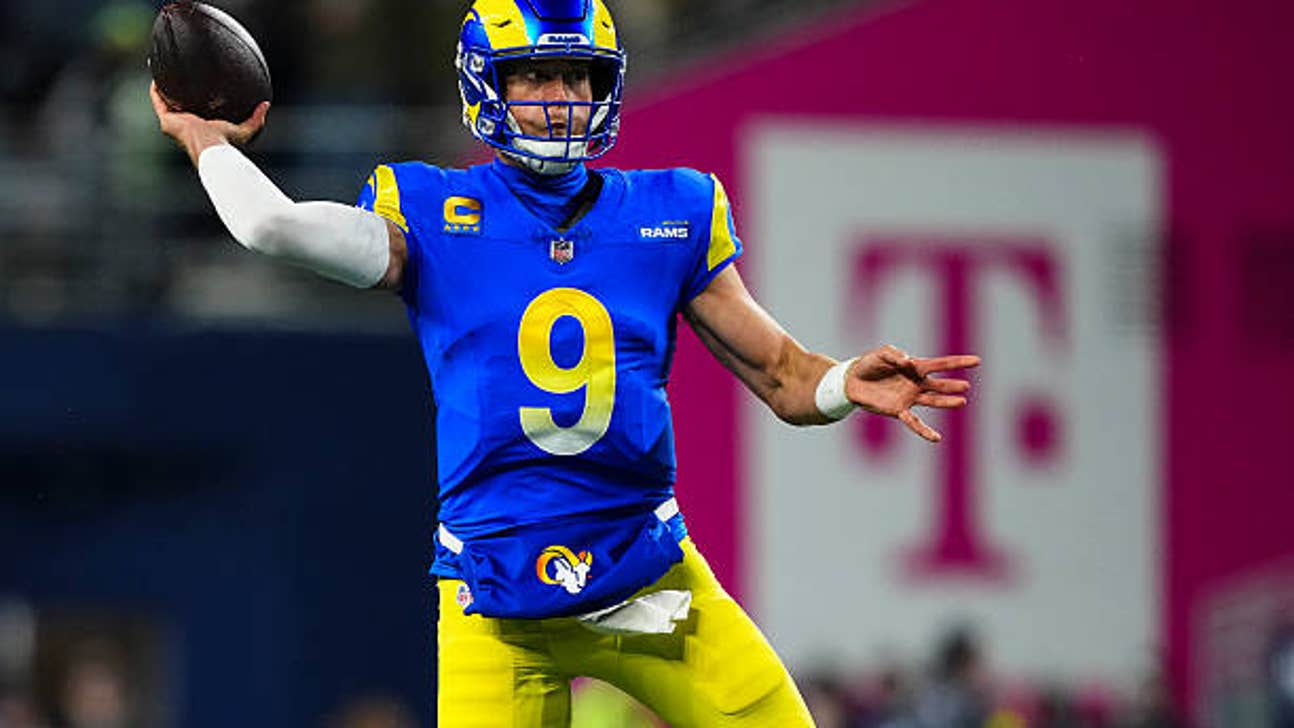

NFL Monday Night Football Reveals Strategic Performance Dynamics Beyond the Scoreboard
- Falcons' Unexpected Resilience Highlights Tactical Adaptability in High-Stakes Professional Sports

























Overview
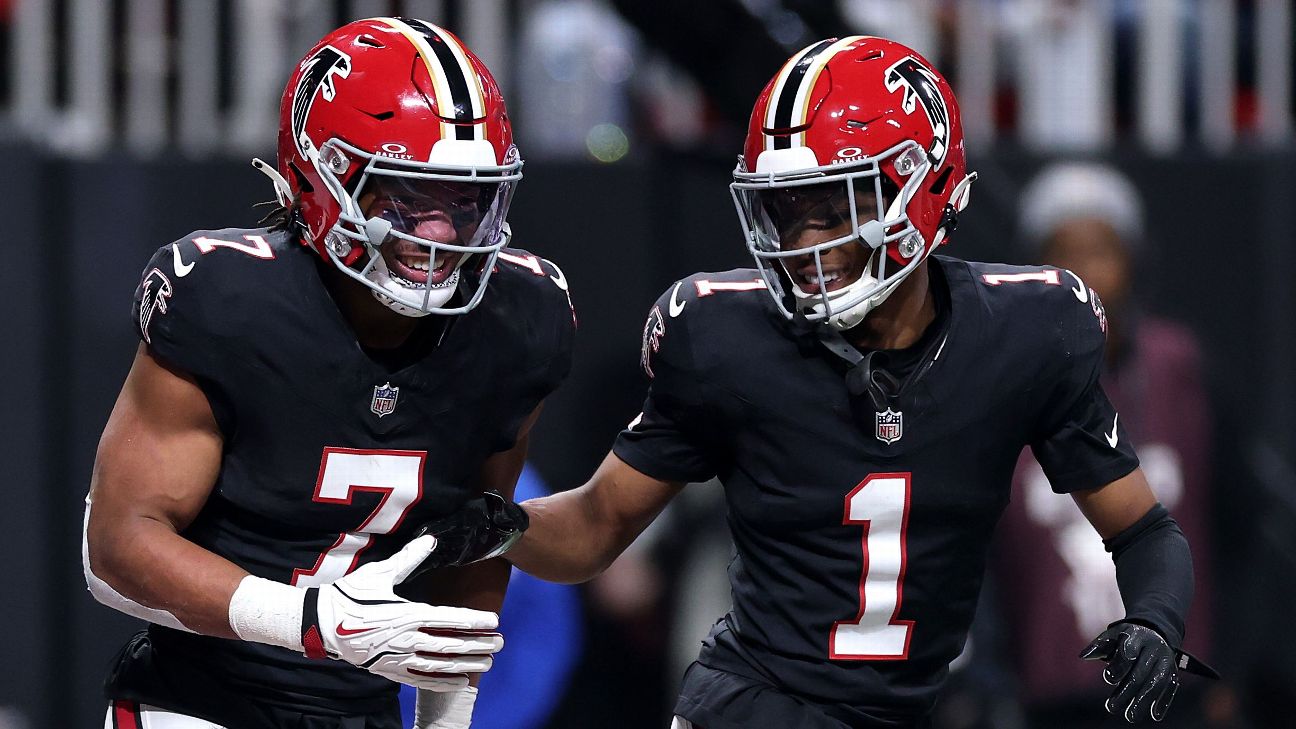
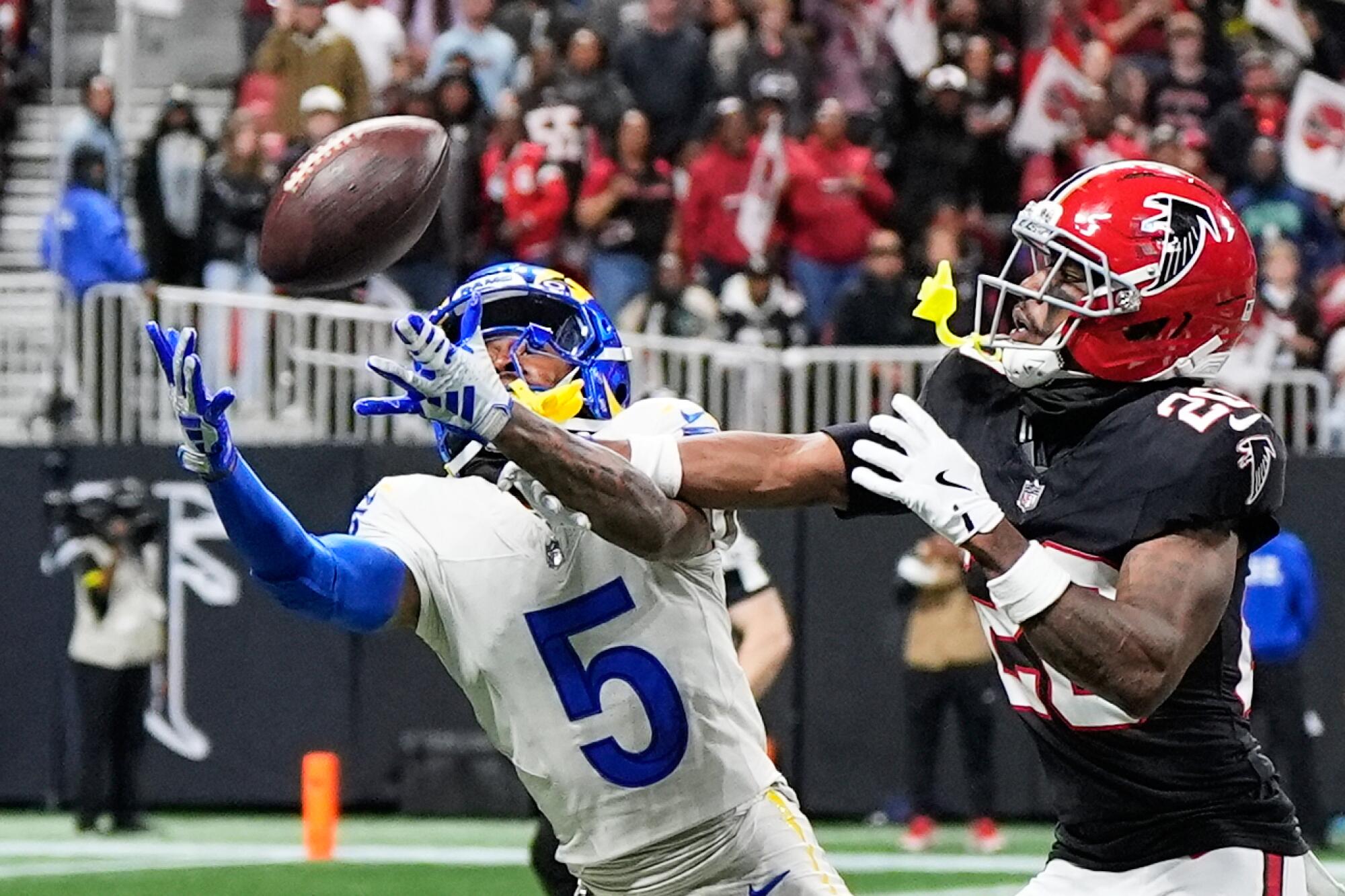
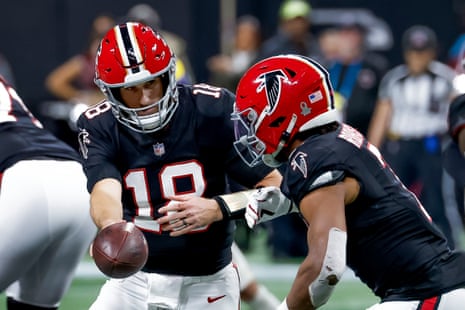
In the complex landscape of professional sports performance, the recent Monday Night Football matchup between the Atlanta Falcons and Los Angeles Rams offers a nuanced glimpse into strategic resilience and individual impact. Despite holding a modest 6-9 season record, the Falcons demonstrated an extraordinary capacity for prime-time excellence, securing a decisive 27-24 victory that transcends mere statistical outcomes.
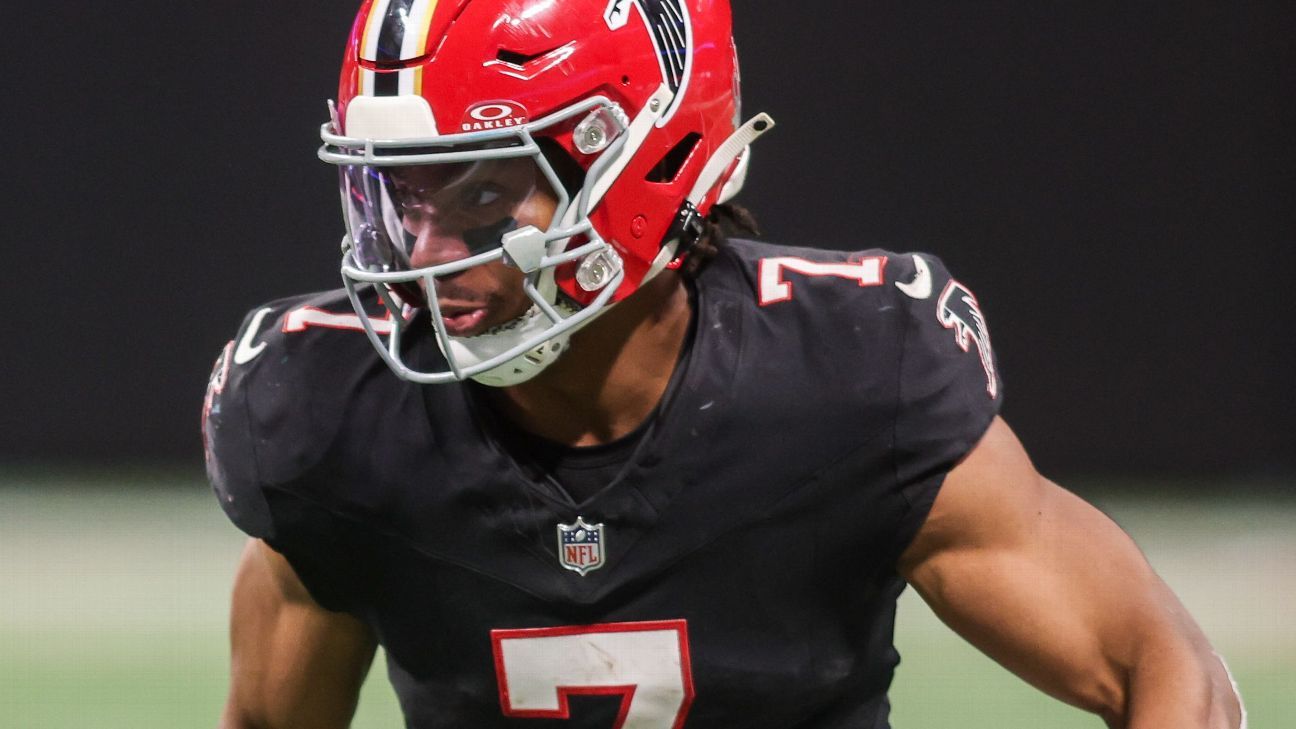
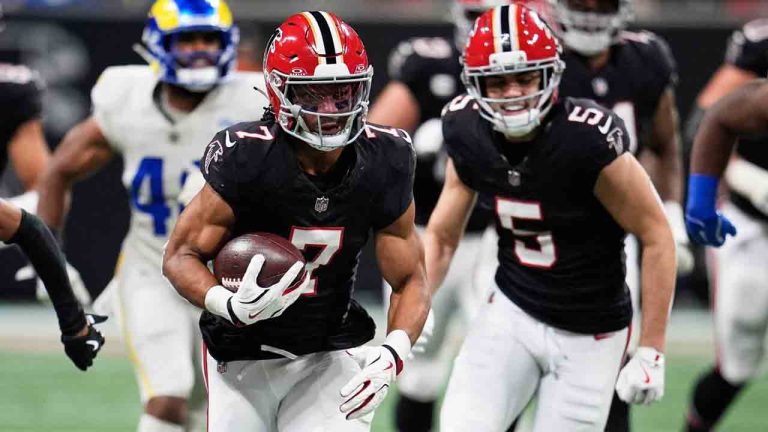
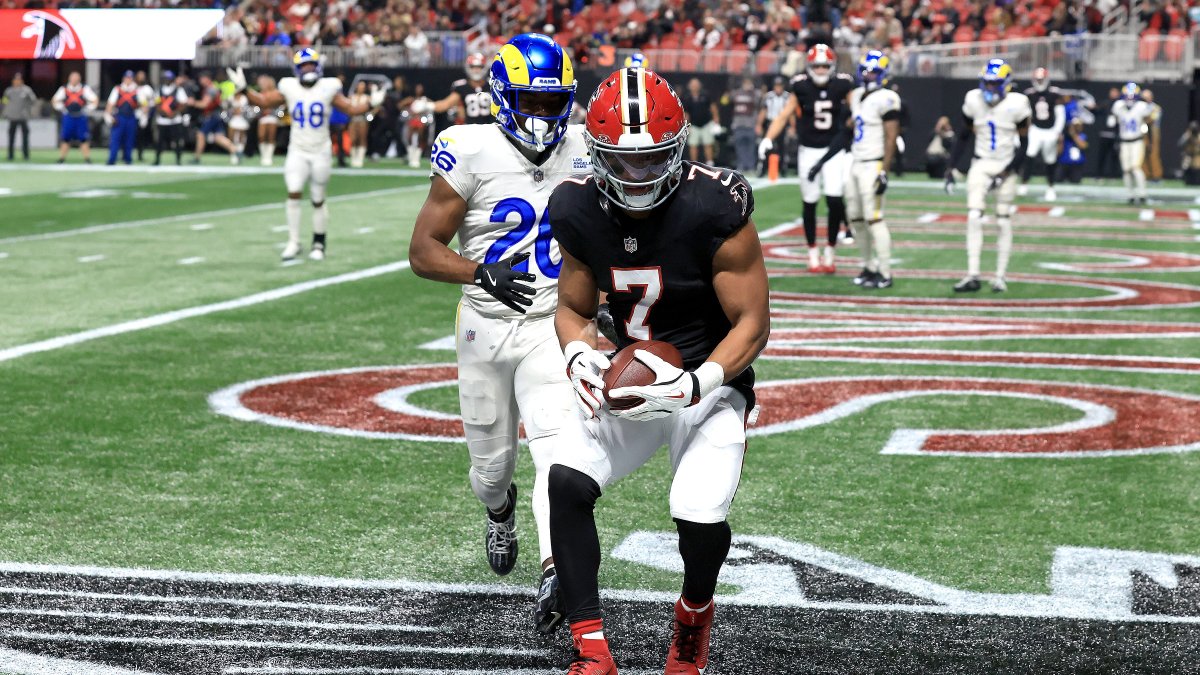
Bijan Robinson's standout performance emerges as a critical narrative thread, with the running back accumulating an impressive 195 rushing yards and a touchdown. This individual brilliance underscores a fundamental sports management principle: strategic potential often lies beyond aggregate team statistics. The Falcons' coaching staff, led by Raheem Morris and defensive coordinator Jeff Ulbrich, crafted a defensive strategy that systematically neutralized the Rams' high-powered offense through sophisticated zone coverage and calculated base rushes.
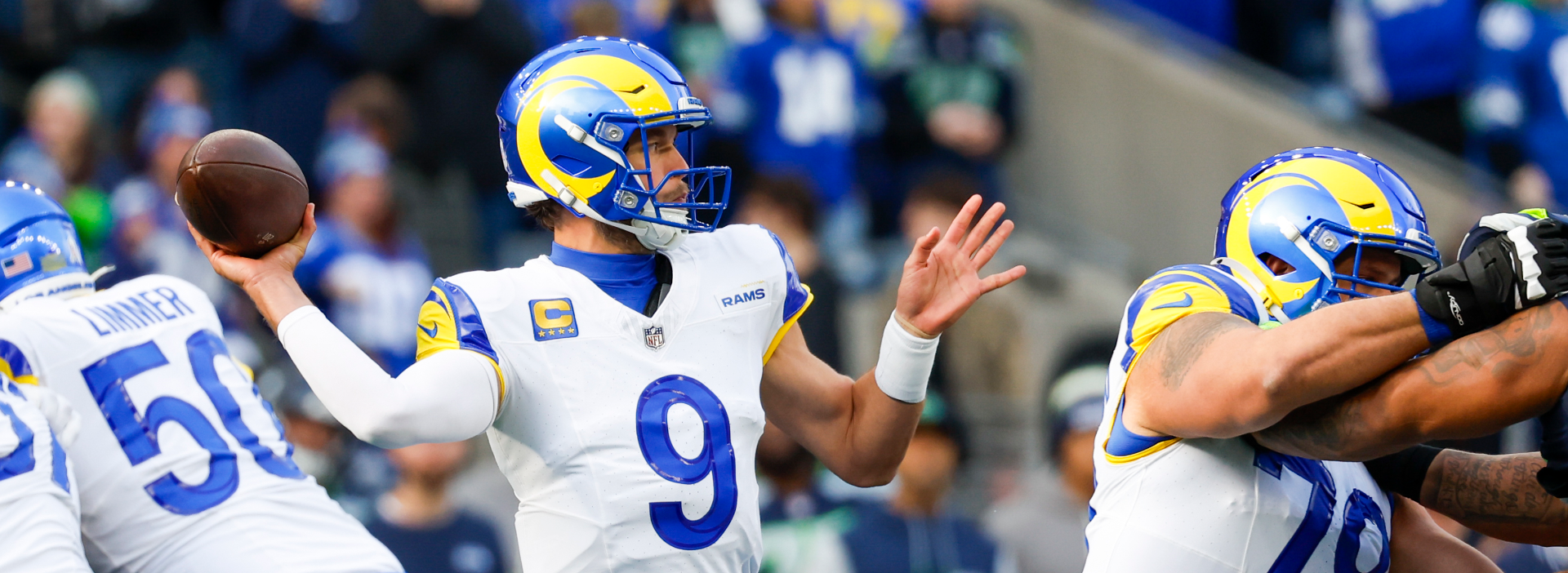
The game's deeper significance lies in its illustration of strategic adaptability. The Falcons, despite their underwhelming season record, demonstrated an ability to excel under high-pressure, prime-time conditions. This suggests that organizational resilience is not solely determined by win-loss ratios but by the capacity to strategically recalibrate tactics, leverage individual talent, and maintain competitive intensity. Matthew Stafford's disrupted gameplay further emphasizes how tactical preparation can decisively influence match dynamics.
Ultimately, this Monday Night Football encounter reveals that sports performance is a complex interplay of individual skill, strategic planning, and psychological resilience. The Falcons' victory serves as a compelling case study in transforming potential into tangible competitive advantage, challenging simplistic narratives about team capabilities and highlighting the nuanced art of strategic sports management.
Questions 3
What strategic lessons can be learned from the Falcons' Monday Night Football performance?
The game illustrates that organizational success depends on more than aggregate statistics. Strategic adaptability, individual talent optimization, and psychological resilience are crucial factors that can help teams overcome systemic challenges and compete effectively.
How did the Falcons overcome their poor season record to win this crucial game?
The Falcons leveraged strategic defensive tactics and Bijan Robinson's exceptional individual performance. By implementing sophisticated zone coverage and disrupting the Rams' offensive rhythm, they transformed their season-long challenges into a decisive prime-time victory.