

College Football's High-Stakes Performance Management Reveals Organizational Decision-Making Dynamics
- Strategic Leadership Transitions Highlight Performance Accountability in Competitive Environments








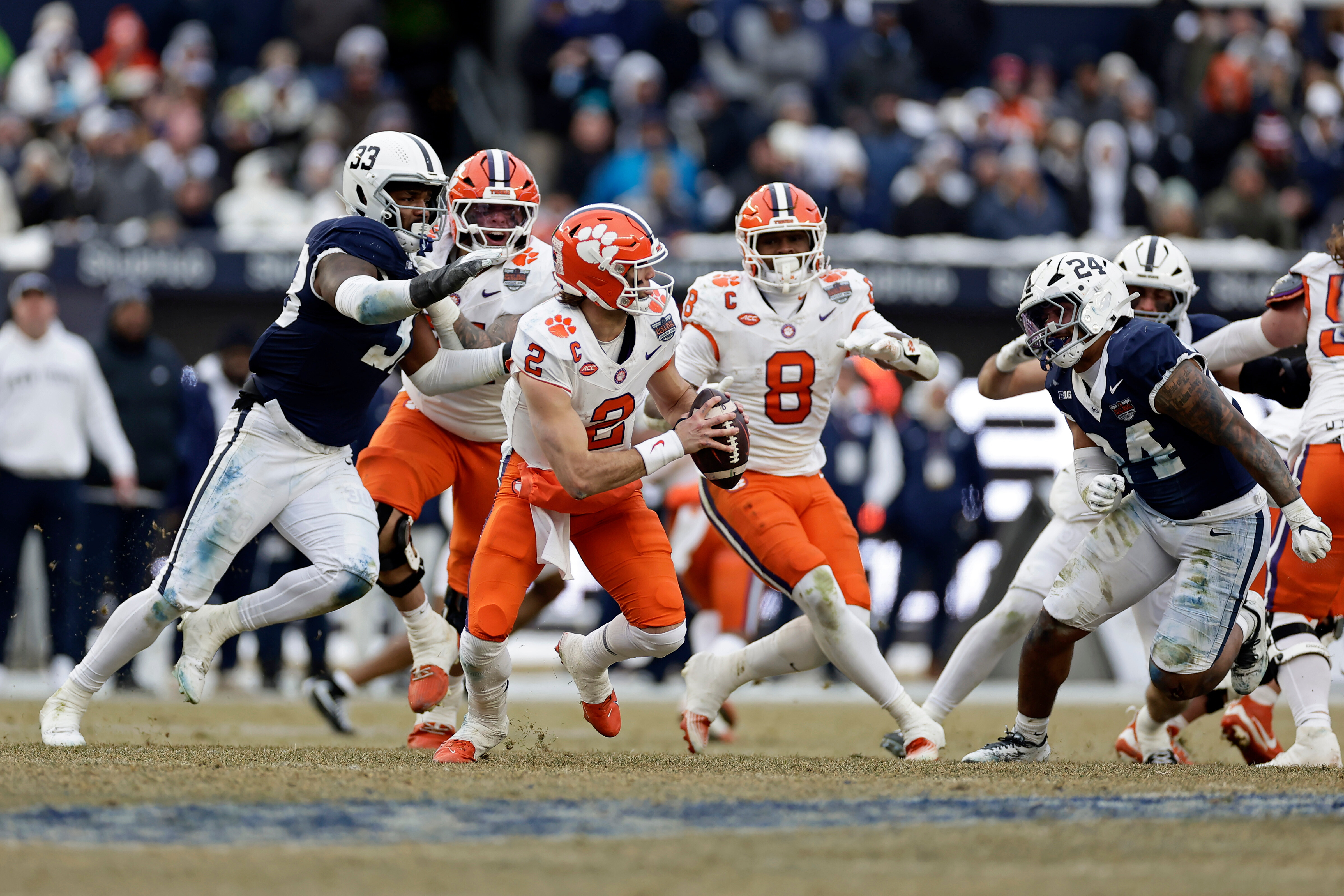


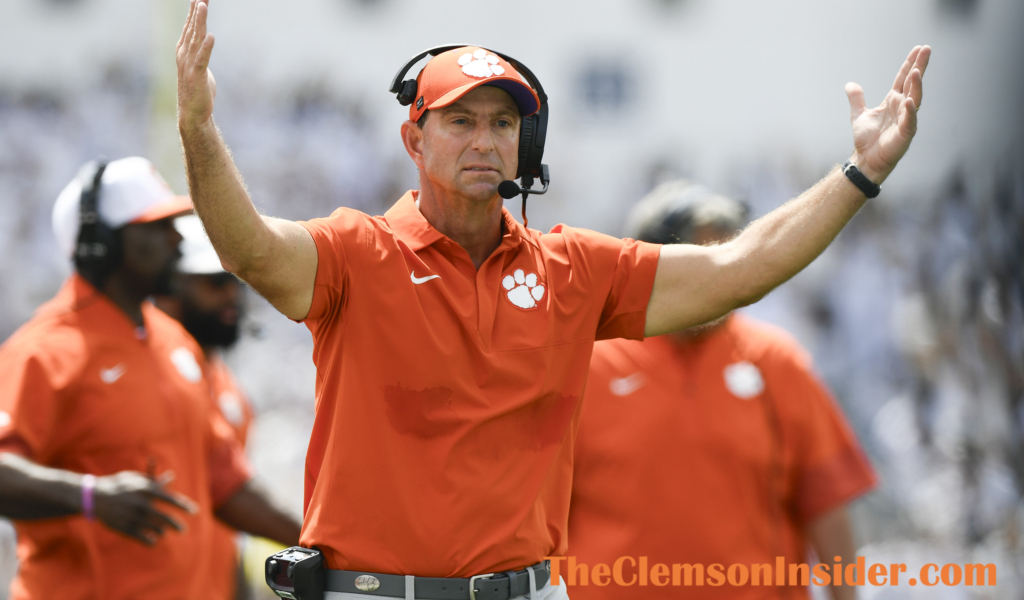



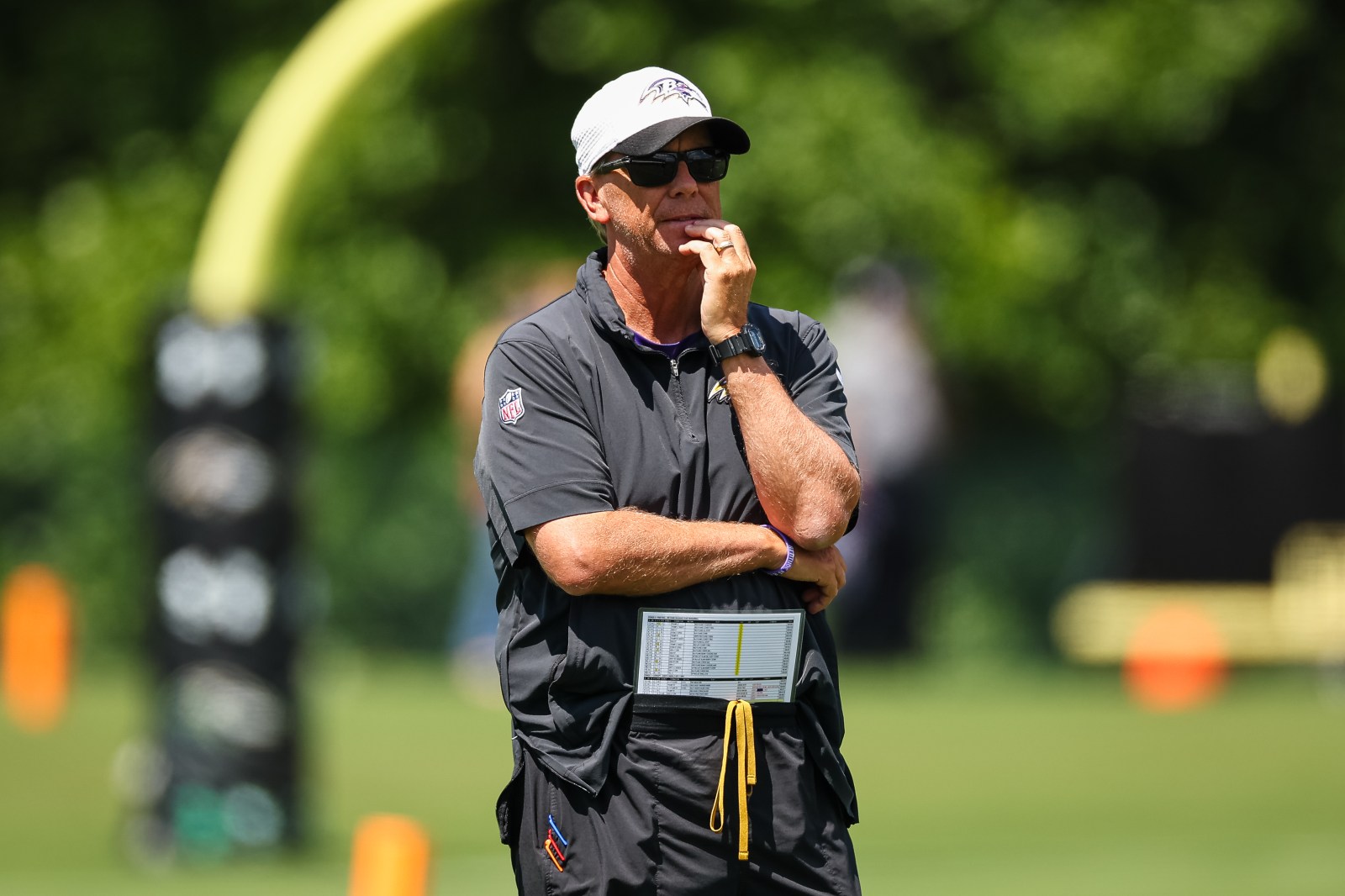
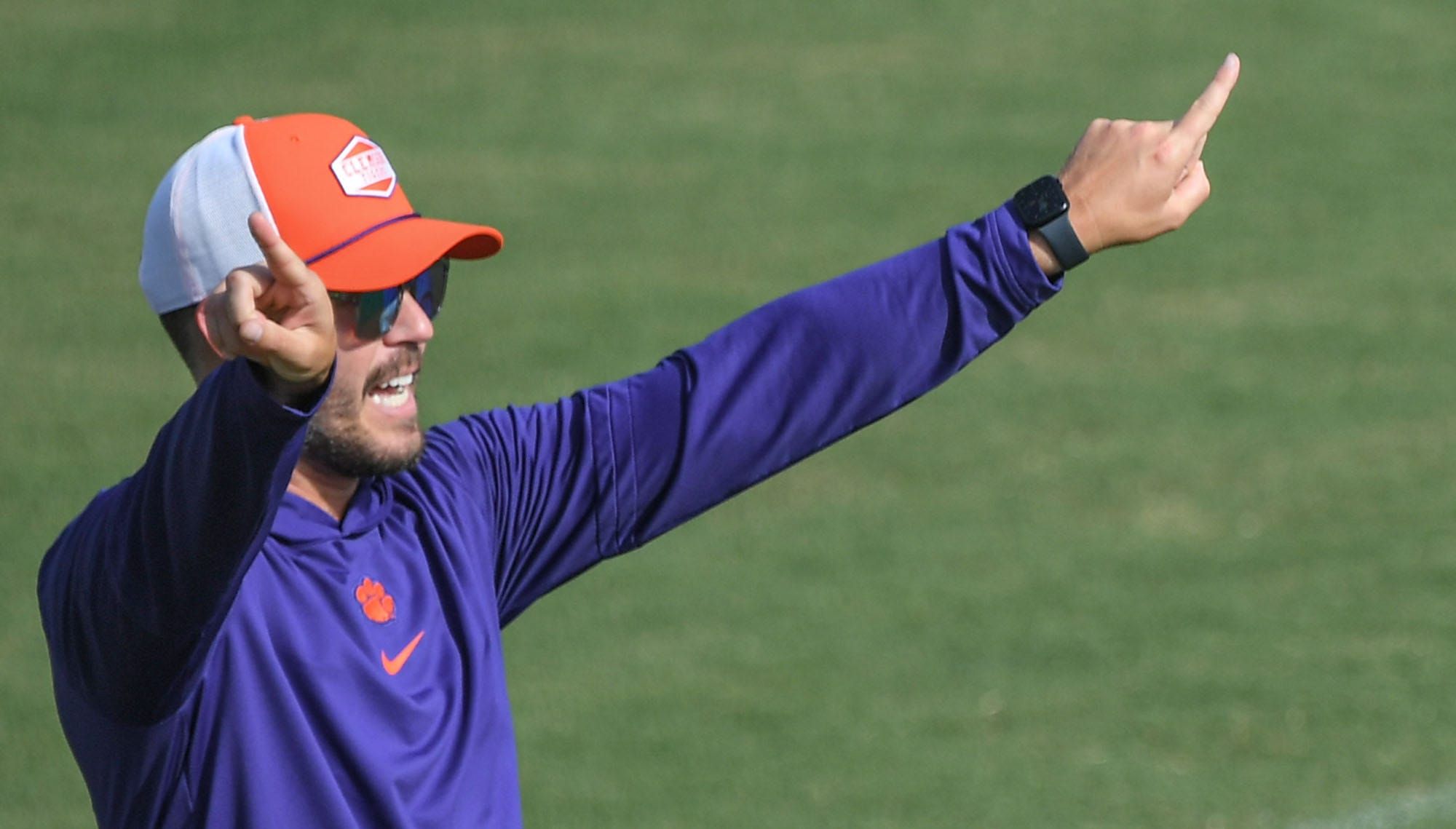
















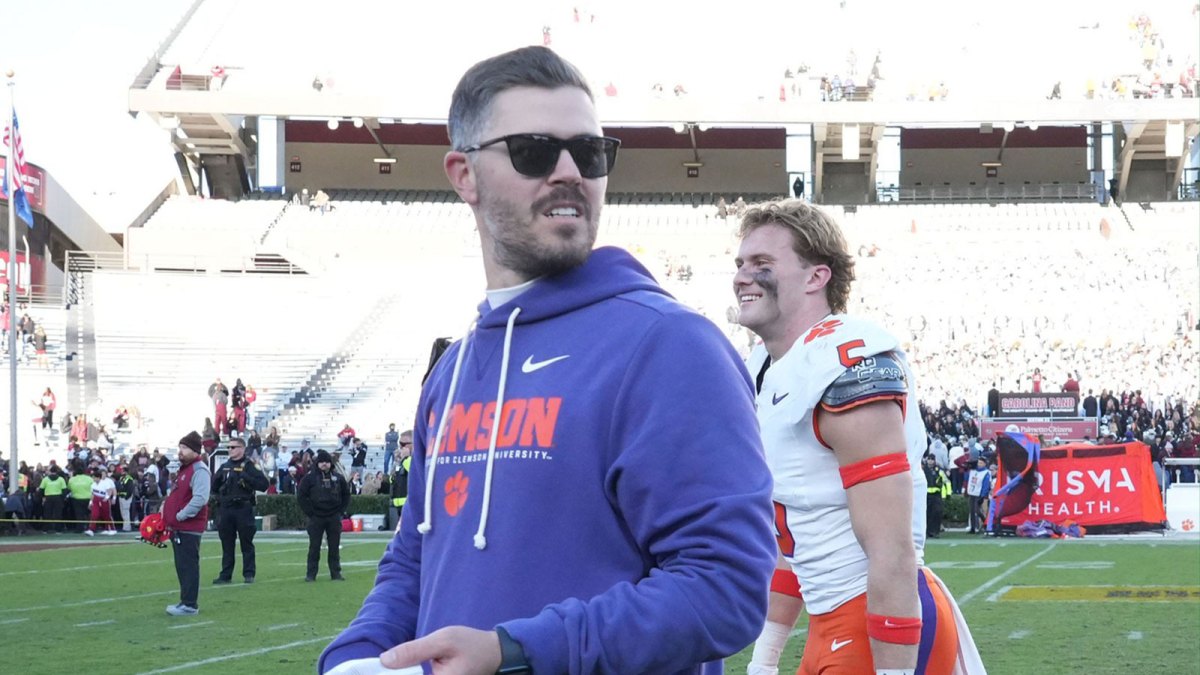

Overview
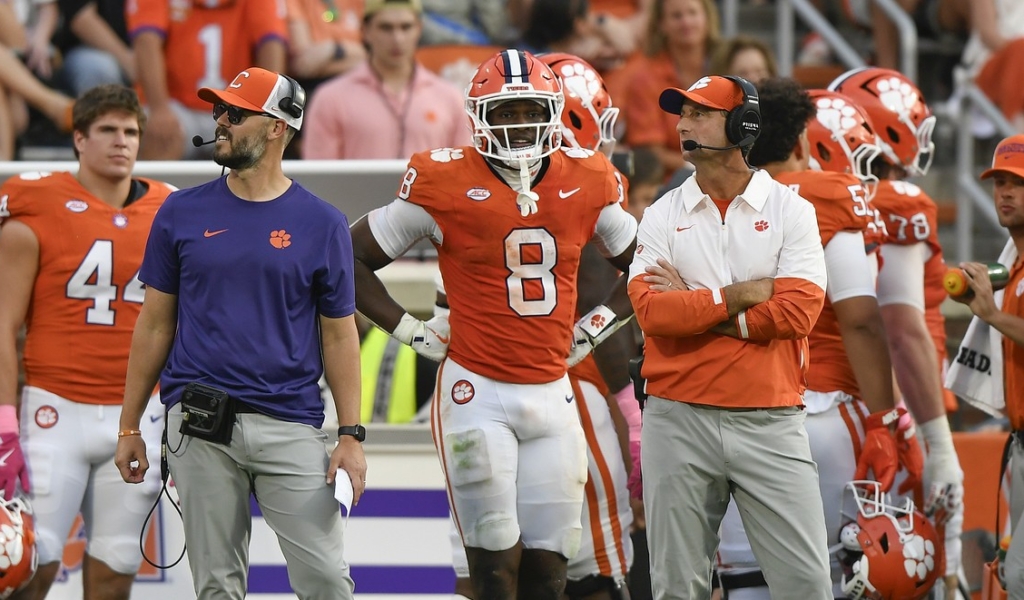
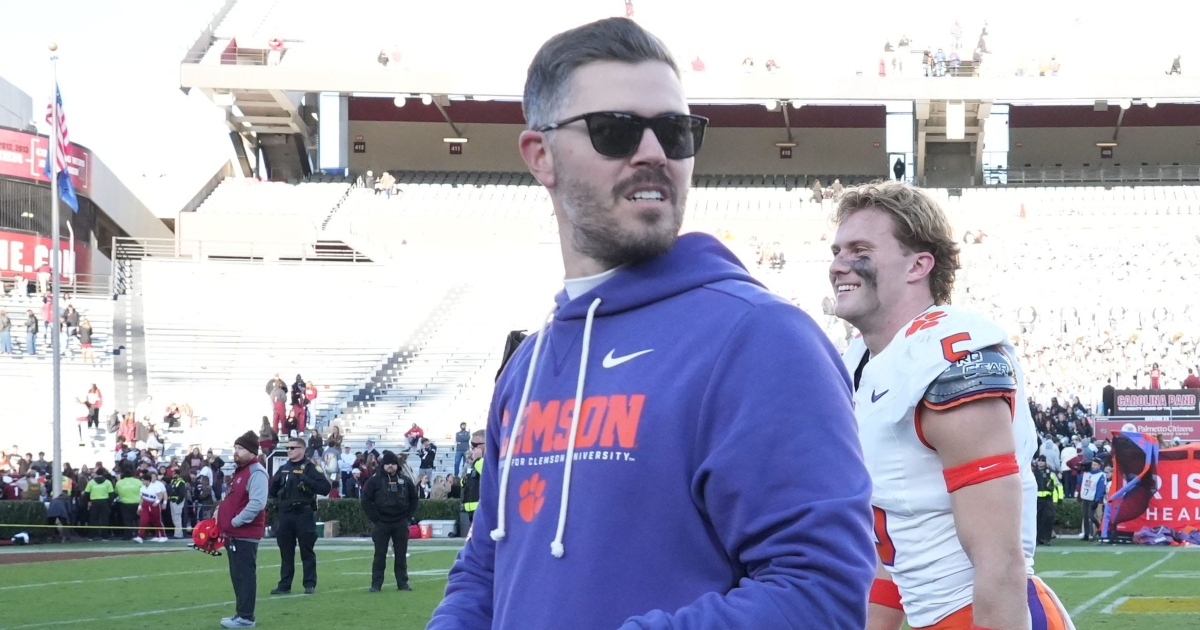
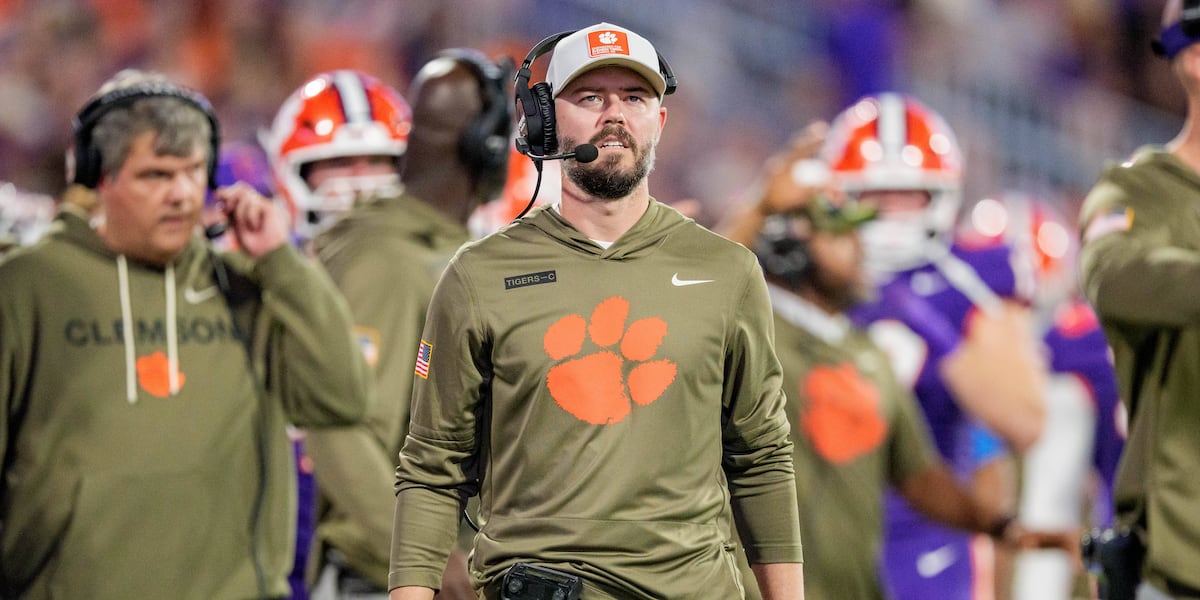
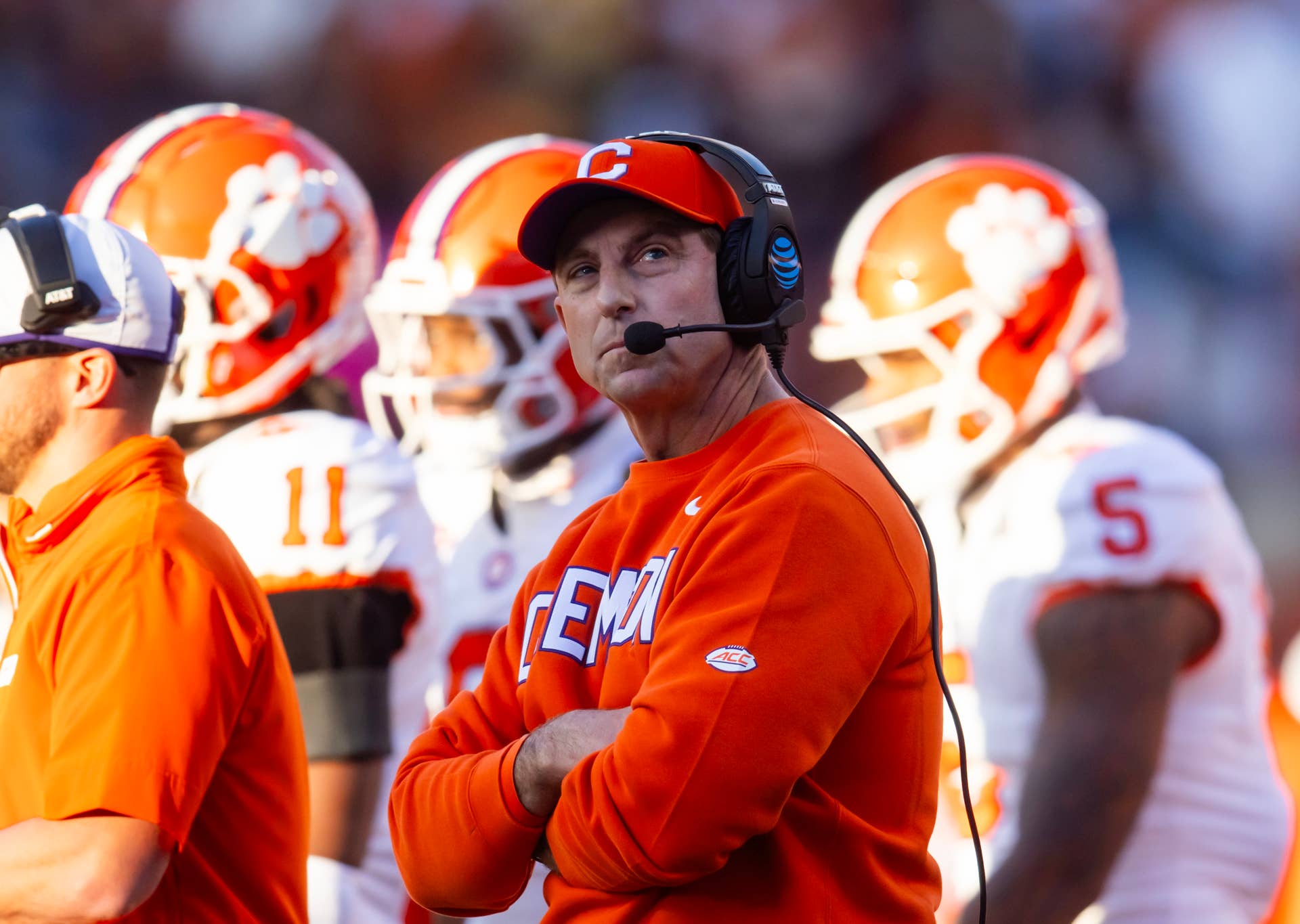
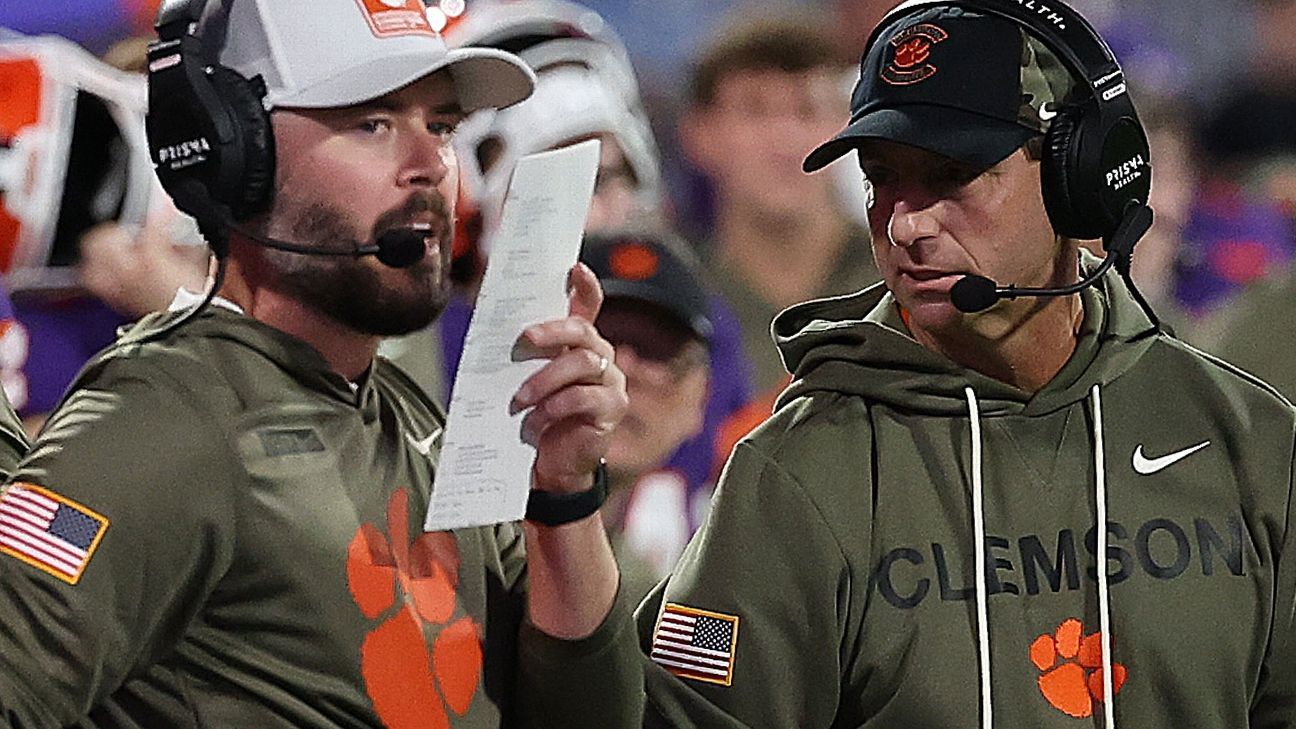
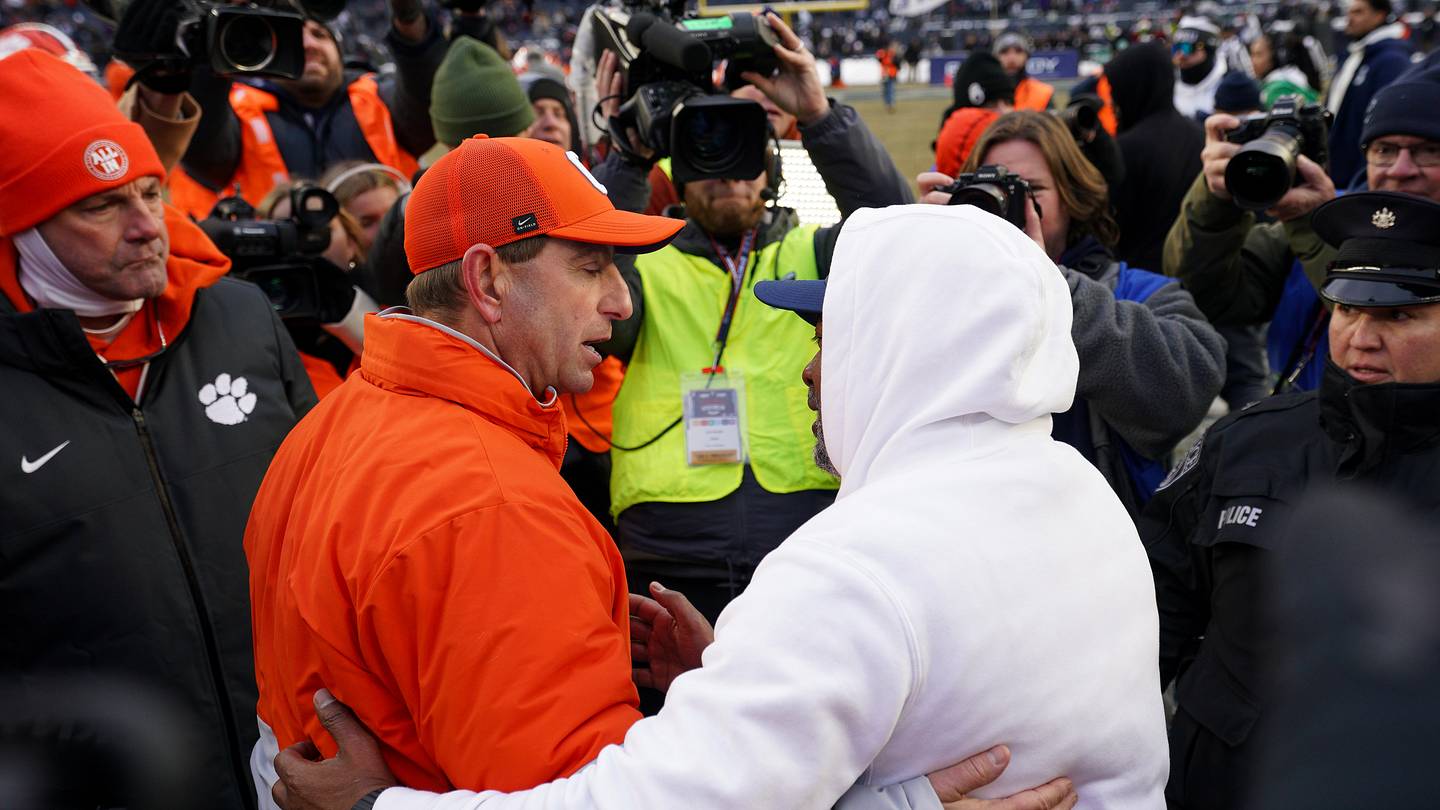
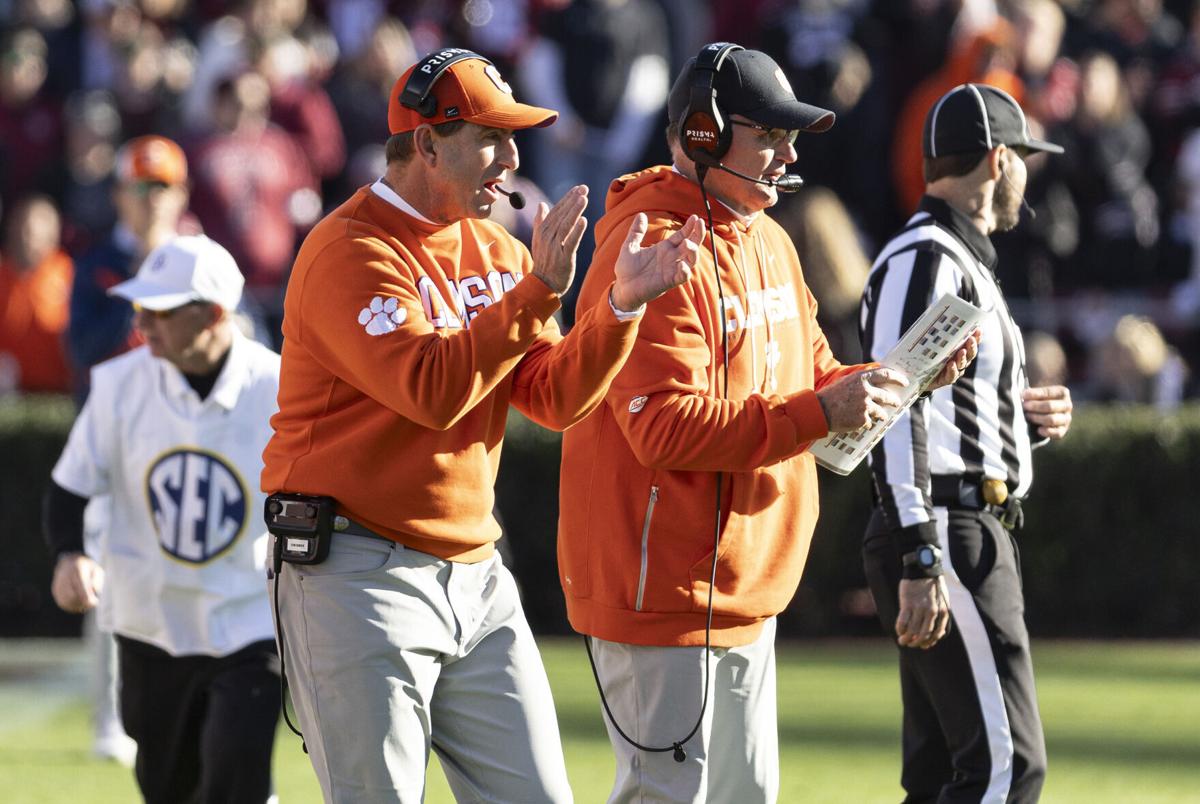
In the high-pressure world of collegiate athletics, performance management has emerged as a critical lens for understanding organizational decision-making. The recent departure of Garrett Riley from Clemson University's football program illustrates the razor-thin margins between success and replacement in competitive environments.
Riley's trajectory reveals a nuanced narrative of professional volatility. Despite initial promise—averaging 29.8 points in 2023 and improving to 34.7 points in 2024—his offensive unit's performance dramatically regressed to 27.2 points in 2025, plummeting from 18th to 70th in FBS rankings. This decline triggered a decisive leadership intervention by head coach Dabo Swinney, resulting in Riley's termination and a complex $3.5 million buyout scenario.
The case study demonstrates how organizations navigate high-stakes personnel decisions. Riley's exit wasn't merely about statistical performance but represented a strategic recalibration. By swiftly addressing underperformance, Swinney signaled an uncompromising commitment to excellence. The multiple potential buyout scenarios—ranging from $875,000 to complete elimination based on Riley's next professional move—underscore the intricate financial and professional chess match underlying such transitions.
Moreover, the subsequent search for a new offensive coordinator, considering candidates from diverse programs like Duke, Tennessee, and Penn State, highlights the sophisticated talent acquisition strategies in competitive domains. Coach Swinney's methodical approach to candidate evaluation reflects a broader organizational principle: continuous improvement through strategic talent management.
While this narrative emerges from collegiate football, it resonates across professional landscapes. The core lesson transcends sports: organizations must balance patience with performance accountability, making data-driven decisions that align talent with strategic objectives.
Questions 3
What triggered Garrett Riley's departure from Clemson?
Riley's offensive unit performance declined significantly, dropping from 18th to 70th in FBS rankings in 2025. This regression, despite having experienced players, led head coach Dabo Swinney to terminate his contract after three seasons.
How complex are the financial implications of Riley's termination?
The termination involves a $3.5 million buyout with nuanced mitigation options. If Riley takes an assistant college job, he owes Clemson $875,000, while a head coaching or NFL position could eliminate the buyout entirely.