


Sports Media Transformation Signals Deeper Digital Storytelling Evolution
- Emerging narrative strategies reshape how athletic transitions and team dynamics are communicated in the digital age
















Overview
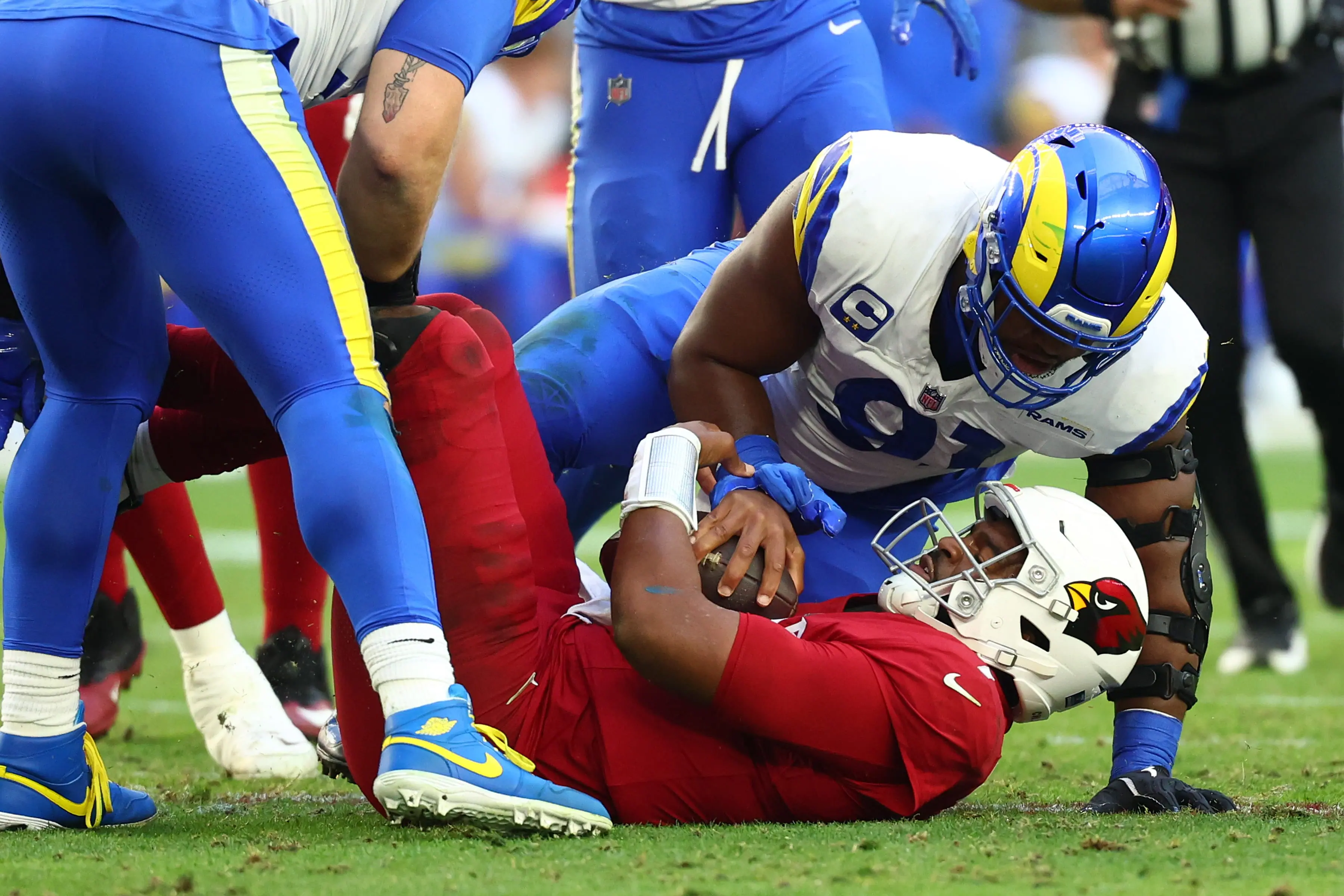
The landscape of sports media is undergoing a profound metamorphosis, with the Arizona Cardinals' recent quarterback transition serving as a microcosm of broader digital storytelling trends. While the specific news item about the team's performance might seem mundane, it reveals critical insights into how sports narratives are constructed and consumed in an increasingly fragmented media ecosystem.
Digital narrative complexity is emerging as teams and media outlets move beyond traditional game reporting. The "yawn" descriptor in the Cardinals' story suggests a nuanced communication strategy where emotional and strategic transitions are as important as statistical performance. This signals a shift from pure athletic performance reporting to more holistic, context-rich storytelling that captures the human dimensions of sports transitions.
Media adaptation strategies are becoming increasingly sophisticated. The post-Kyler Murray era narrative demonstrates how sports organizations are learning to manage public perception during potentially challenging transitions. By framing the change as a "new era" rather than a crisis, teams are developing more resilient communication approaches that maintain fan engagement and organizational momentum.
The underlying trend points to a strategic communication revolution in sports media. Traditional play-by-play reporting is giving way to multi-dimensional narratives that blend athletic performance, personal journeys, organizational strategy, and emotional resonance. This approach recognizes that modern audiences seek deeper, more contextual understanding of sports ecosystems.
For media professionals, content creators, and sports organizations, this represents a critical inflection point. The ability to craft compelling, nuanced narratives that transcend simple game statistics will become a key competitive advantage in maintaining audience attention and emotional investment.
Questions 3
How are sports media narratives changing in the digital age?
Sports media is moving from pure performance reporting to more holistic storytelling that captures emotional and strategic transitions. This involves creating multi-dimensional narratives that blend athletic performance, personal journeys, and organizational context.
Why are communication strategies becoming more complex for sports teams?
Teams recognize that managing public perception during transitions is crucial. By crafting nuanced narratives that explain changes strategically, they can maintain fan engagement, organizational momentum, and control the storytelling around potentially challenging periods.