



UK Defense Spending Surge & European Supply Chain Acceleration | Cross-Border Seller Opportunities
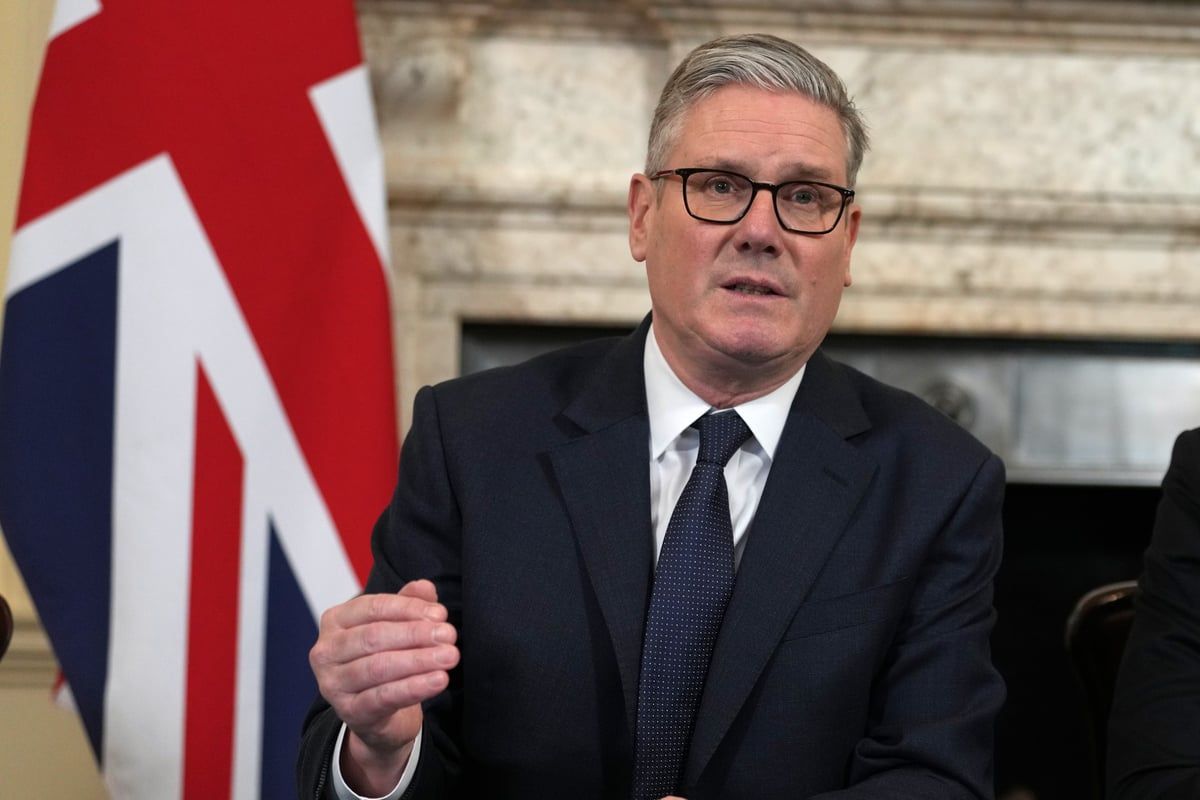
- £20M UK infrastructure investment triggers European defense industry expansion, creating B2B export opportunities for industrial suppliers and logistics providers serving 70+ multinational force personnel


























Overview
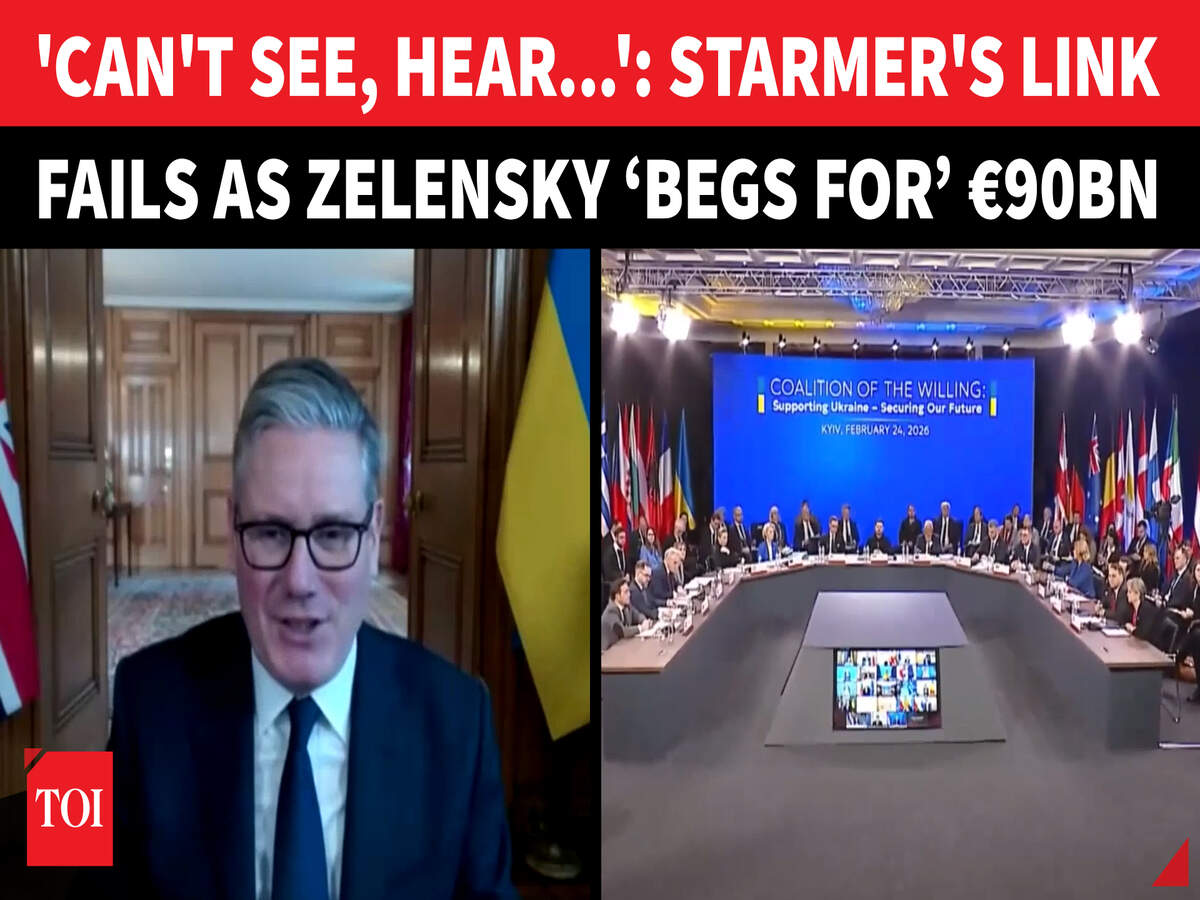
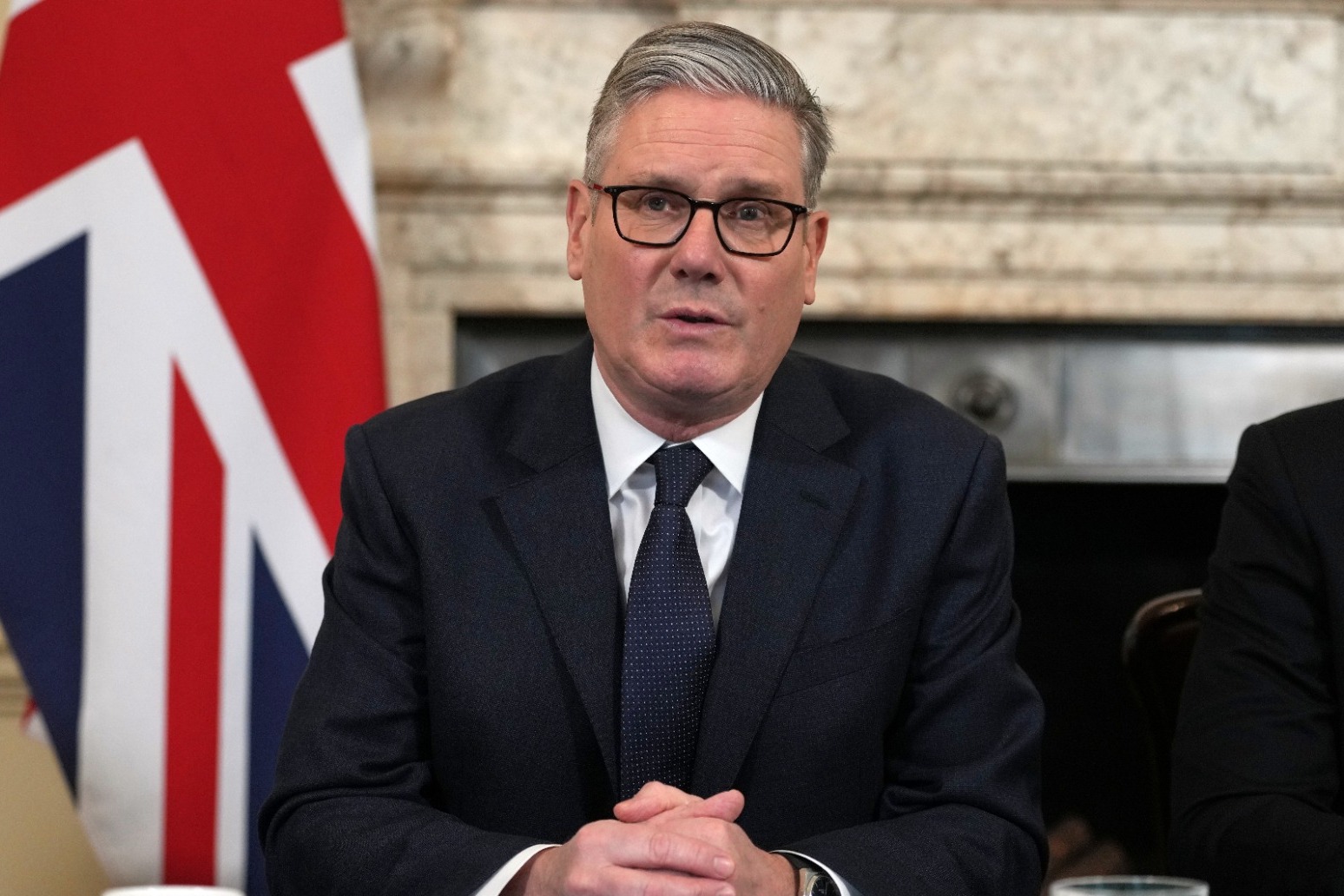
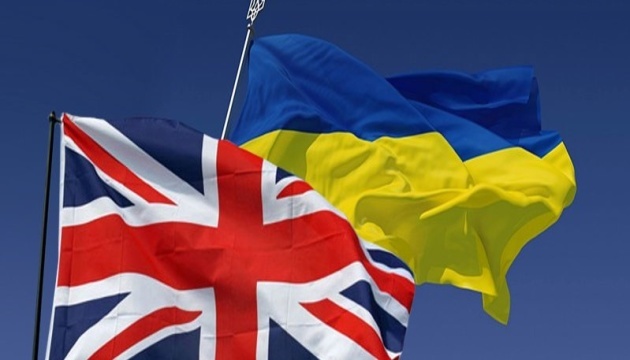
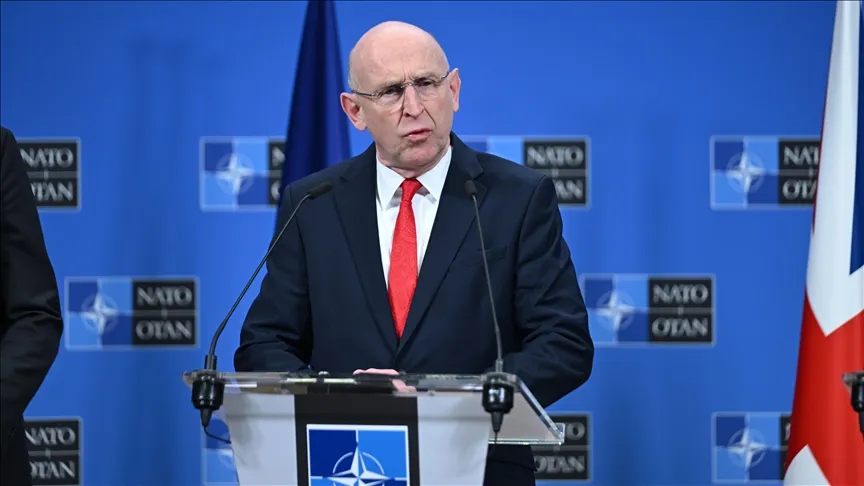
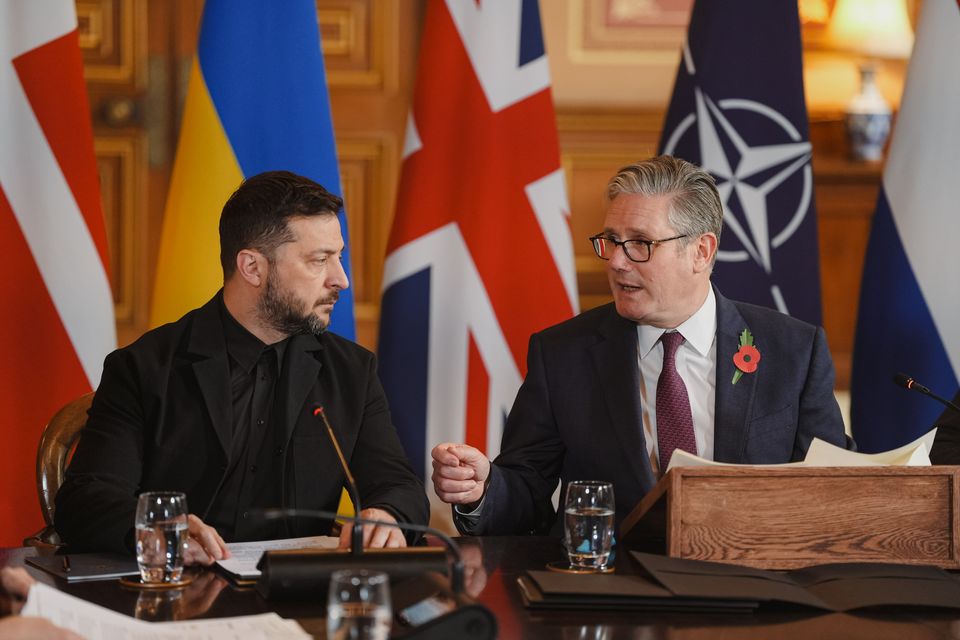
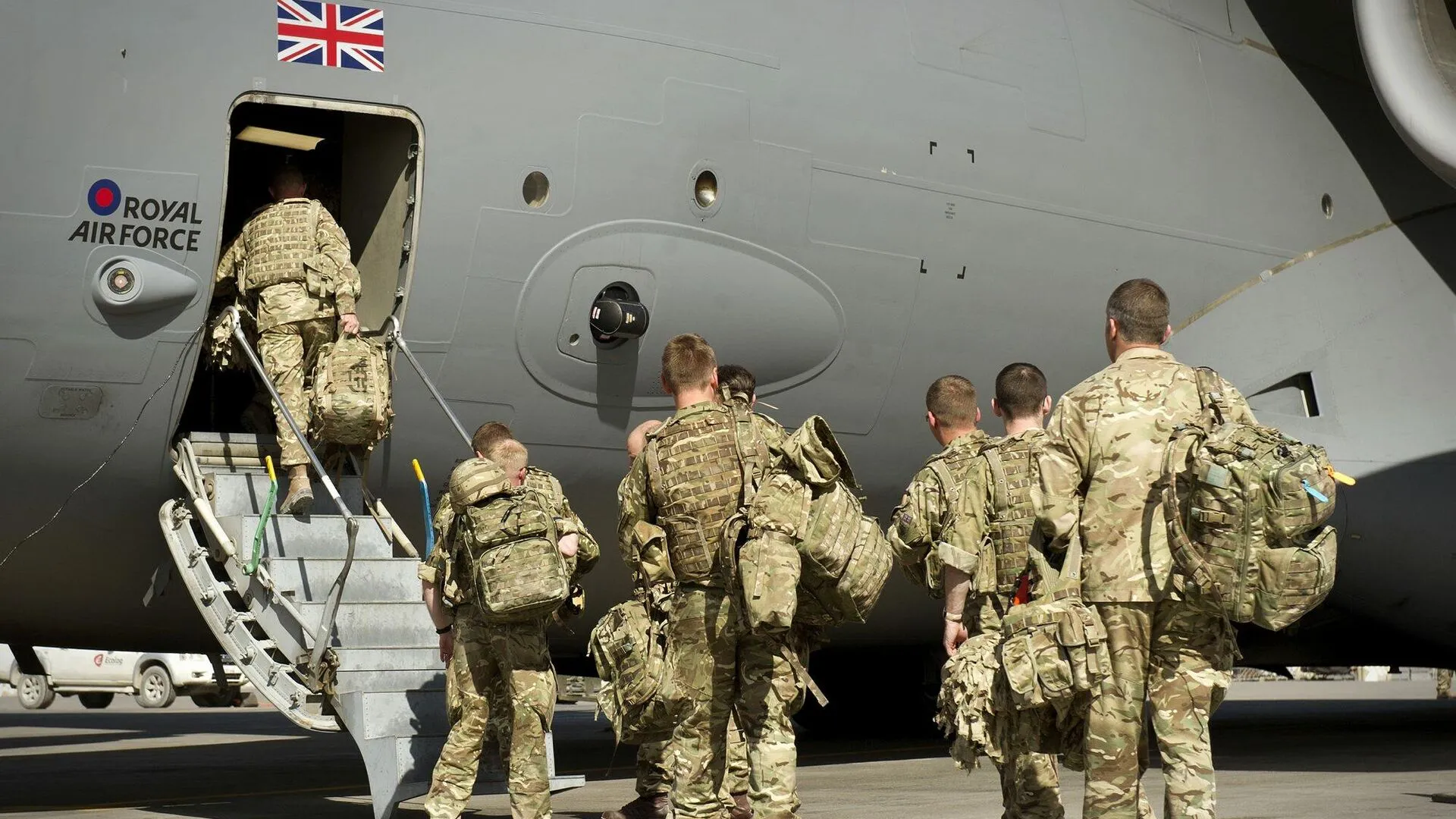
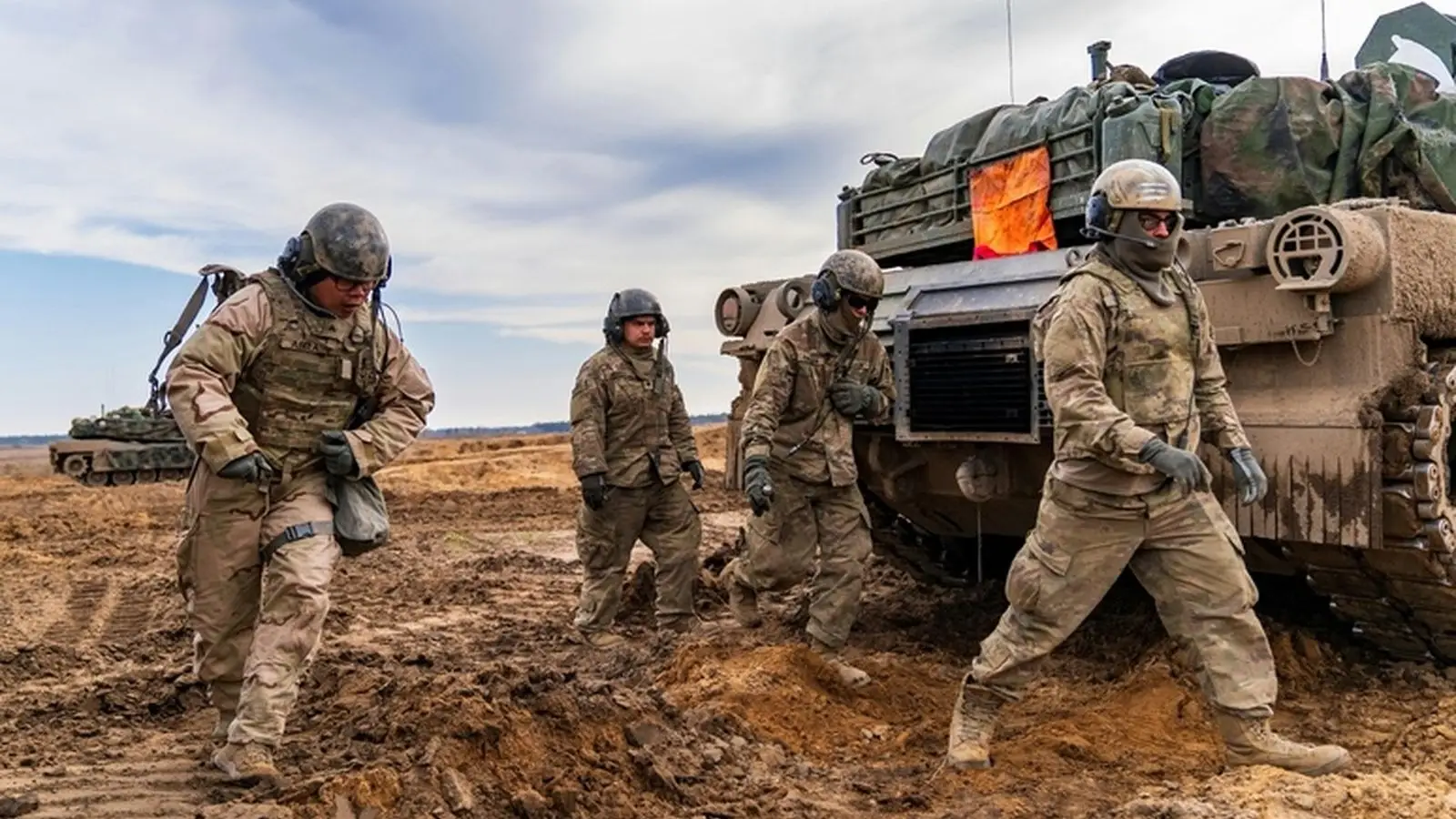
The UK's £20 million commitment to Ukraine energy infrastructure repairs and the establishment of a 70-person Multinational Force Ukraine initiative headquartered in Paris signals a major acceleration in European defense industry supply chains. This geopolitical shift creates significant cross-border e-commerce opportunities for sellers in industrial equipment, logistics services, and specialized components categories. Defence Minister Al Carns explicitly noted that "European defense industries are accelerating to boost supply chains and weapons delivery," indicating sustained procurement demand across multiple product verticals.
Supply Chain Acceleration Opportunities: The multinational force coordination requires rapid procurement of industrial equipment, power generation components, and logistics infrastructure. Sellers specializing in industrial generators, electrical components (HS codes 8501-8540), and power distribution equipment face increased B2B demand from European manufacturers ramping production. The £20M emergency repair allocation suggests immediate procurement windows for specialized contractors and equipment suppliers. Sellers with existing relationships in UK and French industrial sectors can capitalize on accelerated government procurement cycles, which typically operate on 60-90 day approval timelines versus standard 120-180 day commercial cycles.
Logistics & Fulfillment Market Expansion: The Paris-based multinational force coordination hub creates demand for logistics optimization, warehousing, and cross-border fulfillment services. European 3PL providers and logistics software sellers should position offerings around rapid deployment capabilities. UK-based sellers can leverage proximity advantages to serve the expanded defense procurement ecosystem, while sellers in Germany, Poland, and France face increased local demand for supply chain services supporting weapons and equipment delivery.
Tariff & Trade Policy Implications: The article notes "stalled peace negotiations" and ongoing conflict, which typically trigger temporary tariff exemptions and expedited customs procedures for humanitarian and defense-related goods. Sellers should monitor UK and EU customs authorities for emergency tariff classifications (HS codes 8704-8706 for military vehicles, 8803-8805 for aircraft components) that may receive preferential treatment. The multinational force structure suggests potential for duty-free procurement corridors between UK, France, and allied nations—creating arbitrage opportunities for sellers routing goods through these channels.
Competitive Advantage Window: The 4-year conflict anniversary and sustained Western commitment signal this is not a temporary procurement spike. Sellers establishing supply relationships now with European defense contractors and government procurement offices can lock in multi-year contracts before larger competitors mobilize. The "summer offensive" timeline mentioned suggests Q2-Q3 2026 procurement peaks, creating a 90-120 day window for sellers to position inventory and establish vendor relationships.
Questions 8
How should sellers prepare for potential tariff changes as peace negotiations progress?
The article notes 'stalled peace negotiations' with 'limited progress on ceasefire terms,' indicating prolonged conflict and sustained procurement demand. However, sellers should prepare contingency plans for tariff normalization if peace agreements emerge. Current emergency tariff exemptions for defense goods may expire within 6-12 months post-conflict. Recommended actions: (1) Lock in multi-year government contracts now to secure pricing before tariff normalization, (2) Diversify supplier base across UK, EU, and allied nations to optimize tariff exposure, (3) Monitor UK Customs and EU TARIC databases for tariff classification changes, (4) Consider establishing manufacturing or assembly operations in UK/EU to reduce tariff exposure. The article mentions 'Britain and France's recent declaration to send troops if a peace agreement is reached,' suggesting peace could arrive within 12-18 months. Sellers should front-load procurement and establish long-term contracts during this high-demand window to lock in favorable terms before tariff environment normalizes.
What compliance and certification requirements apply to defense-related exports?
Defense-related exports to UK and European markets require NATO STANAG (Standardization Agreement) certifications for certain product categories, particularly military vehicles (HS 8704-8706) and aircraft components (HS 8803-8805). Industrial equipment and power generation systems typically require standard export documentation and EU CE marking compliance. Sellers should verify specific requirements through UK Defence Procurement Authority and French procurement offices. Compliance complexity is moderate: most industrial equipment requires standard export licenses (ECML) rather than military export licenses (OIEL). Processing timelines: 30-45 days for standard export licenses, 60-90 days for military classifications. Sellers without NATO certifications can partner with certified distributors or contract manufacturers to access this market. Estimated compliance costs: £2,000-5,000 for initial certifications, £500-1,000 annually for maintenance. Begin certification process immediately to meet Q2 2026 procurement deadlines.