



Meta's $100B+ AMD GPU Deal Signals AI Infrastructure Boom | Seller Opportunity Window
- Meta commits 6GW AMD GPU capacity by 2026, breaking Nvidia's 90% market dominance; sellers gain access to cheaper AI tools for product optimization, pricing automation, and customer analytics within 18-24 months





























Overview
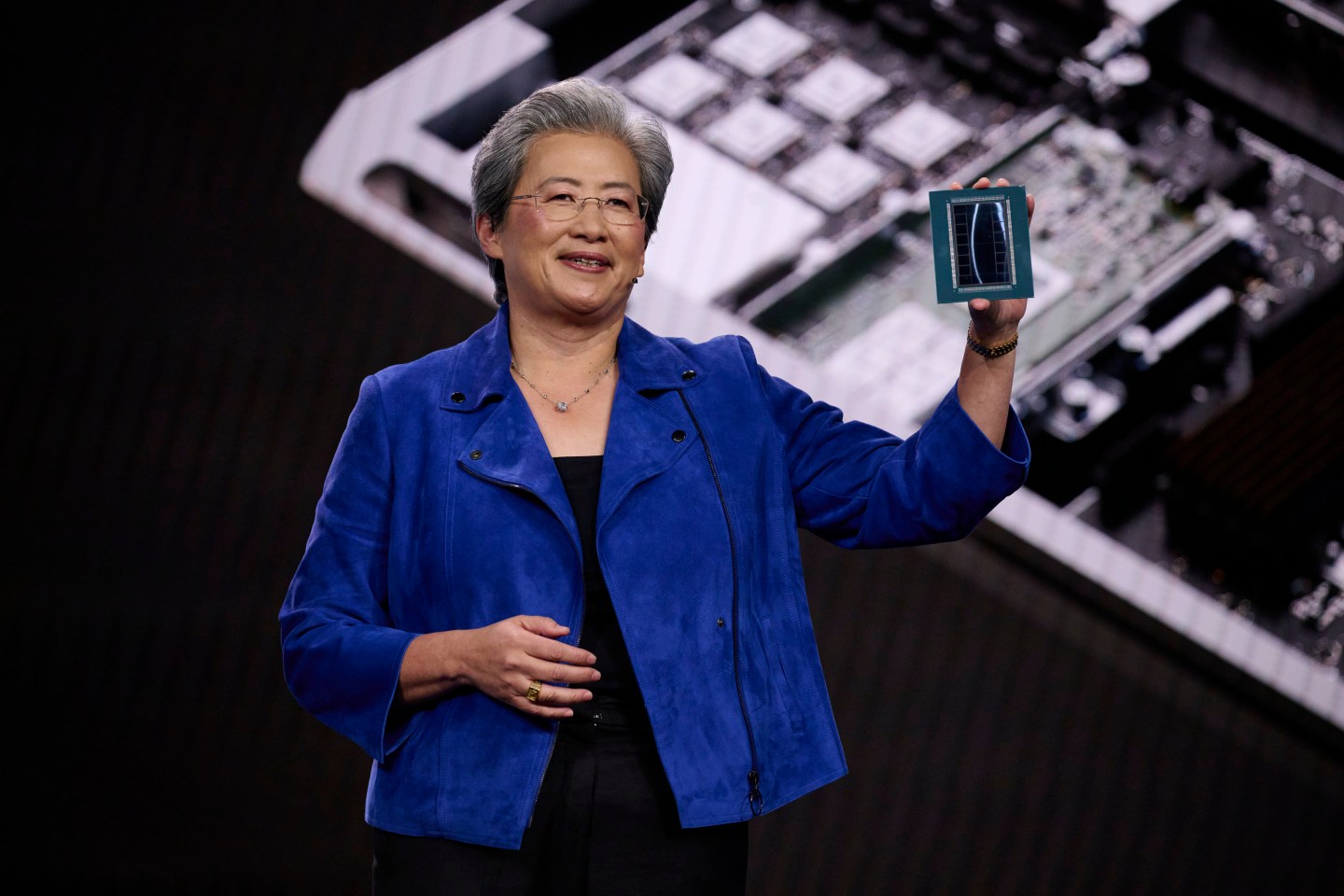
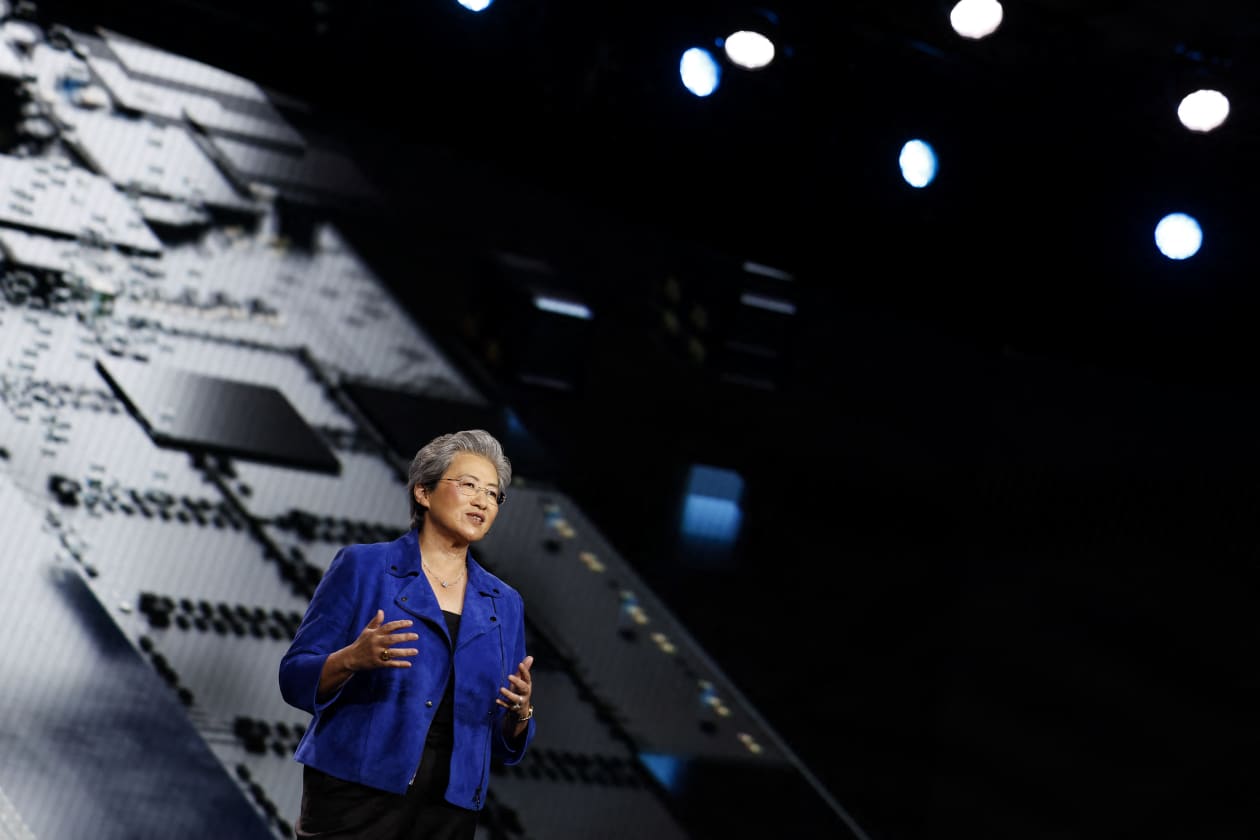
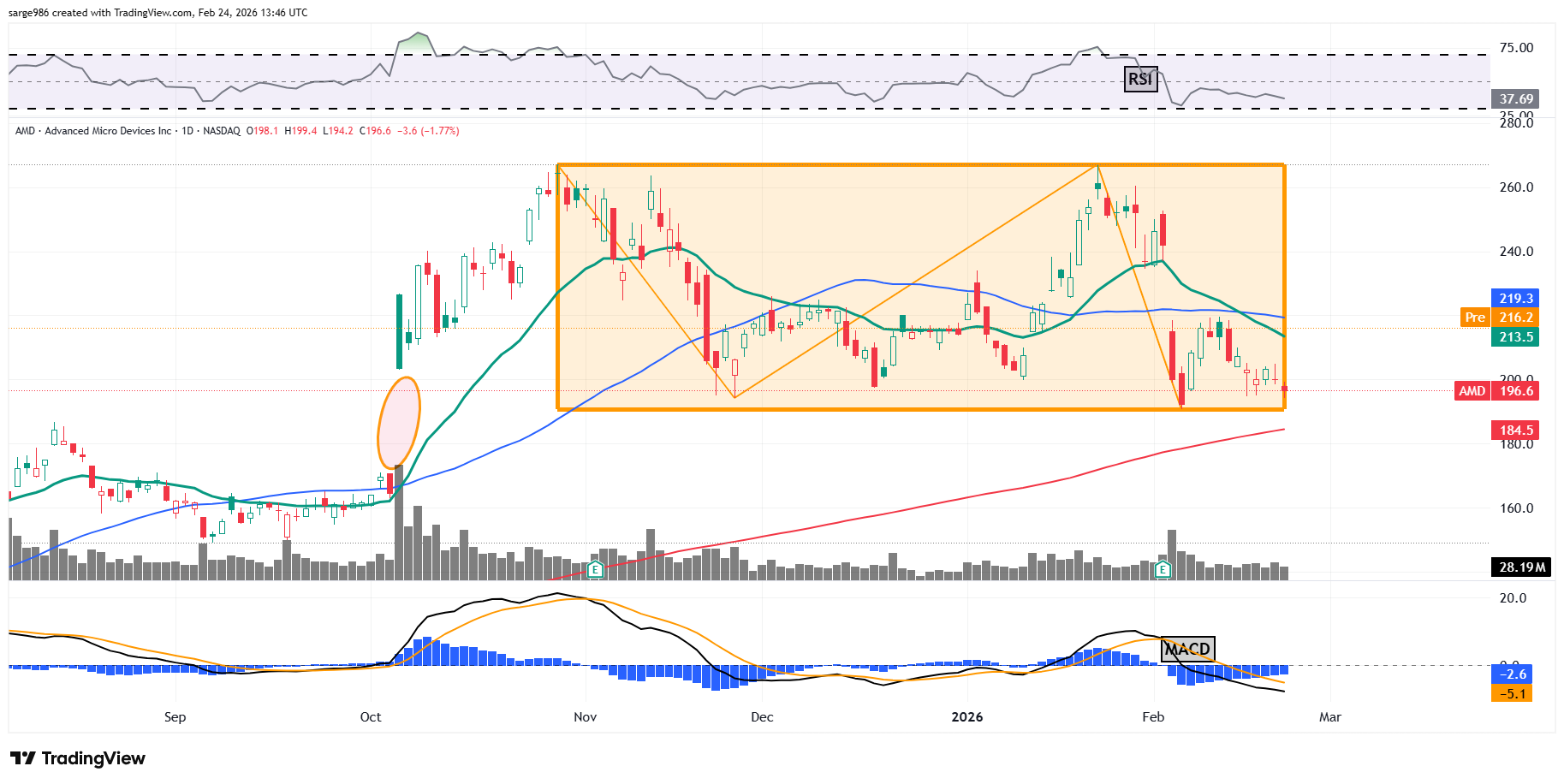
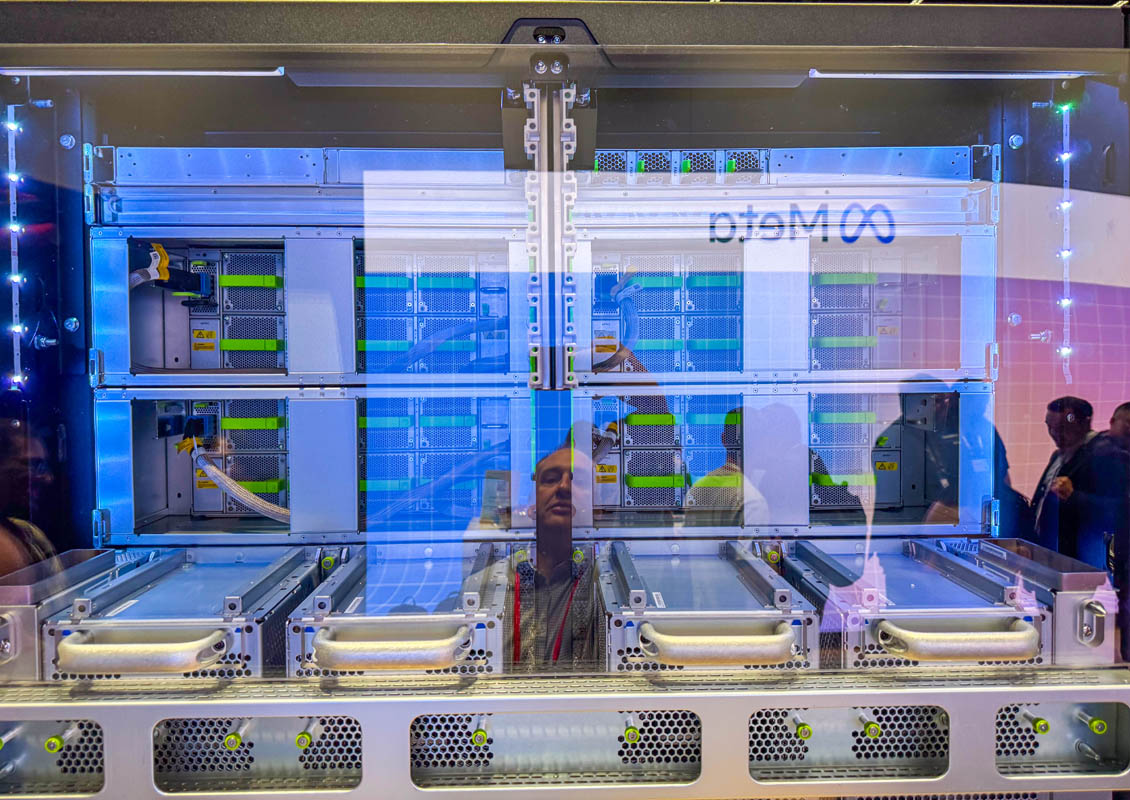
Meta's landmark $100+ billion artificial intelligence infrastructure deal with AMD, announced February 24, 2026, represents a watershed moment for e-commerce sellers seeking affordable AI-powered business tools. The agreement commits Meta to deploying 6 gigawatts of AMD's MI450 GPUs across its data centers, with early shipments beginning later in 2026. This dual-vendor strategy—announced just one week after Meta committed to deploying millions of Nvidia processors—directly challenges Nvidia's 90% market dominance (valued at $4.66 trillion) while positioning AMD ($320 billion valuation) as a credible alternative. The deal structure includes a performance-based warrant allowing Meta to acquire 160 million AMD shares (approximately 10% ownership), with vesting tied to GPU shipment milestones starting at 1GW and reaching 6GW.
For cross-border e-commerce sellers, this development unlocks three critical automation opportunities within 18-24 months. First, increased GPU competition will drive down cloud computing costs for AI-powered seller tools—inventory management systems, dynamic pricing engines, and customer service chatbots currently costing $500-2,000/month per seller could drop 15-25% as AMD gains market share. Second, Meta's $135 billion 2025 capital expenditure commitment signals accelerated development of AI-driven advertising algorithms and product recommendation systems on Facebook and Instagram, the primary sales channels for millions of cross-border sellers. Enhanced targeting precision could improve conversion rates by 8-12% for sellers already running Meta ads. Third, the deal validates AMD's customized GPU approach versus Nvidia's standard offerings, enabling platform developers to build specialized AI tools for specific e-commerce use cases—inventory forecasting, fraud detection, and logistics optimization—that were previously cost-prohibitive.
The competitive landscape shift creates immediate automation wins for sellers willing to adopt emerging AI tools. Industry analyst Ben Bajarin estimates the deal's value at tens of billions over at least four years, with 6GW deployment requiring substantial time investment. However, early adopters can leverage this transition period: sellers implementing AI-powered dynamic pricing tools (like Repricing software powered by AMD infrastructure) could capture 3-5% margin improvements before competitors catch up. Similarly, sellers automating customer service through AI chatbots powered by Meta's enhanced infrastructure could reduce support costs by 30-40% while improving response times from 2-4 hours to under 5 minutes. The deal also signals that major technology companies are moving beyond traditional vendor relationships to secure strategic control over AI infrastructure—a trend that will eventually democratize AI access for smaller sellers through more affordable cloud services and platform-native tools.
Questions 7
How does AMD's customized GPU approach differ from Nvidia's standard offerings for sellers?
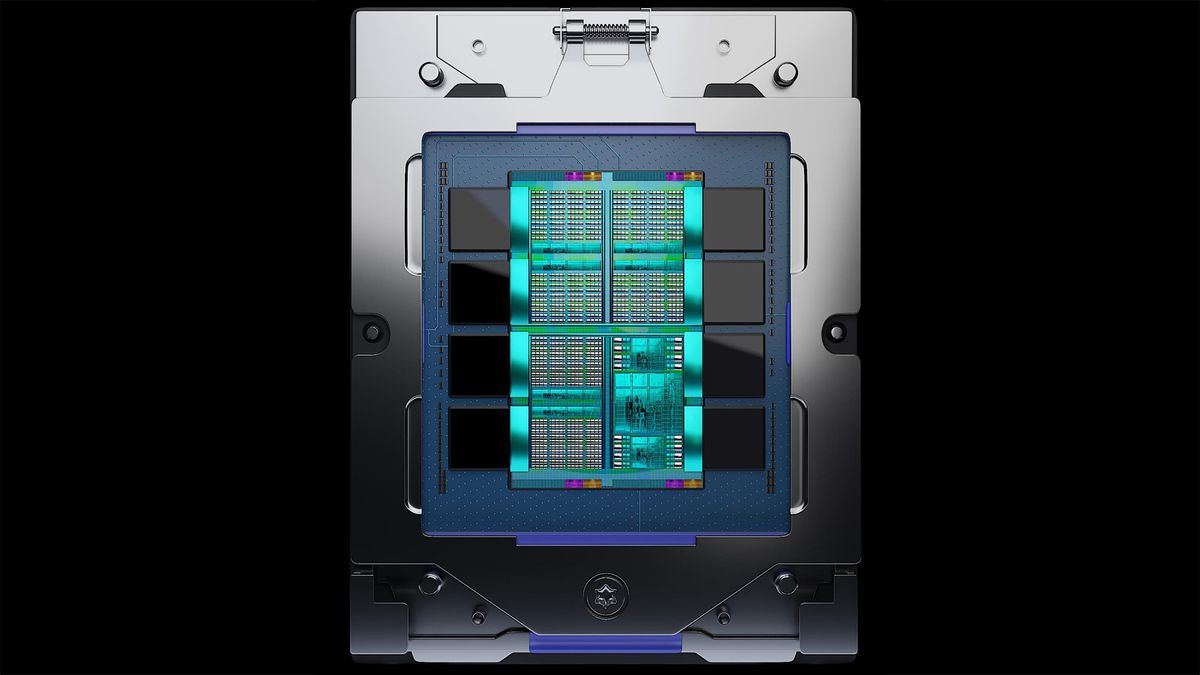
AMD's MI450 GPUs are customized for specific workloads, while Nvidia's Grace Blackwell systems use standardized designs. This means platform developers can build specialized AI tools optimized for e-commerce use cases—fraud detection, logistics optimization, product recommendation engines—that were previously cost-prohibitive with Nvidia's one-size-fits-all approach. Sellers benefit through more efficient, cheaper tools tailored to their specific needs rather than generic solutions. The deal validates AMD's technical capabilities, encouraging more developers to create AMD-optimized e-commerce AI tools, expanding the competitive ecosystem beyond Nvidia's traditional dominance.
What is the timeline for sellers to see tangible cost and performance benefits?
The deal structure includes performance-based vesting tied to GPU shipment milestones starting at 1GW, with full 6GW deployment occurring over at least four years. Sellers should expect: (1) Initial cost reductions of 5-10% by late 2026 as early AMD shipments reach production; (2) Meaningful 15-25% cost drops by 2027-2028 as AMD captures 15-20% market share; (3) Sustained competitive pricing through 2030 as the multi-year procurement agreement ensures long-term AMD supply. Sellers implementing AI tools now will benefit from declining costs over time, while those waiting until 2027-2028 will face less competitive advantage but lower absolute costs.