
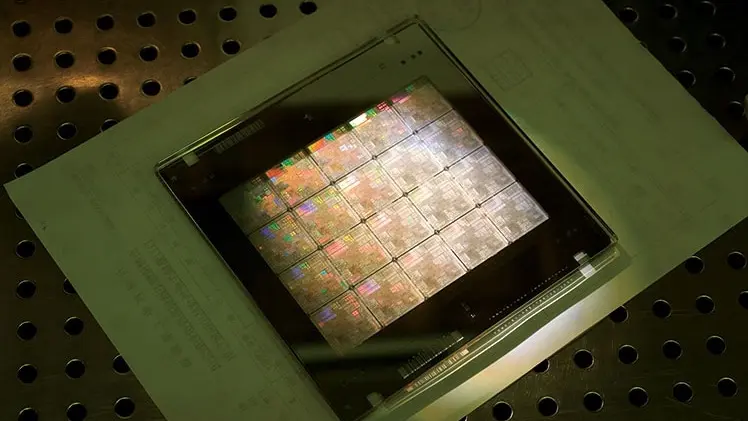





Taiwan Chip Crisis 2027 | Critical Supply Chain Risk for E-Commerce Sellers
- Taiwan produces 90-97% of advanced chips; potential 2027 conflict threatens $2T+ global e-commerce infrastructure; sellers face 6-18 month lead time extensions and 15-35% component cost increases












Overview
The U.S. intelligence community has issued unprecedented warnings to technology executives about Taiwan's semiconductor dominance creating a critical vulnerability for global commerce. A classified CIA briefing in July 2023 informed Apple CEO Tim Cook, Nvidia CEO Jensen Huang, AMD CEO Lisa Su, and Qualcomm CEO Cristiano Amon that China's military spending could signal a potential move on Taiwan as early as 2027—a timeline that has triggered urgent supply chain diversification efforts across Silicon Valley. Treasury Secretary Scott Bessent characterized Taiwan's concentration of 97% of high-end chip production as "the single biggest threat to the world economy" and "the single biggest point of single failure," while Commerce Secretary Howard Lutnick has aggressively pursued reshoring targets of 40% semiconductor production relocation to the U.S. by 2029.
For cross-border e-commerce sellers, this geopolitical risk creates immediate operational and financial exposure. Taiwan's TSMC operates advanced fabrication exclusively on the island, with Arizona and global facilities lagging significantly in producing the smallest chip processes required for cutting-edge products. Any disruption—whether military conflict, blockade, or supply chain shock—would cascade through global electronics supply chains within 30-60 days, affecting smartphones, laptops, IoT devices, and AI infrastructure that power e-commerce platforms themselves. The 2020-2022 semiconductor shortage demonstrated real-world consequences: extended lead times of 6-18 months, component cost increases of 15-35%, and inventory stockouts that devastated small and medium-sized sellers with limited buffer capacity.
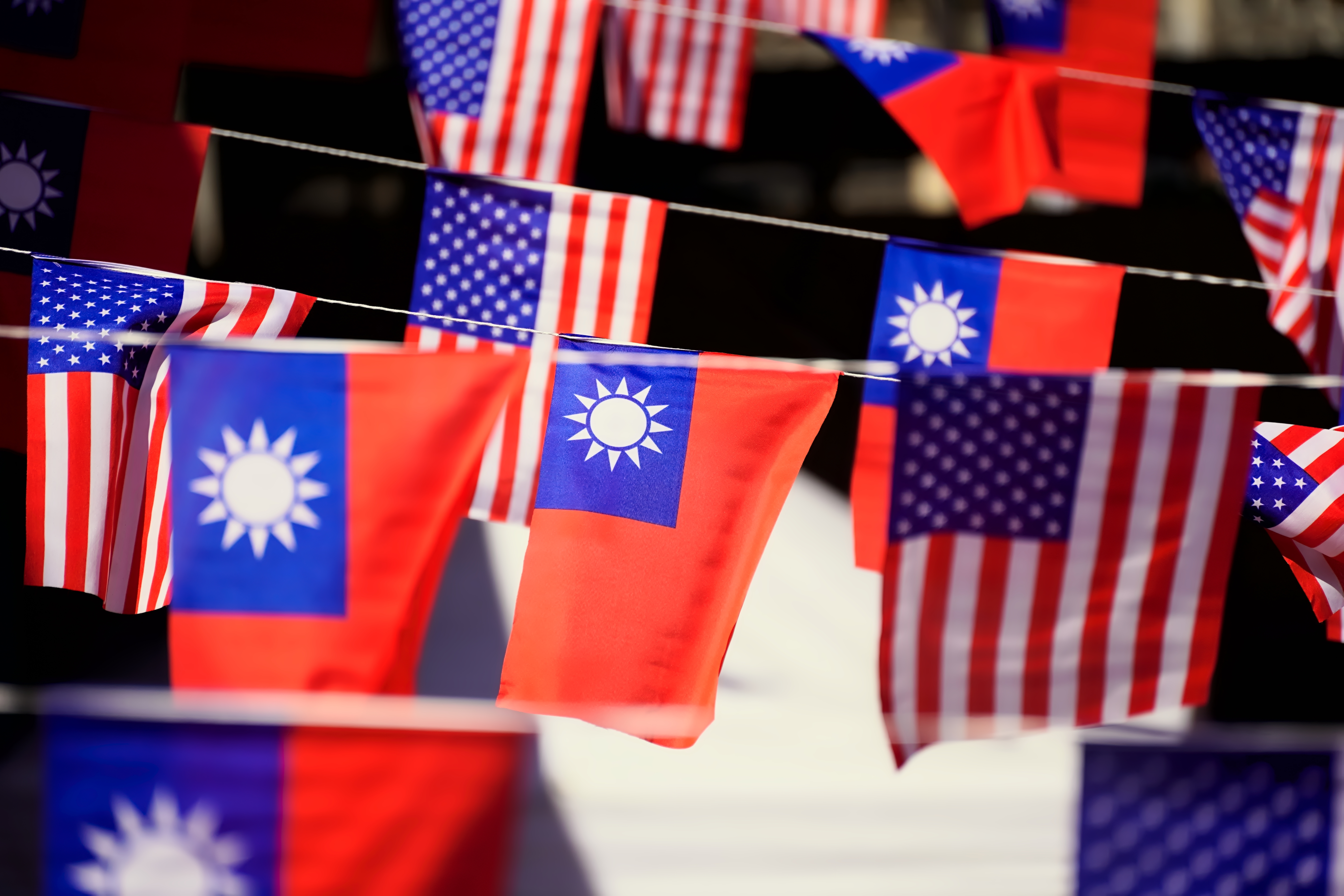
The policy divergence between substantive U.S.-Taiwan relations and deteriorating political narrative creates strategic uncertainty. While the Trump administration concluded a trade agreement reducing U.S. tariffs from 32% to 3.15% and secured $250 billion in Taiwan technology firm commitments to U.S. ecosystems, the simultaneous push for rapid domestic reshoring (40% by 2029—a goal Taiwan's negotiators called "impossible") signals conflicting long-term strategies. TSMC's announced U.S. expansion and integration into the Pax Silica AI supply chain initiative provide some mitigation, but industry experts acknowledge alternative manufacturing cannot immediately match Taiwan's advanced capabilities. Sellers relying on electronics inventory, smart devices, and technology products face disproportionate risk: large enterprises with strategic reserves and diversified sourcing can weather 6-12 month disruptions, while SMEs with 30-90 day inventory buffers face potential business-threatening stockouts.
The 2027 timeline creates a critical decision window for sellers. Current geopolitical tensions—evidenced by Chinese military live-fire drills surrounding Taiwan and U.S. government secret briefings to private sector leaders—indicate this is not speculative risk but an active policy concern. Sellers should immediately audit supply chain dependencies by product category (HS codes for electronics, semiconductors, smart devices), identify single-source Taiwan dependencies, and develop contingency sourcing from South Korean manufacturers (Samsung, SK Hynix) and emerging U.S. facilities. The CHIPS Act provides $39 billion in incentives for domestic production, but adoption remains slow due to cost premiums (typically 20-30% higher than Taiwan production) and established supply relationships. Strategic sellers should begin shifting 15-25% of semiconductor-dependent inventory sourcing to diversified suppliers by Q2 2025, before supply chain anxiety drives widespread hoarding and price inflation.
Questions 7
How does Taiwan's chip dominance directly impact my e-commerce business?
Taiwan produces 90-97% of the world's advanced semiconductors through TSMC, which supplies chips for virtually all smartphones, laptops, and IoT devices sold globally. Any disruption to Taiwan's production cascades through supply chains within 30-60 days, affecting product availability and costs. The 2020-2022 shortage showed sellers faced 6-18 month lead time extensions and 15-35% component cost increases. Small sellers with 30-90 day inventory buffers face critical stockout risk, while large enterprises with strategic reserves can weather disruptions. Your exposure depends on product category: electronics sellers face highest risk, while apparel and non-tech categories face indirect impacts through platform infrastructure and logistics technology costs.
What is the 2027 timeline mentioned in CIA briefings and why does it matter?
U.S. intelligence officials warned technology executives in July 2023 that China's military spending could signal a potential move on Taiwan as early as 2027. This specific timeline creates a 3-year decision window for sellers to diversify supply chains before potential geopolitical escalation. Treasury Secretary Scott Bessent called Taiwan's chip concentration 'the single biggest threat to the world economy.' The 2027 date is not speculation but an official intelligence assessment shared with Apple, Nvidia, AMD, and Qualcomm CEOs. Sellers should treat this as a planning horizon for supply chain resilience, not a certainty of conflict.