





North Korea's Strategic Missile Gambit Signals Global Tension Escalation
- Cruise missile tests reveal complex geopolitical maneuvering with potential Russia-North Korea technology collaboration



Overview
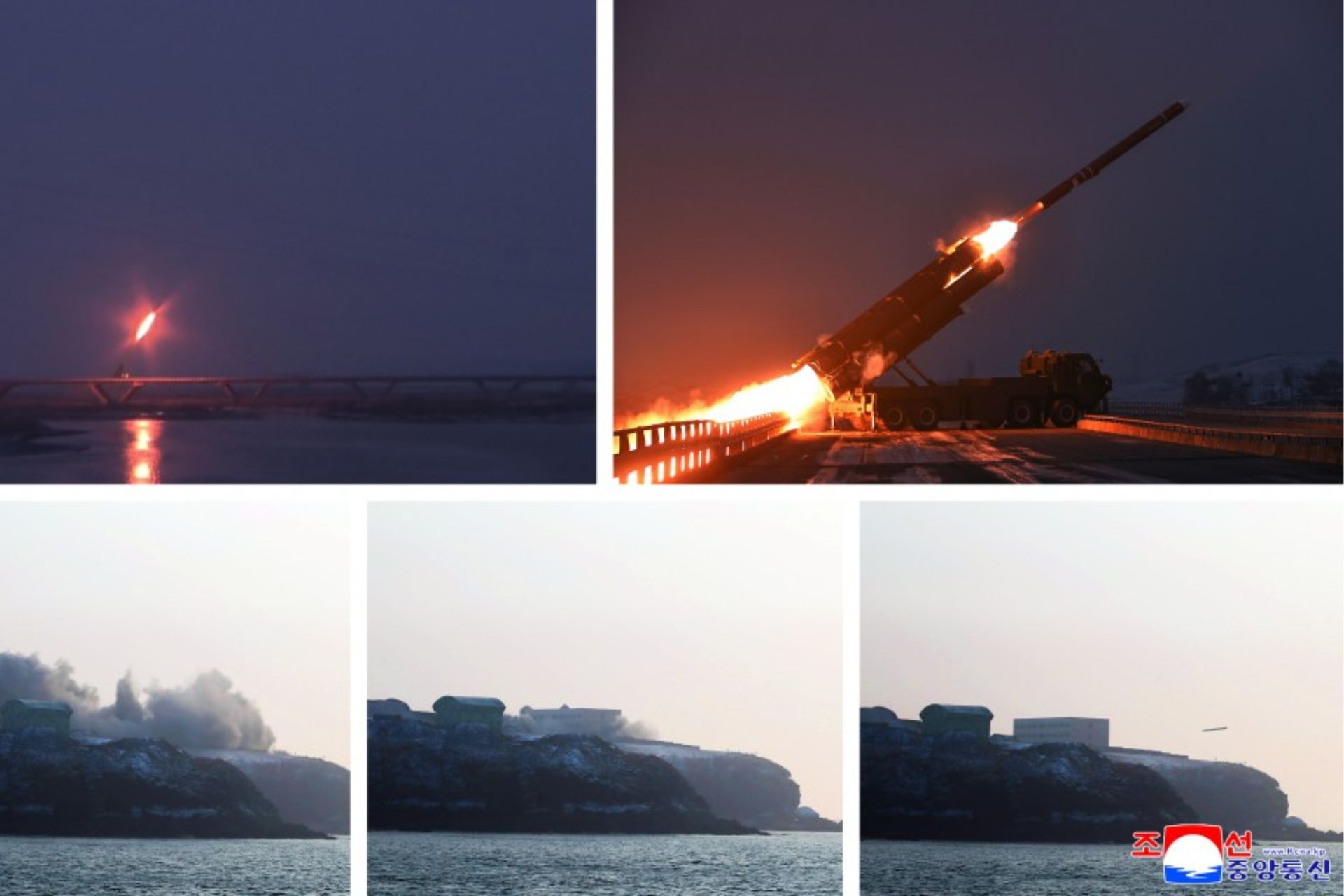
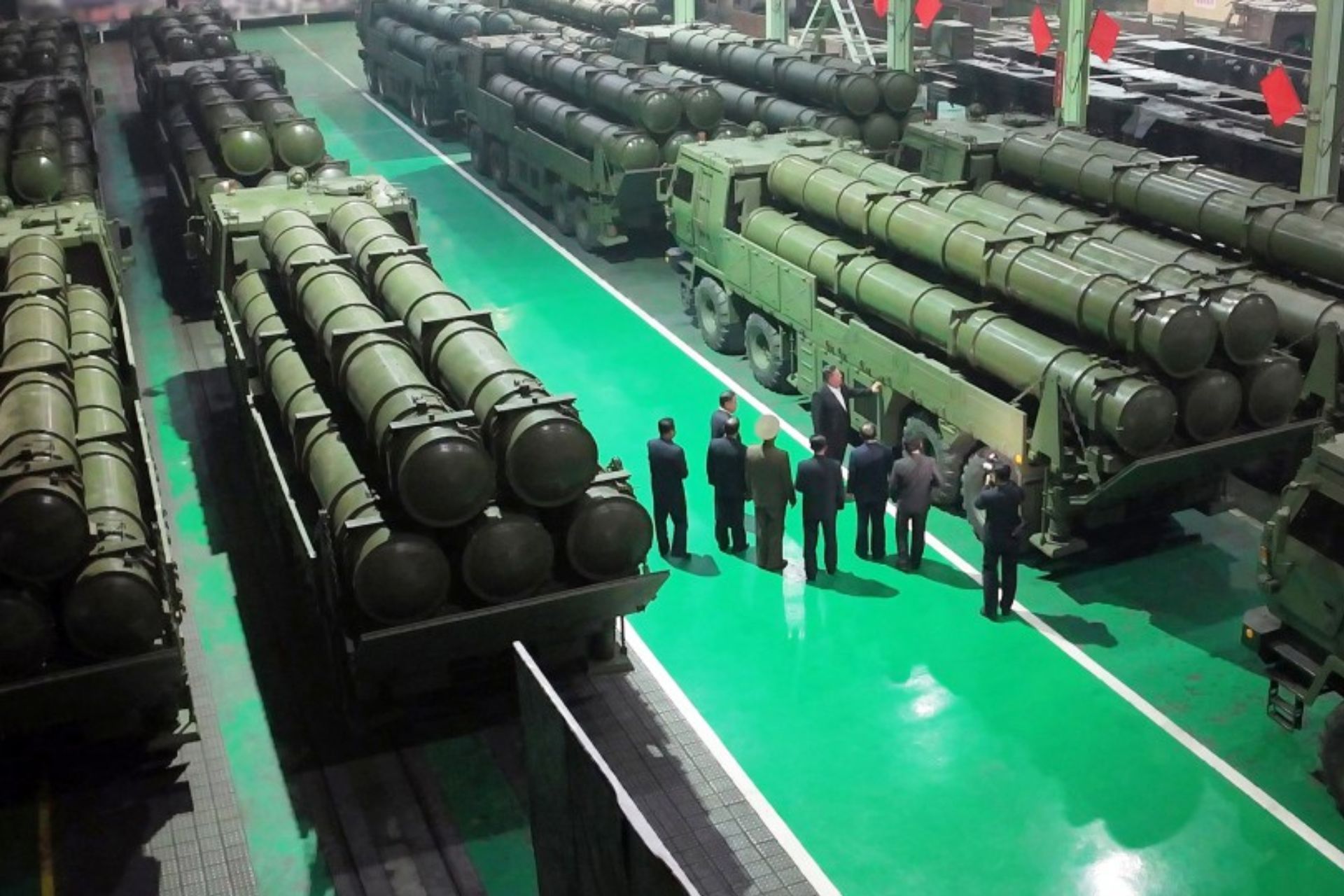
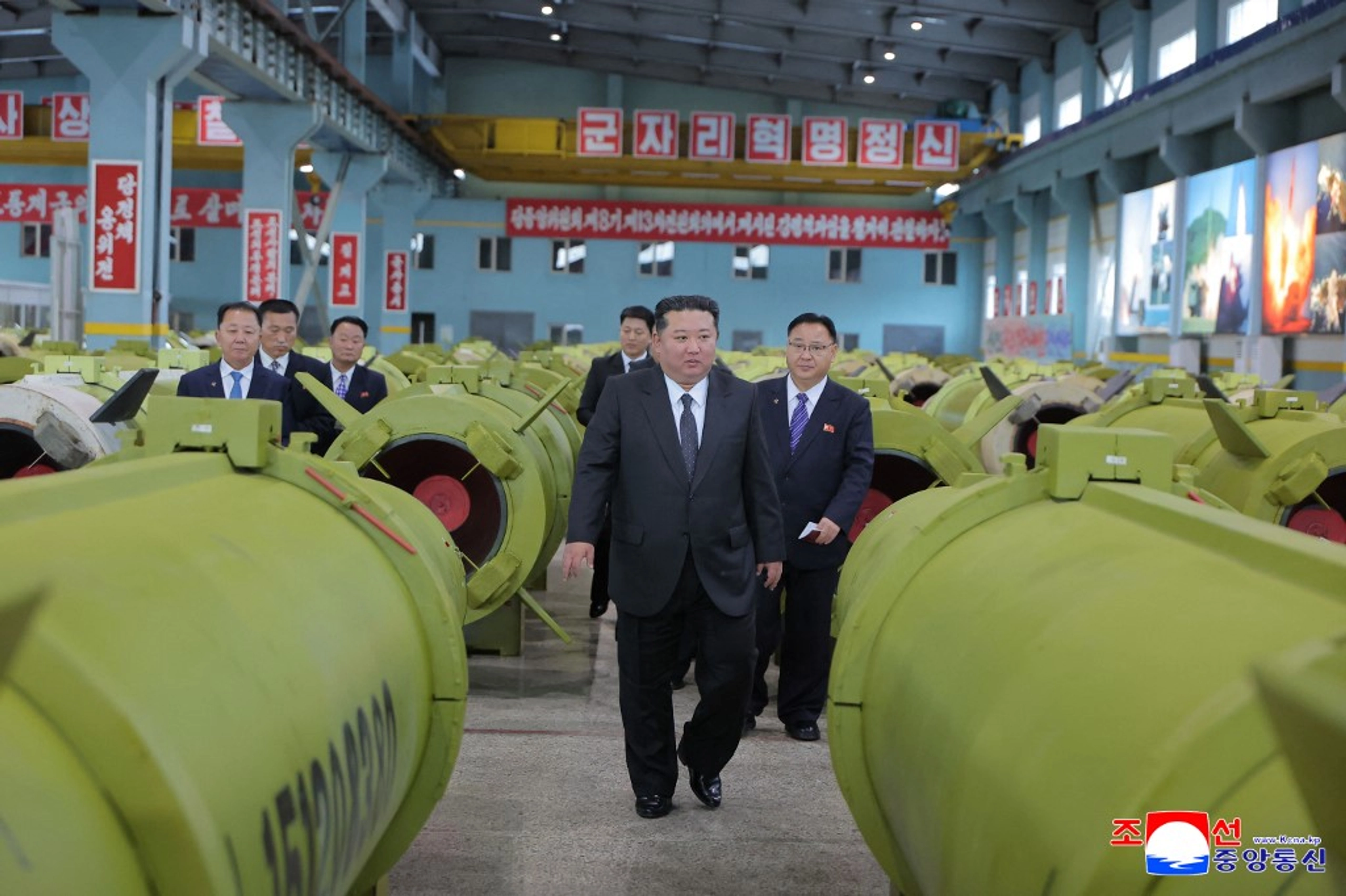
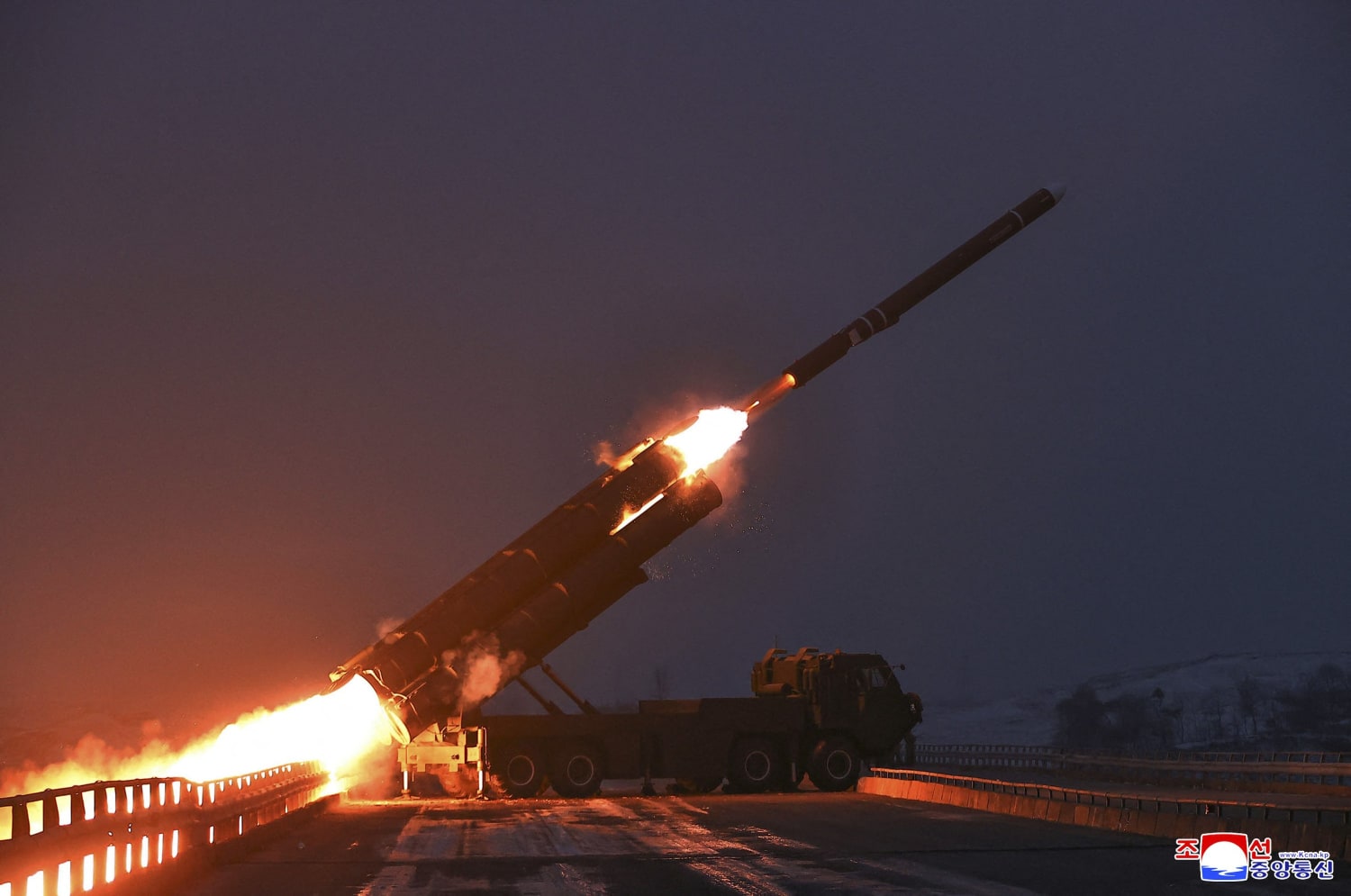
North Korea's recent long-range cruise missile test represents a calculated strategic provocation that goes beyond mere military demonstration. By conducting these launches just ahead of its Workers Party congress, the regime is signaling both internal political consolidation and external geopolitical positioning.
The technical sophistication of these cruise missiles marks a significant military advancement, with weapons capable of low-altitude flight and radar evasion. Critically, these tests exploit a legal gray area—while ballistic missile launches are prohibited by U.N. Security Council resolutions, cruise missile tests remain technically unbanned. This strategic nuance allows North Korea to demonstrate military capabilities while maintaining a veneer of diplomatic compliance.
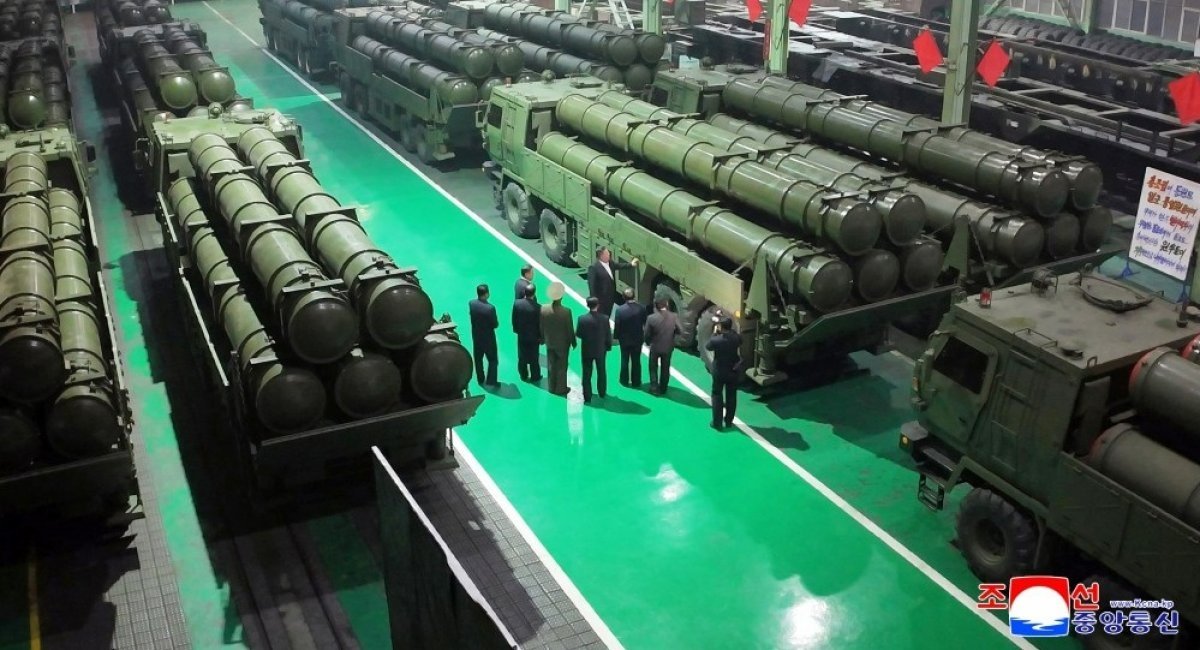
The broader geopolitical context reveals a complex web of technological and diplomatic negotiations. Potential technology exchanges with Russia suggest an emerging alliance that could provide North Korea with advanced military capabilities. The timing is particularly noteworthy, occurring against the backdrop of stalled nuclear diplomacy with the United States and following the collapse of negotiations during the Trump administration.
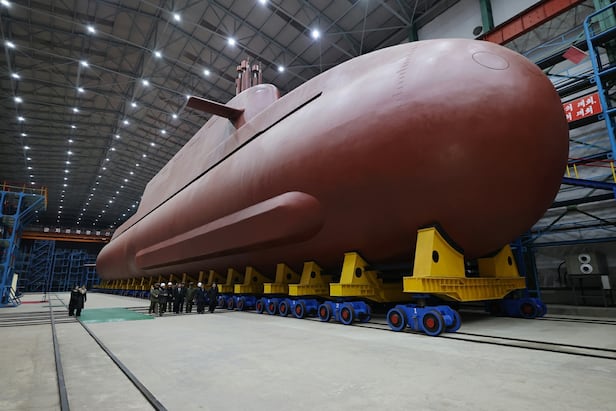
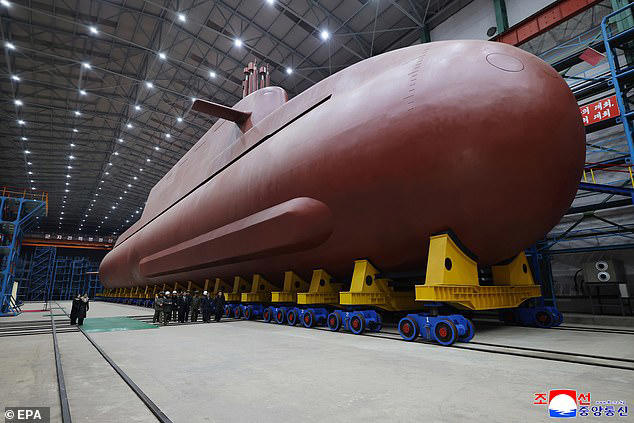
For international observers, these tests signal a multi-layered strategy of military technological development and diplomatic pressure. North Korea is simultaneously constructing a nuclear-powered submarine and maintaining an open, albeit conditional, stance on potential future talks—contingent on the U.S. dropping denuclearization demands. This approach demonstrates a sophisticated approach to international relations, using military demonstrations as a form of diplomatic leverage.
The strategic implications are profound: North Korea is positioning itself as a technologically advancing power capable of sophisticated military innovations, while maintaining diplomatic flexibility. By leveraging legal ambiguities and demonstrating military capabilities, the regime seeks to reshape regional power dynamics and challenge existing international security frameworks.
Questions 3
Why are North Korea's cruise missile tests significant?
These tests demonstrate advanced military technology that can evade radar and exploit legal loopholes in international resolutions. They signal North Korea's continued military development and serve as a strategic diplomatic tool to maintain geopolitical relevance.
How might Russia be supporting North Korea's military developments?
Experts suggest potential technology exchanges that could provide North Korea with advanced military capabilities. This collaboration appears to be part of a broader strategy to challenge existing international security frameworks and create alternative technological pathways.