


Syria's Political Transformation Signals Geopolitical Recalibration
- Emerging Leadership Pivot Reshapes Middle Eastern Diplomatic Landscape




















)

























Overview
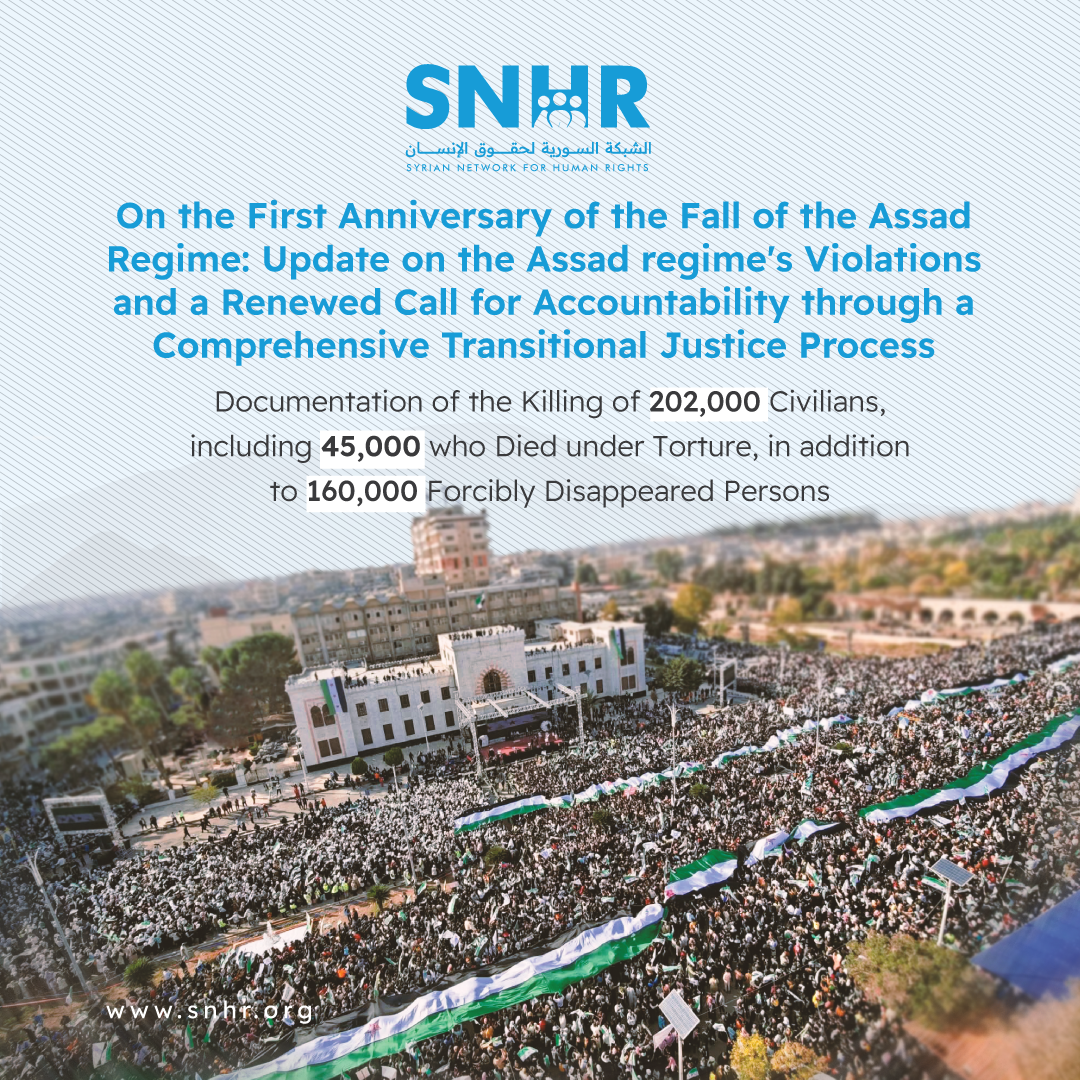
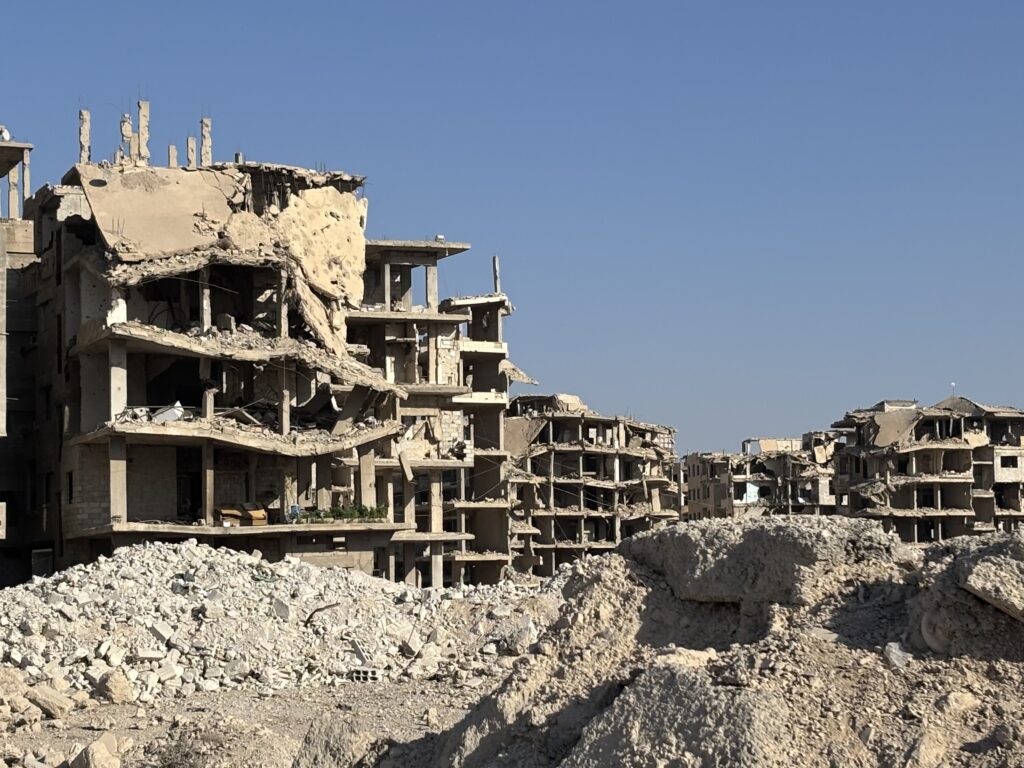
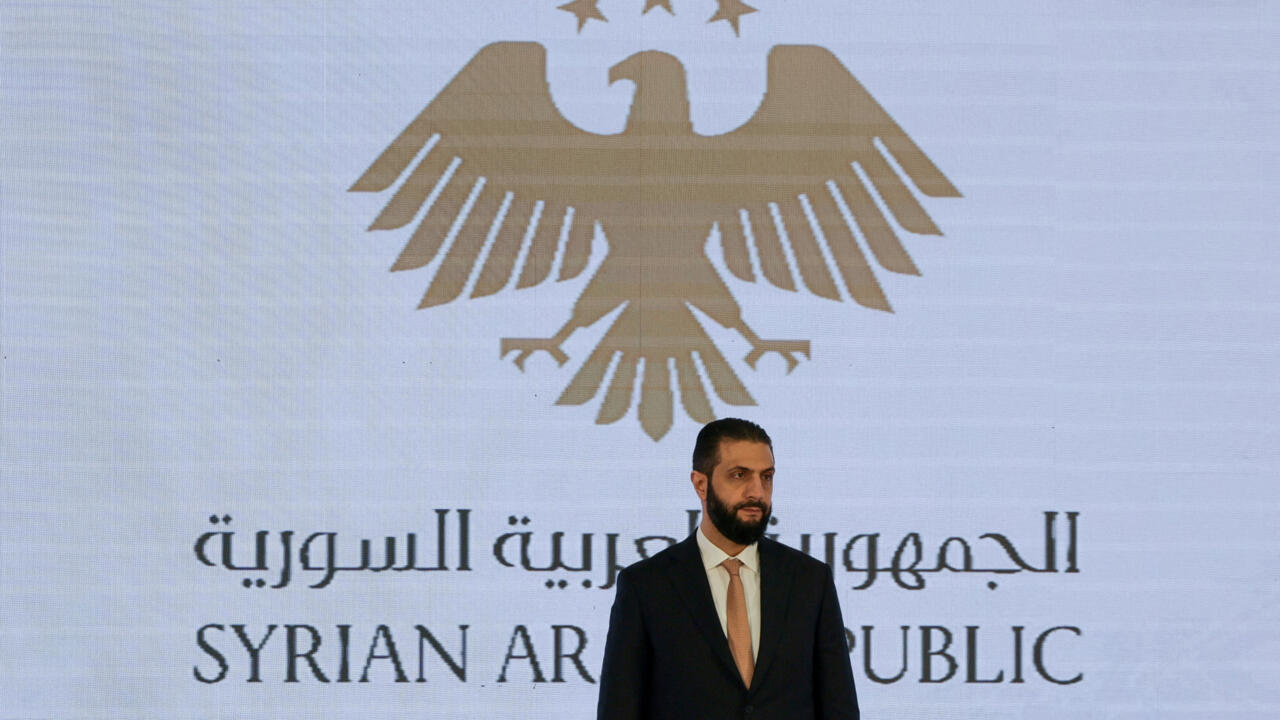
Geopolitical realignment in Syria represents a critical inflection point in Middle Eastern political dynamics, with profound implications for regional stability and international diplomacy. The potential transition from Bashar al-Assad to Ahmed al-Sharaa (Abu Mohammed al-Jolani) signals a nuanced transformation that goes beyond simple leadership change, revealing complex strategic recalibrations.
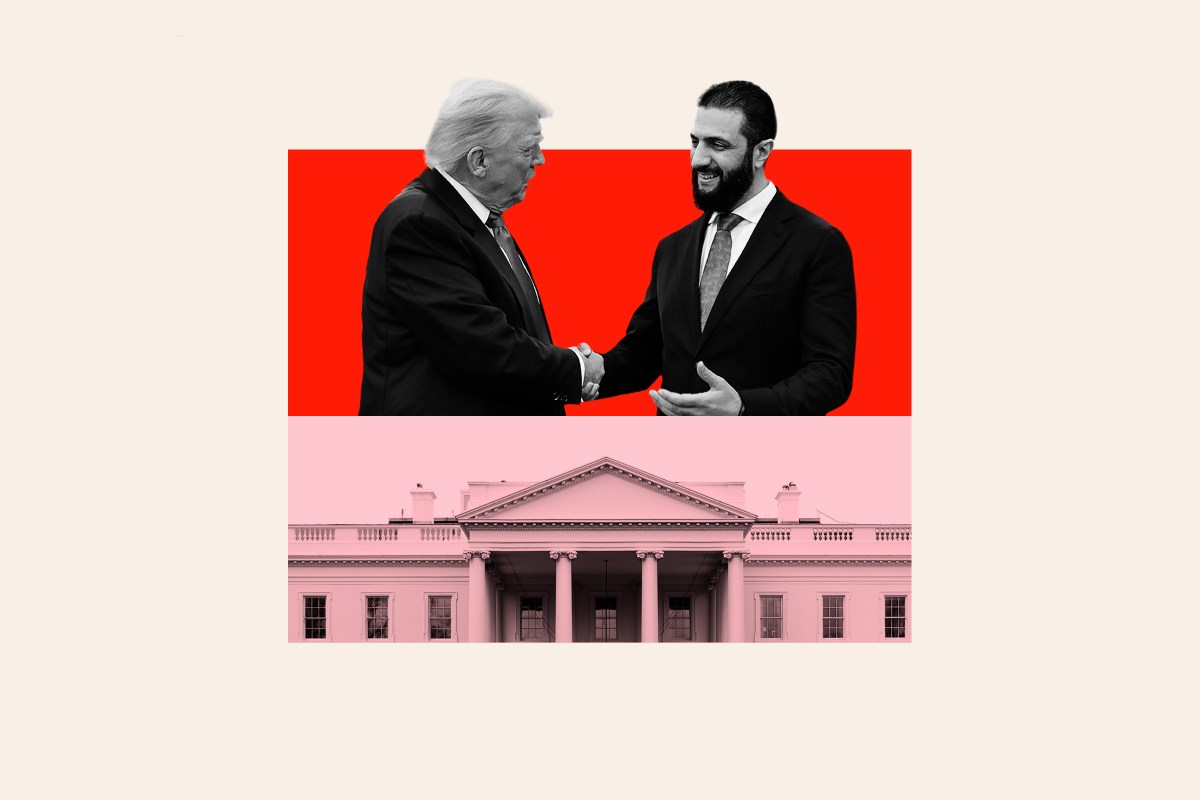
Diplomatic Metamorphosis Underway: The narrative of Sharaa's evolution from a militant leader to a pragmatic political figure demonstrates a sophisticated approach to international legitimacy. His successful diplomatic overtures to Western governments, including a notable White House engagement during the Trump administration, highlight a strategic pivot. This transformation suggests a deliberate effort to reposition Syria's political identity, moving away from its previous isolation toward potential reintegration into the global diplomatic ecosystem.
Strategic Repositioning and Challenges: The potential leadership transition is not without significant obstacles. Territorial disputes with Kurdish regions and lingering concerns about Sharaa's jihadist background create a complex geopolitical landscape. His ability to navigate these challenges will be crucial in determining Syria's future diplomatic and strategic positioning. The West's cautious engagement indicates a nuanced approach—balancing potential political transformation with deep-seated historical reservations.
The emerging scenario reveals a critical insight: political legitimacy in the modern Middle East is increasingly determined by pragmatic diplomatic maneuvering rather than traditional power structures. Sharaa's approach demonstrates an understanding that international recognition requires strategic communication, measured political transformation, and a willingness to address historical tensions.
Ultimately, this potential leadership transition represents more than a simple change in governance—it signals a broader recalibration of Syria's geopolitical strategy, testing the boundaries between historical conflict and potential diplomatic rehabilitation.
Questions 3
What challenges does the potential leadership transition face?
Key challenges include territorial disputes with Kurdish regions, concerns about Sharaa's jihadist background, and the need to overcome historical diplomatic isolation. Successfully navigating these obstacles will be crucial for Syria's future geopolitical positioning.
What makes Ahmed al-Sharaa's potential leadership significant?
Sharaa represents a strategic shift from militant leadership to diplomatic pragmatism, signaling Syria's potential reintegration into international diplomatic circles. His transformation demonstrates an understanding that political legitimacy requires nuanced engagement with Western governments.