


Authoritarian Governance Tightens Its Grip Across Multiple Geopolitical Frontiers
- Emerging Patterns of Democratic Suppression Signal Broader Geopolitical Realignment












Overview
The recent developments in Syria and Hong Kong reveal a critical geopolitical trend of authoritarian consolidation that extends far beyond regional boundaries. While seemingly disconnected, these events demonstrate a systematic approach to political control that fundamentally reshapes democratic participation.
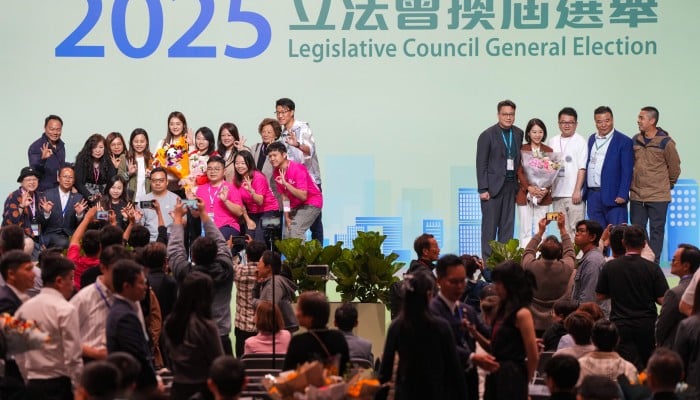
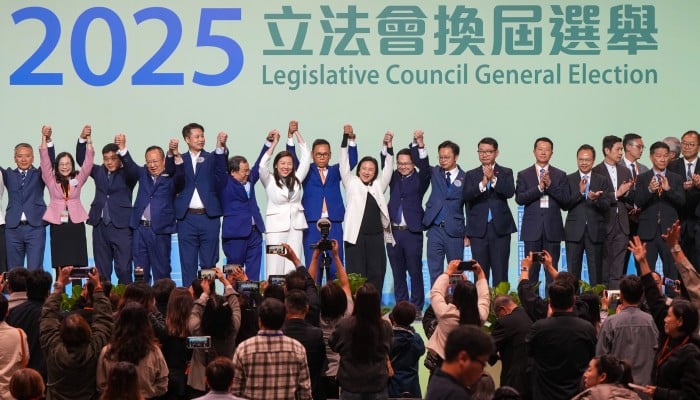
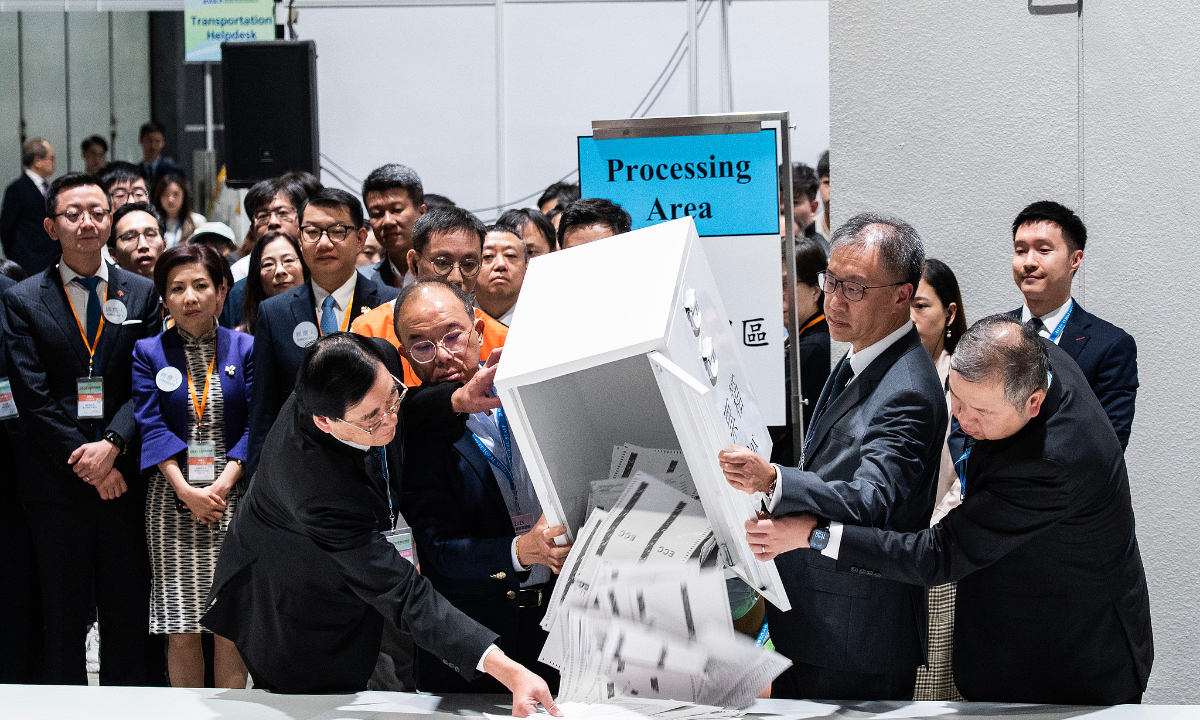
Political Manipulation Strategies are becoming increasingly sophisticated, as evidenced by the Hong Kong legislative election. The Beijing-controlled system's approach of featuring only pre-approved candidates represents a calculated method of eliminating democratic opposition. This is not merely a local phenomenon but part of a broader global strategy where authoritarian regimes methodically dismantle meaningful political alternatives.
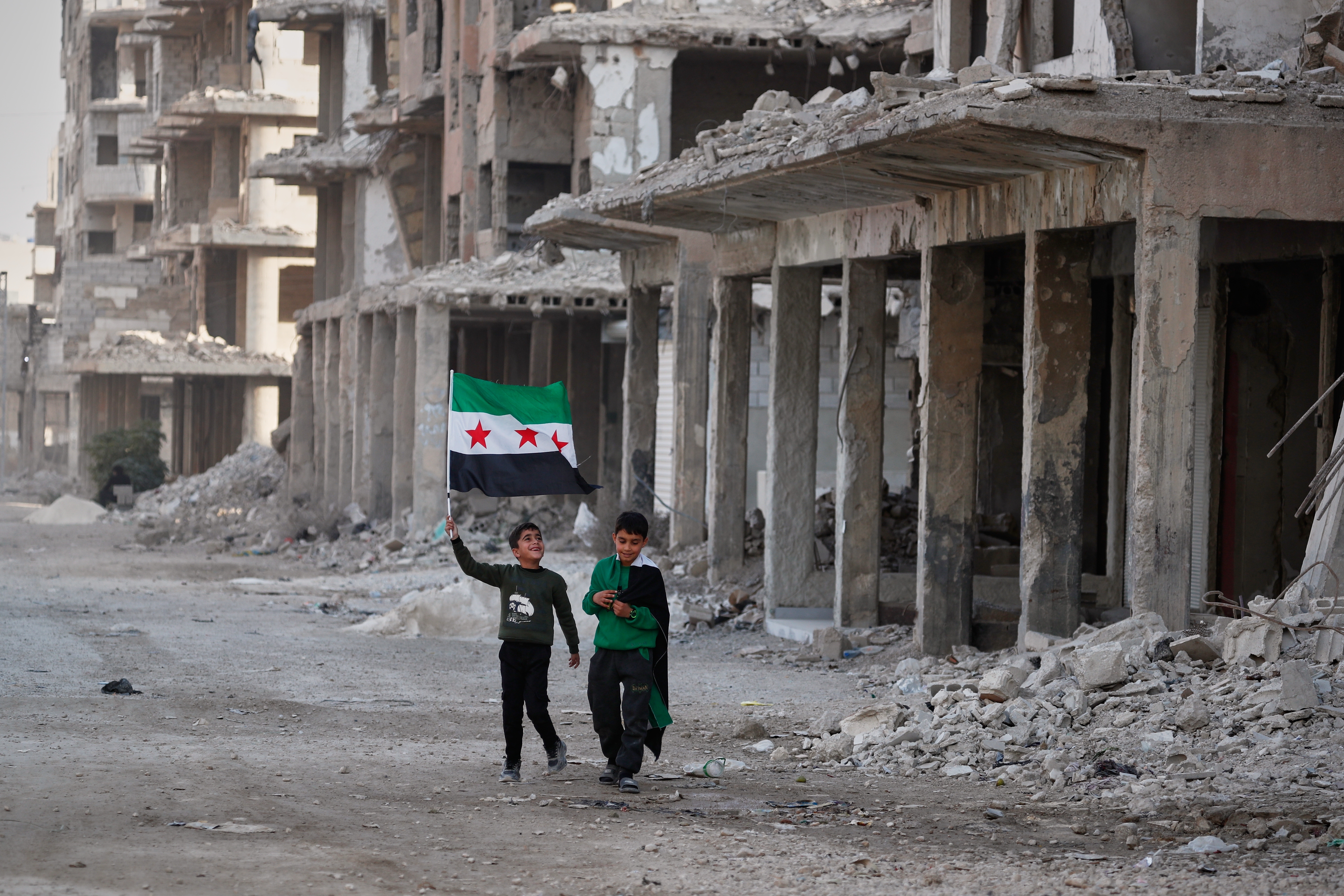
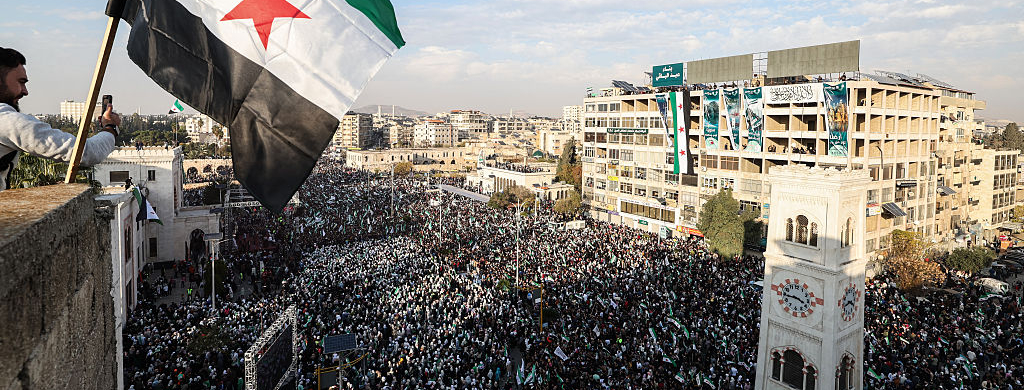
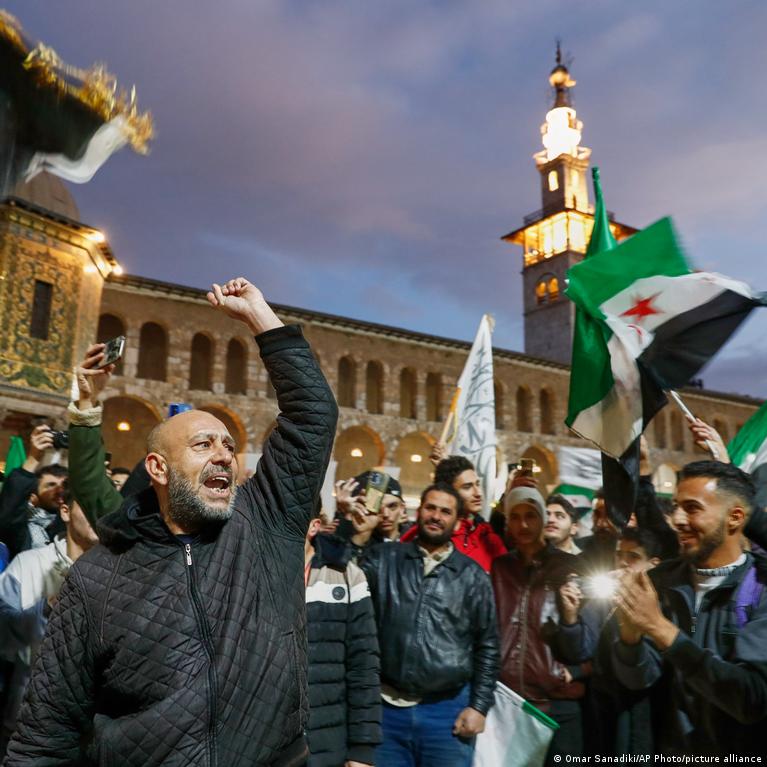
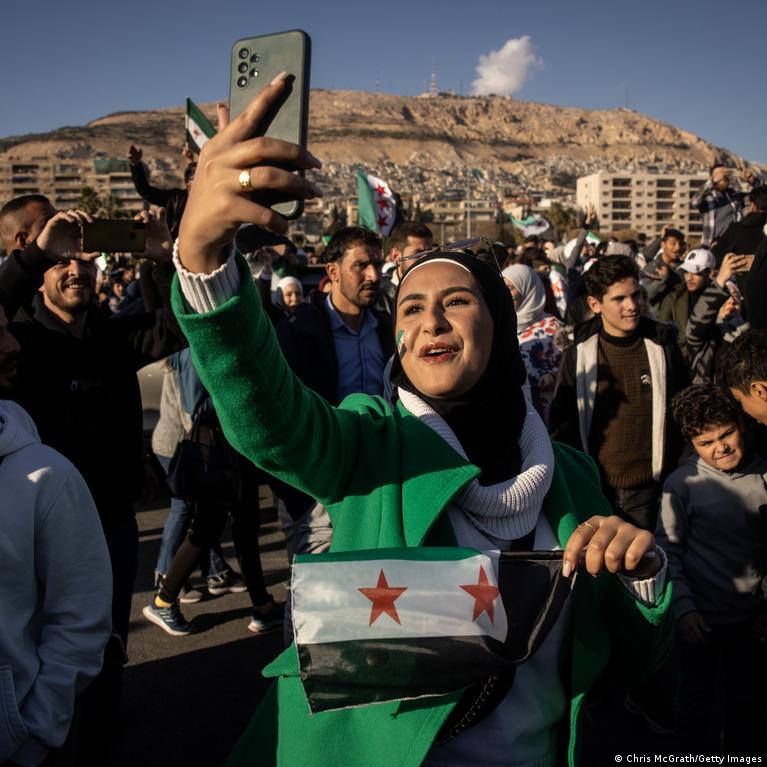
The Syrian context, marked by celebrations around Bashar al-Assad's continued governance, further reinforces this trend of regime entrenchment. These parallel narratives suggest a growing international pattern where political systems are being deliberately engineered to minimize genuine citizen representation. The low voter turnout in Hong Kong and the controlled narrative in Syria both indicate a deepening cynicism among populations subjected to such political frameworks.
What emerges is a nuanced picture of geopolitical power consolidation. Authoritarian governments are not just maintaining power through traditional repressive methods, but are developing more subtle mechanisms of control. By creating electoral systems that provide an illusion of participation while fundamentally preventing meaningful change, these regimes are effectively neutralizing potential resistance.
The strategic implications are profound: we are witnessing a global experiment in managed democracy, where the appearance of democratic processes masks a deeply controlled political environment. This trend suggests a long-term shift in how political legitimacy is constructed and maintained in increasingly complex geopolitical landscapes.
Questions 3
How are authoritarian regimes modifying democratic processes?
By creating controlled electoral systems with pre-approved candidates, these regimes maintain the facade of democracy while effectively eliminating meaningful political alternatives. The Hong Kong election exemplifies this strategy, where only candidates aligned with Beijing are permitted to participate.
Are these trends isolated to specific regions?
No, the patterns observed in Syria and Hong Kong indicate a broader international phenomenon of authoritarian consolidation. Similar strategies of political control are emerging across different geopolitical contexts, suggesting a more systemic global shift in governance approaches.