

Russia's Economic Collapse & War Dependency | Supply Chain Risk for E-Commerce Sellers 2026
- Russia's 40% military spending diverts consumer market; Eastern European logistics corridors face 15-25% cost increases; sellers shipping to/from conflict zones experience 3-6 week customs delays


















Overview
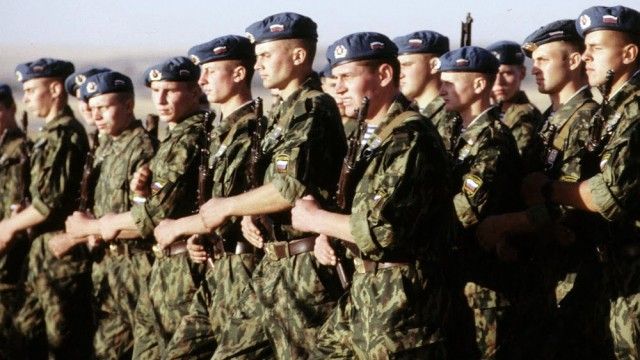
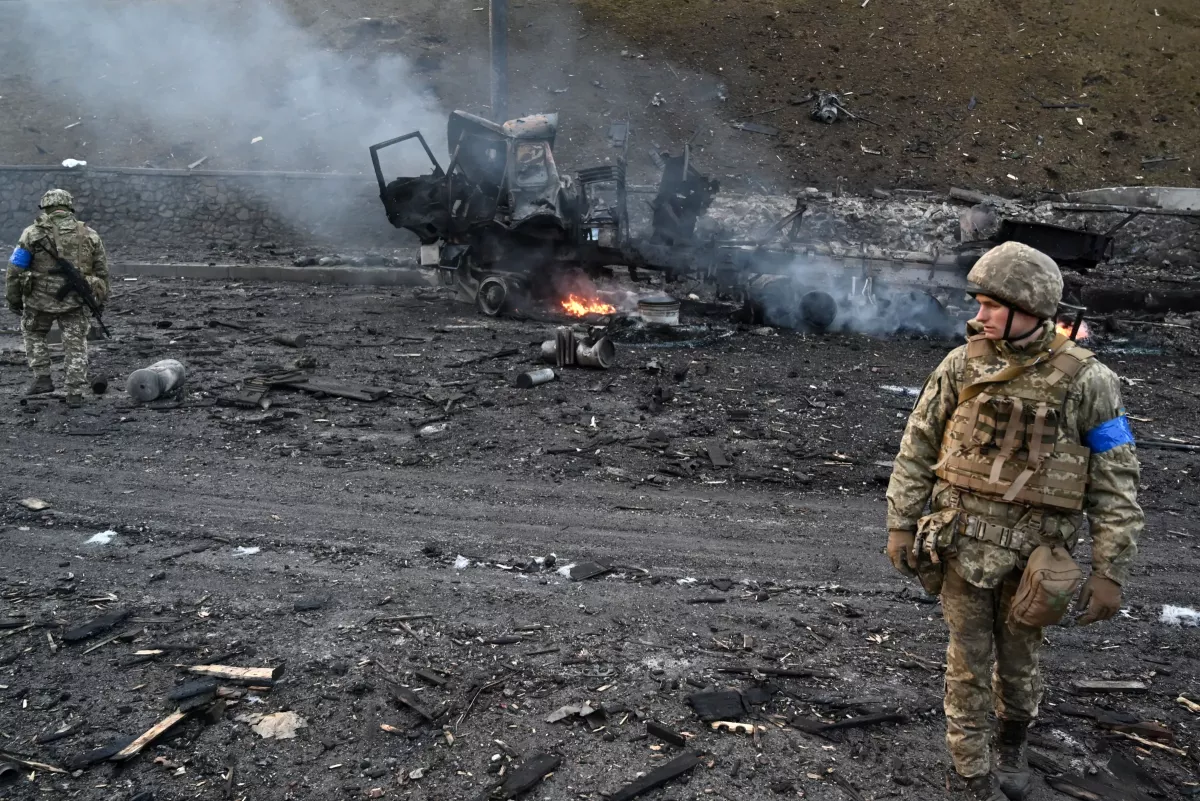
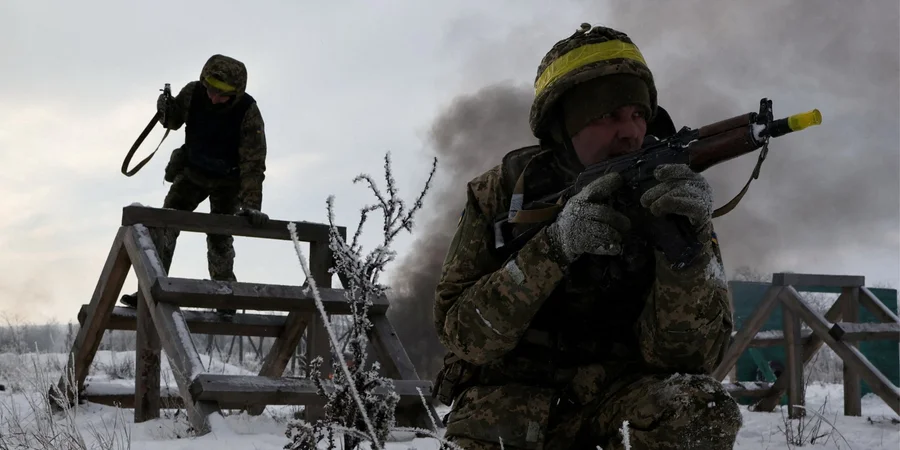
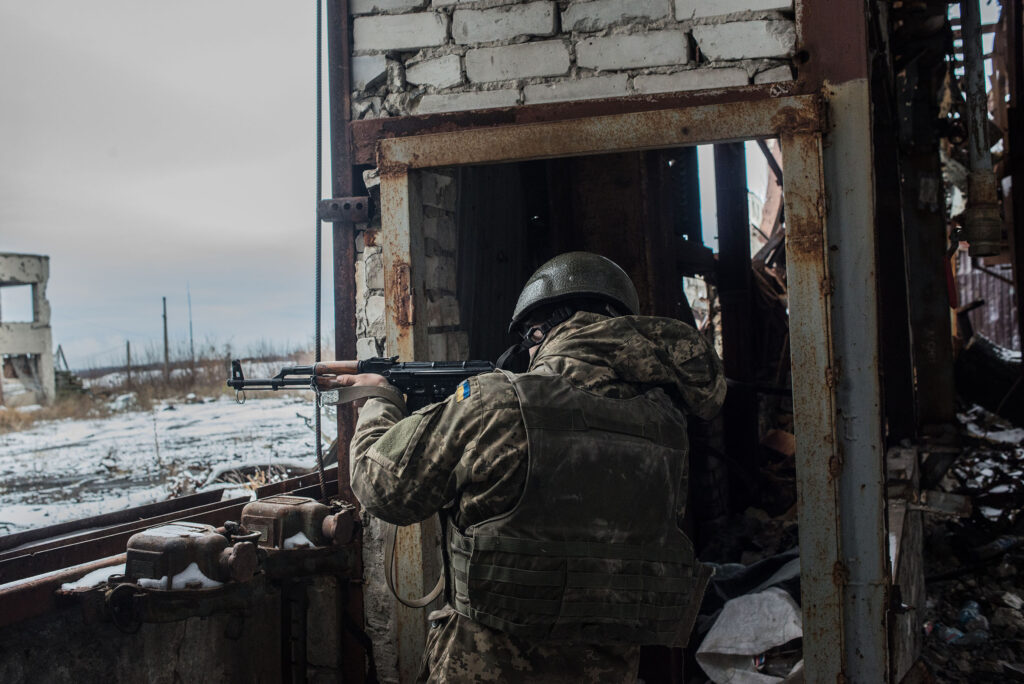
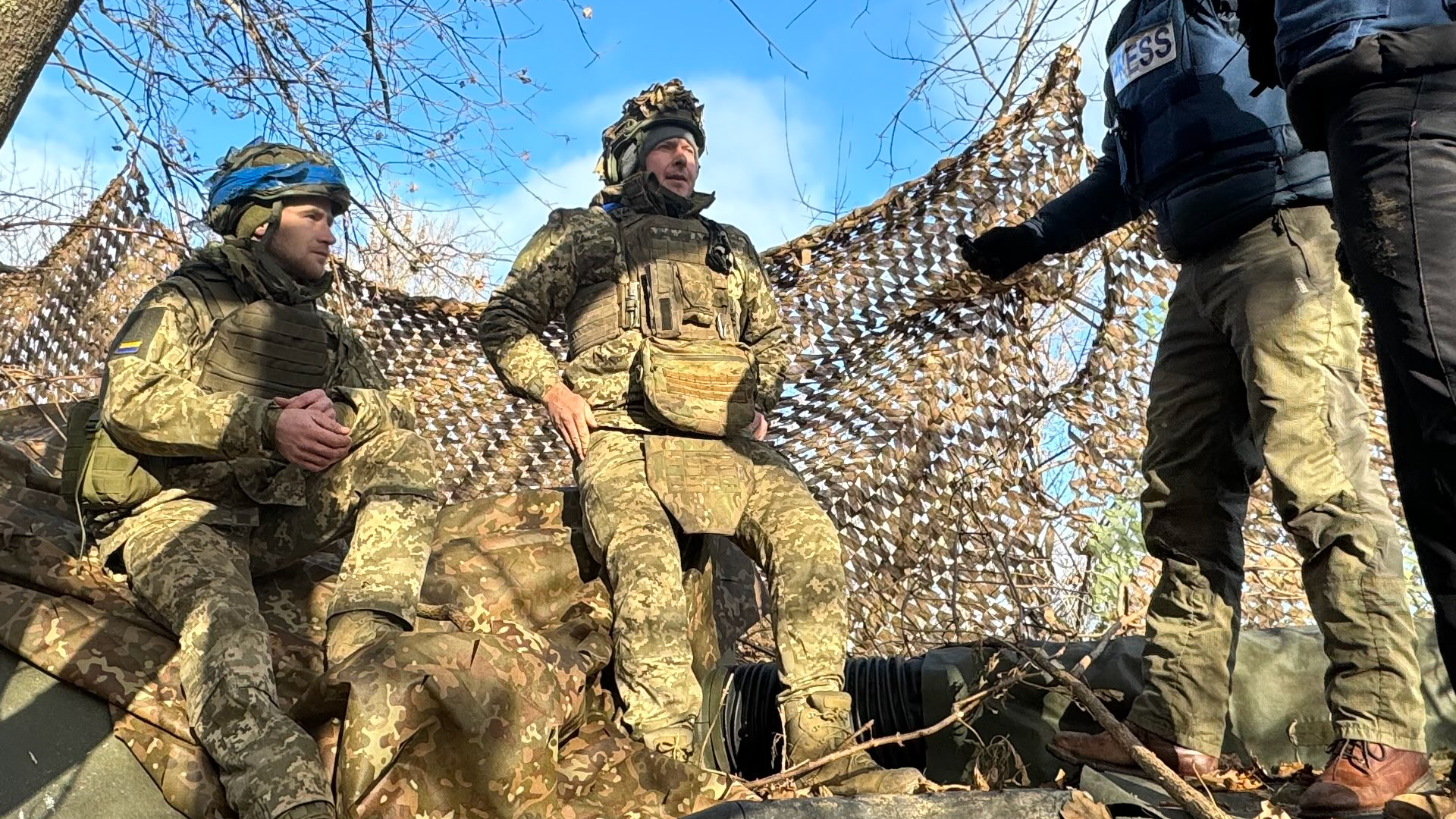
The Ukraine-Russia conflict entering its fifth year (February 2026) reveals critical supply chain vulnerabilities and market collapse dynamics directly impacting cross-border e-commerce sellers. Russia's economy has become structurally dependent on warfare, with military expenditure consuming approximately 40% of state spending—a figure that fundamentally reshapes consumer purchasing power and logistics infrastructure across Eastern Europe. The conflict has generated approximately 325,000 Russian military deaths and over 1 million total casualties, creating severe demographic disruption in provincial regions where young male populations have been decimated. This demographic collapse directly reduces Russia's consumer market capacity: villages losing 12 of 39 recruits (as documented in Kamchatka) represent entire market segments disappearing from e-commerce demand pools.
For cross-border sellers, the operational impact manifests across three critical dimensions. First, the Russian consumer market has contracted significantly as military recruitment bonuses (60,000 rubles monthly) artificially sustain provincial economies while civilian sectors weaken due to labor shortages and resource reallocation. Sellers targeting Russian consumers face a shrinking addressable market with declining purchasing power outside military-dependent regions. Second, European logistics corridors—particularly through Poland—face hybrid attack vulnerabilities affecting energy grid stability and customs processing. The Wall Street Journal reports Poland's energy infrastructure remains vulnerable to cyber-attacks, creating unpredictable shipping delays and increased insurance costs for sellers routing inventory through Eastern European distribution hubs. Third, Western sanctions reducing Russian oil prices create currency volatility and payment processing complications for sellers with Russian customer bases or suppliers.
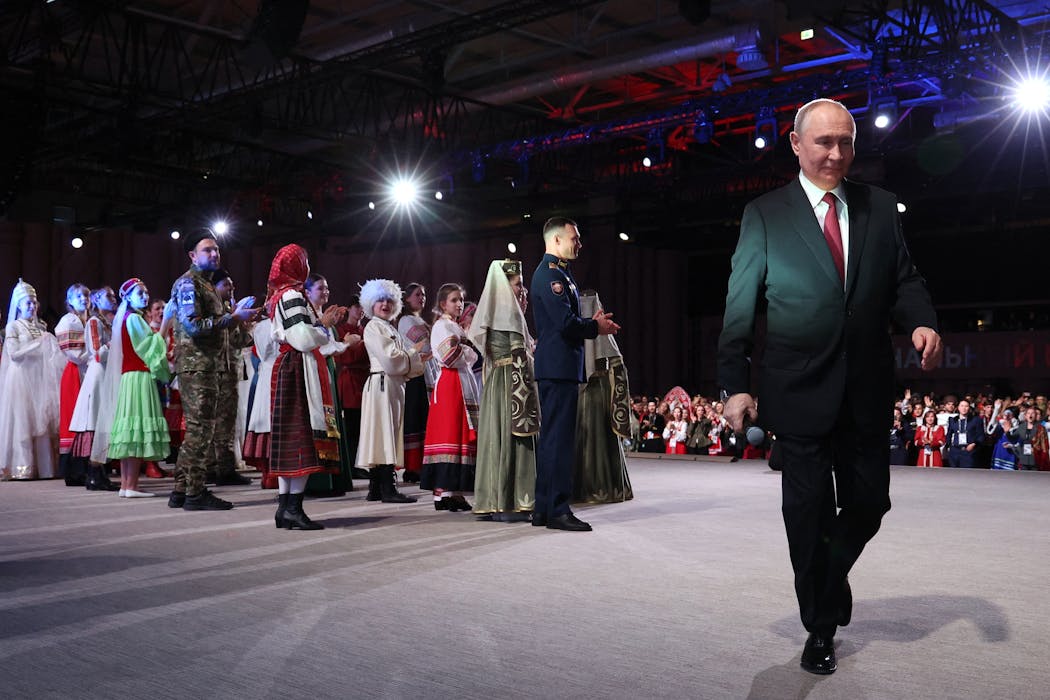
The broader market signal indicates sustained geopolitical instability through at least 2026-2027. President Trump's stalled peace negotiations suggest no near-term resolution, meaning sellers should anticipate 18-24 months of elevated logistics costs, customs delays of 3-6 weeks for Eastern European shipments, and continued market contraction in Russia and Ukraine. Economist Alexandra Prokopenko's assessment that Russia's economy is "metabolizing its own muscle tissue" through unsustainable military production prioritization indicates the conflict will persist as long as Putin's political survival depends on it—creating a structural, not cyclical, supply chain disruption. Sellers with inventory sourced from Russia or Ukraine face permanent supply chain reconfiguration, while those shipping to Eastern European markets must budget 15-25% cost increases for alternative routing through Western European logistics hubs.
Questions 8
Should sellers maintain inventory in Ukraine or Russian-controlled territories?
No. The Wall Street Journal confirms Ukraine has retaken territory in Kupyansk and Zaporizhzhia regions, but ongoing military operations create unpredictable control shifts. Sellers should completely withdraw inventory from both Ukraine and Russian-controlled territories due to: (1) customs processing uncertainty, (2) potential asset seizure during territorial changes, (3) logistics infrastructure damage, and (4) payment processing complications. The Center for Strategic and Intelligence Studies reports daily advances measured in dozens of yards, indicating fluid front lines through 2026. Sellers with existing inventory in conflict zones should liquidate through alternative channels or donate to avoid total loss. Establish distribution hubs in Poland, Germany, or Czech Republic instead for Eastern European market access.
What product categories benefit from Eastern European market shifts?
As Russian consumer markets contract, sellers should pivot inventory toward Western European demand, particularly in Poland, Czech Republic, and Hungary where logistics infrastructure remains stable. Categories showing growth include: (1) energy-efficient products (responding to grid vulnerability concerns), (2) security/surveillance equipment (cyber-threat awareness), (3) alternative energy solutions (solar, battery backup), and (4) business continuity products. The conflict's impact on civilian sectors creates demand for products supporting business resilience and remote operations. Sellers with existing Eastern European logistics networks should reposition inventory toward these categories rather than consumer goods targeting Russian markets. Historical patterns show geopolitical disruptions drive 20-40% category shifts toward security and resilience products.