




AI-Powered Smart Cities | $24M Municipal Innovation Wave Opens B2B Tech Opportunities for Sellers
- 24 winning cities across 20 countries receive $1M each to deploy predictive AI systems; creates $500M+ addressable market for data analytics, logistics optimization, and civic tech solutions serving 35M+ urban residents










Overview
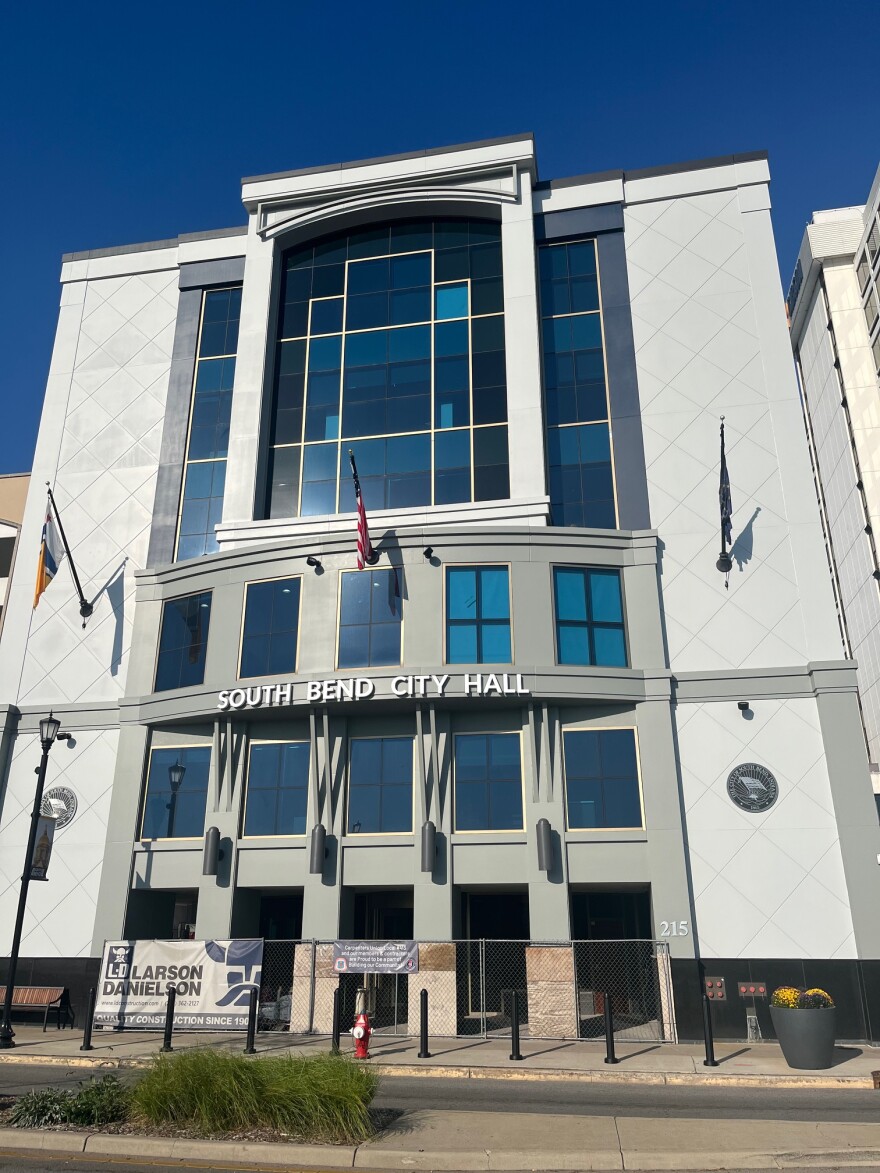
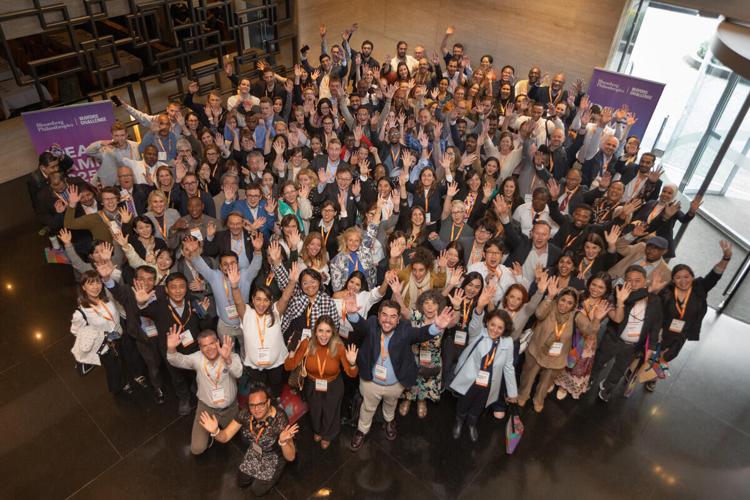
The Bloomberg Philanthropies Mayors Challenge 2025-2026 represents a $24 million global investment in AI-powered municipal innovation, with 24 winning cities across 20 countries each receiving $1 million in funding plus operational support. This initiative signals a fundamental shift toward predictive, data-driven governance—and creates significant B2B opportunities for e-commerce sellers and tech service providers. South Bend's $1 million award to implement AI-powered 3-1-1 service prediction exemplifies the trend: the city will use machine learning algorithms to identify residents needing housing assistance, utility support, or social services before they contact the city, reducing emergency calls and optimizing resource allocation.
For e-commerce sellers, this municipal innovation wave creates three immediate business opportunities. First, logistics infrastructure optimization: Cities investing in smart waste collection (Cape Town), geothermal energy systems (Boise), and transit expansion are simultaneously upgrading last-mile delivery networks and fulfillment infrastructure. Sellers operating 3PL services, warehouse automation software, or logistics analytics tools can position solutions to municipalities managing 35+ million residents across winning cities. Second, data analytics and AI tools: The University of Notre Dame's involvement in South Bend's project demonstrates demand for academic-grade data science platforms. Sellers offering predictive analytics SaaS, customer behavior modeling, or inventory optimization AI can target municipal procurement departments now allocating discretionary budgets toward technology. Third, digital payment and vendor solutions: Cartagena's digital payment system for street vendors and Rio de Janeiro's early childhood support platform indicate municipalities are digitizing informal economies—creating demand for payment processing, vendor management, and citizen engagement platforms.
The competitive intelligence advantage is substantial. Bloomberg's announcement reveals that municipal budgets allocate 75% to fixed costs (salaries, debt service), leaving only 25% for innovation—meaning winning cities will aggressively pursue cost-reduction technologies. Sellers can use this insight to develop ROI-focused pitches emphasizing operational efficiency gains. The 630 applications across 20 countries indicate global demand; sellers should monitor municipal procurement portals in Barcelona, Boise, Fukuoka, and Rio de Janeiro for RFPs (requests for proposals) launching within 90 days. The demographic urgency—55% of global population now urban, reaching 77% by 2050 (adding 61.4M residents weekly)—signals sustained municipal technology spending through 2030. Sellers with AI-powered solutions addressing infrastructure, waste reduction, utility management, or job creation can expect 18-24 month sales cycles but high contract values ($500K-$5M per city).
Implementation begins within weeks, creating a 6-month window for sellers to position solutions before municipal procurement processes close. The predictive service model pioneered in South Bend—using AI to identify needs before escalation—directly parallels e-commerce demand forecasting and customer lifetime value prediction, meaning sellers can repurpose existing AI models for municipal applications.
Questions 8
How can sellers differentiate in the municipal AI market given competition from large tech vendors?
Large tech vendors (Microsoft, Google, Amazon) are aggressively pursuing municipal contracts, but winning cities prioritize solutions addressing specific local challenges with proven community input. Sellers can differentiate by: (1) Specializing in specific municipal functions (waste, transit, social services) rather than offering generic platforms; (2) Emphasizing community co-creation and resident input (as Cape Town's waste system demonstrates); (3) Offering transparent, explainable AI rather than black-box algorithms (important for government accountability); (4) Providing implementation support and change management (cities lack internal AI expertise); (5) Building partnerships with universities (like Notre Dame in South Bend) to add credibility and research backing. Sellers should also target mid-market cities (populations 500K-2M) where large vendors have less presence but municipal innovation budgets are growing.
What specific AI capabilities do winning cities need based on their project types?
Winning cities require different AI capabilities based on their focus areas: (1) Predictive analytics for social services (South Bend, Rio de Janeiro)—identifying residents needing assistance before crisis; (2) Route optimization and logistics AI (Cape Town waste collection, Boise energy systems)—reducing operational costs; (3) Approval workflow automation (Barcelona housing retrofits)—accelerating permit processing; (4) Payment processing and fraud detection (Cartagena street vendor payments)—enabling informal economy digitization; (5) Demographic forecasting and resource allocation (Fukuoka dementia support)—planning services for aging populations. Sellers should audit their AI capabilities against these use cases and position solutions accordingly. The University of Notre Dame's involvement in South Bend's project indicates cities value academic-grade data science and social impact measurement, so sellers should emphasize research partnerships and outcome tracking.