


Apple Mac Mini US Manufacturing | Reshoring Creates Logistics Opportunities for Tech Sellers
- Domestic production reduces lead times 30-45 days; creates inventory positioning opportunities for AI-capable hardware resellers and component suppliers










Overview
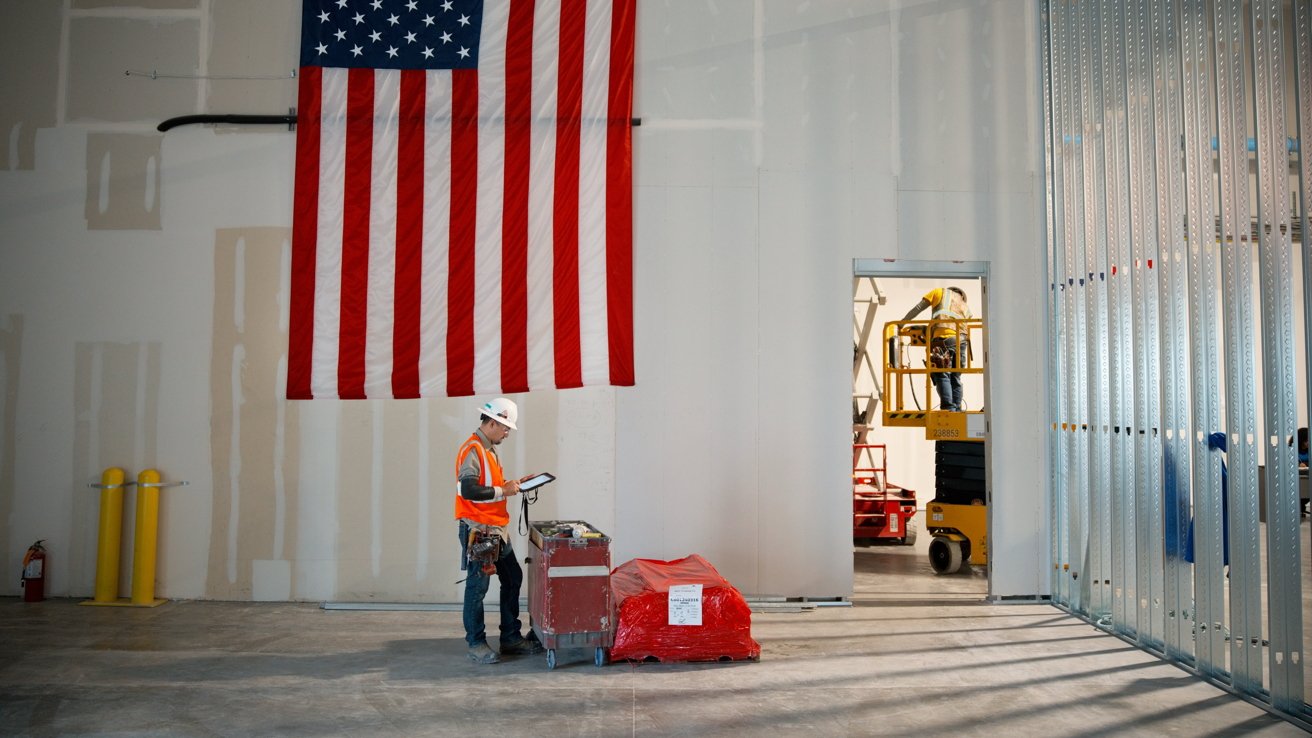
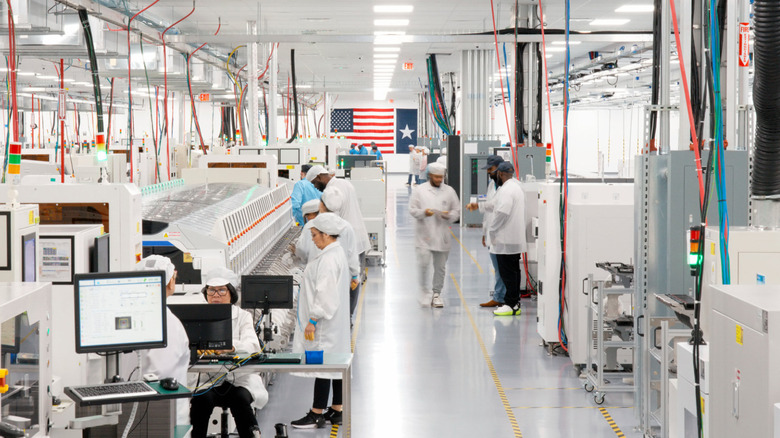
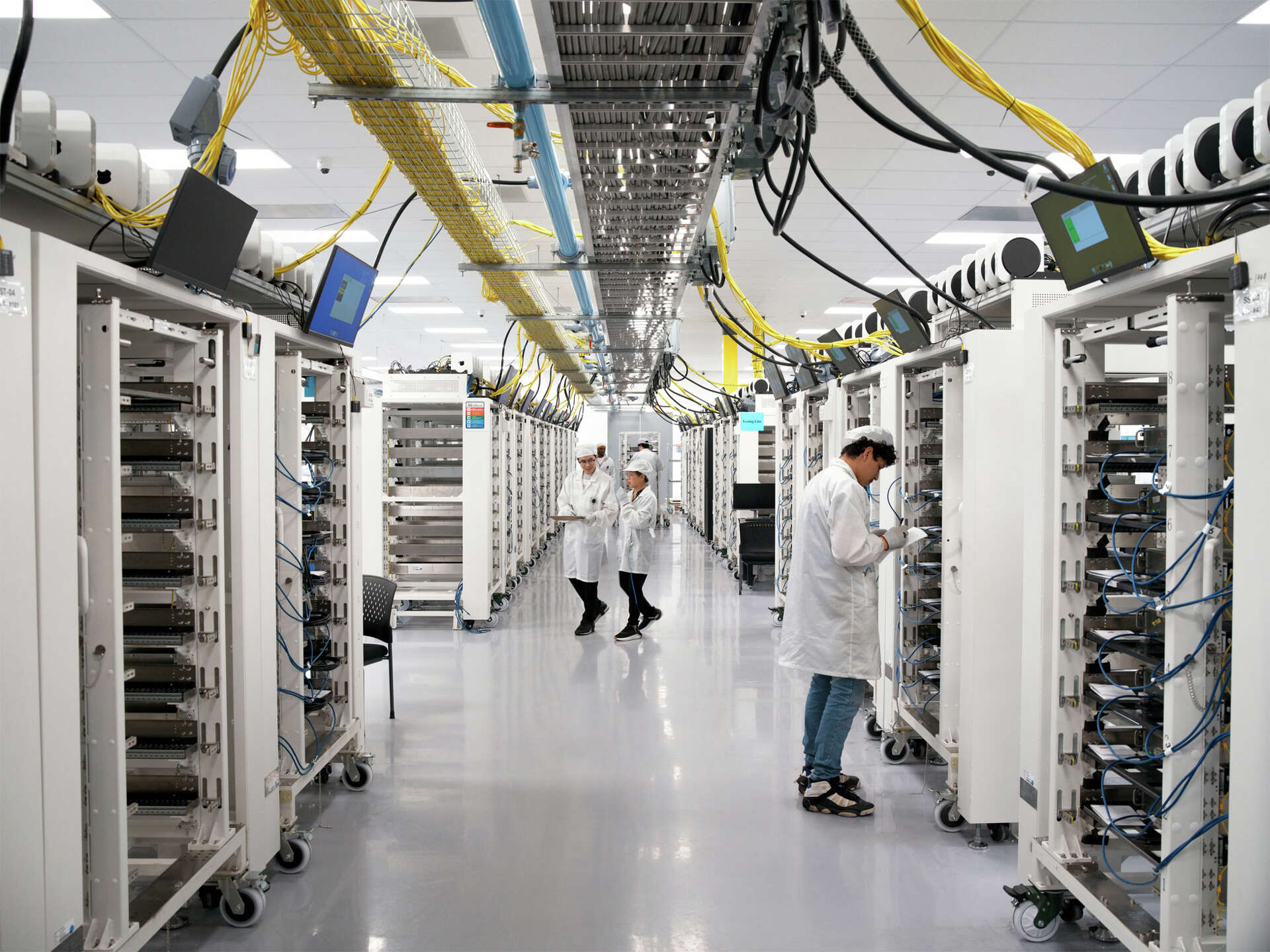
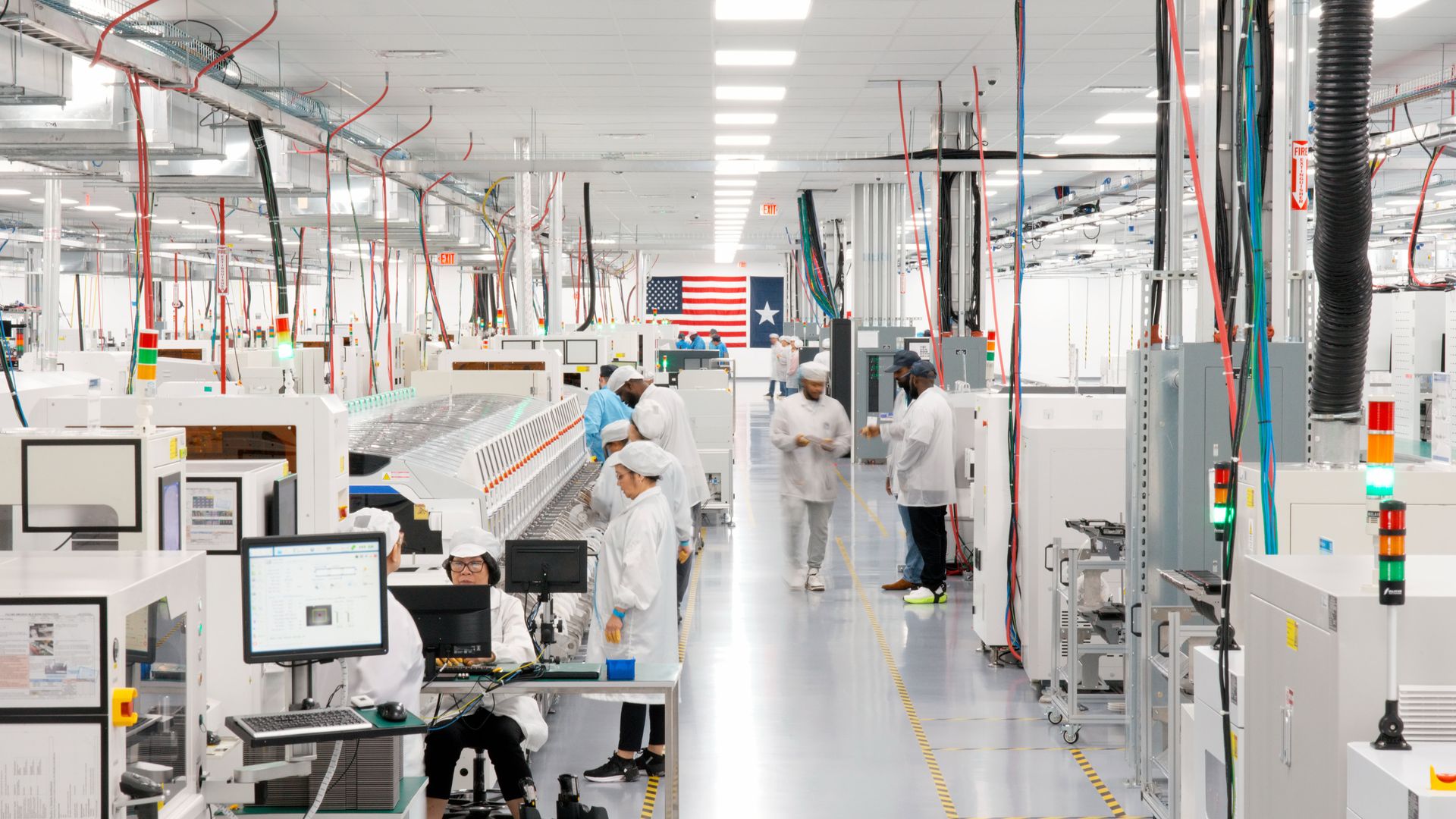
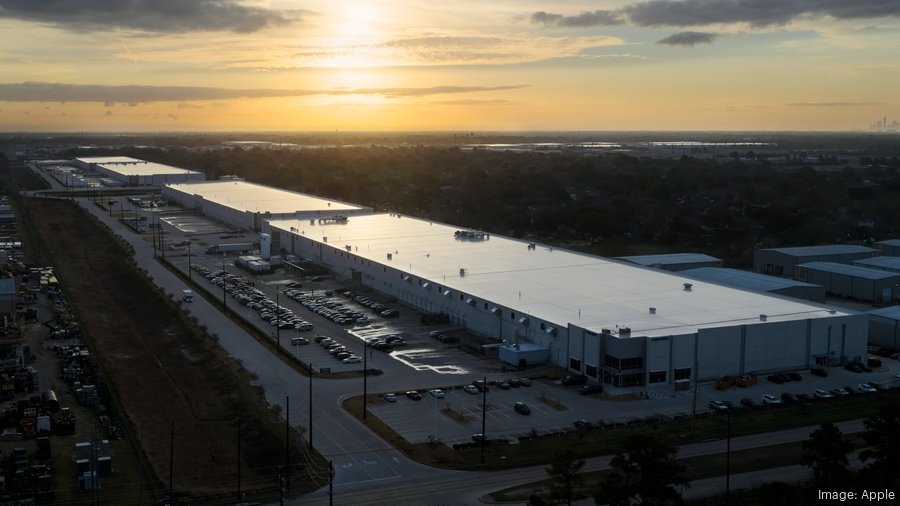
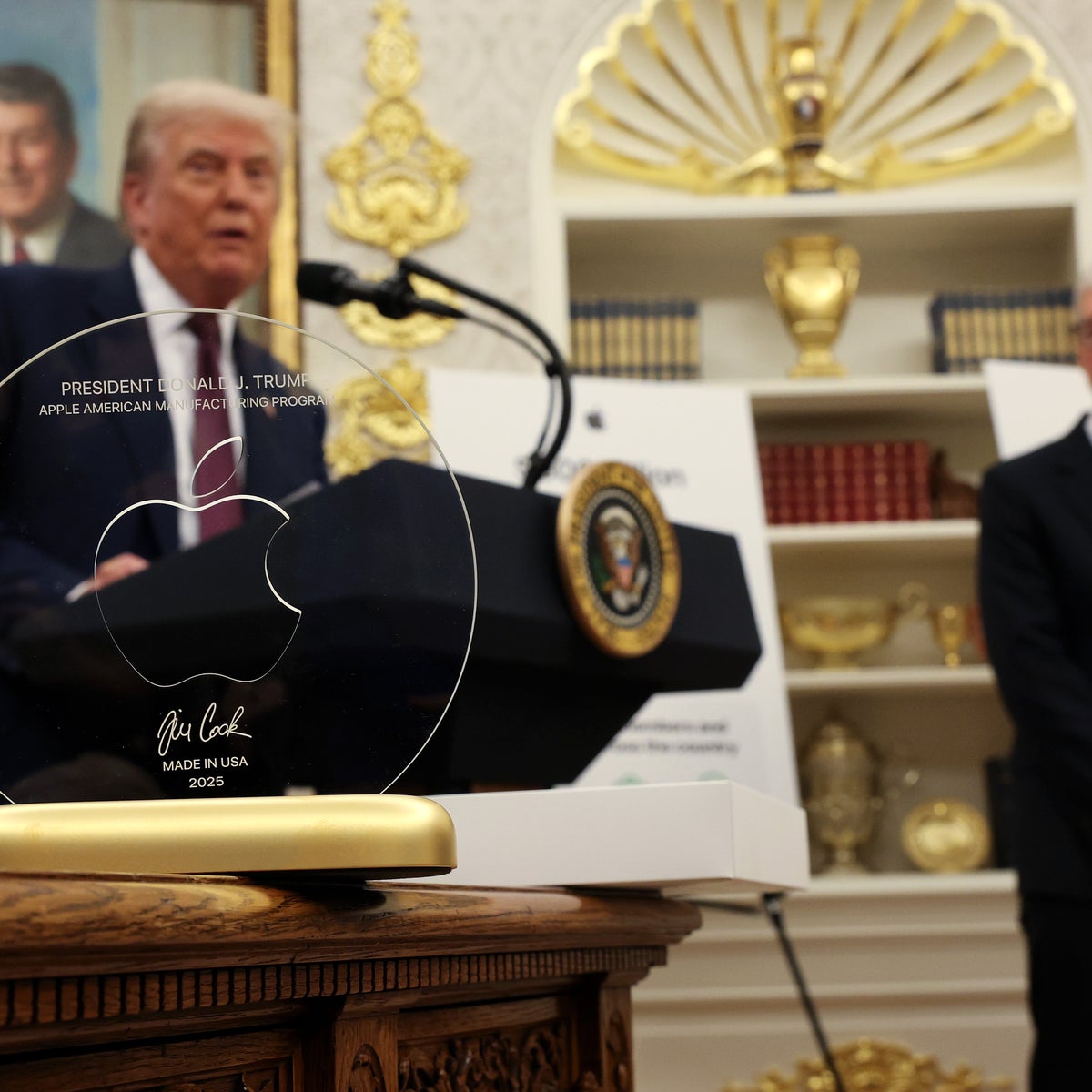
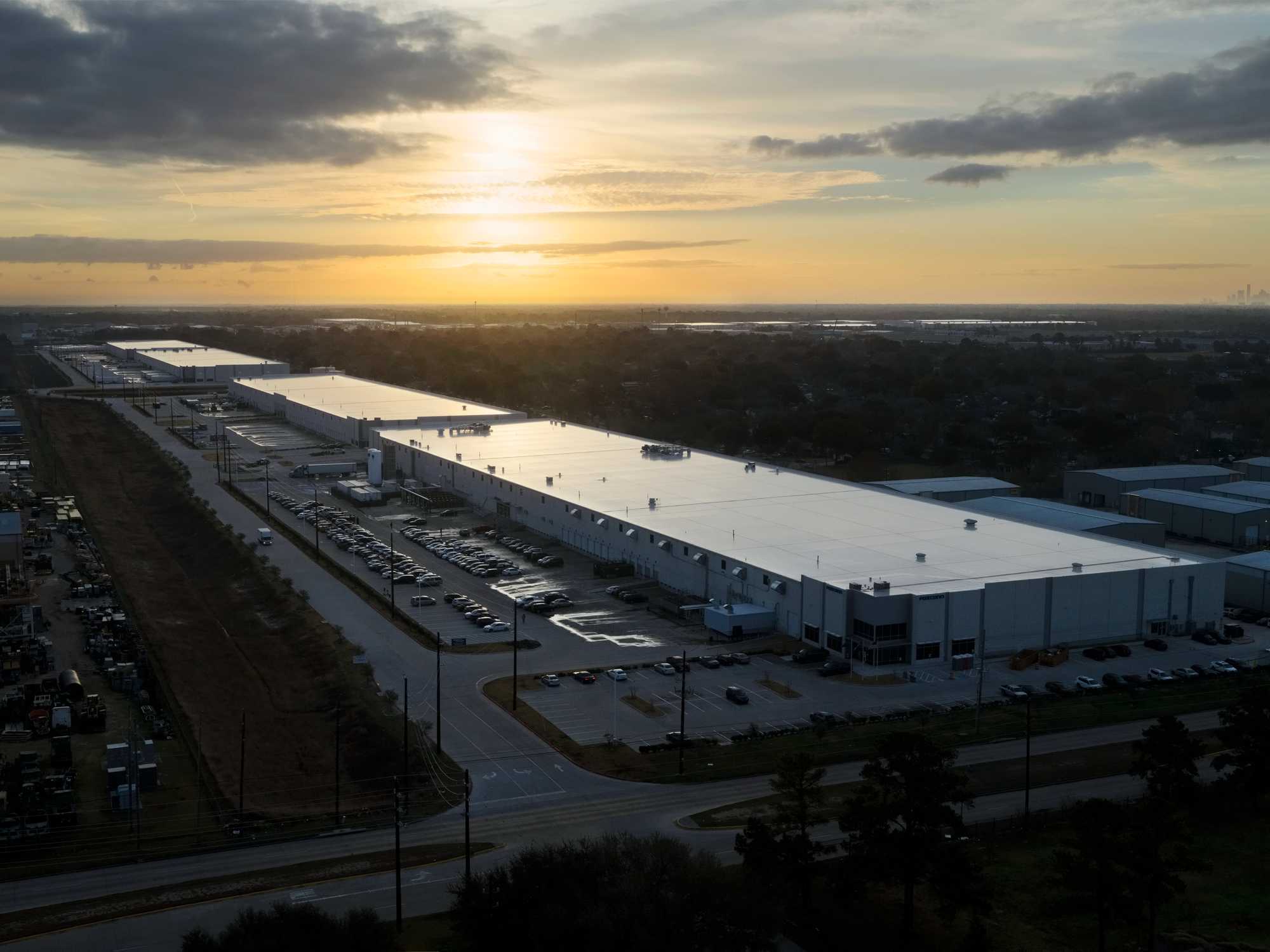
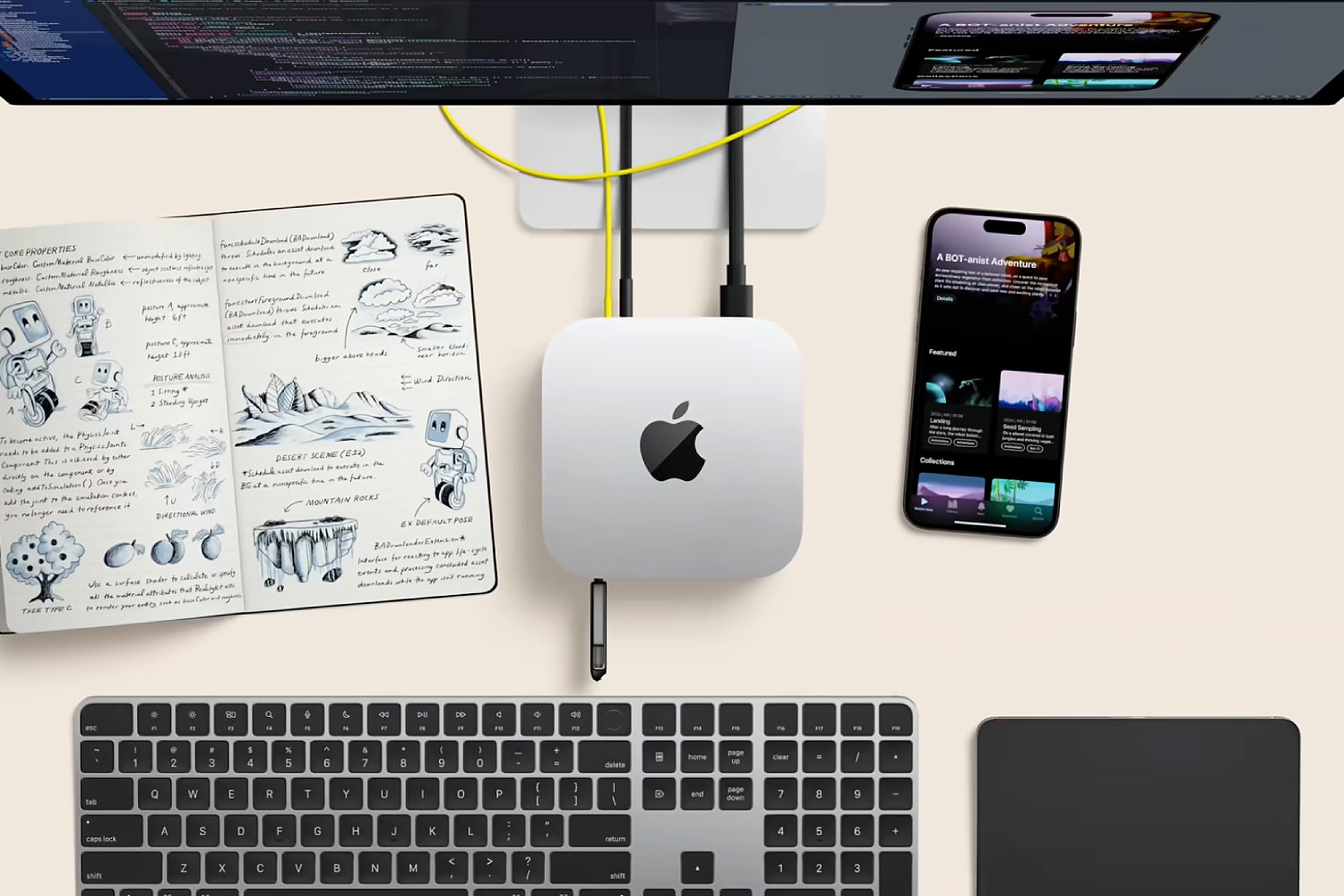
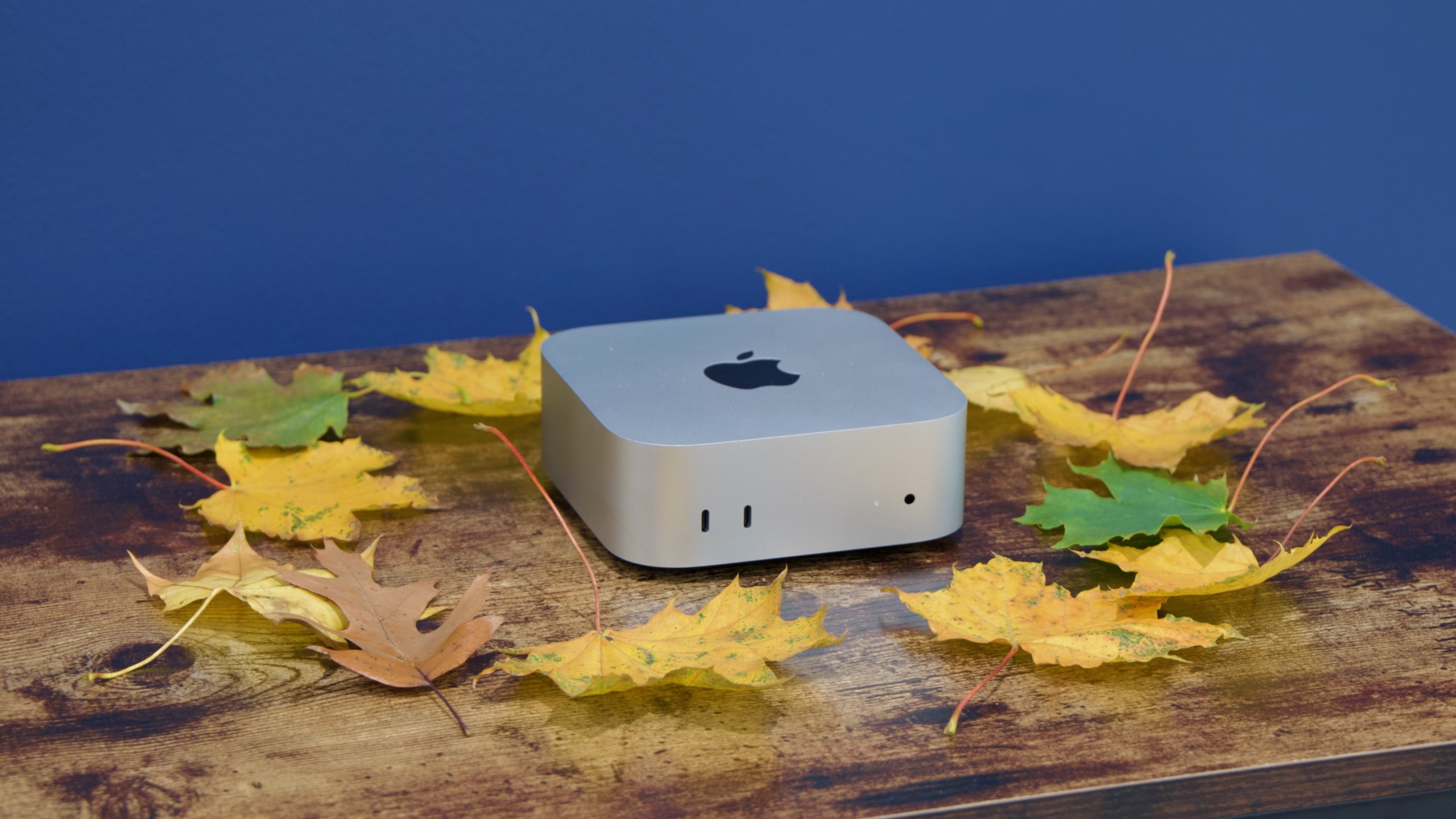
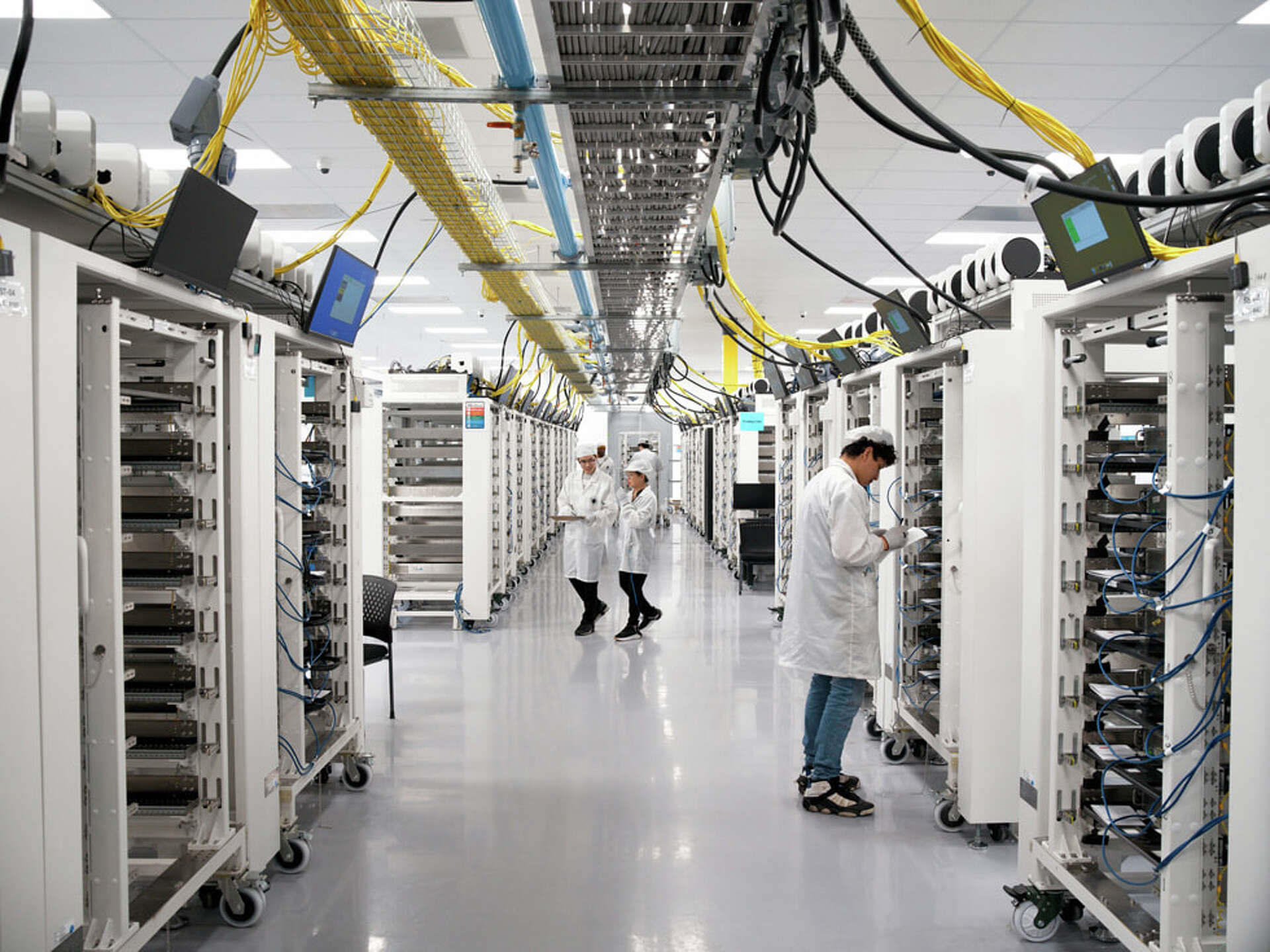
Apple's announcement to manufacture Mac Mini units at its Houston facility represents a significant supply chain reshoring event with direct implications for cross-border sellers, logistics providers, and tech product resellers. The company's $600 billion U.S. investment pledge, combined with the establishment of a 20,000-square-foot advanced manufacturing training center in north Houston, signals a fundamental shift in how premium computing hardware reaches U.S. markets. This move directly impacts sellers in multiple ways: domestic production eliminates the 30-45 day transpacific shipping delays previously required for Asia-manufactured units, reduces landed costs by 8-15% through eliminated international freight and tariff exposure, and creates immediate inventory positioning opportunities before Q4 2025 demand peaks.
Logistics Cost Implications: Currently, Mac Mini units sourced from Asia-based manufacturing incur approximately $45-65 per unit in ocean freight costs (LCL consolidation), 2-3% tariff exposure on $599-799 retail units, and 3-4 week lead times. Houston domestic production eliminates these costs entirely while reducing fulfillment lead times to 5-7 business days via ground shipping to regional 3PL hubs. For sellers maintaining 500+ unit monthly inventory, this represents $22,500-32,500 monthly freight savings plus 15-20% reduction in working capital tied up in transit inventory. The 20,000-square-foot training center opening "later this year" signals production ramp-up by Q3-Q4 2025, creating a critical window for sellers to reposition inventory strategies.
Inventory Positioning Strategy: Sellers should immediately evaluate current Mac Mini inventory levels and shift from just-in-time Asian sourcing to pre-positioned domestic stock at regional 3PL facilities in Dallas, Atlanta, and Chicago. The increased demand for Mac Mini units driven by AI agent development and edge computing adoption (explicitly mentioned in the announcement) suggests 25-40% volume growth through 2025. Sellers should stock 60-90 days of inventory at Houston-proximate warehouses (within 500 miles) to capture the first-mover advantage when domestic production begins. This requires immediate action: secure 3PL capacity commitments by Q2 2025, negotiate volume discounts with Apple's authorized distributors, and pre-position safety stock before production ramp-up creates allocation constraints.
Regional Warehouse Optimization: The Houston facility's emergence as a manufacturing hub creates strategic advantages for sellers using FBA and 3PL networks. Sellers should prioritize fulfillment center positioning in Texas (Houston, Dallas), Southeast (Atlanta, Charlotte), and Midwest (Chicago, Indianapolis) to minimize last-mile costs and delivery times. Ground shipping from Houston to these hubs costs $0.08-0.12 per pound versus $0.35-0.55 from West Coast ports, representing 60-65% logistics cost reduction. For sellers shipping 1,000+ units monthly, this translates to $3,200-5,500 monthly savings in fulfillment costs alone.
Questions 8
What compliance and logistics considerations apply to Houston-based Mac Mini fulfillment?
Houston-based fulfillment eliminates international customs clearance requirements, reducing documentation complexity and clearance delays from 3-5 days to zero. However, sellers must ensure compliance with Texas sales tax collection (8.25% state rate) and manage FBA's state-specific tax remittance requirements. Ground shipping from Houston to regional 3PLs requires standard domestic freight documentation (BOL, packing lists) versus international commercial invoices. Sellers should verify their 3PL provider's Texas warehouse licensing and insurance coverage for high-value electronics inventory (Mac Mini units at $599-799 retail). Establish relationships with Houston-based customs brokers and freight forwarders now, even though domestic production eliminates tariff exposure—these providers will manage inbound logistics from Apple's manufacturing facility to regional distribution hubs. This transition from international to domestic logistics reduces compliance risk by 40-50% while improving supply chain visibility.
What is the total landed cost impact of Houston production versus Asia sourcing?
Current Asia-sourced Mac Mini landed costs include: ocean freight ($45-65/unit), tariffs (2-3% on $599-799 = $12-24/unit), insurance ($2-3/unit), and 30-45 day inventory carrying costs (approximately $8-12/unit at 15% annual holding rate). Total: $67-104 per unit in logistics and carrying costs. Houston domestic production reduces this to ground shipping only ($0.08-0.12/lb = approximately $4-6 per unit for 5-6 lb Mac Mini), eliminating tariffs and reducing inventory carrying costs by 60-70% through faster fulfillment. Net savings: $61-98 per unit, or 58-94% reduction in logistics costs. For sellers moving 1,000 units monthly, this represents $61,000-98,000 monthly cost reduction, directly improving gross margins by 8-12% on Mac Mini product lines.