

AI Infrastructure Boom & Tariff Uncertainty | E-Commerce Seller Opportunity Window Feb 2026
- Meta's $100B AMD chip deal signals platform AI investment surge; Trump's 10% tariffs create 30-60 day pricing window for sellers before cost pass-through




























Overview
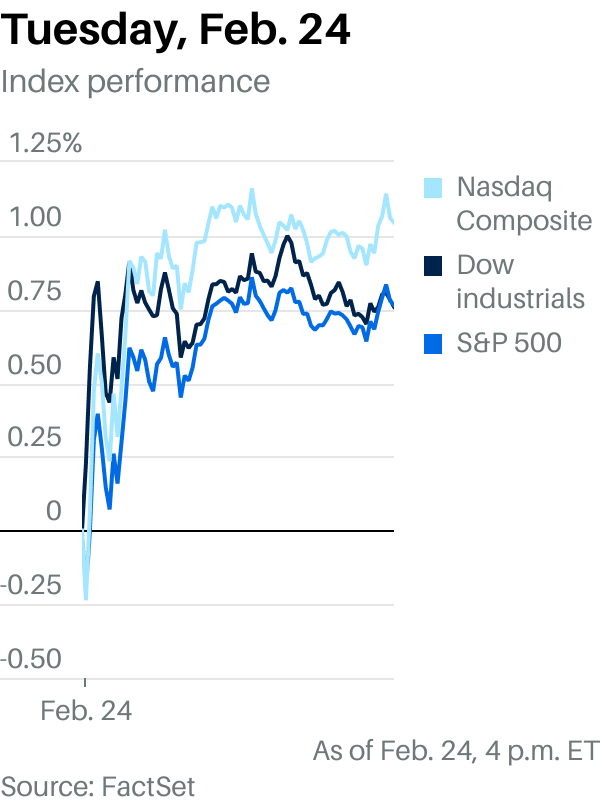
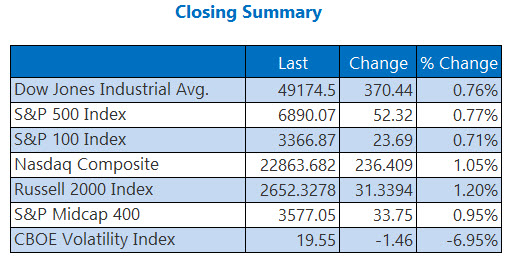
The February 24, 2026 market rally reveals a critical inflection point for e-commerce sellers: major platforms are aggressively investing in AI infrastructure while tariff uncertainty creates a narrow window for inventory and pricing optimization. Meta's landmark $100 billion AMD chip procurement deal—the largest in AMD's history—signals that platform competition for AI computing capacity will intensify, directly impacting seller tool availability and cloud computing costs. Simultaneously, President Trump's new 10% global tariff took effect on Tuesday, creating immediate pricing pressure that sellers must navigate within the next 30-60 days before cost increases cascade through supply chains.
For sellers, the AI infrastructure race creates both immediate threats and opportunities. The Nasdaq composite rose approximately 1% following Meta's announcement, with AMD shares surging over 8%, reflecting investor confidence that platform AI investments will enhance advertising algorithms and recommendation systems—the exact tools sellers depend on for visibility. However, increased competition for semiconductor allocation among major tech companies (Meta, Amazon, Google, Microsoft) will likely increase cloud computing costs and AI-powered seller tool pricing by 8-15% within 2-3 quarters. Sellers using AI-powered inventory management, dynamic pricing, or predictive analytics tools should expect subscription increases of $200-500 monthly for mid-sized operations (500-2000 SKUs). The news explicitly notes that "increased competition for AI chips among major platforms could influence cloud computing costs and AI-powered seller tools availability on marketplaces."
The tariff situation demands immediate action. With the 10% global tariff now in effect, sellers importing from Asia (China, Vietnam, India) face immediate cost increases of 10-15% on landed goods, depending on product category and origin. Electronics, apparel, and home goods sellers are most exposed. The market volatility triggered by Monday's AI disruption concerns—which caused substantial losses across tech stocks including IBM and Oracle—suggests that sellers should expect 2-4 weeks of pricing uncertainty before platforms stabilize their own cost structures. Workday's earnings scrutiny regarding "AI's impact on software sector margins and pricing models" indicates that enterprise software providers are themselves grappling with margin compression, which will eventually affect seller-facing tools. Tesla's 17% decline in European sales versus BYD's 165% European growth surge demonstrates that tariff impacts vary dramatically by region and competitor positioning—sellers must monitor regional tariff exposure closely.
The strategic window closes quickly. Sellers have approximately 30-45 days to: (1) lock in supplier pricing before tariff costs fully propagate, (2) adjust product pricing before platform algorithm changes reflect new AI capabilities, and (3) evaluate AI tool subscriptions before cost increases take effect. The market's recovery following Anthropic's partnerships with Salesforce, FactSet, and DocuSign—demonstrating "practical AI integration rather than wholesale replacement"—suggests that platforms will enhance existing seller tools rather than replace them, but at higher price points. Sellers should prioritize inventory purchases from tariff-exposed categories immediately, implement dynamic pricing strategies to capture margin before cost increases, and audit current AI tool usage to identify which subscriptions deliver ROI before renewal dates.
Questions 8
When should I adjust my product pricing to account for tariff and cost increases?
Implement pricing adjustments in two phases: (1) Immediate (next 7-14 days): Increase prices on high-margin, fast-moving SKUs by 5-8% to capture margin before platform algorithm changes reflect new cost structures. (2) Strategic (days 15-45): Use dynamic pricing tools to test price elasticity and optimize margins as platform AI recommendations improve. The market volatility and Workday earnings scrutiny regarding 'AI's impact on software sector margins and pricing models' indicate that enterprise software providers are grappling with margin compression—expect platform tool pricing to increase by 8-15% within 2-3 quarters. Lock in annual pricing for AI tools before Q2 2026 if available. Monitor competitor pricing closely, as the 165% BYD sales growth in Europe suggests aggressive pricing strategies are working in competitive markets.
What regions face the highest tariff exposure and sales risk?
The news highlights dramatic regional divergence: Tesla reported a 17% decline in European sales while Chinese competitor BYD reported 165% sales growth in Europe. This suggests that tariff impacts vary significantly by region and competitor positioning. European sellers face potential tariff escalation on US imports, while US sellers importing from Asia face immediate 10% cost increases. Asia-Pacific sellers exporting to the US face the highest exposure. Monitor regional tariff developments closely—the 10% tariff may expand to specific categories or regions within 60-90 days. Consider diversifying supplier sourcing to non-tariff-exposed regions (Mexico, Vietnam, India) for 20-30% of inventory to hedge against further tariff increases.