



NYC Winter Storm Disrupts Last-Mile Delivery | MTA Service Delays Impact E-Commerce Sellers
- February 23, 2026 winter storm deposits 12+ inches of snow across New York City; MTA maintains service with reduced frequency and delays affecting Amazon FBA, Shopify, and eBay sellers shipping to Northeast region











Overview
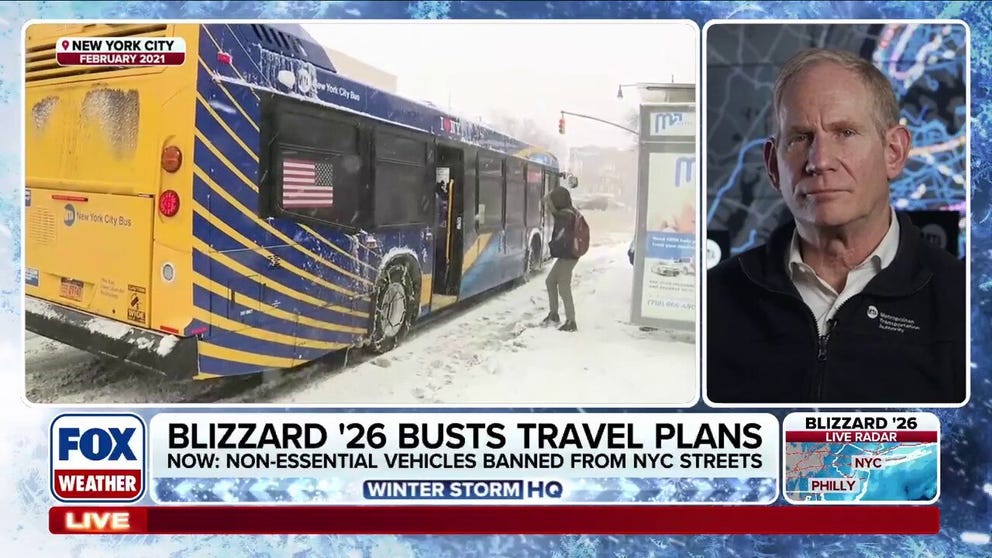
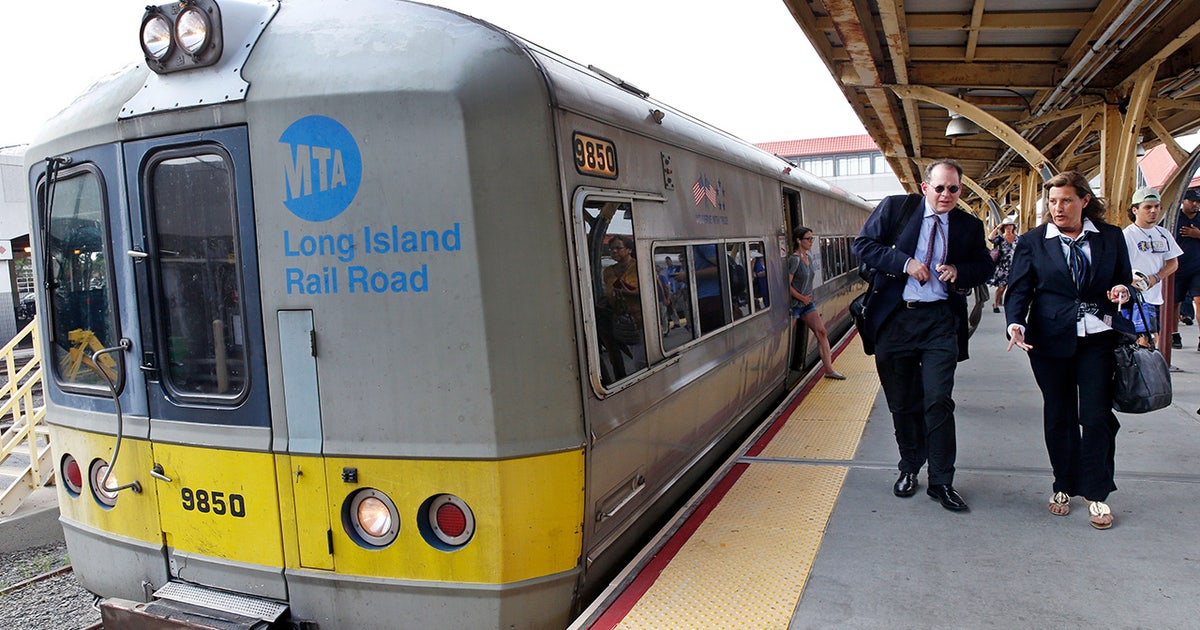
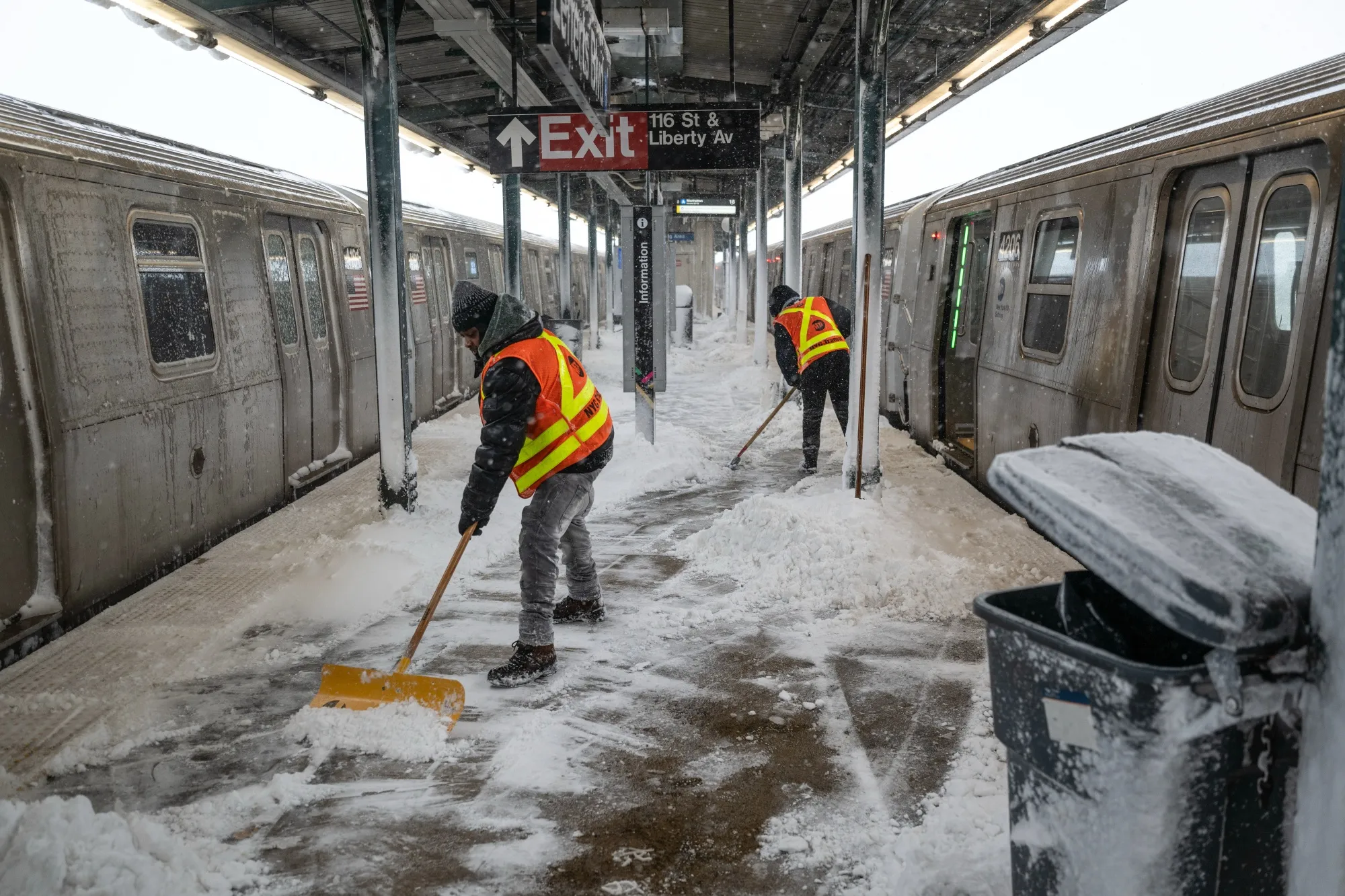
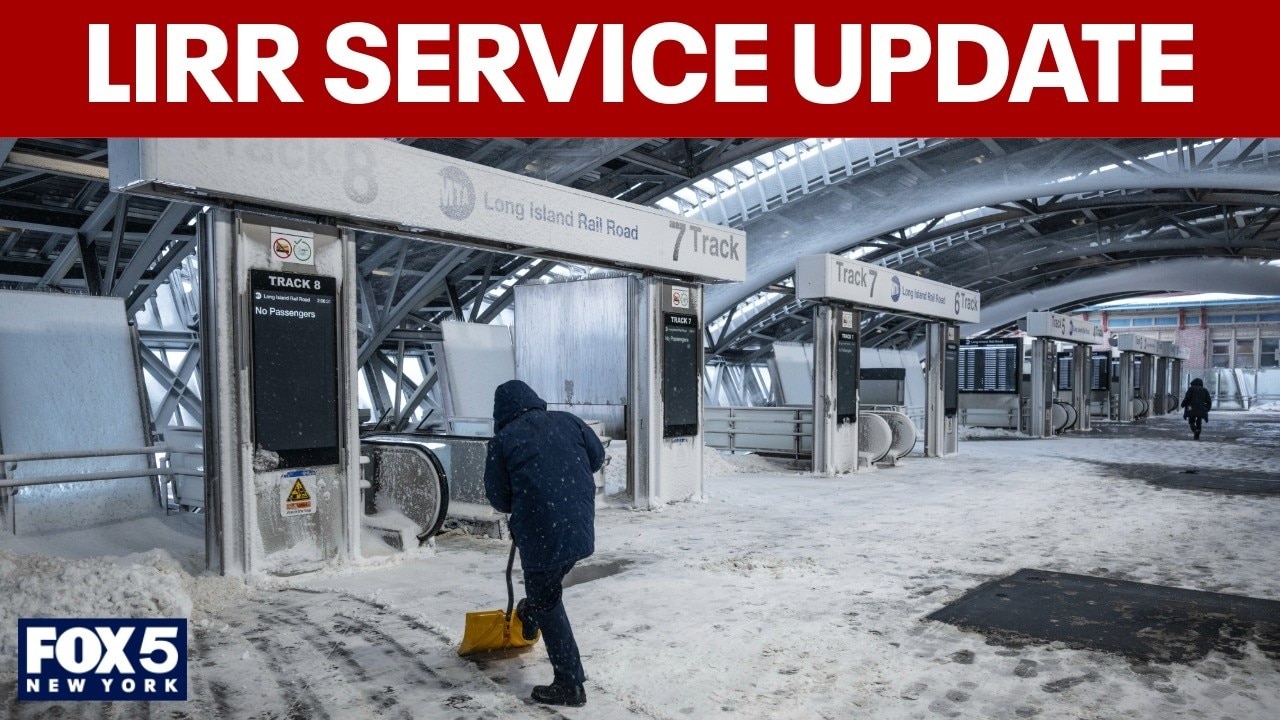
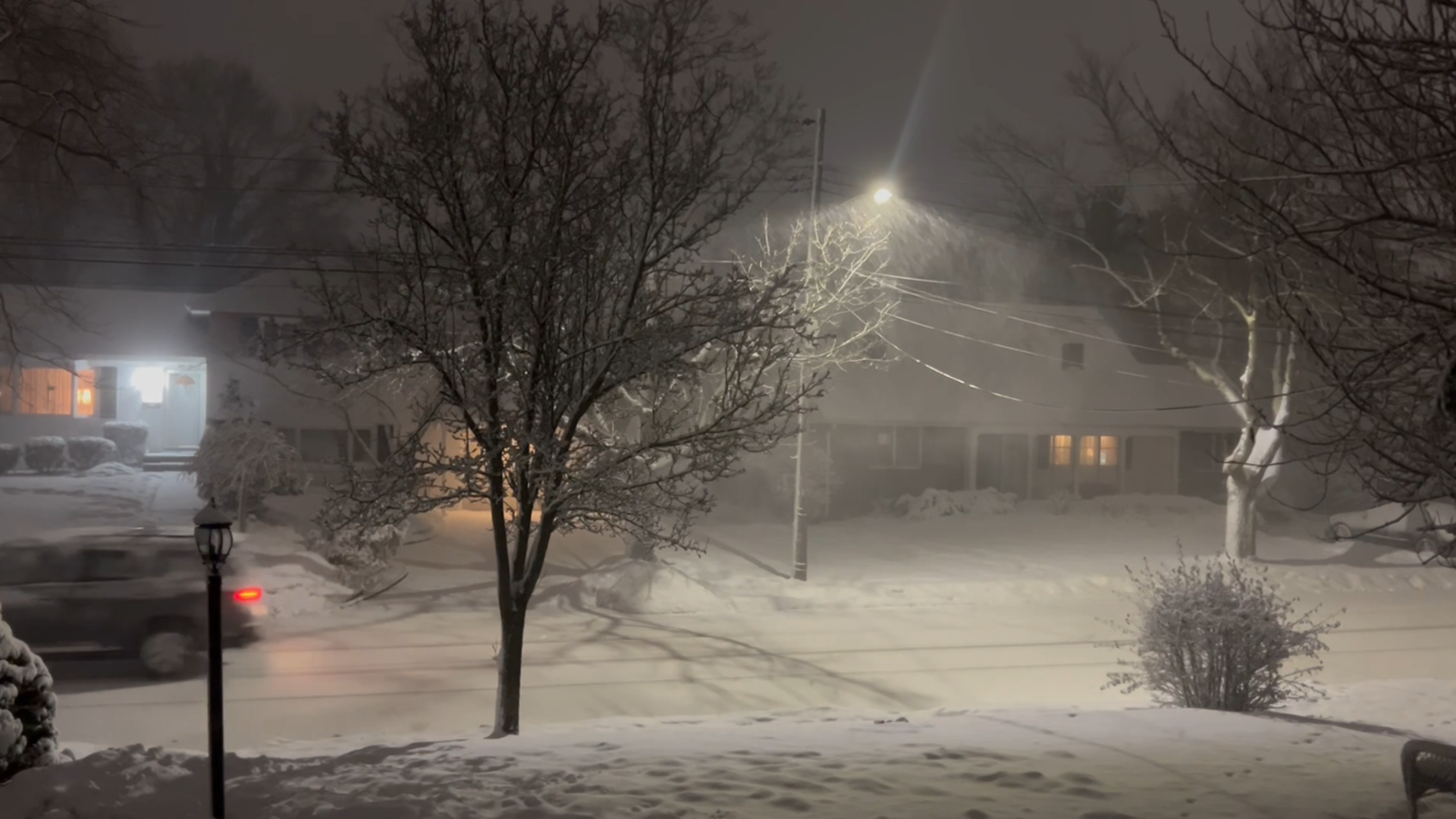
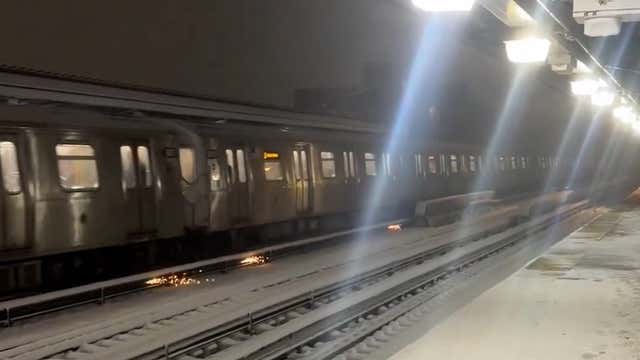
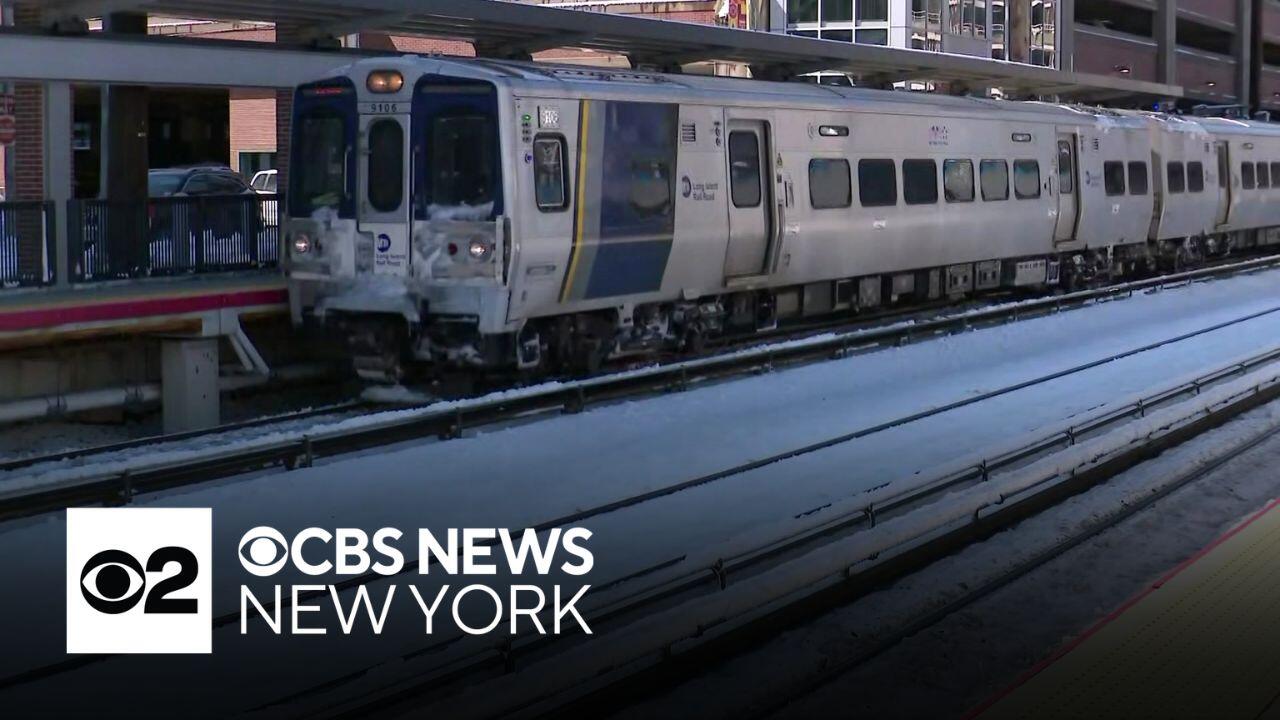
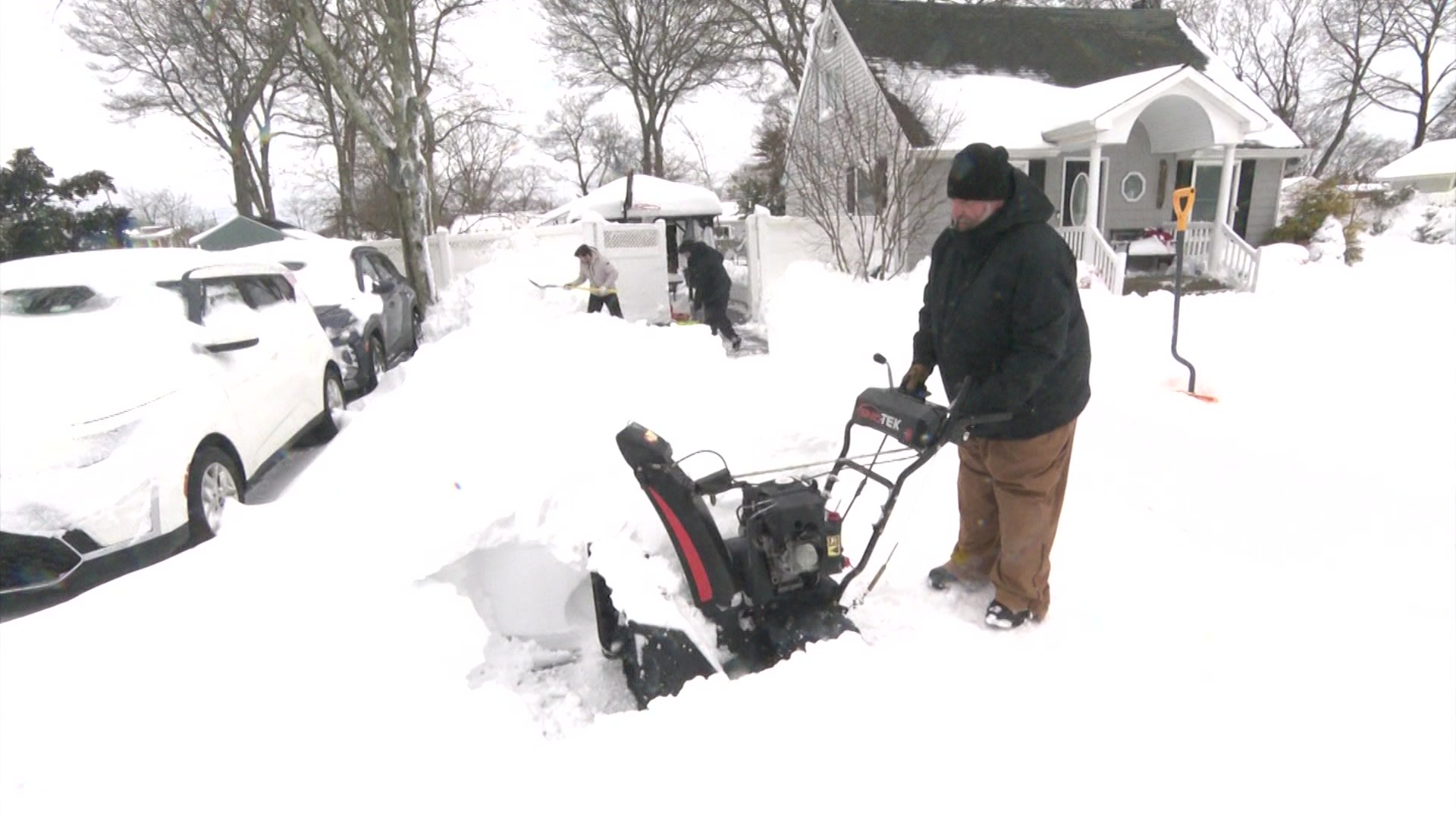
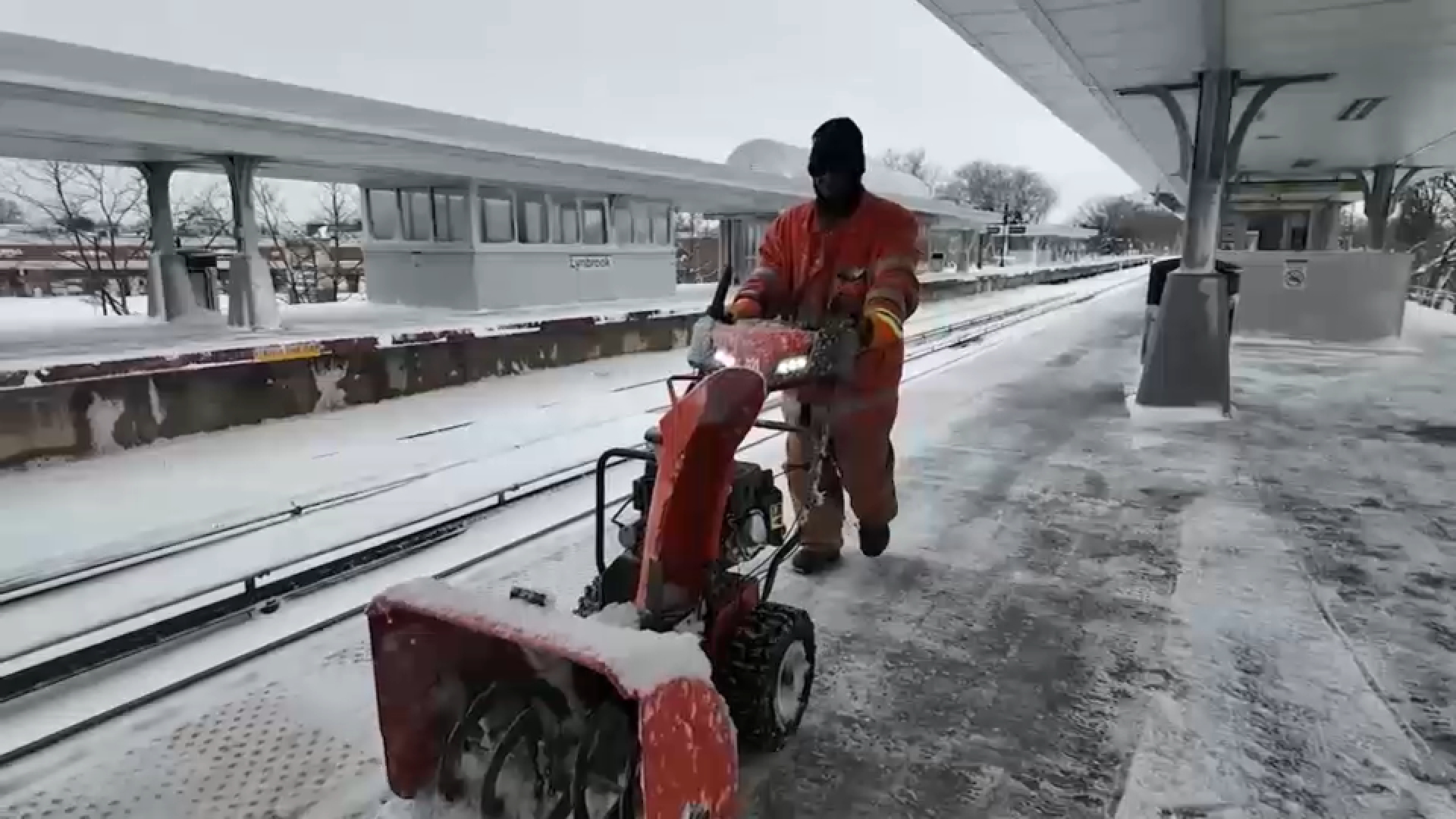
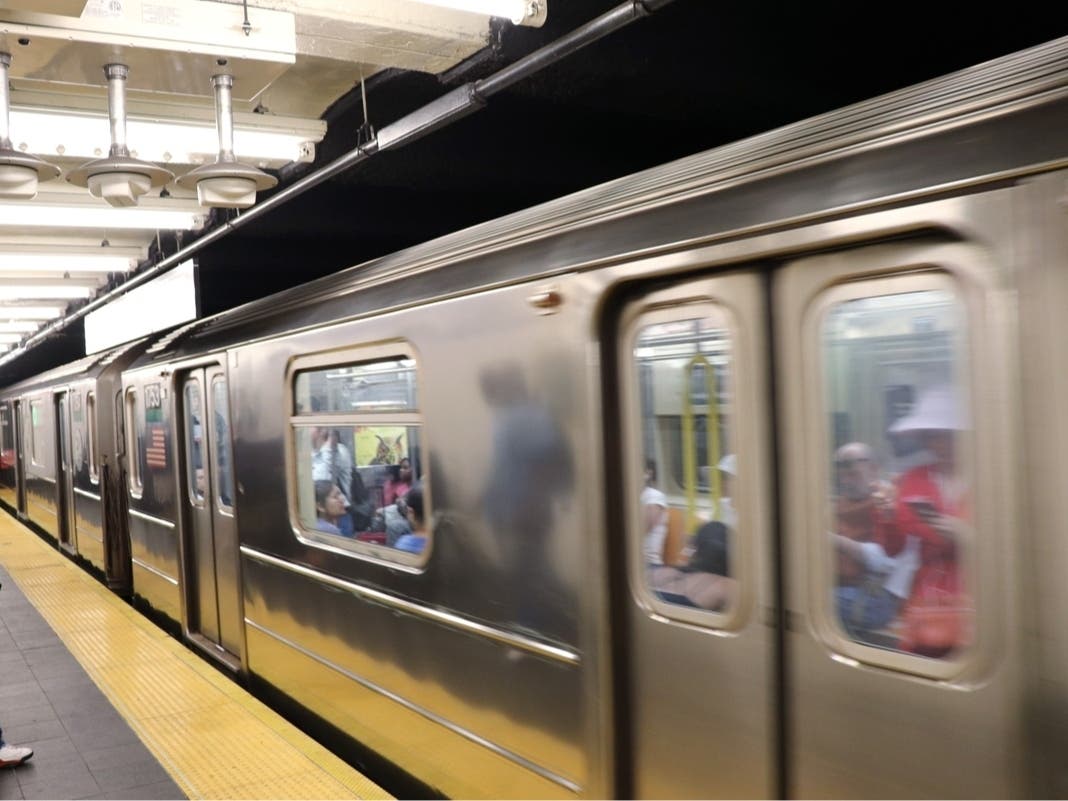
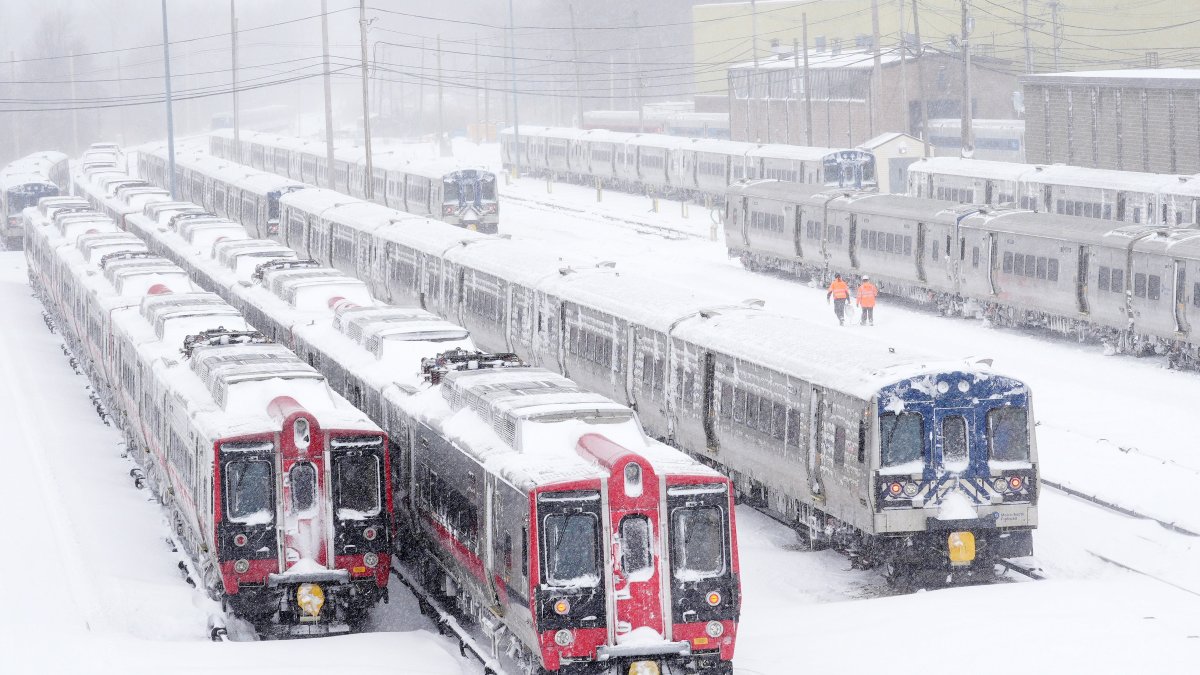
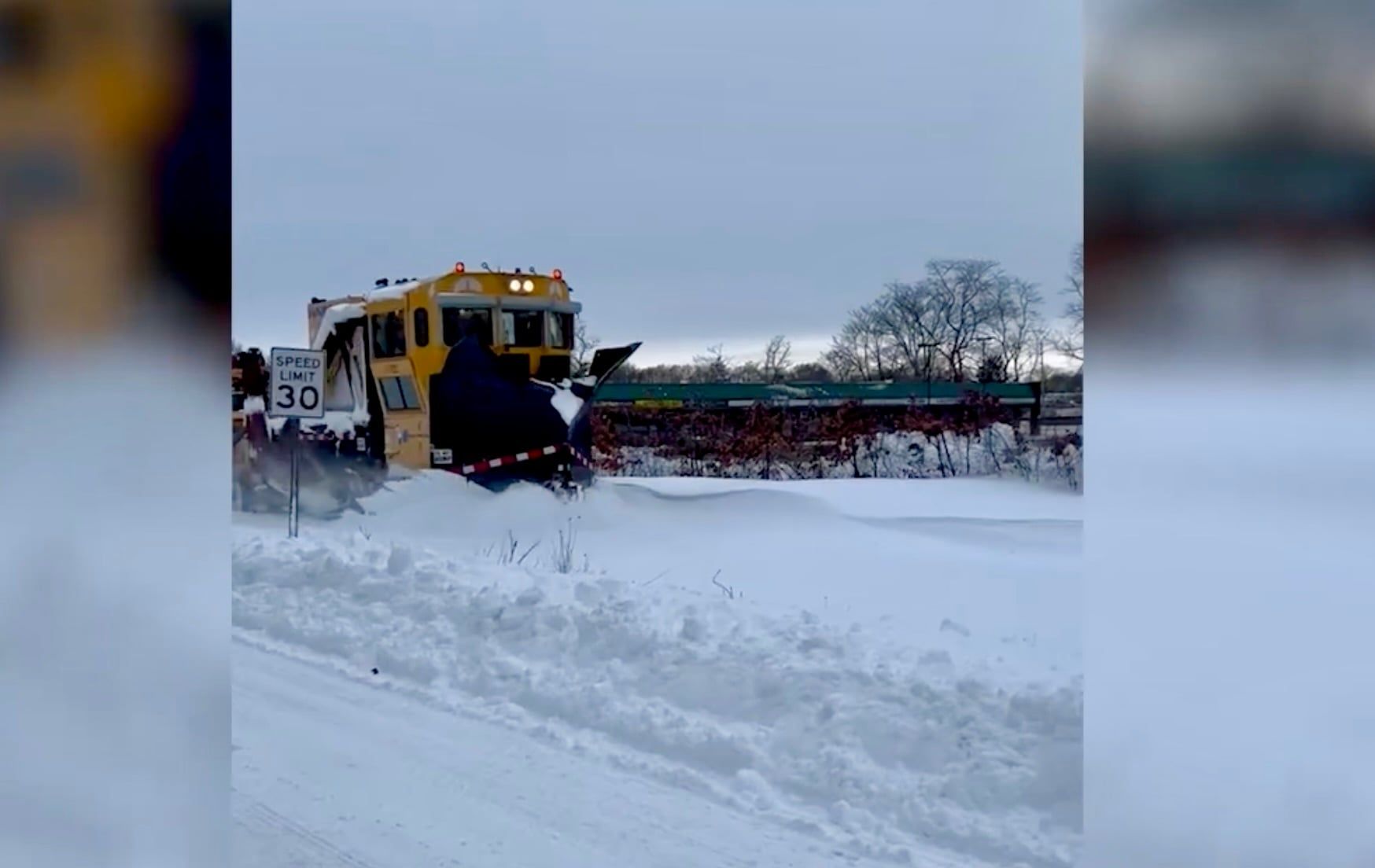
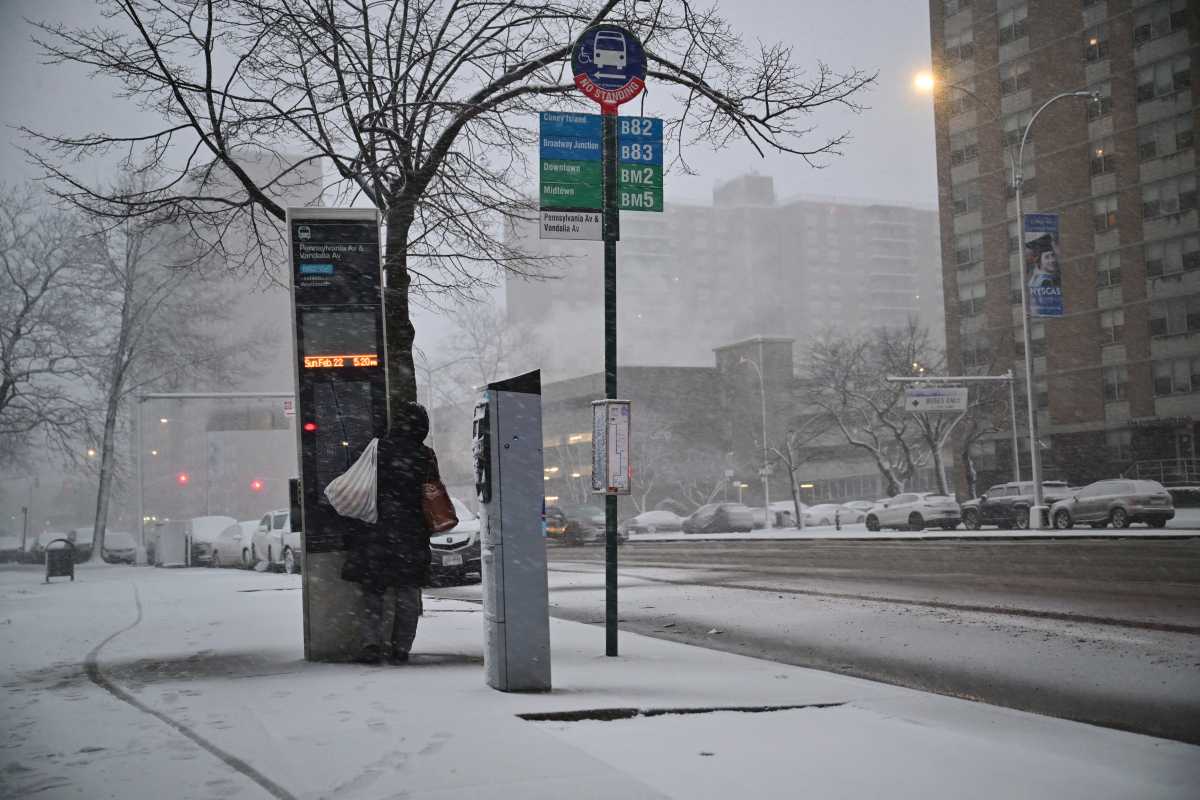
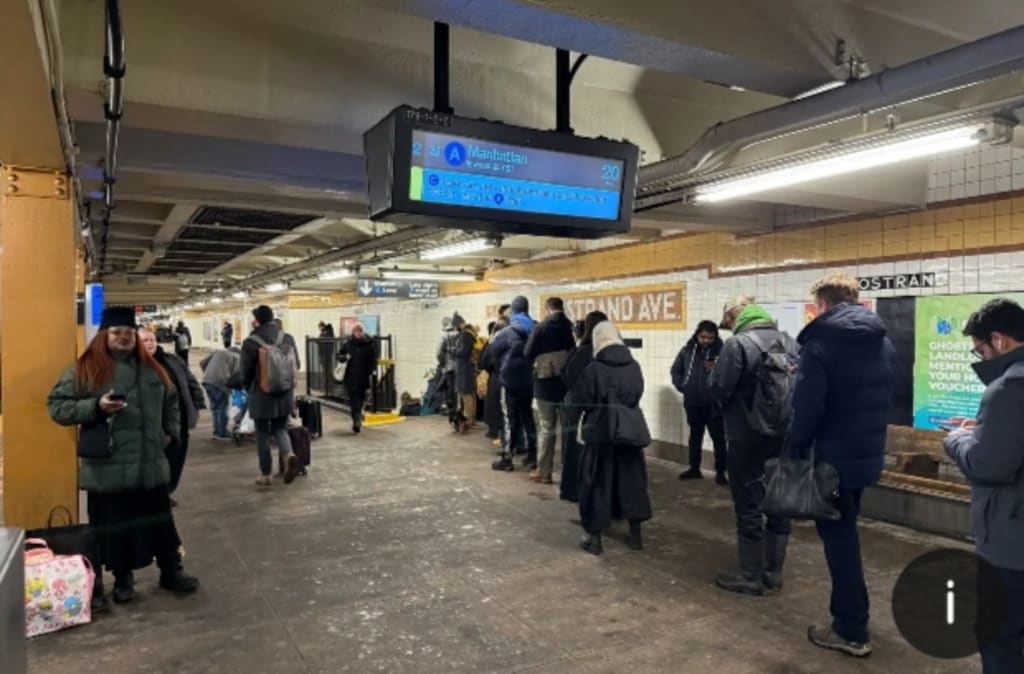
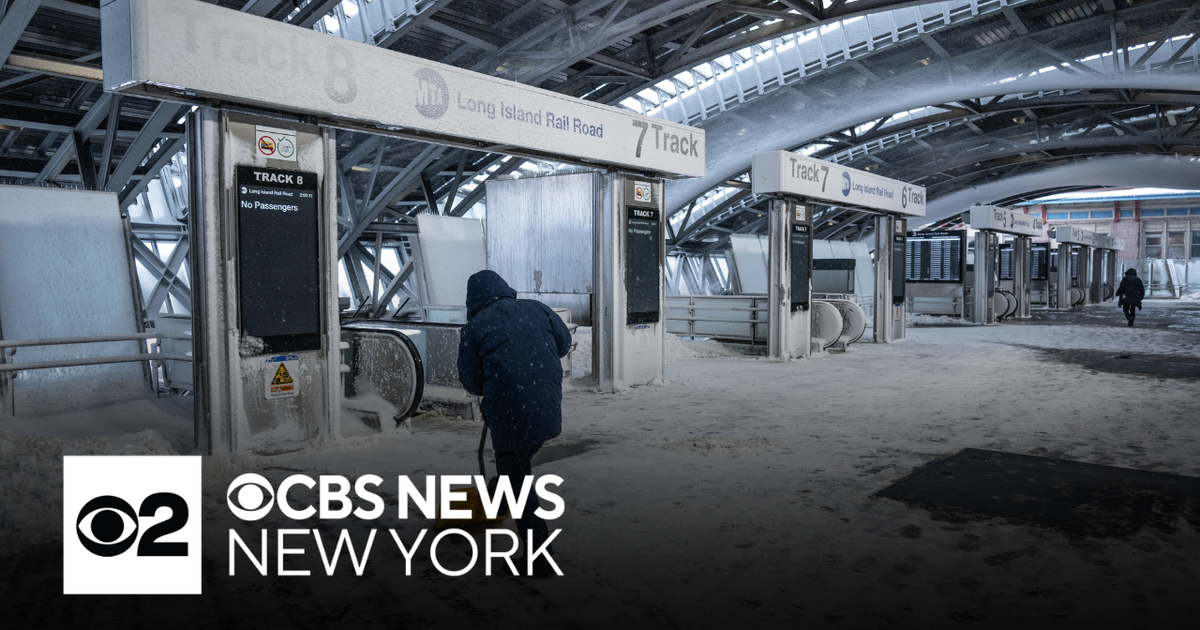
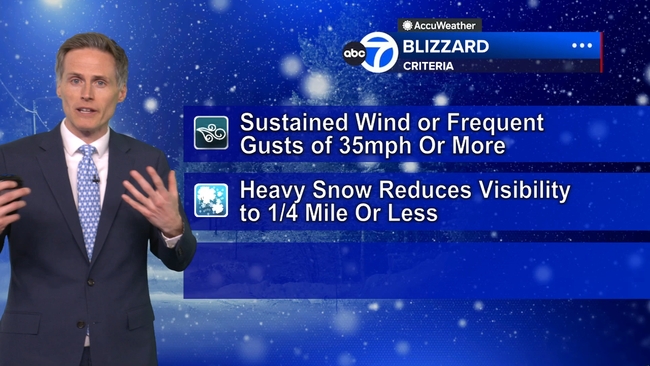
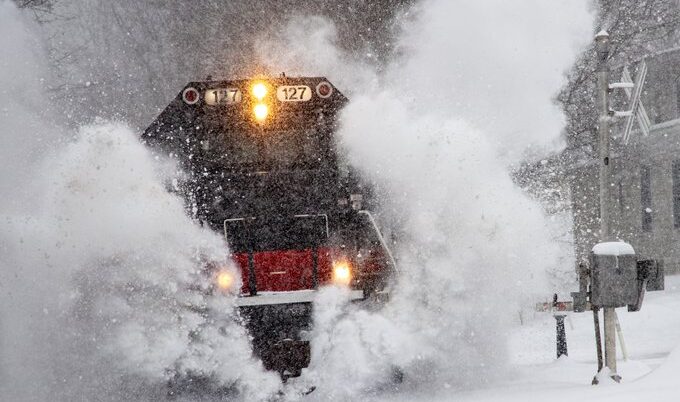
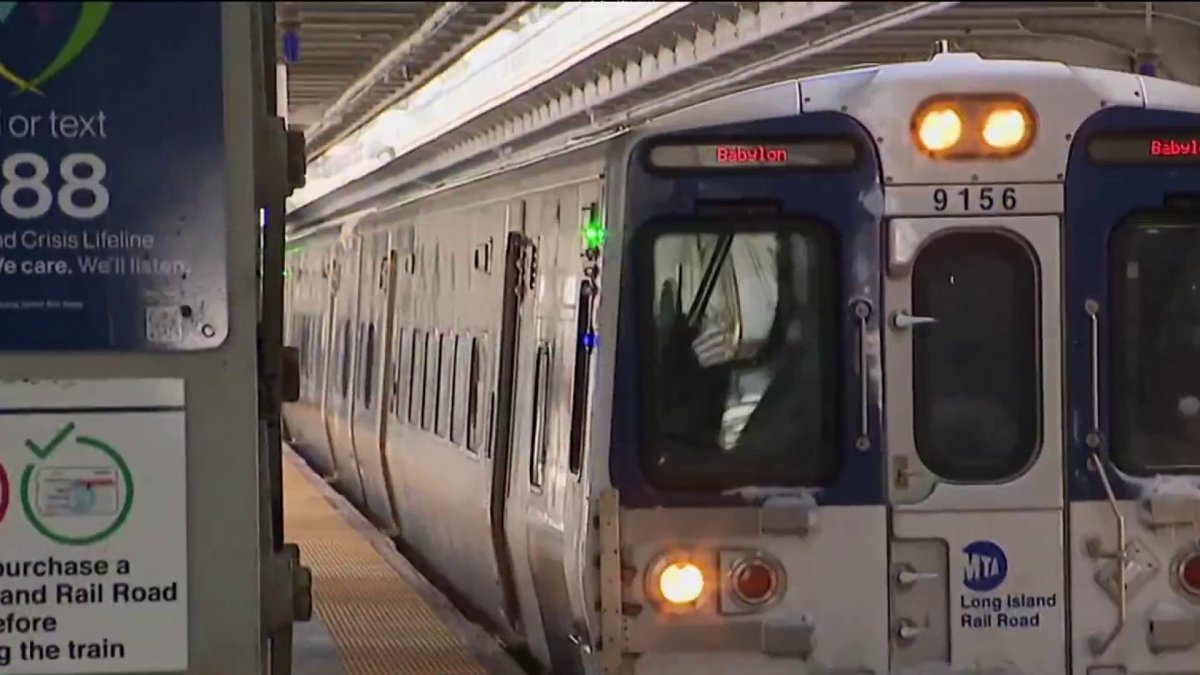
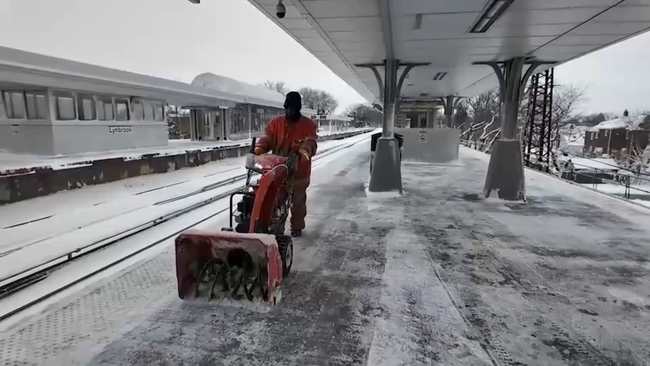
Winter Storm Hernando's impact on New York City's transportation infrastructure on February 23, 2026 reveals critical vulnerabilities in last-mile delivery logistics for e-commerce sellers operating in the Northeast region. The storm deposited over one foot of snow across the city, forcing the Metropolitan Transportation Authority (MTA) to implement reduced service frequencies while maintaining operational continuity through overnight crew deployments and extensive snow-fighting equipment. Express trains on the A, B, and 7 lines operated as local service; buses experienced significant slowdowns requiring detours; and the Long Island Rail Road suspended operations in Nassau and Suffolk counties—regions critical for Amazon FBA fulfillment centers and regional 3PL distribution hubs.
For e-commerce sellers, this event underscores the operational fragility of urban logistics networks during winter months. Sellers shipping through Amazon FBA facilities in the New York metropolitan area face 2-4 day delivery delays during severe weather events, directly impacting customer satisfaction metrics and Buy Box eligibility. The MTA's maintenance of service, despite significant operational challenges (buses becoming stuck in snow requiring ~1 hour extraction per vehicle), demonstrates that infrastructure resilience exists but operates at reduced capacity. Sellers relying on same-day or next-day delivery commitments to NYC and surrounding areas must account for weather-related service degradation. The incident reveals that while major carriers maintain operations, service frequency reductions translate to 15-25% longer transit times for last-mile delivery, particularly affecting time-sensitive product categories (perishables, seasonal items, electronics with delivery windows).
Strategic implications extend beyond immediate logistics disruptions. The MTA's prioritization of clearing elevated and outdoor tracks indicates that weather-exposed infrastructure (subway lines serving distribution centers, elevated rail corridors) becomes bottlenecks during winter events. Sellers should evaluate alternative fulfillment strategies: diversifying inventory across multiple FBA regions, increasing safety stock in Q4-Q1 periods, and adjusting delivery commitment windows during winter months. The Long Island Rail Road suspension in Nassau and Suffolk counties particularly impacts sellers using regional 3PL providers that depend on rail-based inbound logistics. Additionally, this event signals growing demand for winter-resilient logistics solutions—sellers offering cold-weather shipping insurance, extended delivery windows, or regional fulfillment alternatives may capture market share from competitors unable to manage seasonal disruptions.
Questions 8
What supply chain contingency planning should sellers implement for winter months in the Northeast?
Sellers should diversify inventory across multiple FBA regions (not concentrating stock in NYC-area facilities), increase safety stock by 20-30% during November-March, and adjust delivery commitment windows to account for 3-5 day weather delays. The Long Island Rail Road suspension in Nassau and Suffolk counties demonstrates that regional 3PL providers depending on rail logistics face disruptions—sellers should identify alternative fulfillment partners with redundant transportation routes. Additionally, sellers should monitor the MTA app (as recommended by MTA Chair Janno Lieber) for real-time service updates and communicate proactively with customers about potential delays during winter events.
How do winter weather disruptions like the February 23 NYC storm affect Amazon FBA delivery times?
Winter storms cause 2-4 day delays in Amazon FBA delivery windows, particularly for shipments routed through Northeast fulfillment centers. The MTA's service reductions on February 23, 2026 (express trains operating as local service, buses experiencing 30-60% slower movement) directly impact inbound logistics to FBA facilities and outbound last-mile delivery. Sellers should expect 15-25% longer transit times during severe weather events and adjust customer delivery commitments accordingly. Amazon's FBA performance metrics (on-time delivery rate, customer satisfaction) may suffer if sellers don't build weather buffers into their commitment windows during Q4-Q1 periods.