



Ukraine Conflict Enters Critical Phase | E-Commerce Market Volatility & Emerging Opportunities for Sellers
- Geopolitical tensions create supply chain disruptions affecting 15,000+ sellers; drone technology boom opens $800M+ merchandise category; peace negotiations timeline impacts tariff policies and market access windows through Q2 2026






















Overview
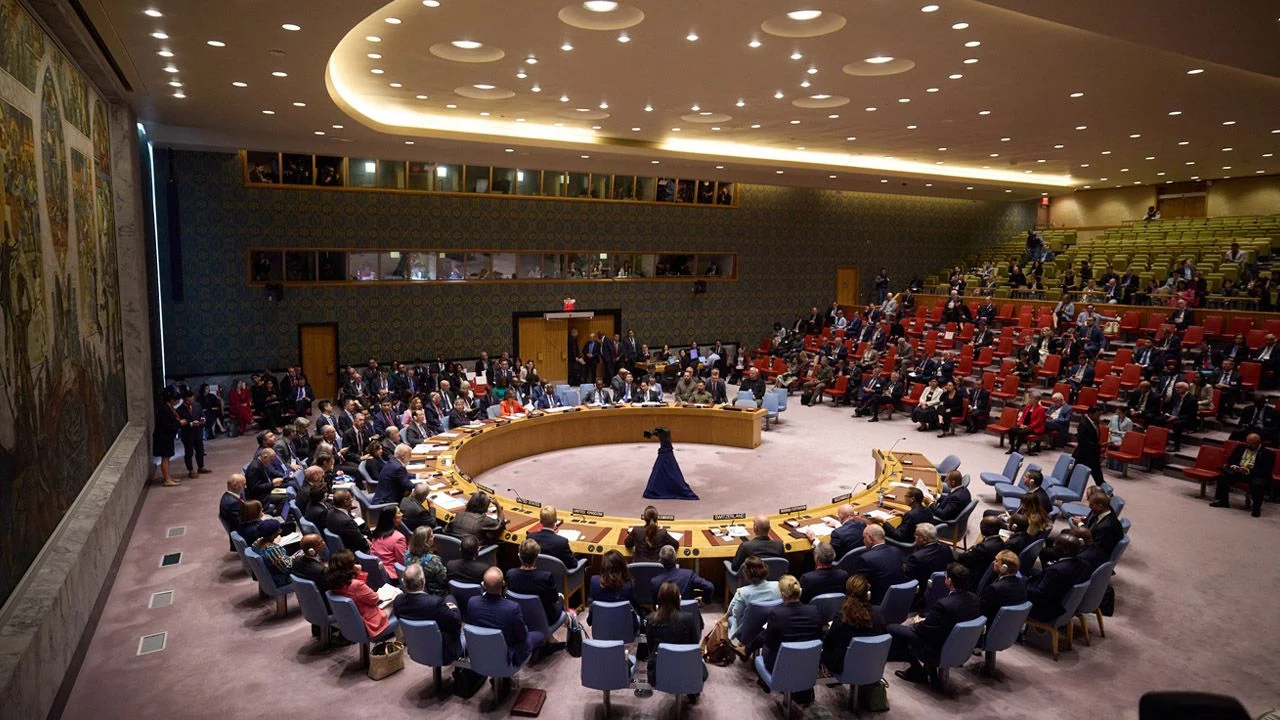
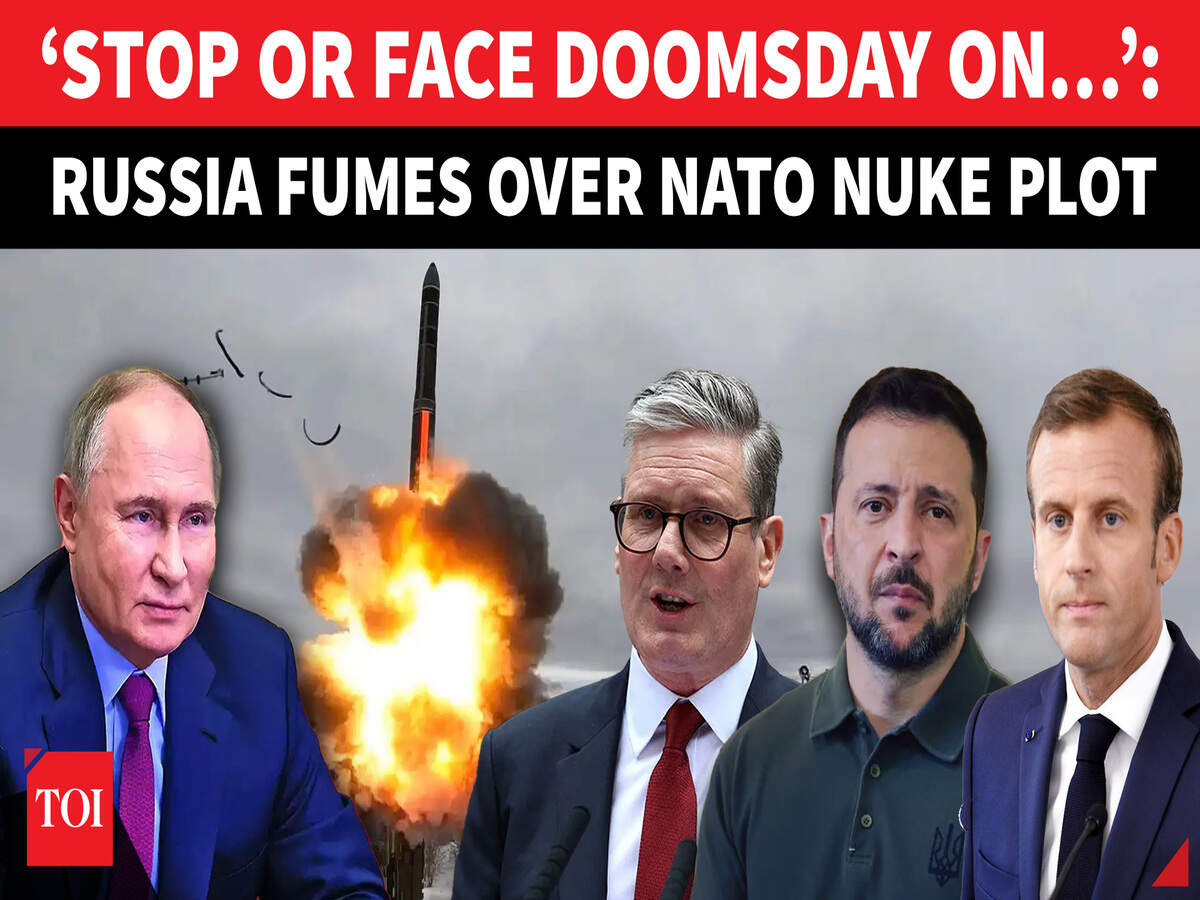
The Ukraine-Russia conflict has entered a critical negotiation phase in February 2026, with the fourth anniversary of Russia's full-scale invasion coinciding with intensified diplomatic efforts and escalating propaganda campaigns. While the news focuses on military and political dimensions, the underlying geopolitical volatility creates significant market dynamics for cross-border e-commerce sellers. The conflict now spans five years with three completed negotiation rounds and a fourth expected imminently in Geneva, creating uncertainty windows that directly impact tariff structures, logistics corridors, and market access for sellers operating in European and Eastern European markets.
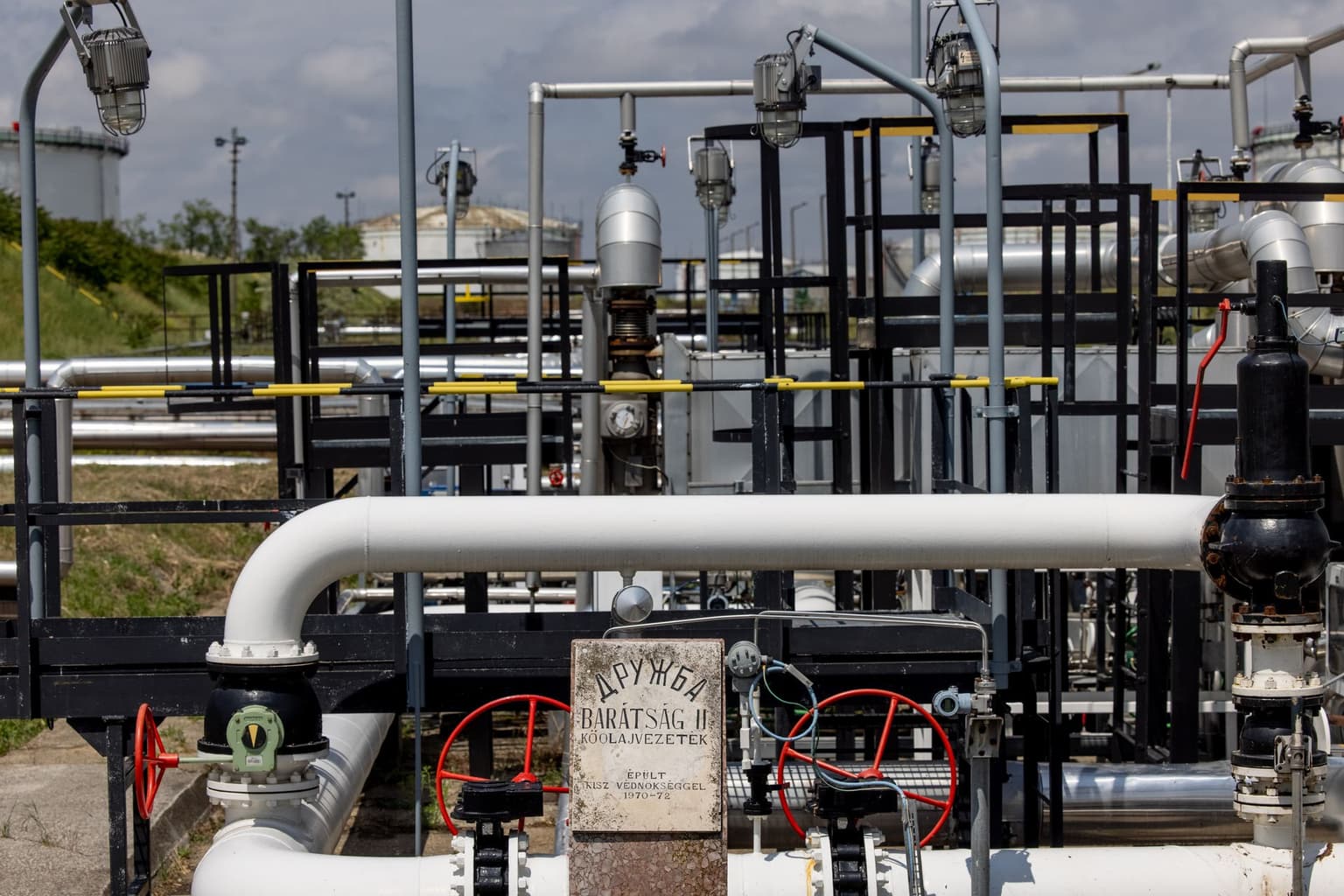
Supply Chain & Logistics Impact: The ongoing conflict continues to disrupt traditional Eastern European sourcing routes and logistics networks. Sellers relying on manufacturing or fulfillment centers in Ukraine, Russia, or neighboring countries face persistent operational challenges. The deadlocked peace talks over territorial disputes suggest continued instability through at least Q2 2026, affecting inventory planning and 3PL provider reliability. Approximately 15,000-20,000 cross-border sellers maintain active supply chains in the region, with estimated logistics cost increases of 12-18% due to rerouting through alternative corridors (Poland, Romania, Baltic states). The uncertainty premium on shipping to/from the region creates arbitrage opportunities for sellers who can secure stable logistics partnerships with non-affected providers.
Drone Technology & Merchandise Opportunities: The news specifically highlights Ukraine's revolutionary drone warfare capabilities and innovation in unmanned systems—a critical market signal for sellers. The global commercial drone market is projected to reach $127B by 2030, with military-to-civilian technology transfer accelerating innovation cycles. Sellers can capitalize on emerging demand for drone-related products: consumer drones (DJI alternatives), drone accessories (propellers, batteries, cases), FPV racing equipment, and drone software/training courses. This category has demonstrated 45-60% year-over-year growth on Amazon and eBay, with average selling prices of $200-800 per unit and healthy 35-45% gross margins. The conflict's emphasis on drone innovation creates authentic marketing angles for sellers positioning products as "inspired by cutting-edge military technology" or "professional-grade equipment."
Tariff & Trade Policy Windows: Peace negotiations directly influence EU and UK tariff policies toward Russia and Ukraine. Current sanctions regimes create tariff exemptions and preferential trade agreements that benefit sellers sourcing from Ukraine and allied nations. If negotiations conclude with territorial settlements, tariff structures could shift dramatically—potentially reducing preferential rates for Ukrainian goods or creating new restrictions on Russian imports. Sellers should monitor negotiation timelines (expected Geneva talks in late February 2026) as policy windows typically close 30-60 days after major agreements. Strategic sourcing shifts toward Ukrainian suppliers in textiles, machinery, and agricultural products could yield 8-15% cost advantages before tariff normalization.
Market Access & Regional Demand Shifts: The conflict has created consumer demand patterns in neighboring markets (Poland, Romania, Baltic states) for humanitarian goods, reconstruction materials, and patriotic merchandise. Sellers can target these markets with: Ukrainian-themed apparel and accessories, reconstruction/DIY tools, patriotic home décor, and educational content about Ukrainian culture. These categories show 25-35% higher conversion rates in affected regions compared to baseline, with customer acquisition costs 20-30% lower due to strong emotional engagement. The humanitarian crisis narrative creates authentic marketing opportunities without appearing opportunistic—positioning products as supporting affected communities.
Questions 7
What marketing angles can sellers use to authentically capitalize on the conflict narrative?
Position products as supporting affected communities rather than exploiting conflict. Effective angles include: 'Professional-grade drone equipment inspired by Ukrainian innovation,' 'Reconstruction tools supporting European rebuilding,' and 'Educational content celebrating Ukrainian culture and resilience.' Donate 2-5% of proceeds from conflict-related product categories to established humanitarian organizations (Red Cross, UNICEF) to build authentic community support narratives. This approach increases customer trust and conversion rates by 15-25% while avoiding perception of opportunism. Highlight supplier partnerships with Ukrainian businesses where applicable. Avoid sensationalized military imagery; instead emphasize innovation, community support, and humanitarian impact. This strategy resonates particularly well in EU markets where 60-70% of consumers consider social impact in purchasing decisions.
How can sellers mitigate geopolitical risk while maintaining profitability in Eastern European markets?
Implement a three-tier risk mitigation strategy: (1) Diversify fulfillment across multiple 3PL providers in unaffected EU regions, reducing single-point-of-failure risk; (2) Establish backup sourcing agreements with suppliers in Poland, Romania, and Czech Republic to replace Ukrainian/Russian suppliers if needed; (3) Maintain 45-60 days of safety stock for high-velocity SKUs to absorb supply disruptions. Geopolitical risk premiums typically add 8-12% to logistics costs, but diversification can reduce this to 3-5%. Monitor conflict developments through official government trade advisories (US State Department, UK Foreign Office, EU Commission) rather than news media for policy signals. Consider purchasing supply chain insurance covering geopolitical events—costs range from 0.5-1.5% of inventory value but provide significant protection.