


Germany-China Trade Tensions | €90B Deficit Reshapes EU Tariff Strategy for Cross-Border Sellers
- Germany's €90 billion 2025 trade deficit with China signals potential tariff escalations affecting EU-based sellers, Chinese suppliers, and automotive/EV category margins by 15-25%


































Overview
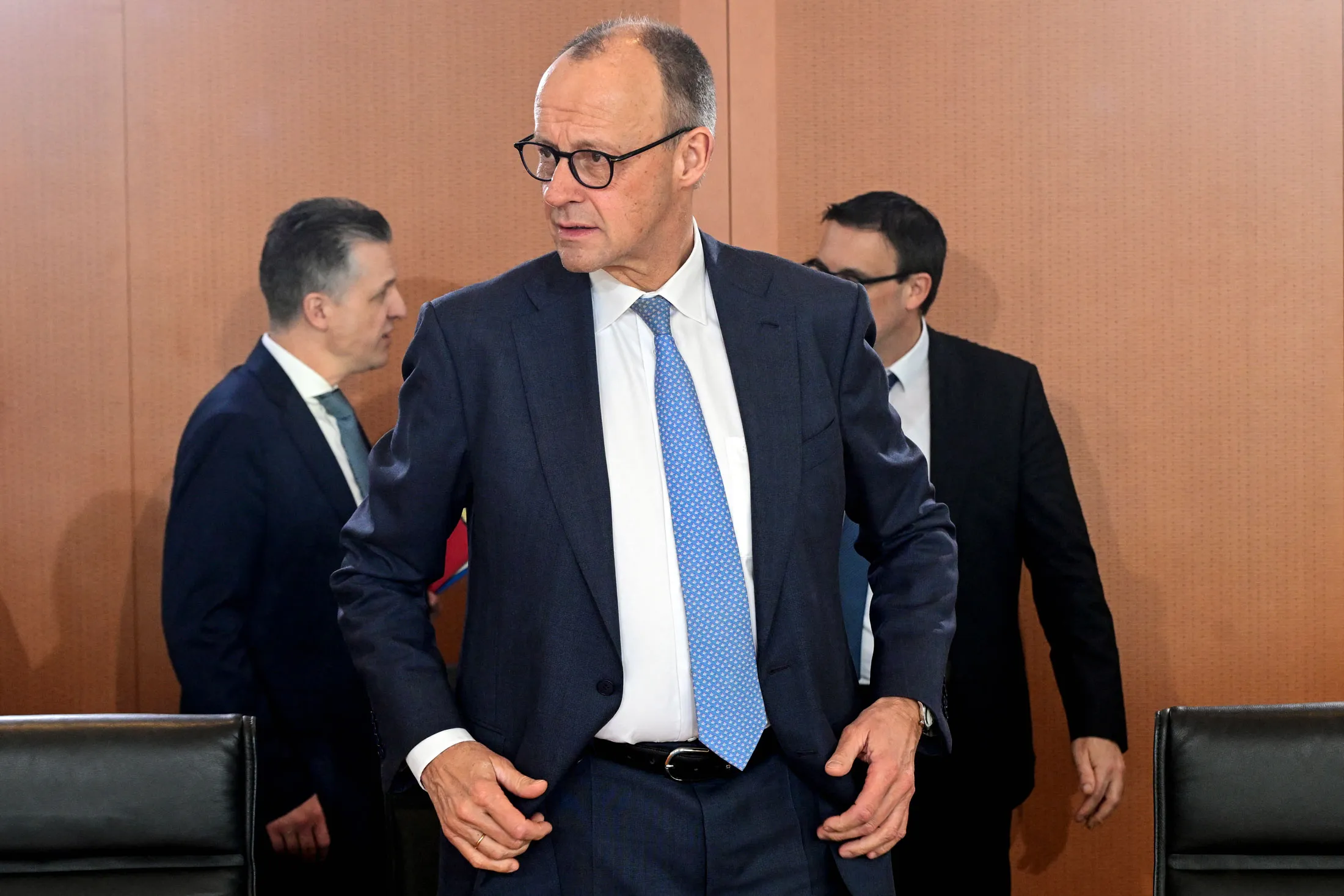
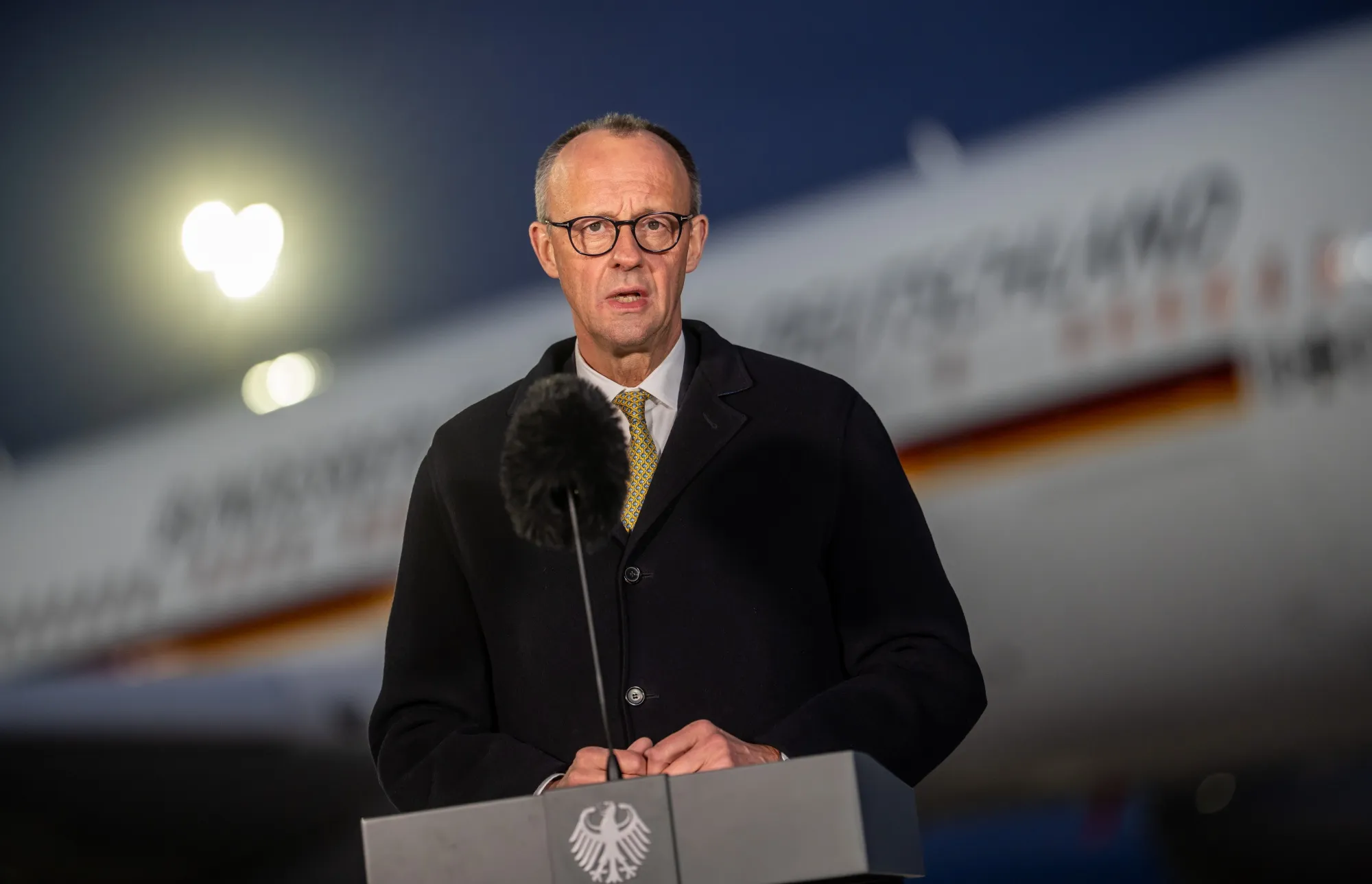
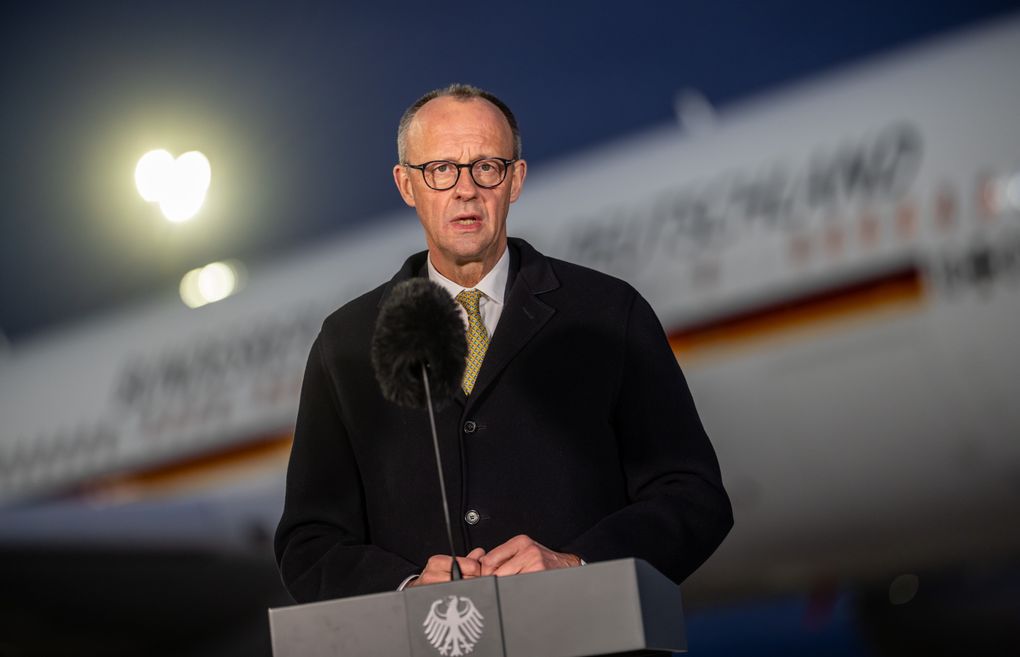
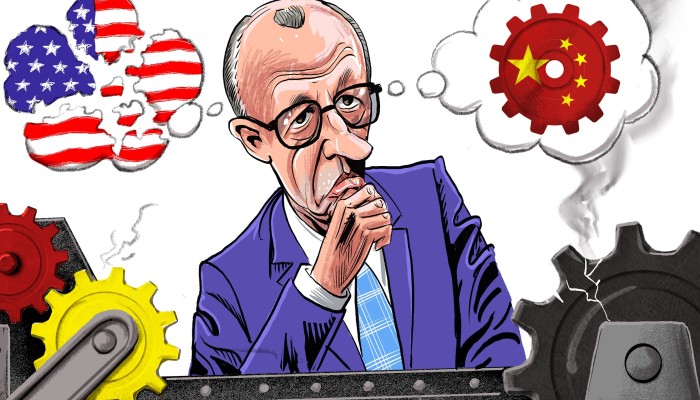
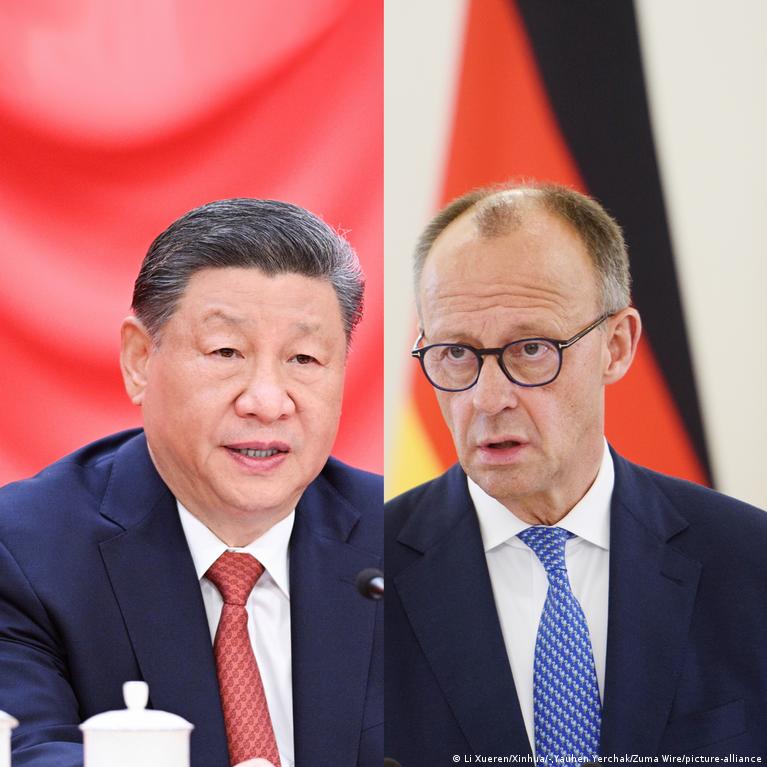
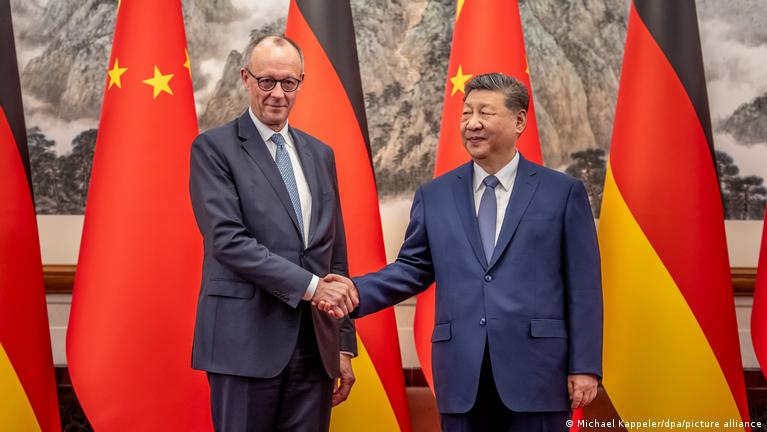
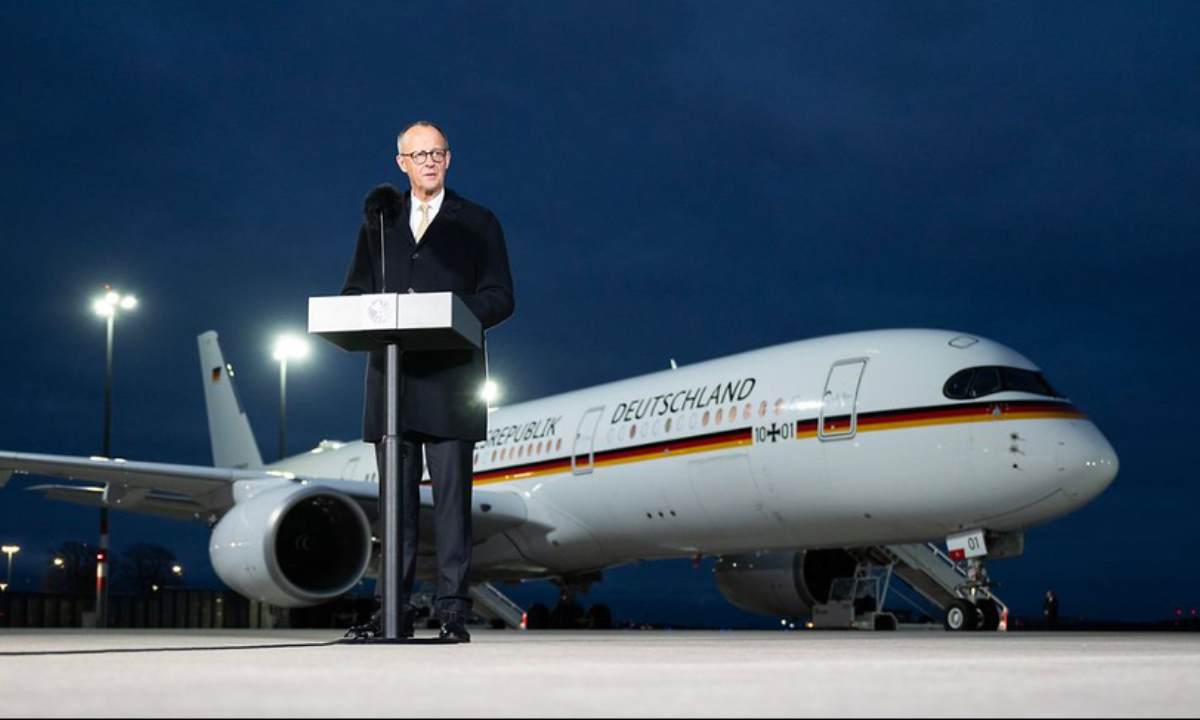
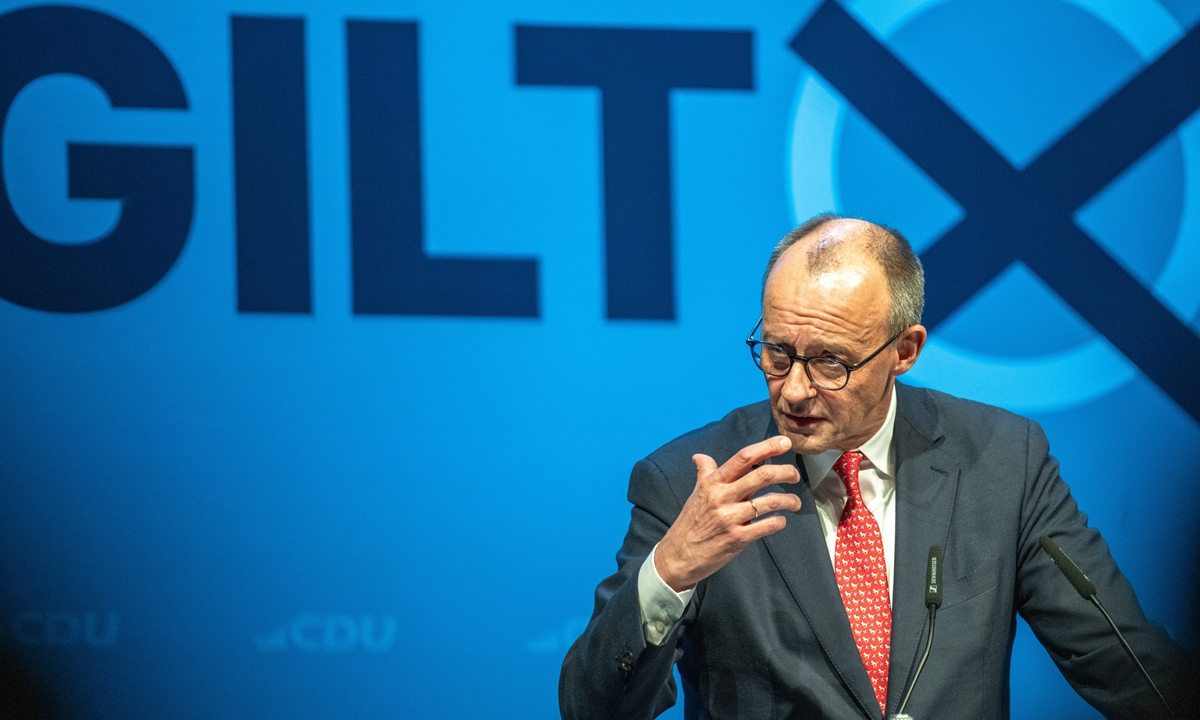
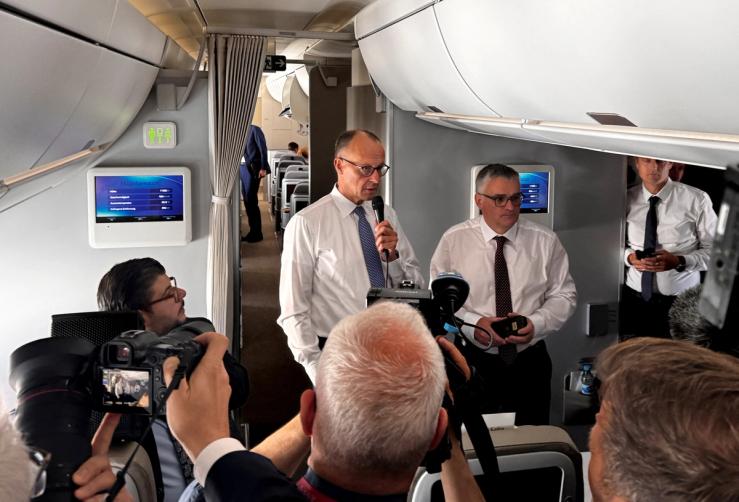
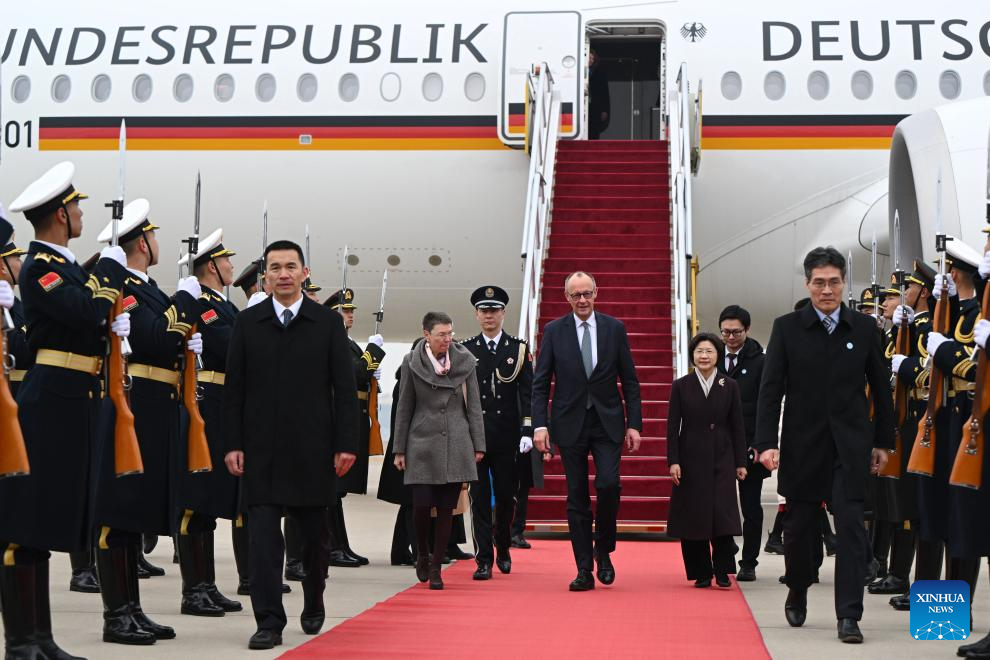
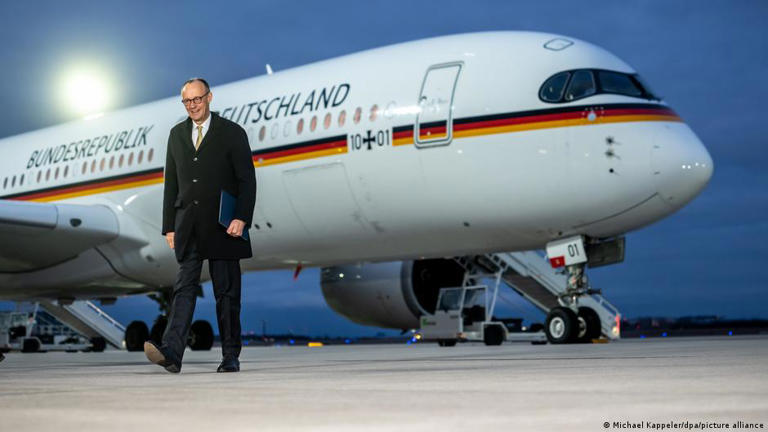
Germany's unprecedented €90 billion trade deficit with China in 2025—up €30 billion from 2024—is triggering a fundamental restructuring of EU trade policy that directly impacts cross-border e-commerce sellers. Chancellor Friedrich Merz's February 2026 diplomatic visits to Beijing and Washington signal Germany's struggle to balance U.S. pressure for reduced China exposure against economic dependence on Chinese suppliers and markets. This geopolitical tension creates immediate tariff arbitrage opportunities and supply chain vulnerabilities for sellers across three critical corridors: China-to-Germany imports, Germany-to-EU distribution, and U.S.-Germany-China triangular trade.
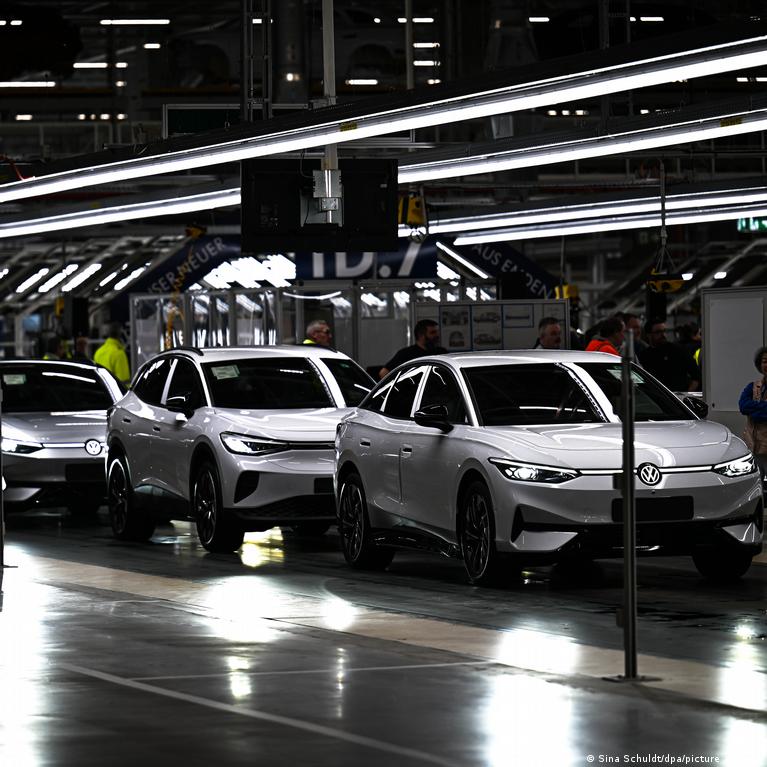
The tariff landscape is shifting dramatically. Merz specifically highlighted China's market-distorting subsidies in steel production (HS codes 7208-7326), solar panels (HS 8541), and electric vehicle supply chains (HS 8704-8708), signaling EU anti-subsidy investigations that could trigger 15-35% tariff increases within 6-12 months. Germany's automotive sector faces particular pressure from Chinese luxury EV competitors (Tesla, BYD, NIO alternatives), combined with existing EU tariffs on Chinese EVs (currently 25-38%). For sellers sourcing automotive parts, batteries, or EV accessories from China, this represents a critical window: tariffs may increase 20-25% by Q3 2026, making current inventory sourcing 15-20% cheaper than future imports. Conversely, sellers with German manufacturing or EU-based suppliers gain competitive advantage as Chinese import costs rise.
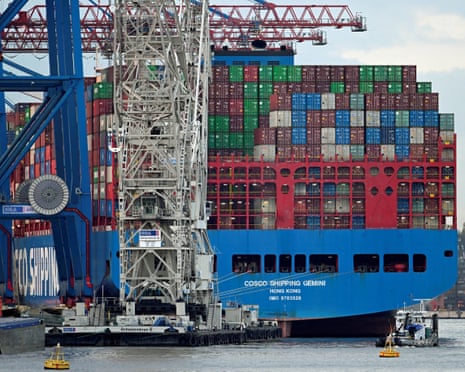
Market access barriers are hardening. Merz raised concerns about port and container shipping restrictions, suggesting potential non-tariff barriers (NTBs) affecting logistics efficiency. Germany's role as Europe's largest economy means EU-wide customs procedures, VAT compliance, and regulatory frameworks will likely tighten. Sellers currently using German logistics hubs for pan-European distribution should expect 2-4 week delays in customs clearance by mid-2026 if Germany implements stricter China policies. However, the news indicates "policy changes may be gradual rather than immediate," providing a 3-6 month window for sellers to optimize supply chains before major shifts occur.
Competitive dynamics favor specific seller segments. EU-based sellers with non-Chinese suppliers (Vietnam, India, Indonesia) gain 10-15% cost advantages as Chinese import tariffs rise. Small-to-medium sellers (SMEs) relying on Chinese dropshipping face margin compression of 8-12% if tariffs increase 20-25%, while large sellers with diversified sourcing can absorb costs. Chinese sellers accessing European markets through German hubs face potential compliance cost increases of €500-2,000 per shipment if stricter documentation or inspections are implemented. Sellers of Chinese-manufactured goods in categories with subsidies (solar, steel, EVs) should expect Buy Box pressure and margin erosion of 12-18% within 12 months.
Questions 8
Which seller segments gain competitive advantage from Germany-China trade tensions?
EU-based sellers with non-Chinese suppliers (Vietnam, India, Indonesia) gain 10-15% cost advantages as Chinese tariffs rise. Large sellers with diversified sourcing can absorb tariff increases and maintain margins. Conversely, small-to-medium sellers relying on Chinese dropshipping face margin compression of 8-12% if tariffs increase 20-25%. Chinese sellers accessing European markets through German hubs face potential compliance cost increases of €500-2,000 per shipment. Sellers should evaluate their sourcing concentration: if >60% of inventory comes from China, tariff risk is critical.
How will Germany's stricter China policies affect German logistics hubs and EU distribution?
Germany serves as Europe's largest logistics hub for cross-border e-commerce. If Germany implements stricter customs procedures or inspections for Chinese imports, sellers should expect 2-4 week delays in customs clearance by mid-2026. Compliance costs could increase €500-2,000 per shipment if additional documentation or inspections are required. The news indicates policy changes will be 'gradual rather than immediate,' providing a 3-6 month window to optimize logistics routes. Sellers should consider alternative EU entry points (Netherlands, Belgium) to reduce Germany-specific delays.