



Radar Locks and Diplomatic Fractures: China-Japan Tensions Reach Critical Flashpoint
- Military Confrontation Signals Deepening Geopolitical Risks in East Asian Security Landscape










Overview
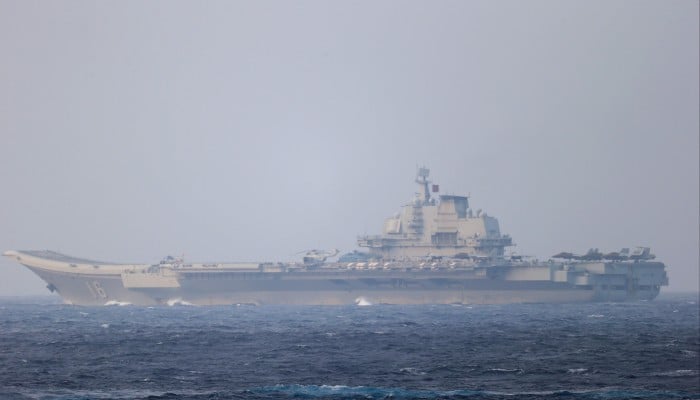
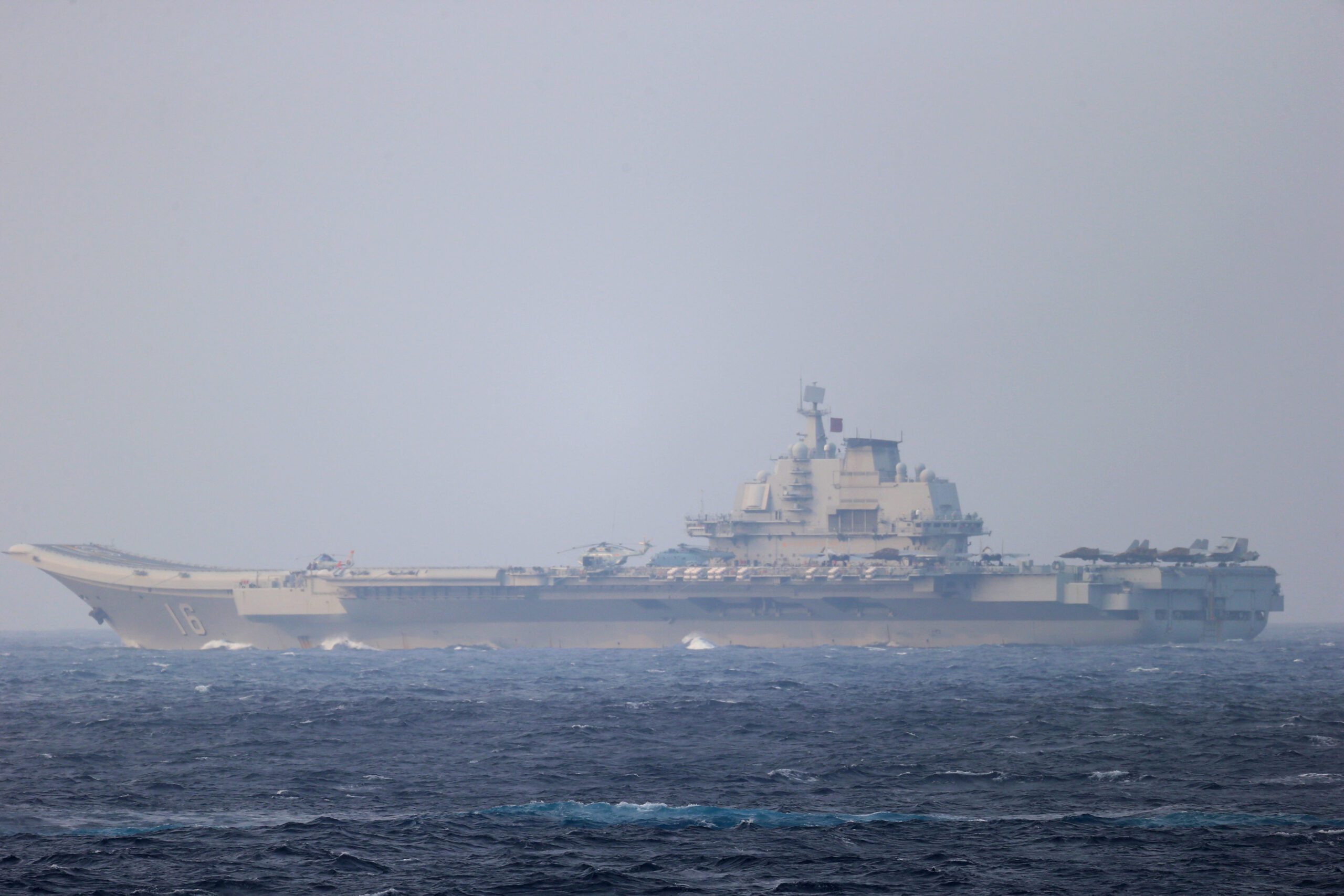
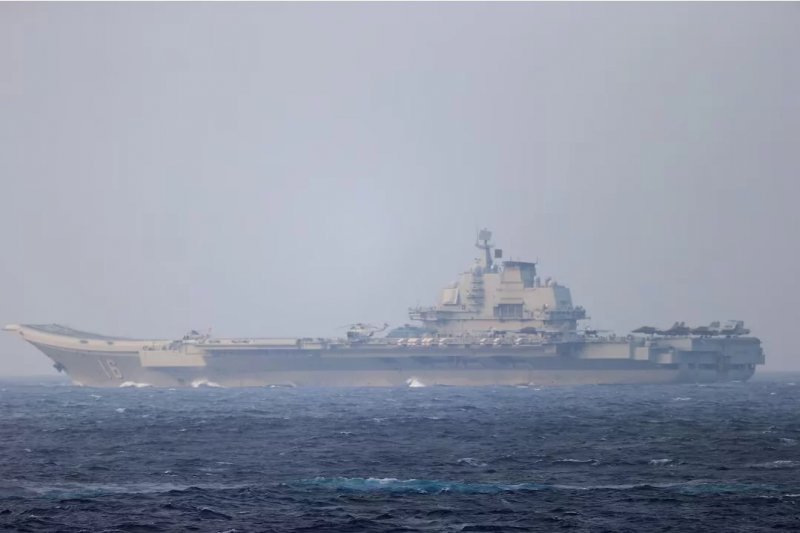
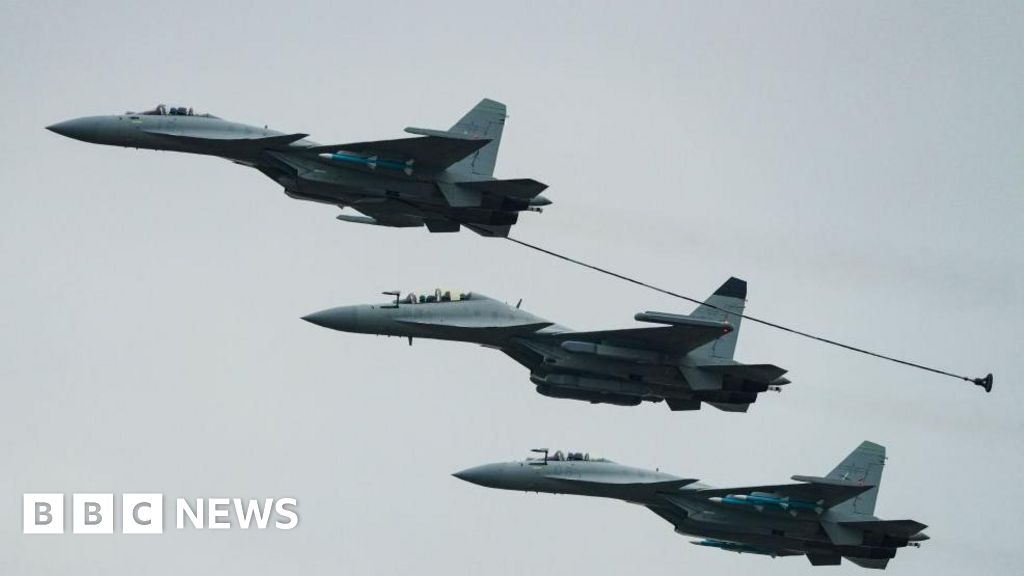
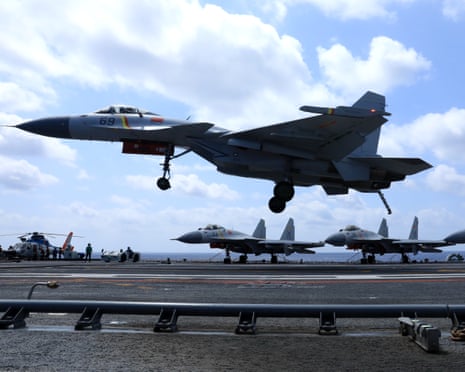
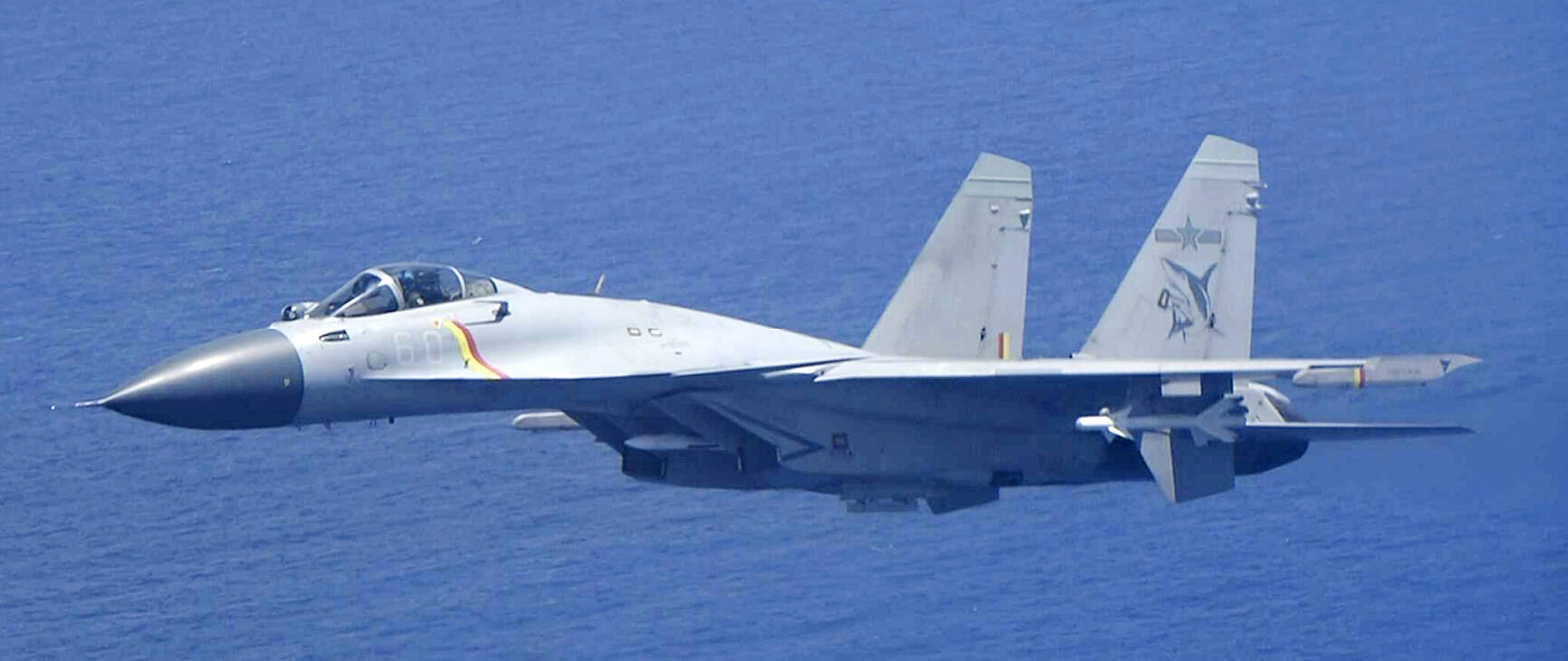
Geopolitical tensions between China and Japan have dramatically escalated, transforming a regional diplomatic dispute into a potential high-stakes military confrontation. The recent incident involving Chinese J-15 fighter jets locking radar on Japanese aircraft near Okinawa represents a critical inflection point in bilateral relations, signaling a dangerous acceleration of military brinkmanship.
Strategic Provocation Dynamics are unmistakably clear in this escalation. The radar-locking incident is not merely a technical military maneuver but a calculated diplomatic signal. Japanese Prime Minister Sanae Takaichi's recent comments about potential military action in a Taiwan conflict scenario have clearly triggered a robust Chinese response. By targeting Japanese aircraft near Okinawa, China is demonstrating both military capability and strategic resolve, effectively communicating its red lines and geopolitical boundaries.
Multilateral Tension Expansion extends beyond pure military interactions. China's retaliatory measures—including banning Japanese seafood imports and discouraging citizen travel—reveal a comprehensive pressure strategy. These economic and social restrictions complement military posturing, creating a multi-dimensional pressure campaign designed to challenge Japan's regional positioning and strategic autonomy.
The Taiwan Factor emerges as a critical underlying catalyst. Japan's explicit signaling of potential involvement in a Taiwan conflict has transformed the geopolitical calculus. China's aggressive response near Okinawa serves as a clear warning: any Japanese military involvement in a potential Taiwan scenario would trigger immediate and severe consequences. This demonstrates how regional security dynamics are increasingly interconnected, with each diplomatic statement carrying profound military implications.
Strategic Implications for regional stability are profound. The escalation suggests a potential shift from diplomatic tension to military confrontation, with both nations testing each other's resolve and strategic thresholds. For international observers and stakeholders, this represents a critical moment of geopolitical recalibration, where military signaling and diplomatic rhetoric could rapidly transform into more consequential actions.
Questions 3
What economic measures has China taken against Japan?
China has implemented comprehensive economic pressure, including banning Japanese seafood imports and discouraging citizens from traveling to Japan. These measures complement military posturing and represent a multi-dimensional strategy to challenge Japan's regional positioning.
How serious are the current China-Japan military interactions?
The radar-locking incident represents a critical escalation beyond typical diplomatic tensions. By targeting Japanese aircraft, China is sending a clear strategic message about its military capabilities and willingness to challenge Japanese regional presence, indicating a potentially dangerous shift in military interactions.