



IndiGo's Operational Meltdown Exposes Critical Gaps in India's Aviation Regulatory Framework
- Regulatory compliance challenges threaten India's fastest-growing airline market









)

















)
















)
)





















Overview
The IndiGo airline crisis reveals a critical inflection point in India's aviation ecosystem, where regulatory complexity and operational agility are colliding with potentially systemic consequences. At the heart of this disruption lies a fundamental challenge: balancing pilot safety regulations with market efficiency.
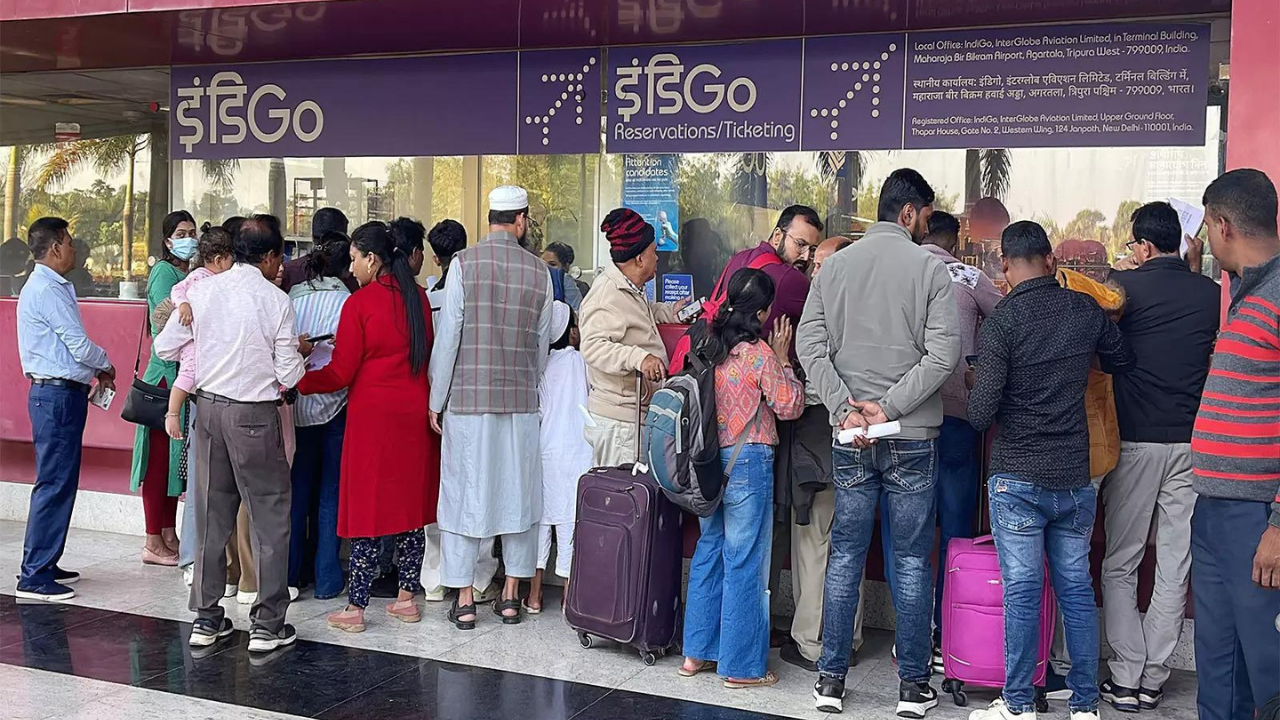
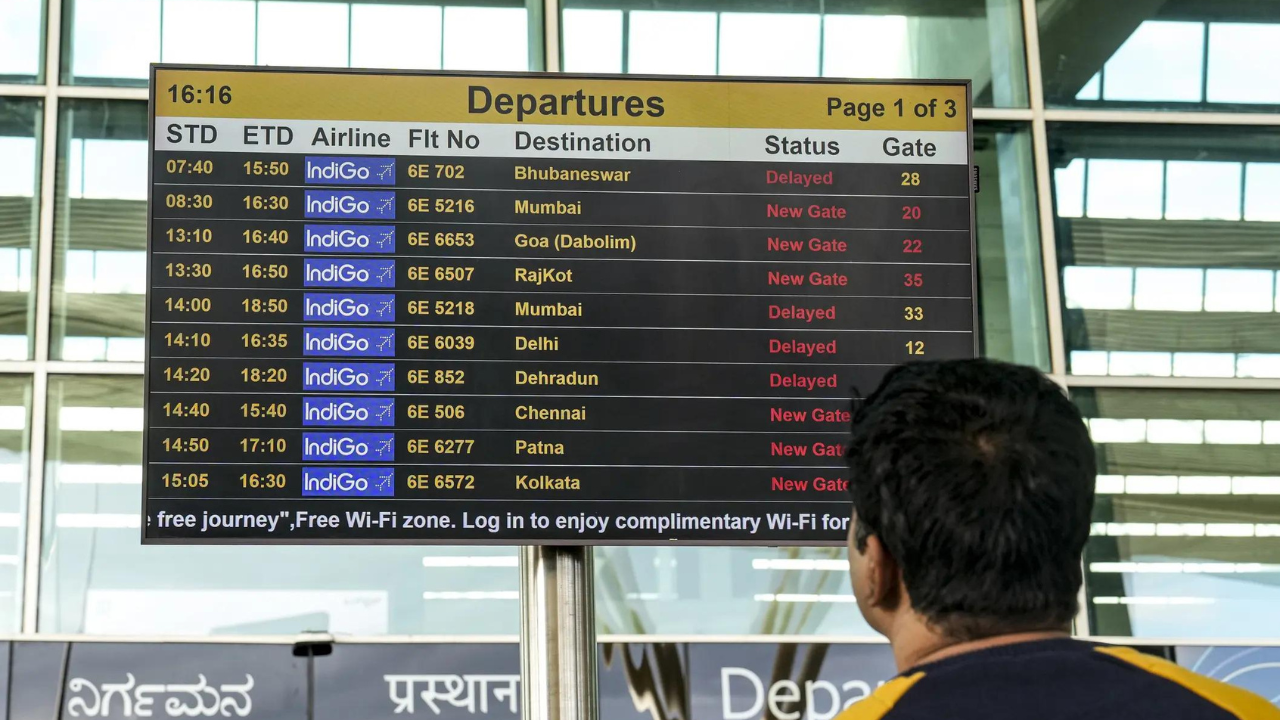
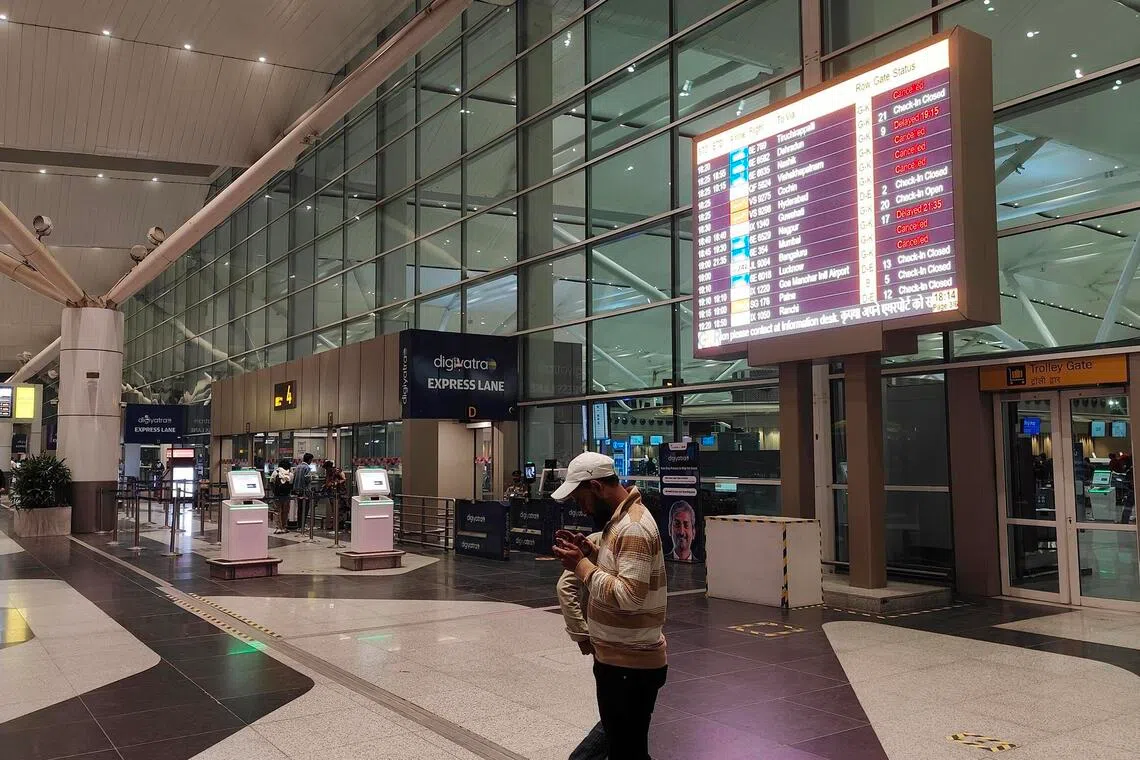
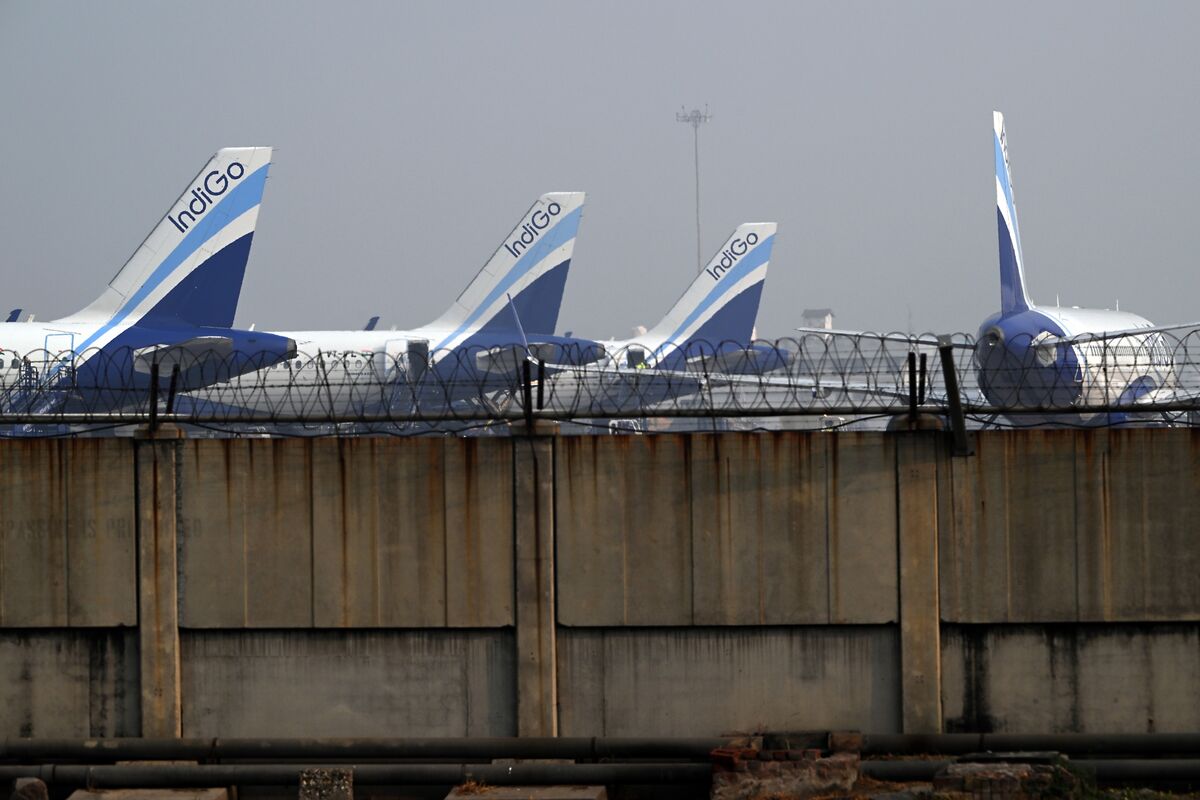
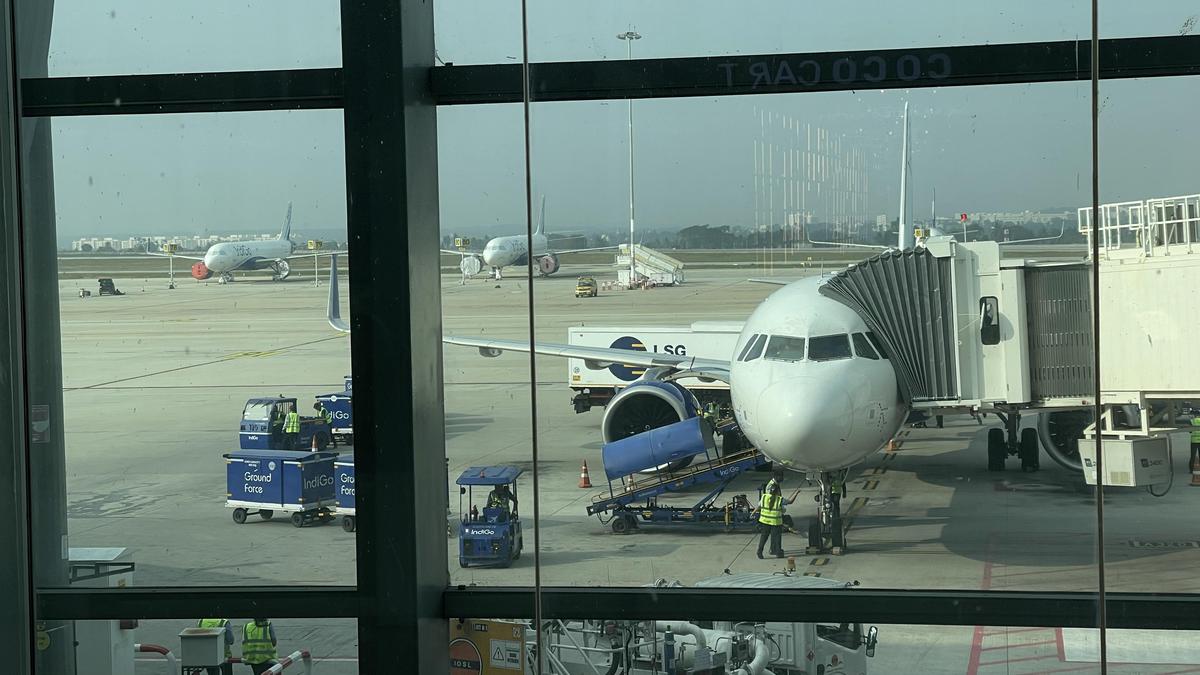
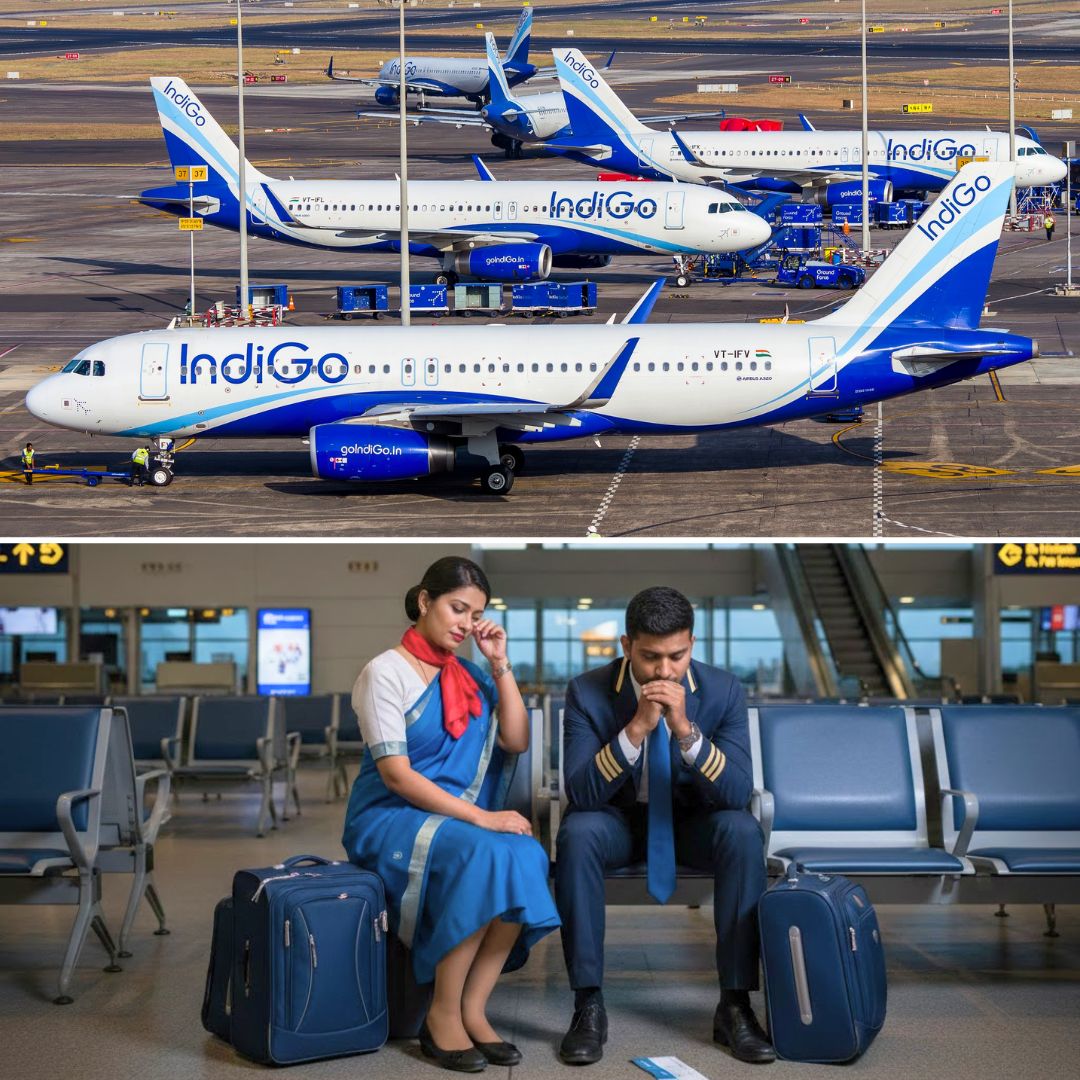
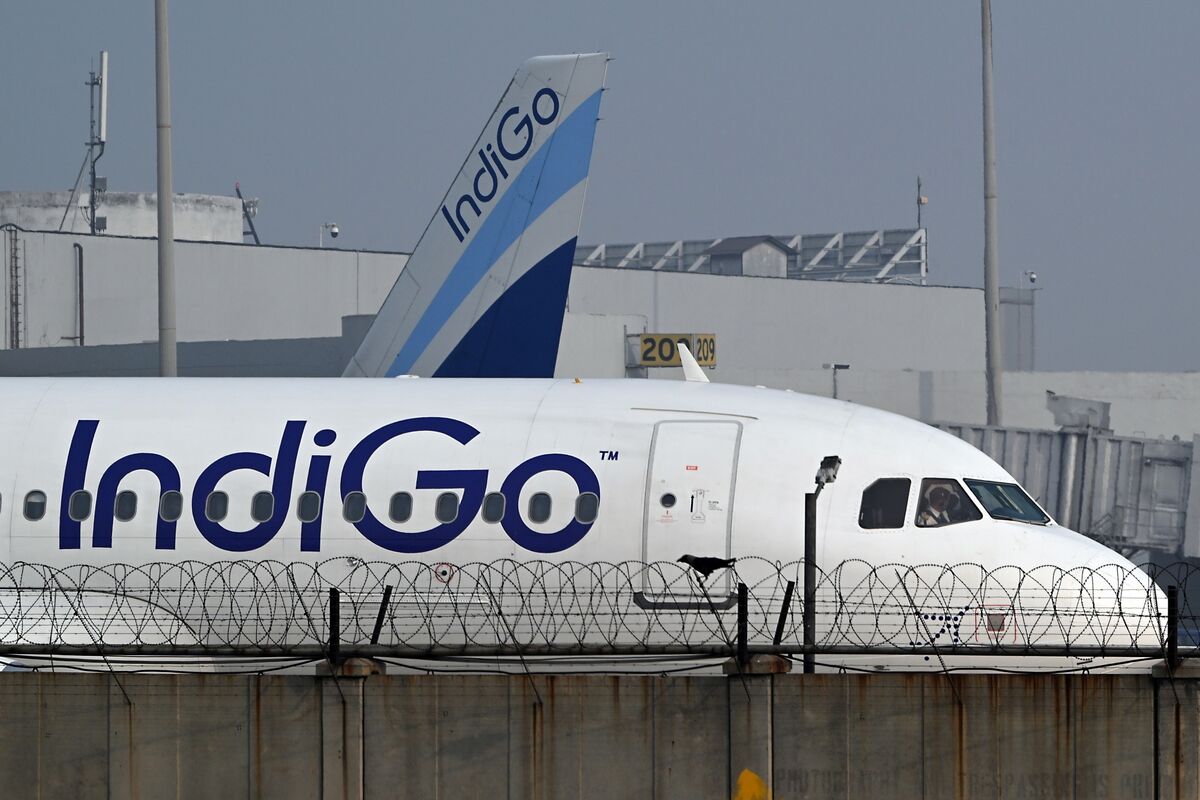
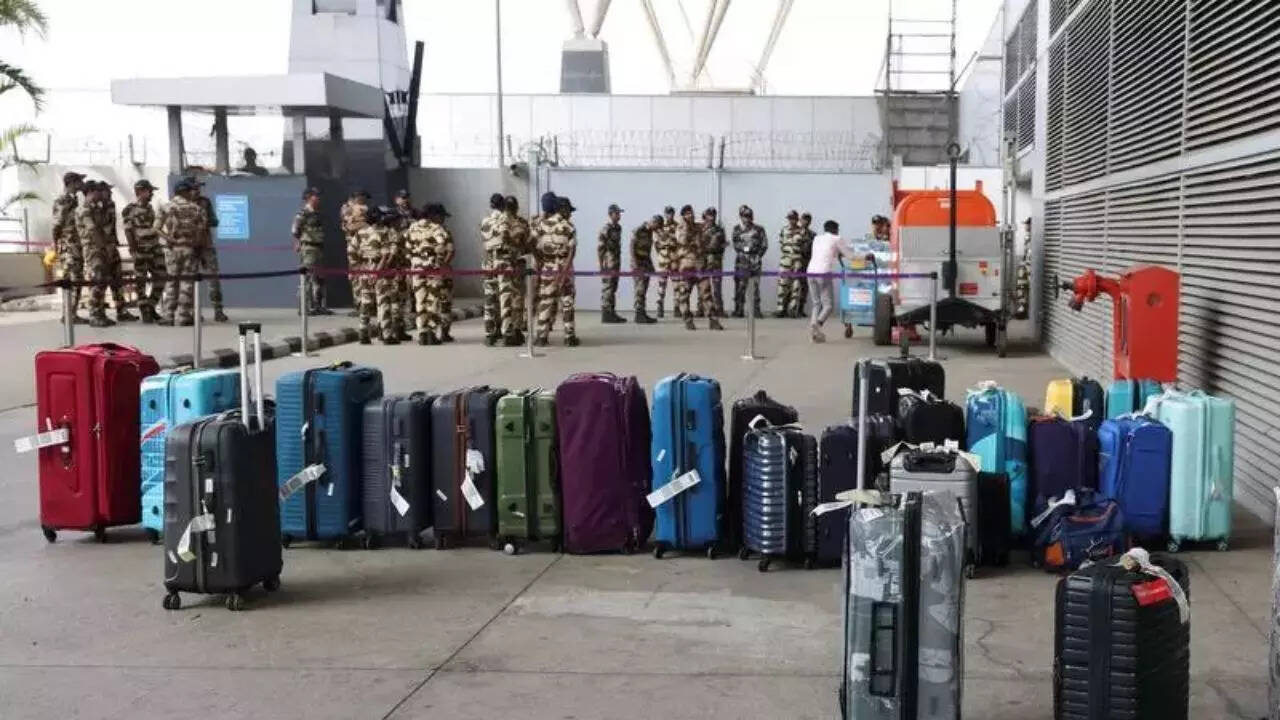
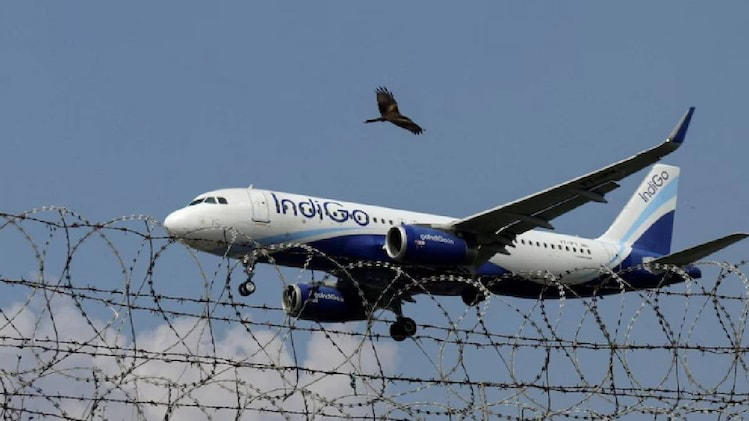
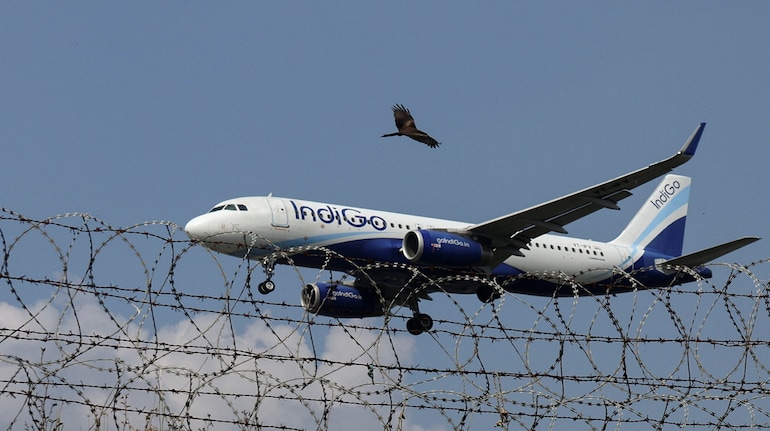
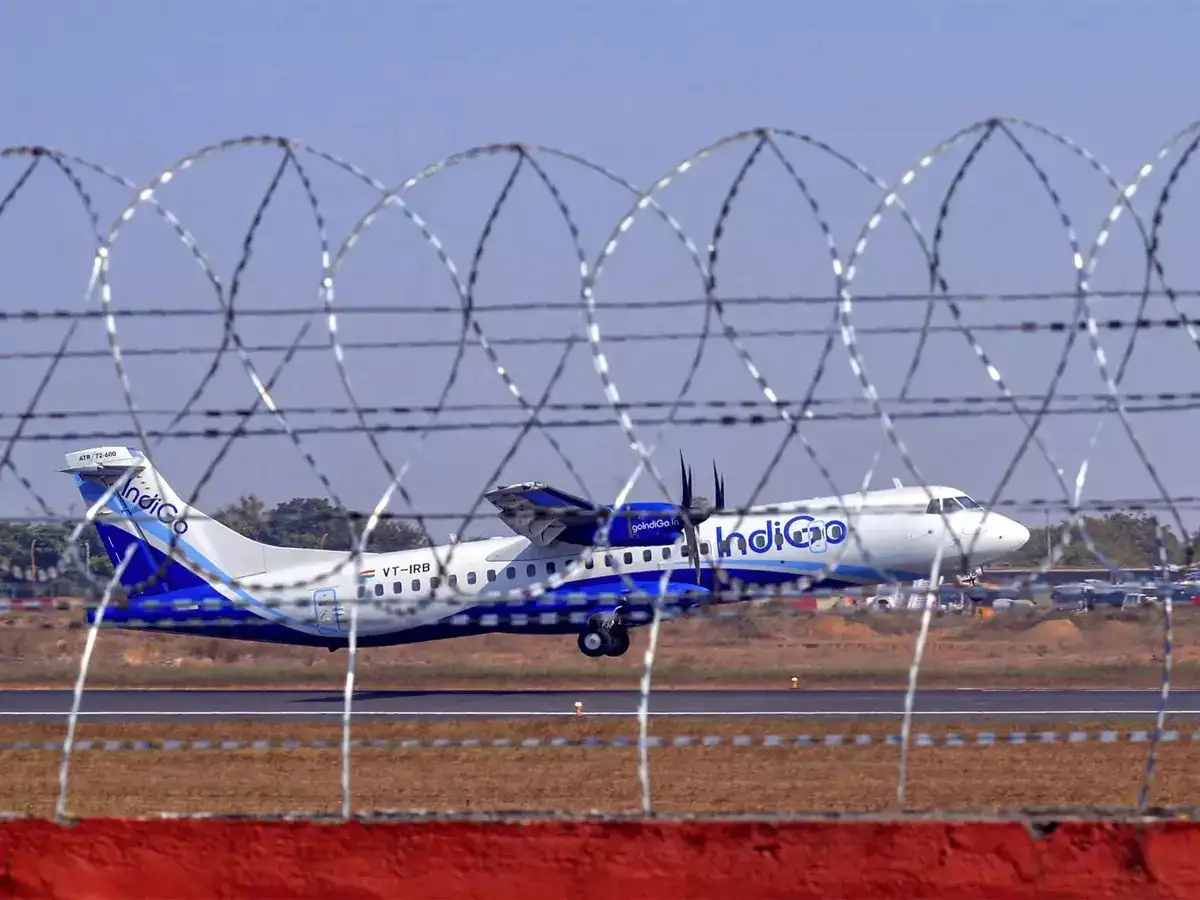
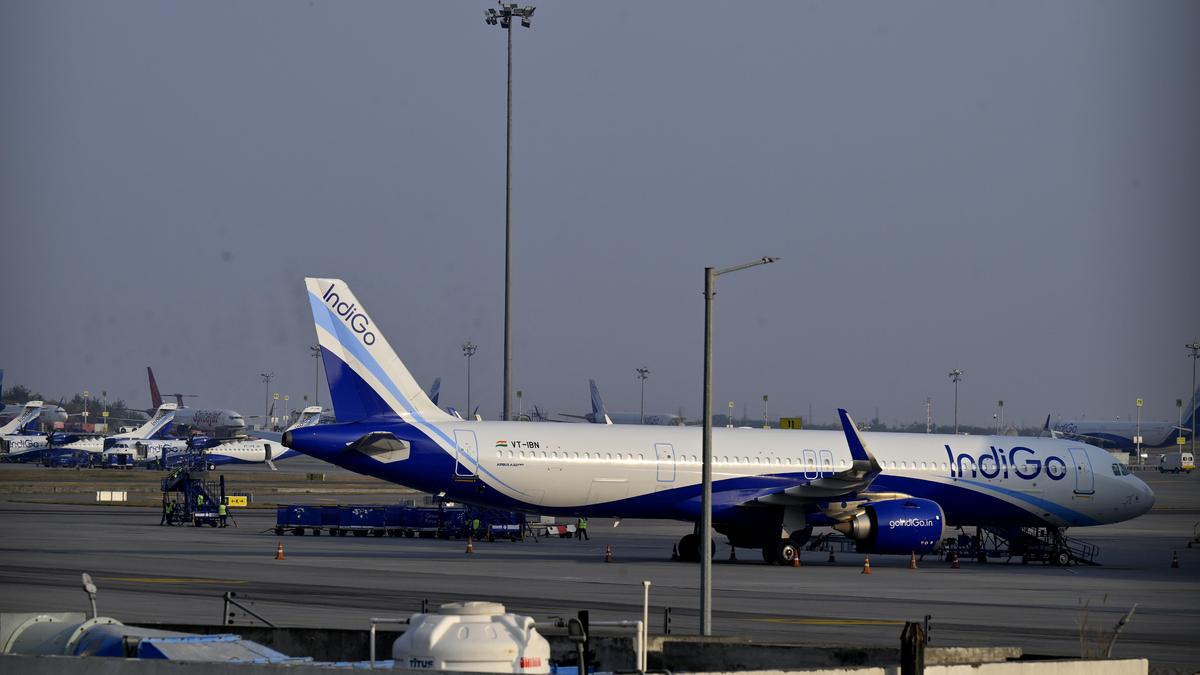
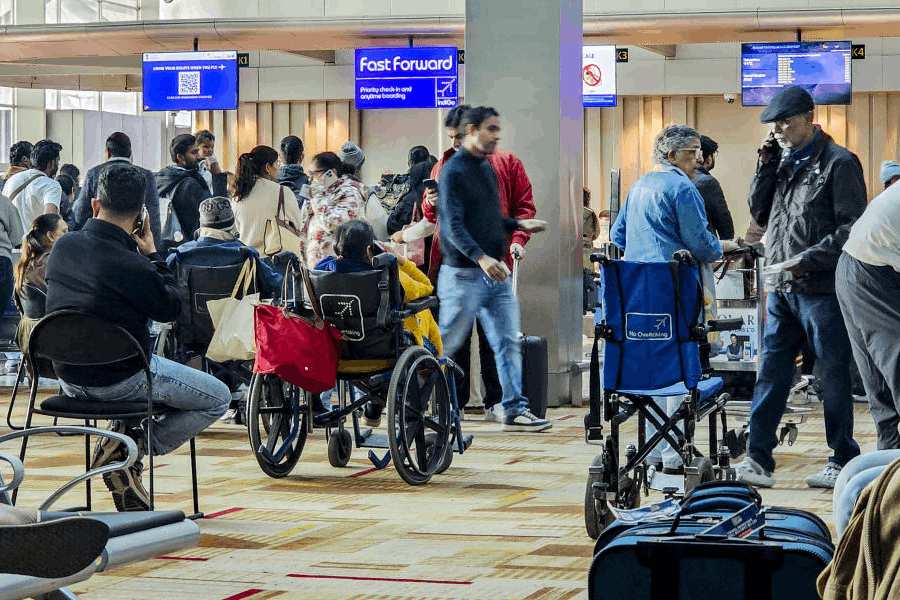
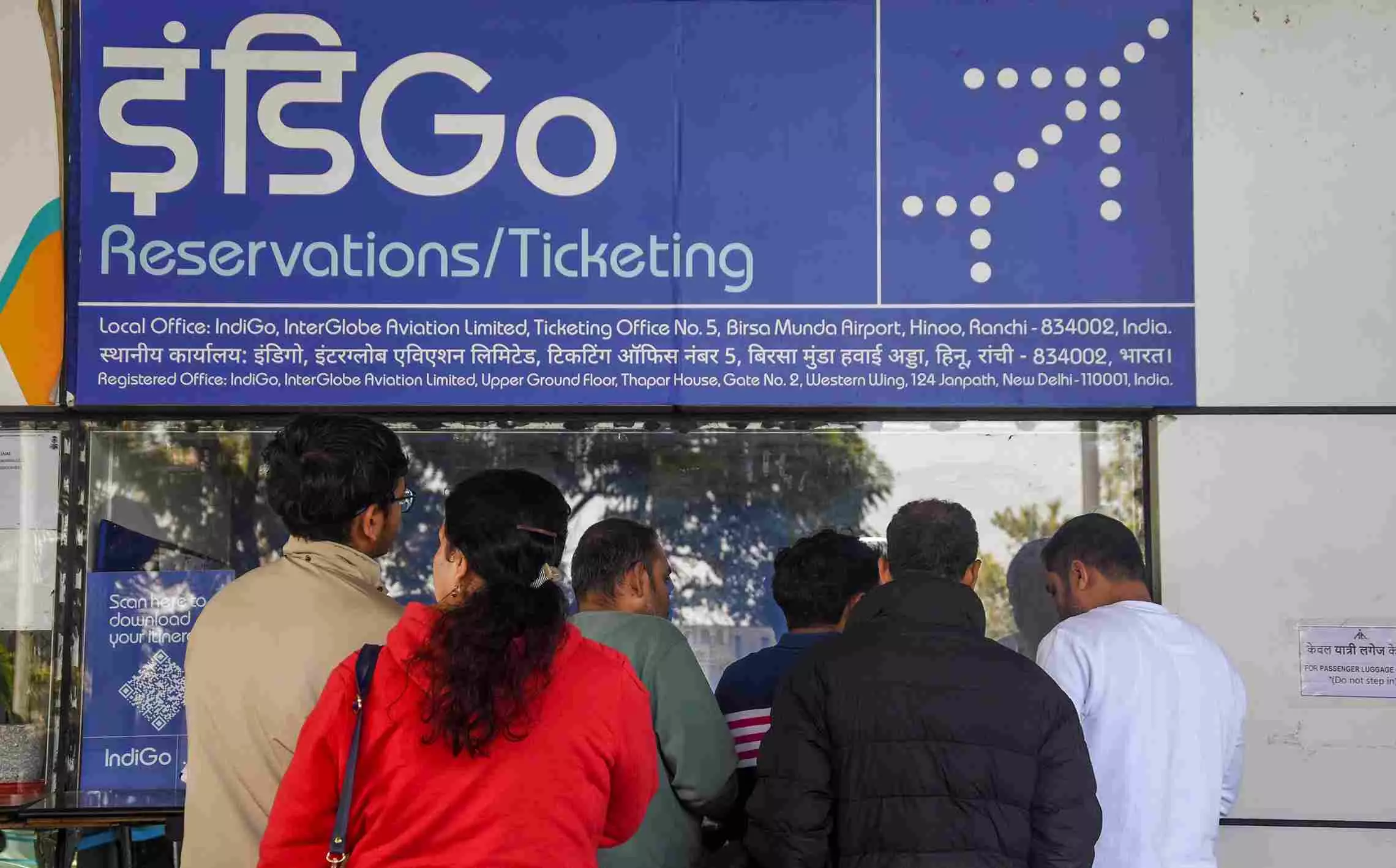
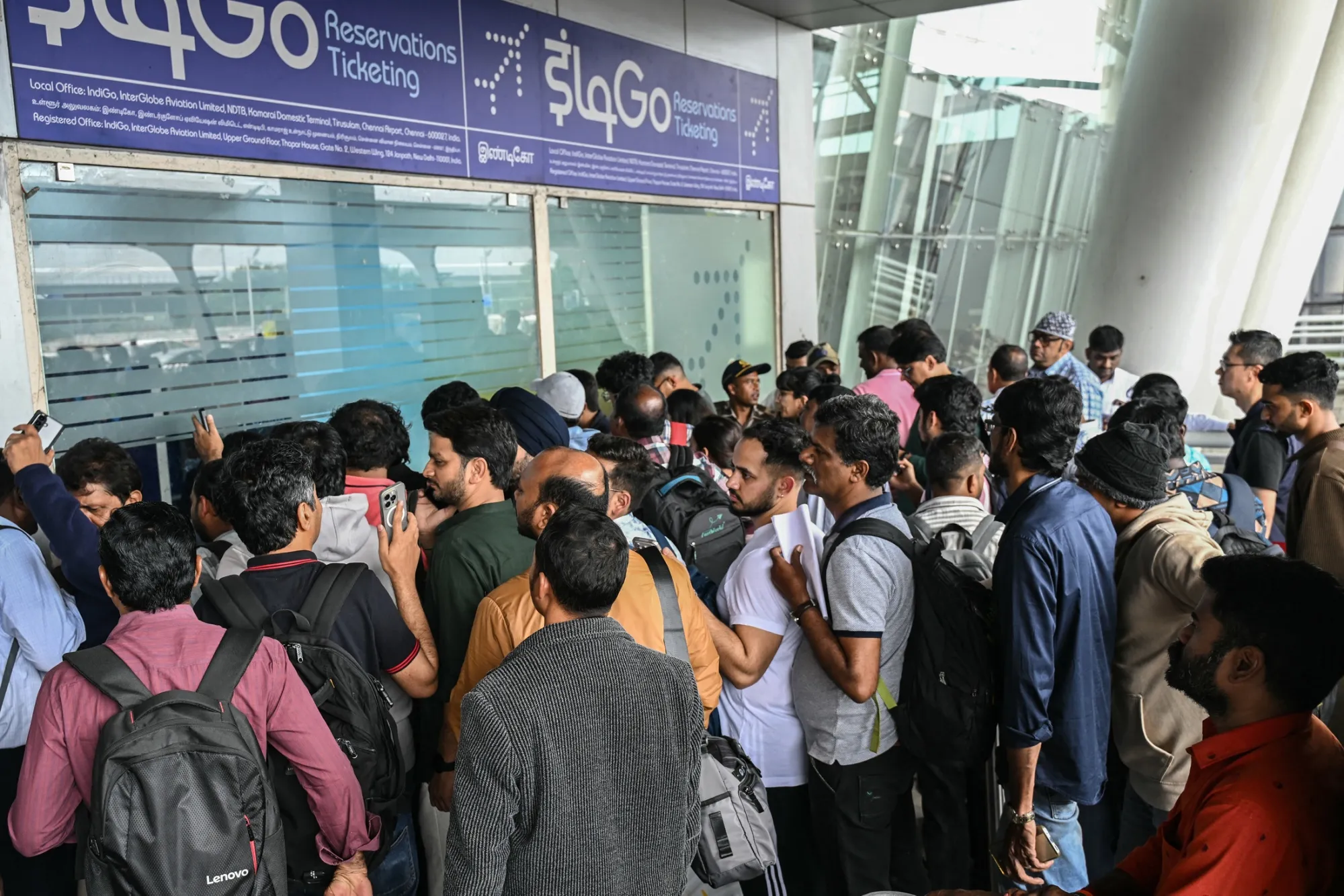
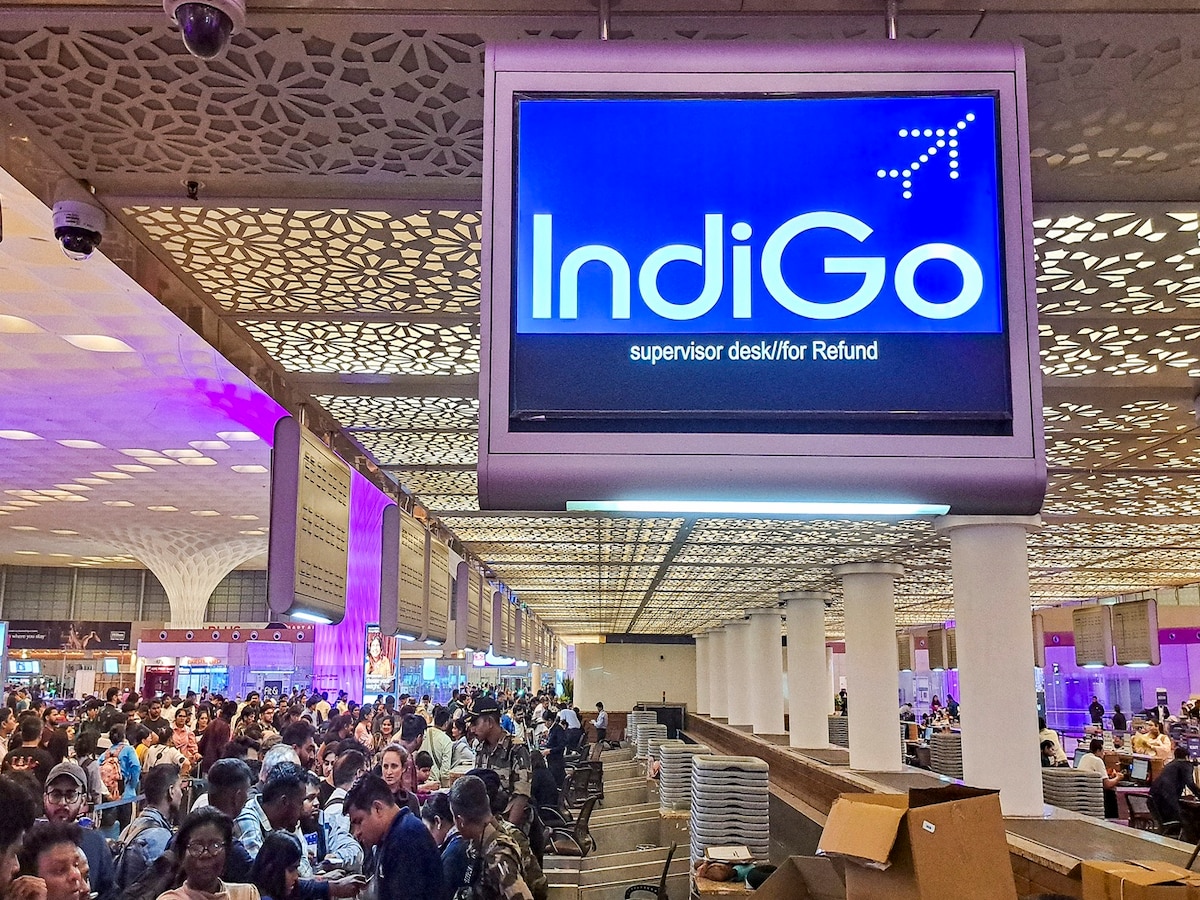
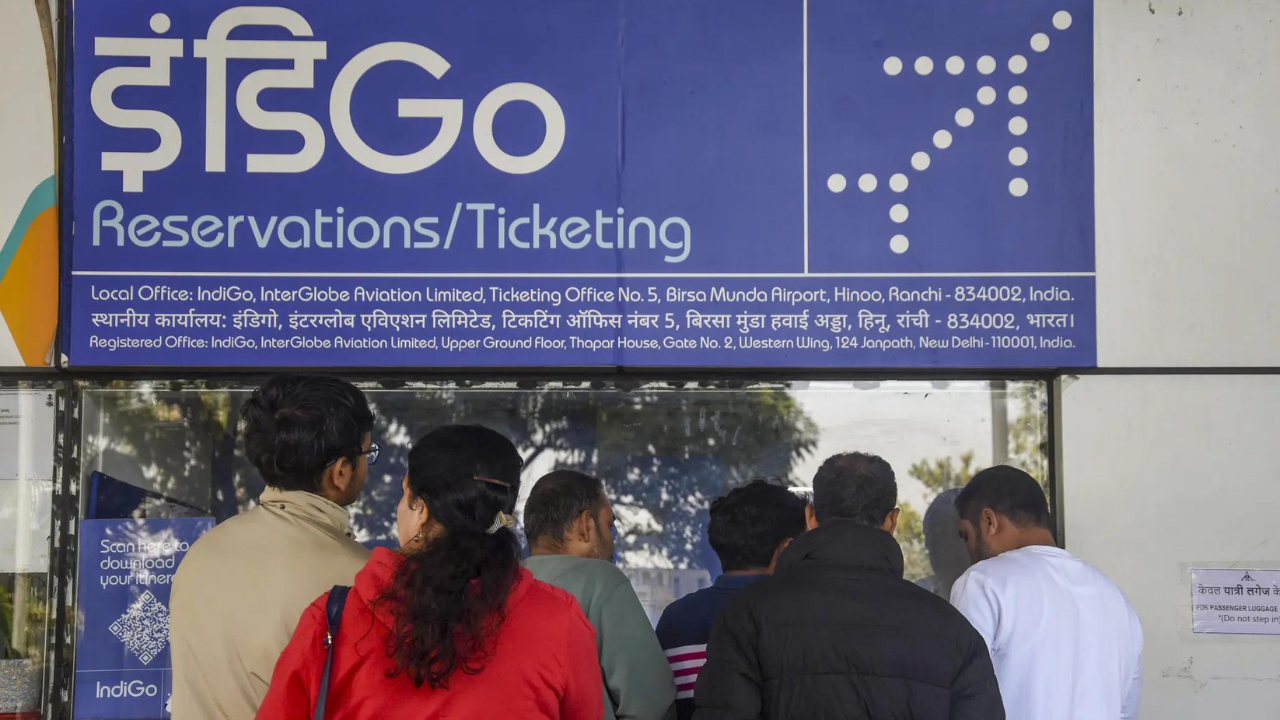
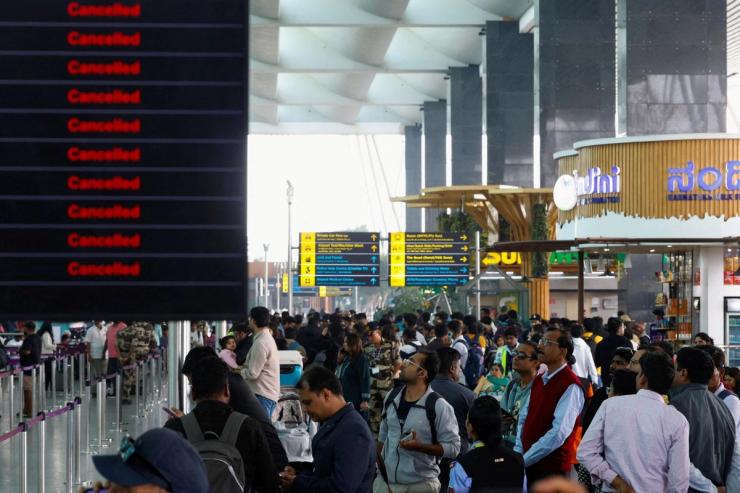
Regulatory Complexity Meets Operational Reality: When IndiGo reduced its daily flights from 2,300 to just 706 due to new Flight Duty Time Limitations (FDTL), it exposed the fragile infrastructure underlying India's rapidly expanding air transport market. The 53.4% market share carrier saw its stock plummet over 8%, signaling how deeply such operational disruptions can impact investor confidence. The government's swift intervention—temporarily suspending the new regulations and ordering an investigation—underscores the high-stakes nature of this regulatory recalibration.
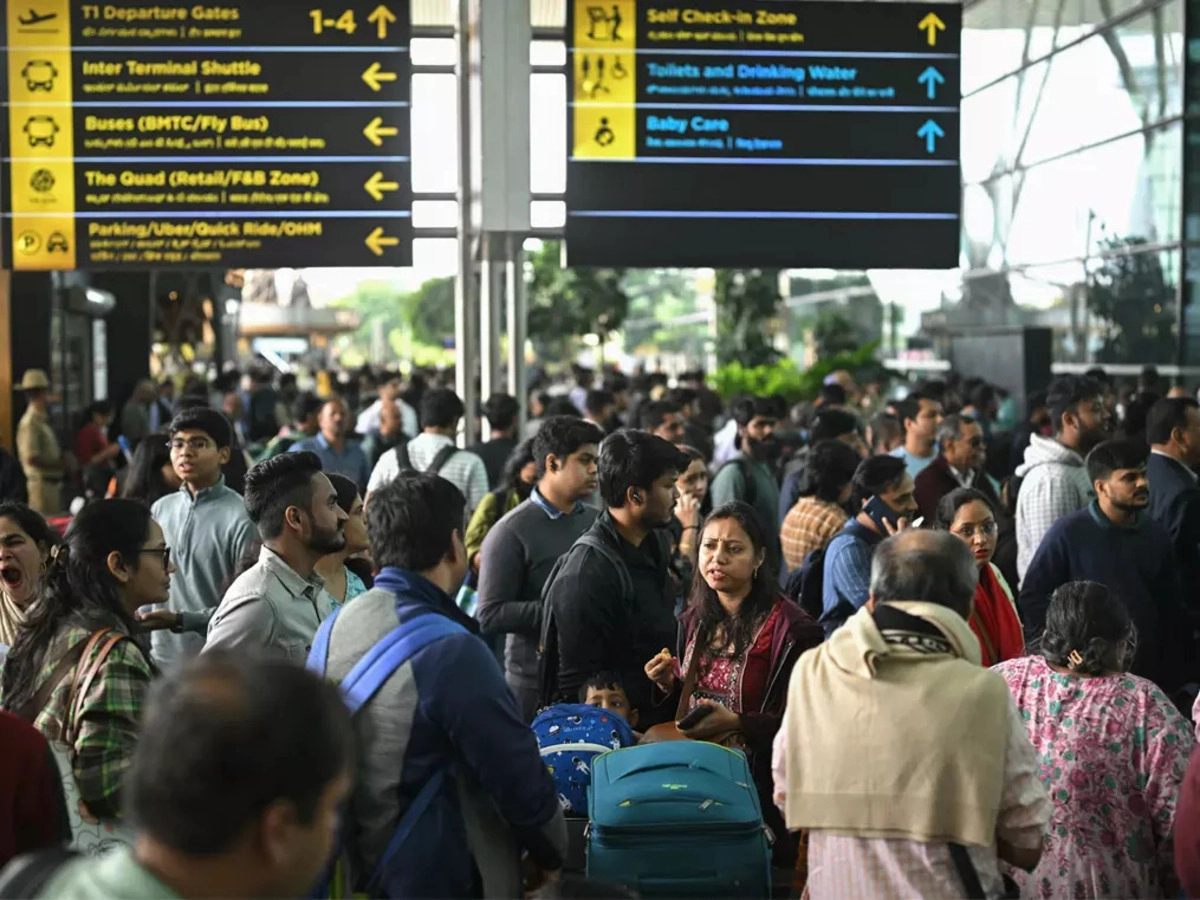
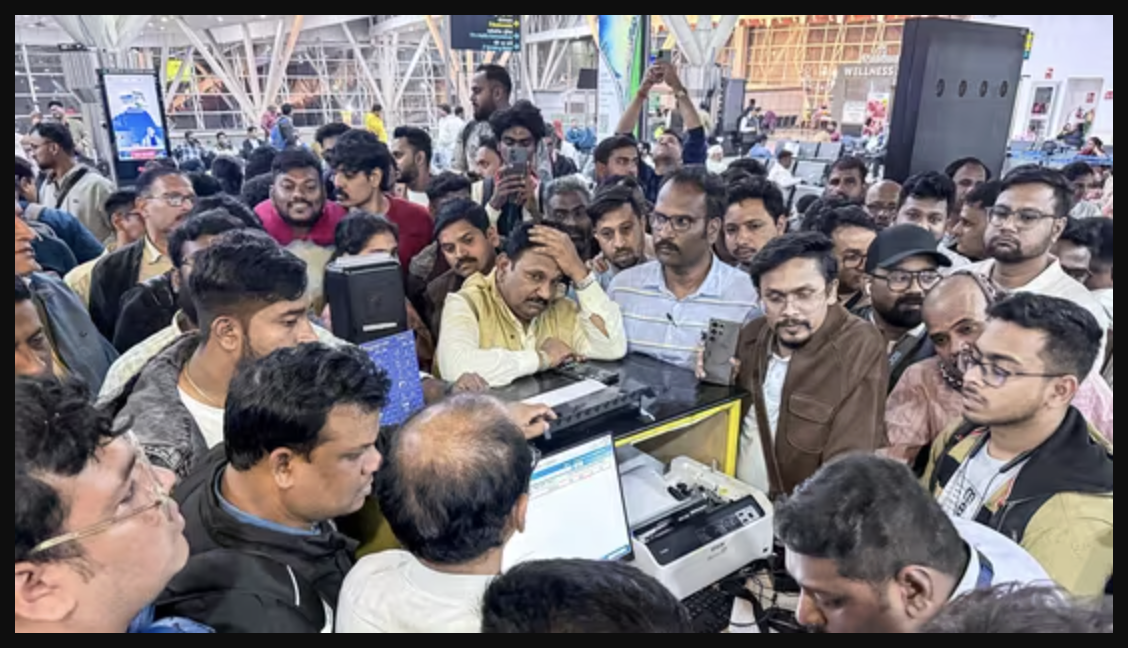
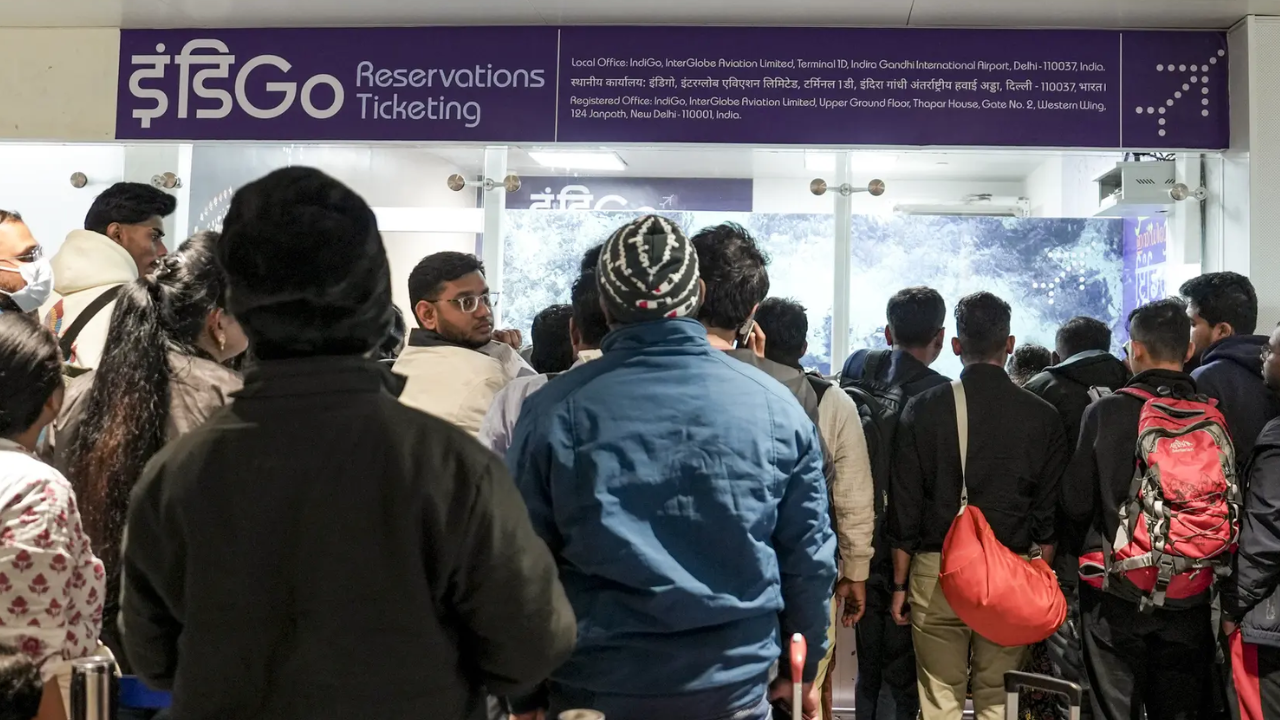
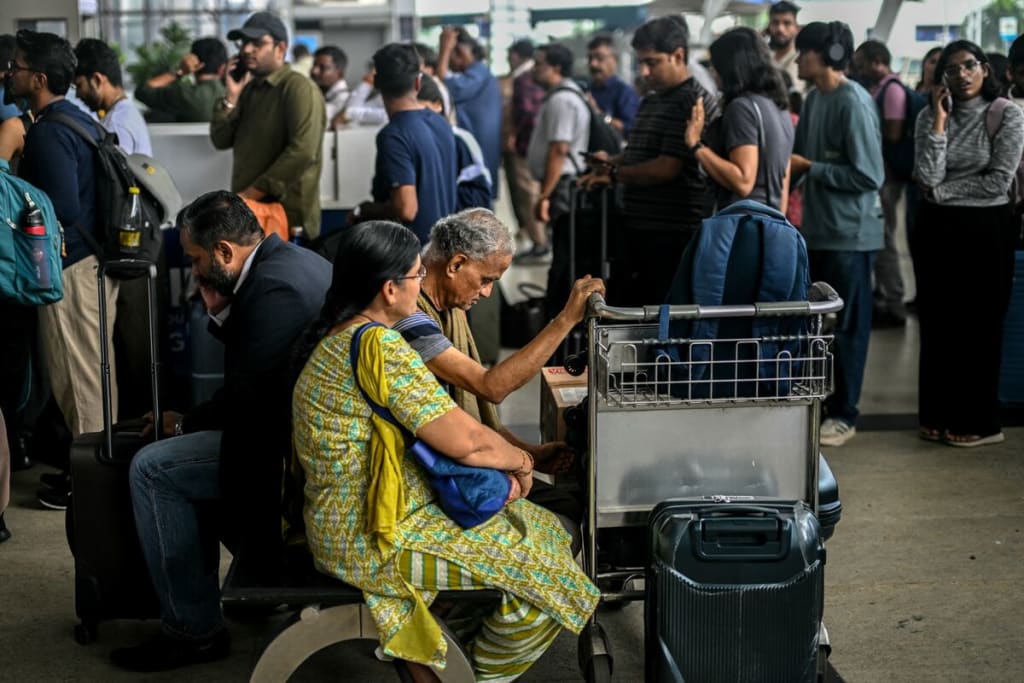
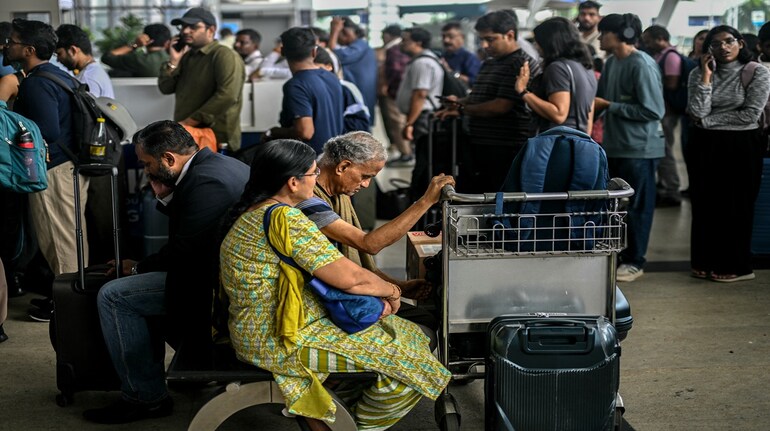
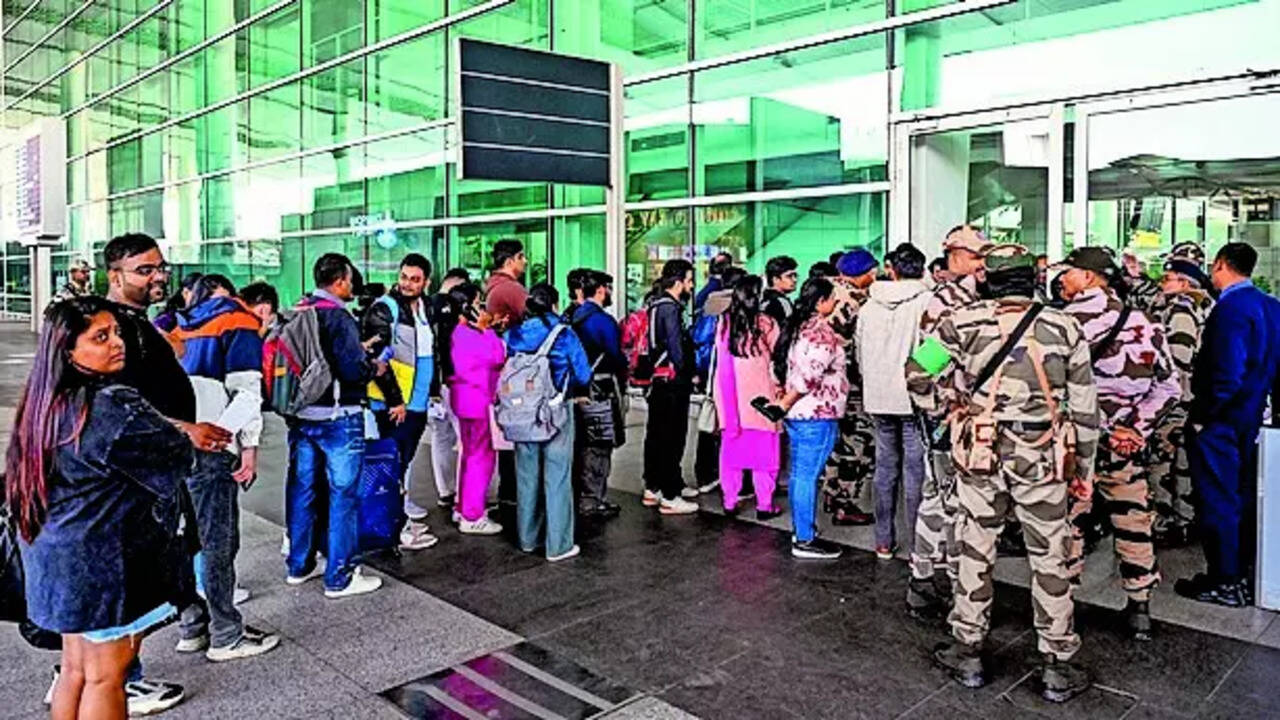
Political and Economic Dimensions: The crisis transcends mere operational challenges. West Bengal Chief Minister Mamata Banerjee's public criticism frames this as a broader governance issue, highlighting how aviation disruptions can quickly become political flashpoints. Passengers experiencing up to 11-hour delays represent more than inconvenience—they symbolize the tangible human cost of regulatory implementation failures.
The incident demands a nuanced approach to aviation policy reform. It's not just about creating rules, but about designing flexible frameworks that can adapt to complex operational environments. For airlines, regulators, and passengers alike, this represents a critical moment of reckoning—where safety, efficiency, and market dynamics must be carefully rebalanced.
Strategic implications are clear: India's aviation sector needs more sophisticated regulatory mechanisms that can dynamically respond to operational complexities while maintaining stringent safety standards. The IndiGo crisis serves as a pivotal case study in the challenges of scaling a rapidly growing transportation infrastructure.
Questions 3
How significant is the impact on India's aviation market?
IndiGo holds a 53.4% market share, making this disruption extremely consequential. The airline's stock fell over 8%, and passengers experienced delays up to 11 hours. The government's immediate intervention, including suspending the new regulations, indicates the crisis's potential systemic implications.
What caused IndiGo's massive flight cancellations?
The disruption stemmed from new Flight Duty Time Limitations (FDTL) regulations implemented in November 2024, which increased mandatory crew rest from 36 to 48 hours and limited late-night flights. This regulatory change forced IndiGo to dramatically reduce its daily operations from 2,300 to just 706 flights.