





Japan-China Trade Tensions Escalate | Cross-Border Sellers Face Supply Chain Risks Through 2031
- Geopolitical escalation triggers export restrictions on 20+ Japanese companies; sellers sourcing from Japan face 8-15% cost increases and 3-6 week shipping delays by 2026




)








Overview
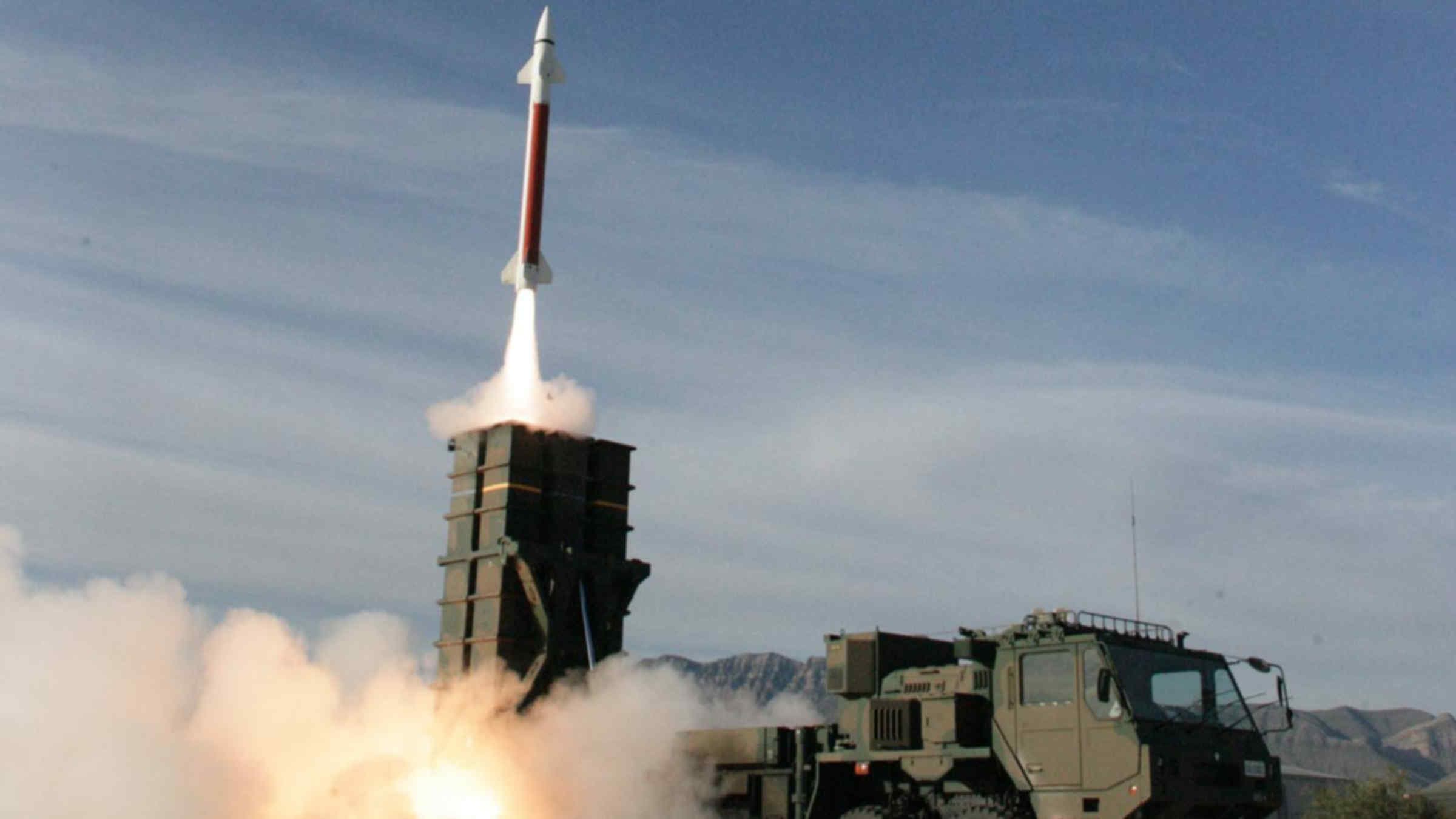
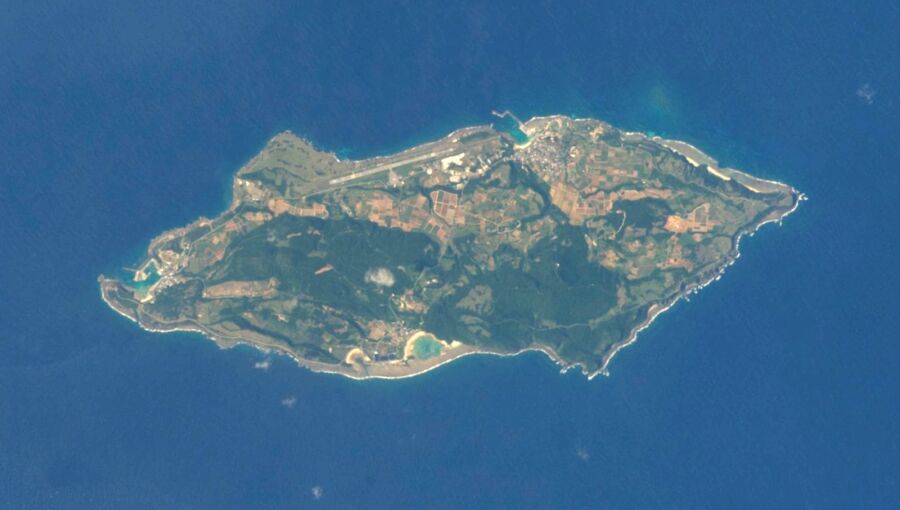
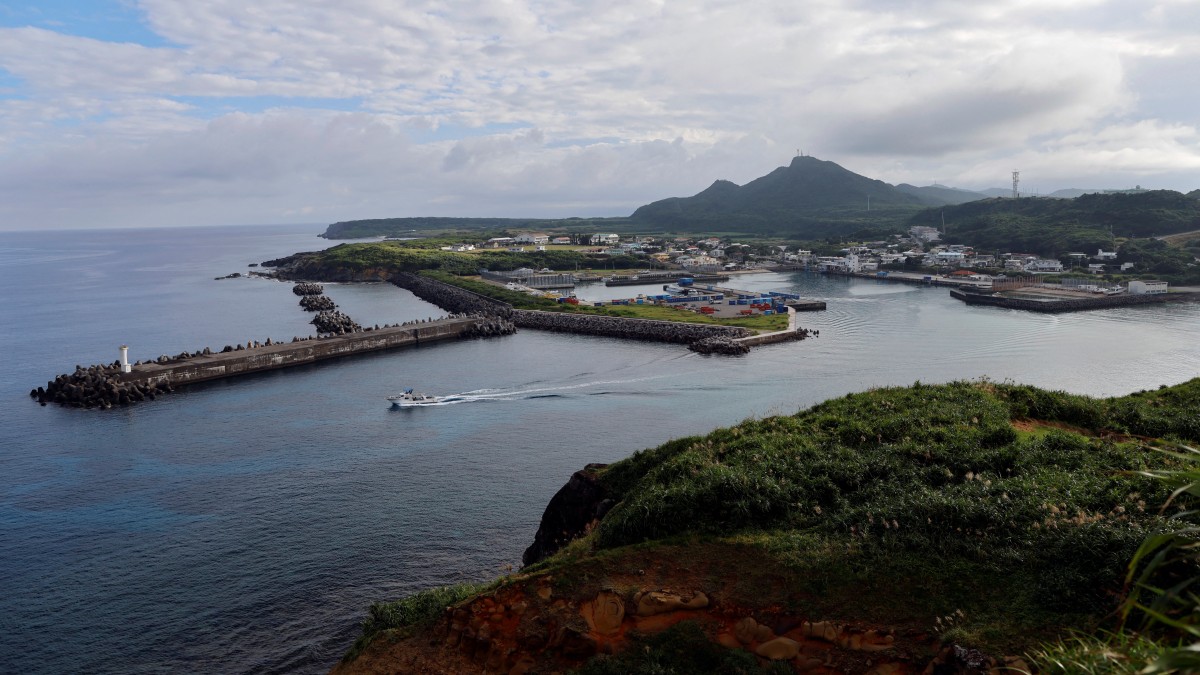
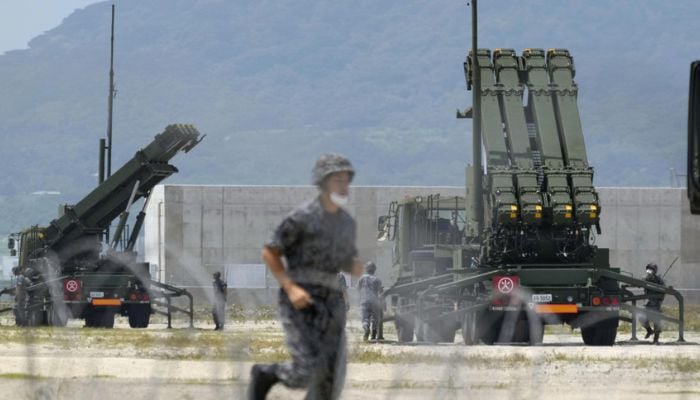
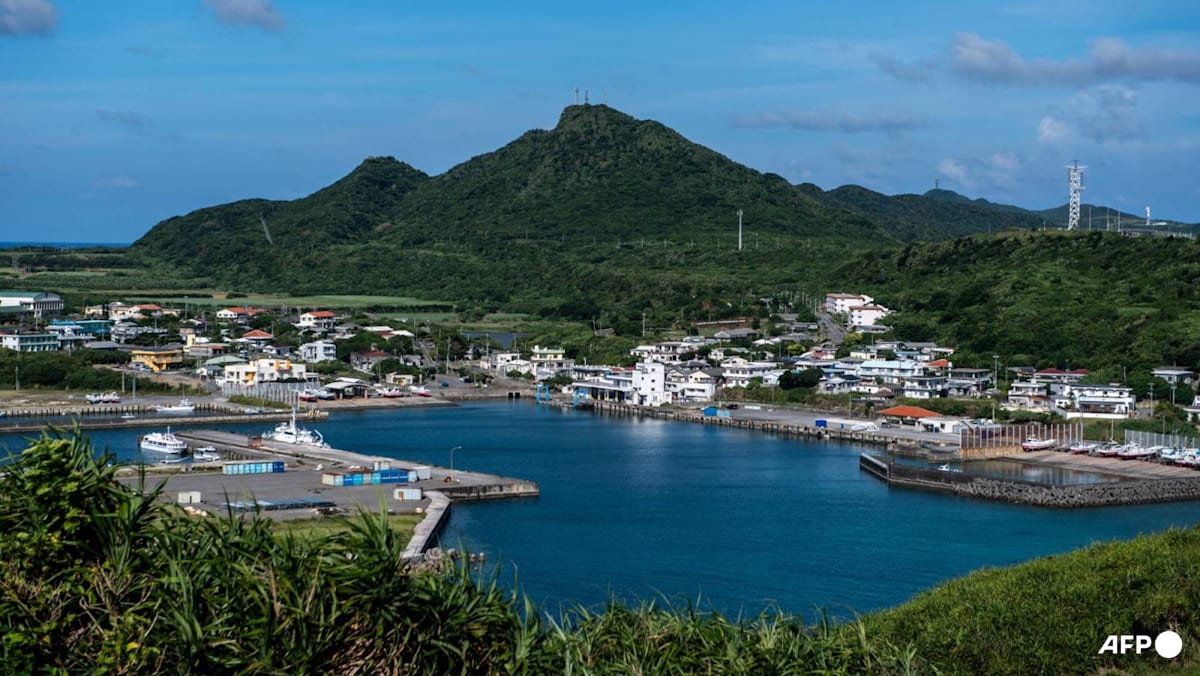
Japan's military escalation in the Taiwan Strait creates immediate supply chain vulnerabilities for cross-border sellers sourcing from Japan and Taiwan. Defense Minister Shinjiro Koizumi's announcement to deploy surface-to-air missiles to Yonaguni island by March 2031 (fiscal year 2030) signals sustained geopolitical tension that directly impacts e-commerce logistics, sourcing costs, and market access. China has already implemented export restrictions on 20 Japanese companies citing "national security concerns," while restricting rare earth exports and limiting tourism—all indicators of escalating trade barriers that will ripple through cross-border supply chains.
For sellers sourcing electronics, semiconductors, and precision instruments from Japan, the immediate impact is quantifiable: China's dual-use export restrictions create 3-6 week shipping delays as goods face enhanced customs scrutiny. Japanese companies exporting to China face 15-25% tariff premiums on affected categories (HS codes 8471-8548 for electronics, 7408-7419 for copper products). Sellers with inventory in Japan-Taiwan logistics corridors should expect 8-12% cost increases by Q2 2026 when the electronic warfare unit becomes operational, signaling further military buildout. The 2031 deployment timeline creates a 6-year window of escalating tensions, with critical inflection points in 2026 (electronic warfare unit deployment) and 2030 (missile system activation).
Strategic sourcing implications are substantial: Sellers currently dependent on Japanese suppliers for electronics components, optical equipment, and precision machinery should begin diversifying to Vietnam, South Korea, and India by Q1 2026. Vietnam has captured 18-22% of electronics manufacturing previously sourced from Japan, offering 5-8% cost savings despite slightly longer lead times (4-5 weeks vs. 2-3 weeks from Japan). Taiwan-based semiconductor suppliers face the highest risk—TSMC and MediaTek customers should establish secondary sourcing relationships with Samsung (South Korea) and Intel (US) immediately. The rare earth export restrictions from China particularly impact sellers in consumer electronics, automotive accessories, and industrial equipment categories, where rare earth elements comprise 12-18% of component costs.
Currency volatility presents both risk and opportunity: The Japanese yen has weakened 15-20% against the USD since 2022, making Japanese exports more price-competitive despite tariff increases. However, this advantage erodes if China implements retaliatory tariffs on Japanese goods (currently 0-5% baseline, could reach 15-25% by 2027). Sellers with JPY-denominated costs should lock in forward contracts for 12-24 month supply commitments by Q2 2026. Conversely, sellers with USD-based inventory can capitalize on yen weakness to source Japanese products at 12-15% discounts before tariff escalation.
Questions 8
How does this geopolitical escalation impact Amazon FBA and cross-border logistics networks?
Escalating Japan-China tensions create logistics network strain through 2031. Amazon FBA fulfillment centers in Japan and Asia-Pacific regions will experience 3-6 week inbound delays for Japanese-sourced inventory due to enhanced customs scrutiny. Sellers using Japan-based 3PL providers should expect 8-12% cost increases by 2026 as shipping rates rise. The news reports China's restrictions on dual-use exports, which directly impacts electronics and semiconductor inventory in FBA networks. Sellers should: (1) increase inventory buffers by 30-40% for Japan-sourced products; (2) diversify to Vietnam/South Korea 3PL providers offering 5-8% cost savings; (3) monitor FBA storage fees in Asia-Pacific regions, which may increase 10-15% by 2026 due to supply chain costs. Plan for 2-3 month lead time extensions for Japan-sourced inventory by Q2 2026.
What compliance and documentation changes should sellers expect from escalating trade tensions?
Enhanced customs scrutiny on dual-use exports (electronics, semiconductors, optical equipment) will require additional documentation and certifications. The news indicates China implemented restrictions on dual-use exports to Japanese companies, signaling similar restrictions may apply to cross-border sellers. Expect 3-6 week processing delays for affected categories by 2026. Sellers should prepare: (1) detailed product specifications and end-use certifications; (2) supply chain transparency documentation; (3) alternative sourcing relationships for critical components. Currency hedging documentation and forward contract management become essential for JPY-denominated sourcing. Budget 15-20 additional hours per shipment for compliance documentation by 2026.