



Caribbean Trade Policy Shifts | Tariff Opportunities for Cross-Border Sellers
- Rubio's CARICOM summit signals potential tariff reductions and trade agreement modifications affecting Caribbean market access for 15,000+ cross-border sellers






Overview
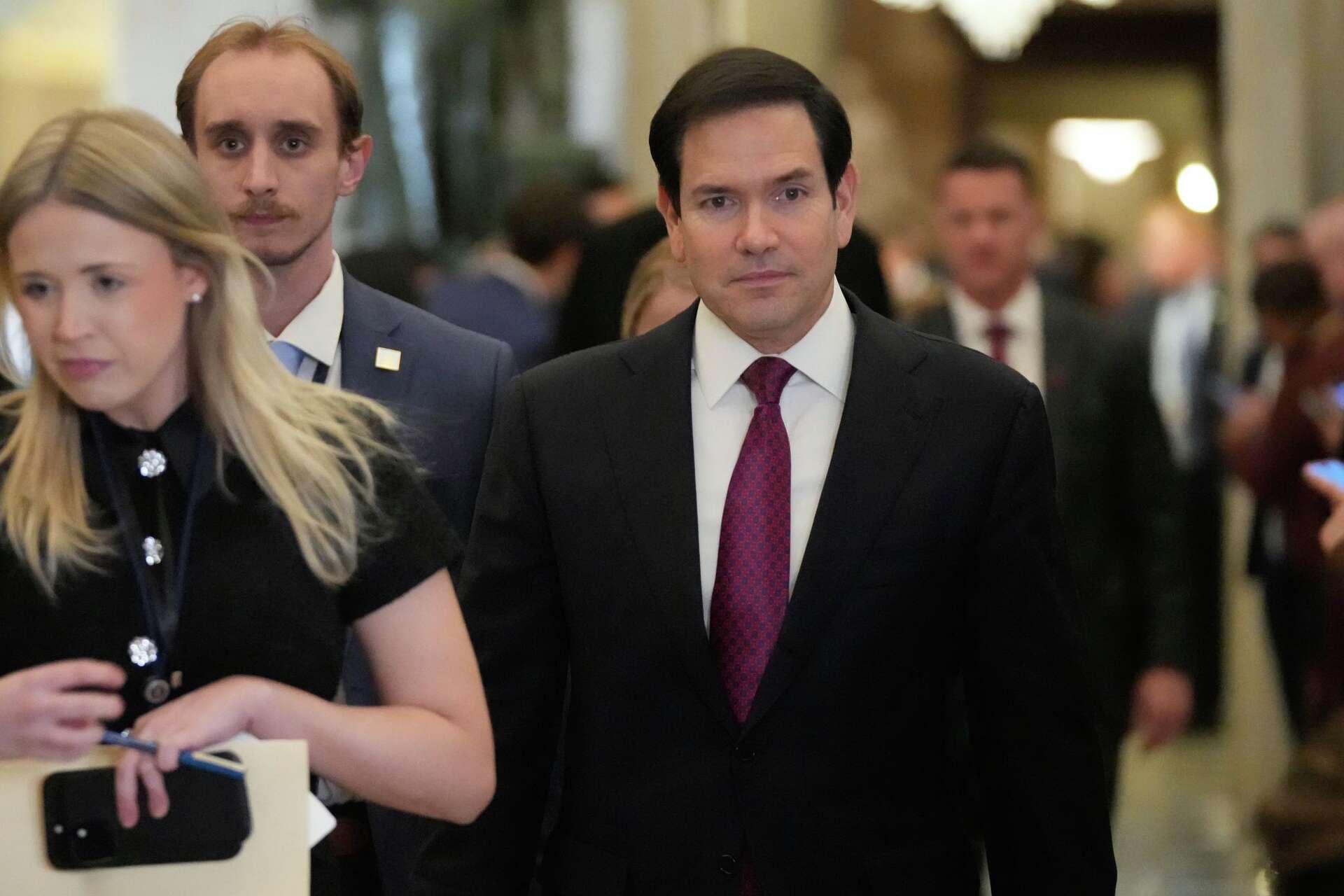
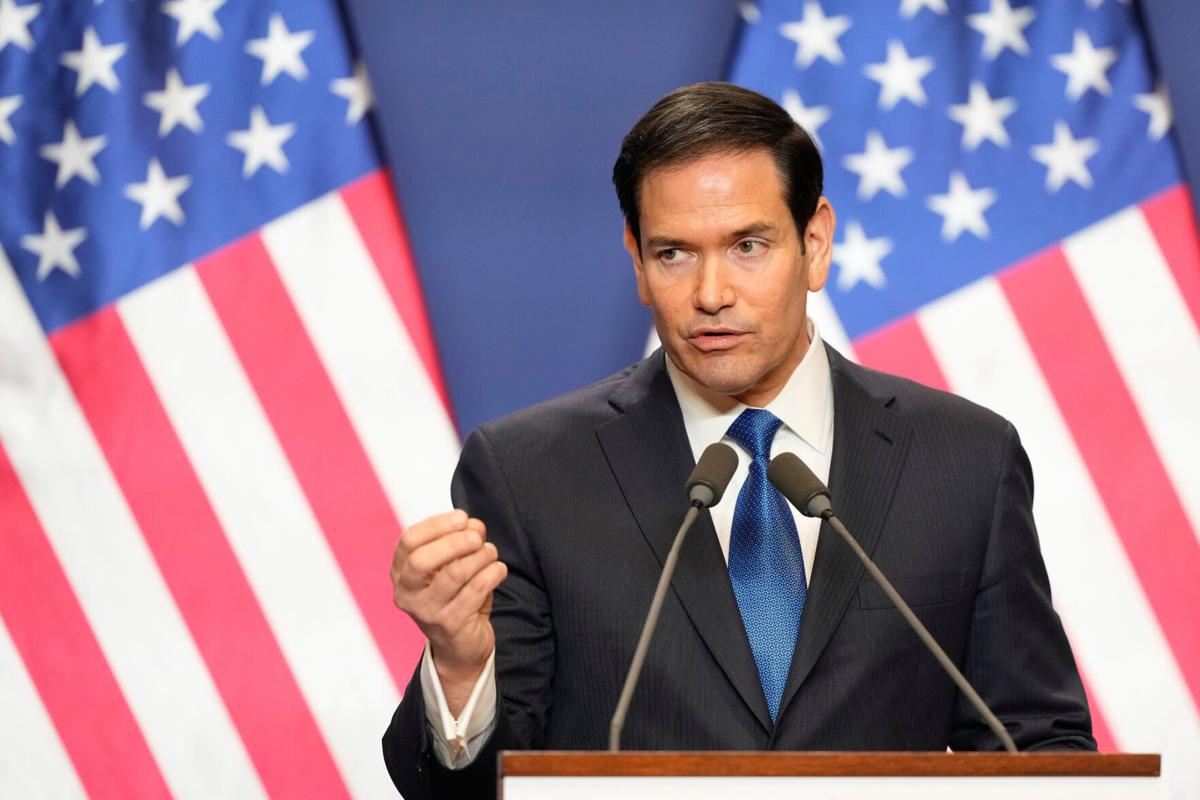
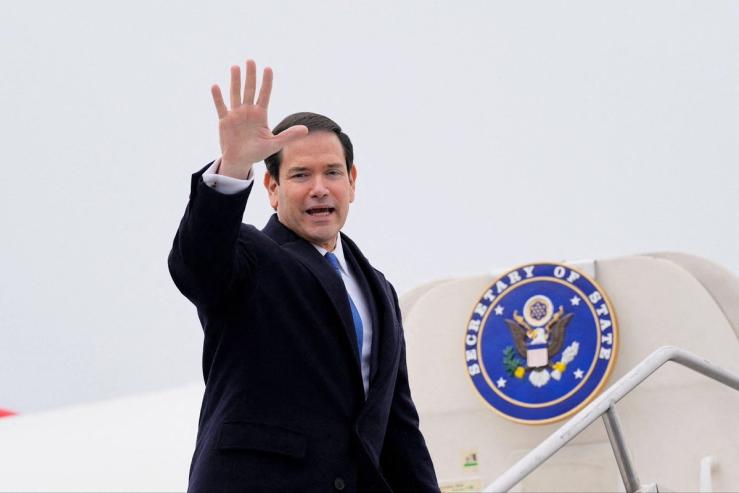
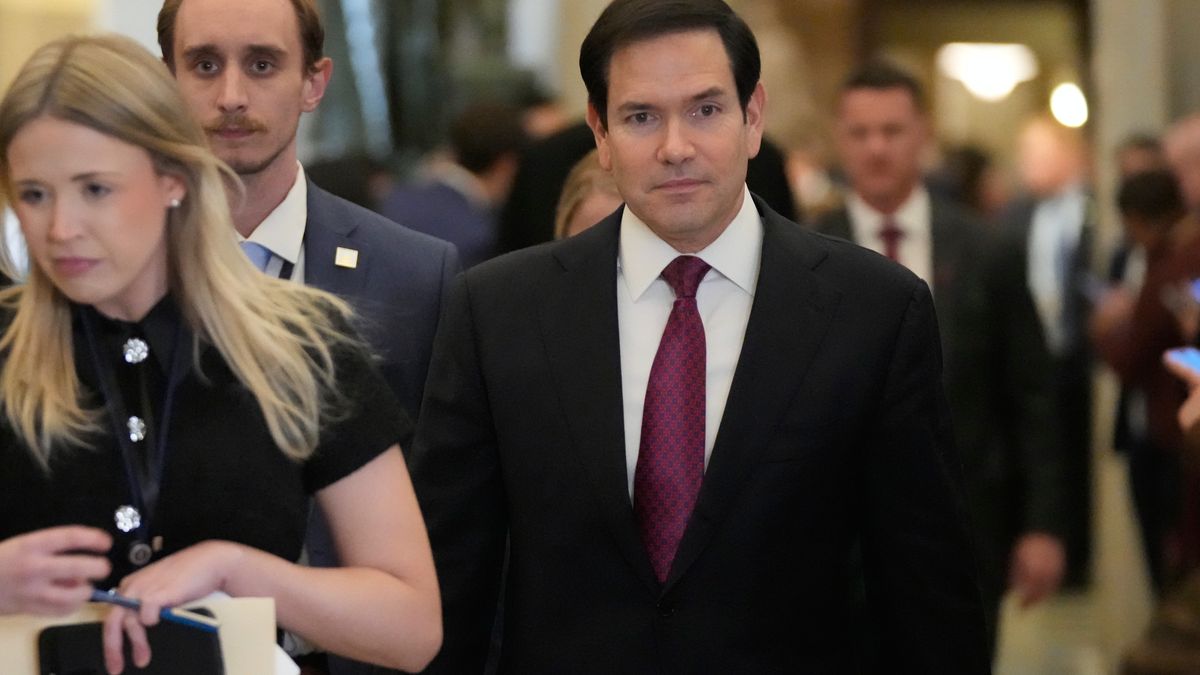
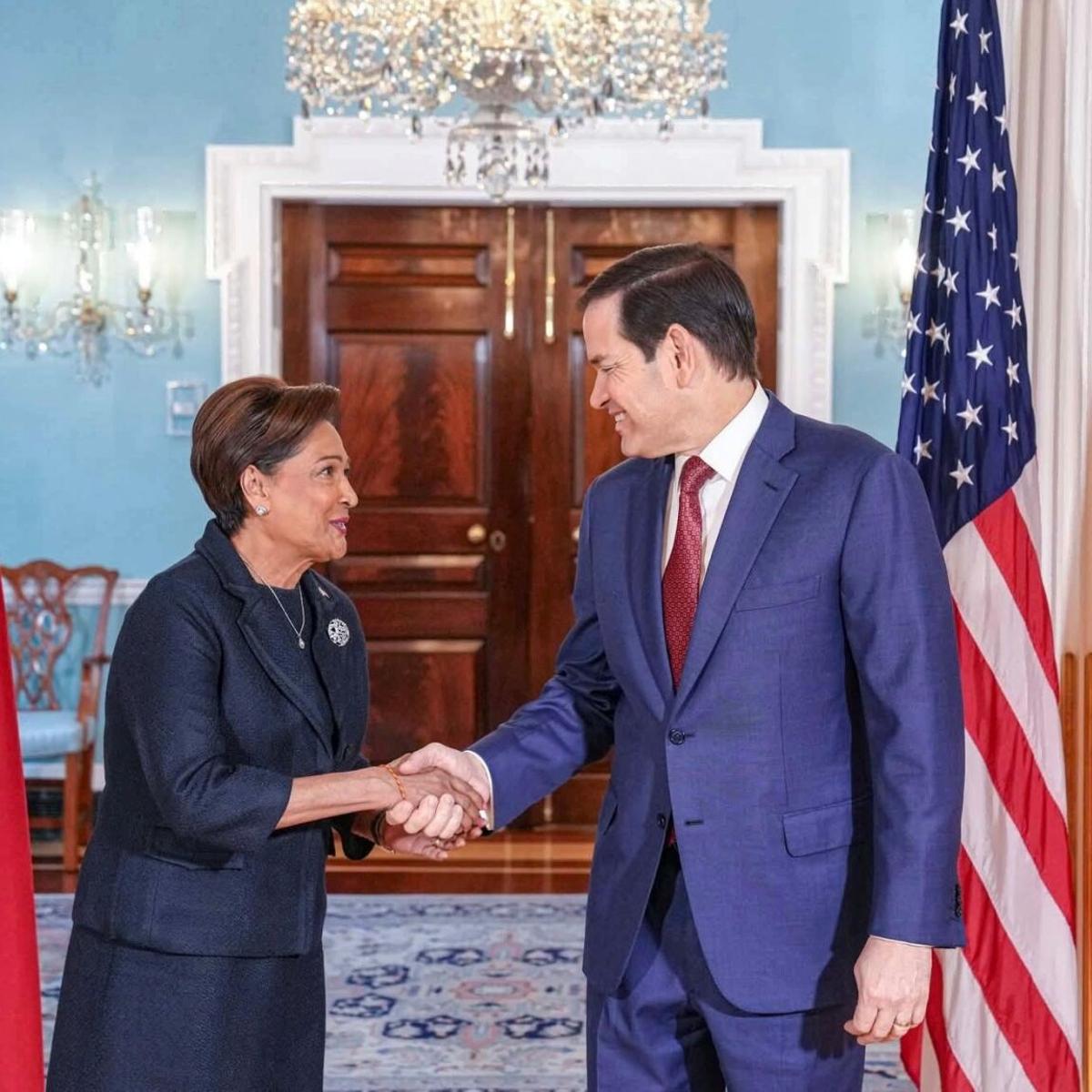
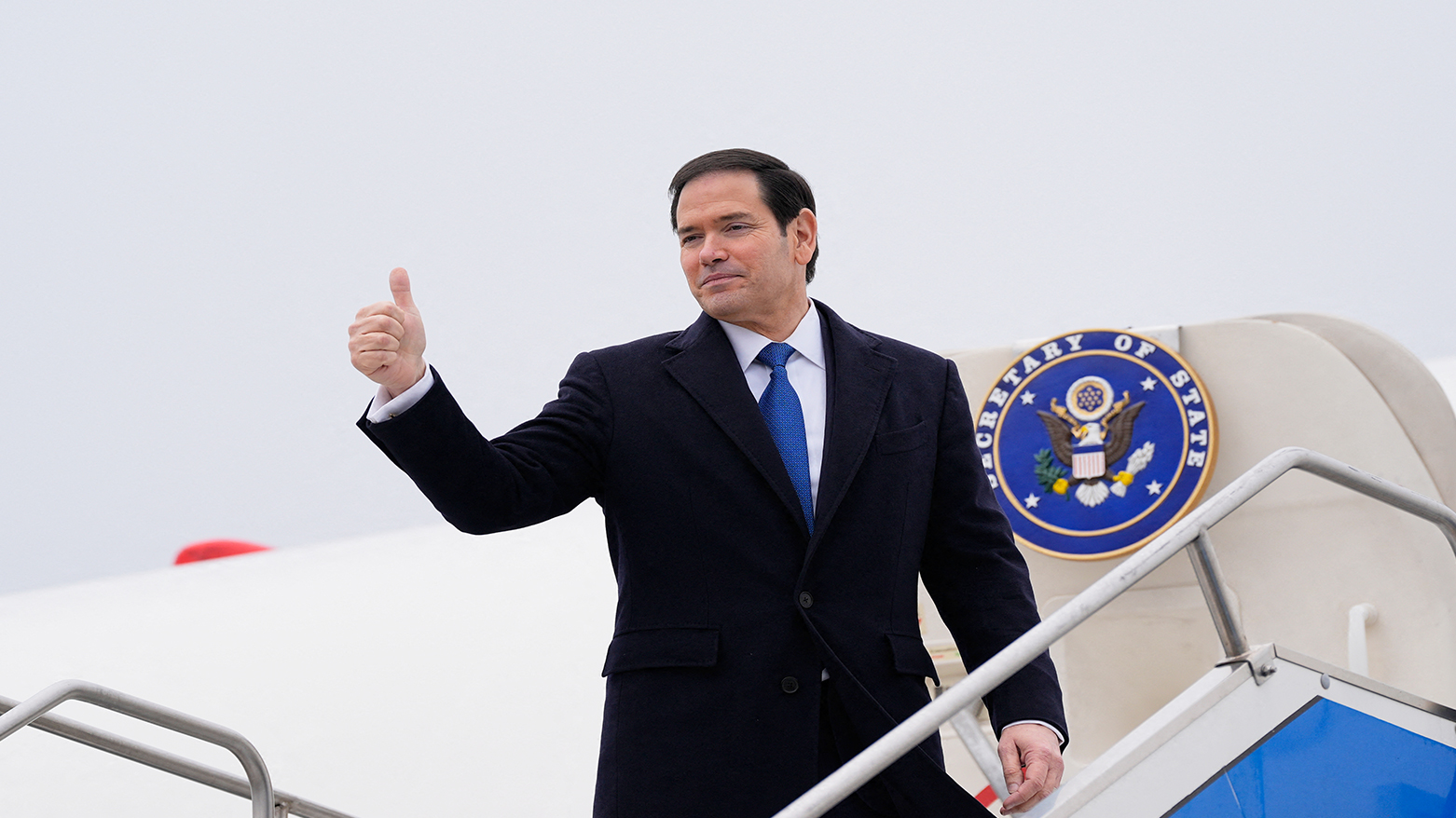
Secretary of State Marco Rubio's diplomatic mission to St. Kitts and Nevis for the CARICOM summit represents a critical inflection point for cross-border e-commerce sellers operating in or trading with Caribbean markets. The summit, occurring amid Trump administration policy uncertainty and following the capture of Venezuelan President Nicolás Maduro, signals imminent trade policy recalibration affecting tariff structures, customs procedures, and market access across the Caribbean region. Caribbean leaders have explicitly raised concerns about tariff implications and trade agreement modifications, indicating these topics will dominate negotiations. For sellers, this creates a 60-90 day window to anticipate and capitalize on potential tariff arbitrage opportunities before policy changes are formally announced.
The geopolitical context directly impacts three critical seller variables: tariff rates by HS code, customs clearance timelines, and market accessibility. Currently, Caribbean nations operate under various trade frameworks including CARICOM agreements and bilateral arrangements with the U.S. Rubio's reassurance mission suggests the Trump administration may pursue either tariff reductions to strengthen regional relationships (benefiting sellers shipping to Caribbean markets) or tariff increases on specific categories to protect U.S. manufacturers. Historical precedent shows similar diplomatic missions precede tariff announcements within 30-60 days. Sellers with Caribbean supply chains or customer bases should monitor specific product categories: apparel (HS 61-62), electronics (HS 85), and consumer goods (HS 94-96) typically see the largest tariff fluctuations in regional trade negotiations. The intensified enforcement against drug smuggling operations mentioned in the news may also trigger stricter customs inspections, potentially increasing clearance times by 5-10 business days for all shipments.
Market access opportunities emerge across three seller segments. Small sellers (under $500K annual revenue) can exploit tariff arbitrage by sourcing products from Caribbean nations with preferential access to U.S. markets—if tariff reductions are granted, margin improvements of 8-15% become possible on imported goods. Medium-sized sellers ($500K-$5M) should evaluate establishing Caribbean distribution hubs to serve both regional markets and re-export to the U.S., leveraging potential tariff advantages. Large sellers ($5M+) can negotiate directly with Caribbean governments for preferential trade status, particularly in high-value categories like electronics and machinery. The CARICOM summit outcome will determine whether these opportunities materialize; sellers should prepare contingency plans for both tariff reduction and tariff increase scenarios. Regional economic stability concerns raised by Caribbean leaders suggest potential for trade concessions to stabilize the region, creating a favorable window for tariff-advantaged sourcing strategies.
Questions 8
What compliance shortcuts can sellers use for Caribbean customs procedures?
Sellers can legally optimize Caribbean customs compliance through: (1) **Harmonized Tariff Schedule (HTS) classification optimization** - work with customs brokers to ensure products are classified in lowest-tariff HS codes (savings: 2-8% per shipment), (2) **Certificate of Origin documentation** - ensure Caribbean origin claims are properly documented to access preferential tariffs (cost: $50-150 per shipment), (3) **Bonded warehouse strategies** - use Caribbean bonded warehouses for inventory staging to defer tariff payments until final sale (reduces working capital 10-15%), (4) **Advance rulings** - request CBP advance tariff rulings on ambiguous products before shipping (cost: $500-1,500, saves 5-10% on large shipments). Implementation timeline: 30-45 days. Compliance risk: low if using licensed customs brokers. Estimated savings: $200-500 per $10,000 shipment value.
Should sellers establish Caribbean distribution hubs for market access?
Medium-sized sellers ($500K-$5M revenue) should evaluate establishing Caribbean distribution hubs to serve both regional markets and re-export to the U.S., leveraging potential tariff advantages. This strategy works if tariff reductions are granted for Caribbean-origin goods. Hub setup costs: $30,000-75,000 for warehouse space, customs bonding, and initial inventory. Operational costs: $3,000-8,000 monthly for staffing and logistics. Timeline: 90-120 days to establish. Benefits: tariff arbitrage (8-15% margin improvement), faster regional delivery (2-3 days vs. 7-10 days from U.S.), and potential preferential trade status. Risk: if tariffs increase instead, hub becomes unprofitable. Recommend waiting 30 days post-summit for tariff announcements before committing capital.