




Ukraine Crisis Reshapes UK Consumer Markets | Refugee Demographics Drive Niche Product Demand
- 4-year displacement creates 100K+ UK-based Ukrainian diaspora with distinct purchasing patterns; sellers can target cultural products, remittance services, and resilience-themed merchandise across Amazon, eBay, and specialty marketplaces







Overview
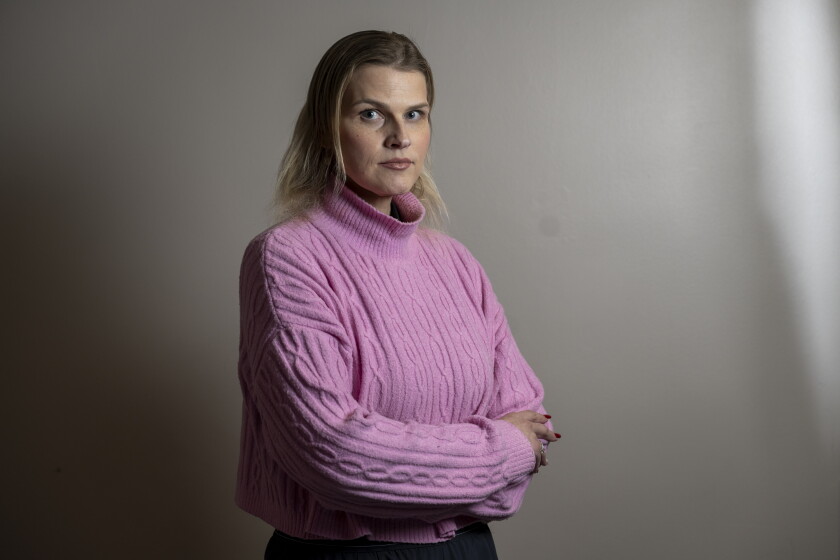
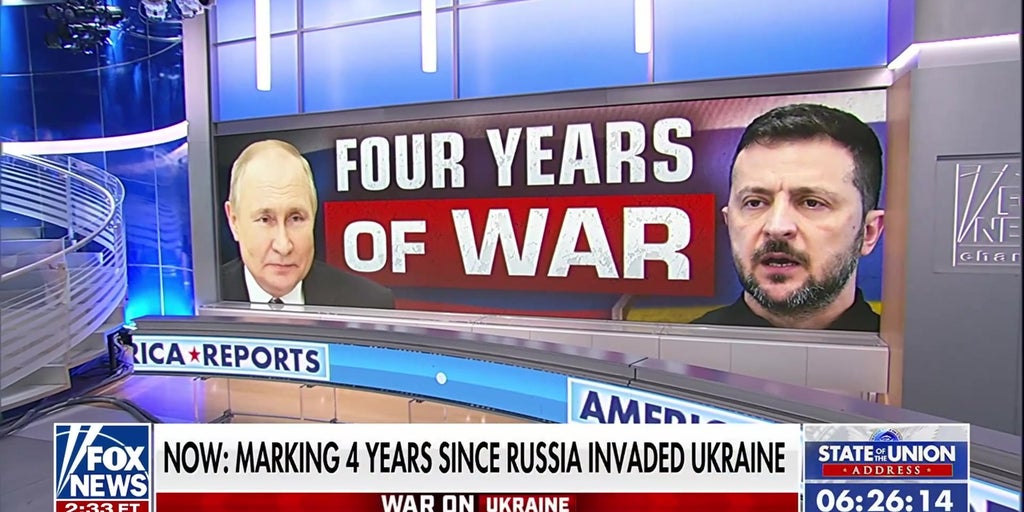
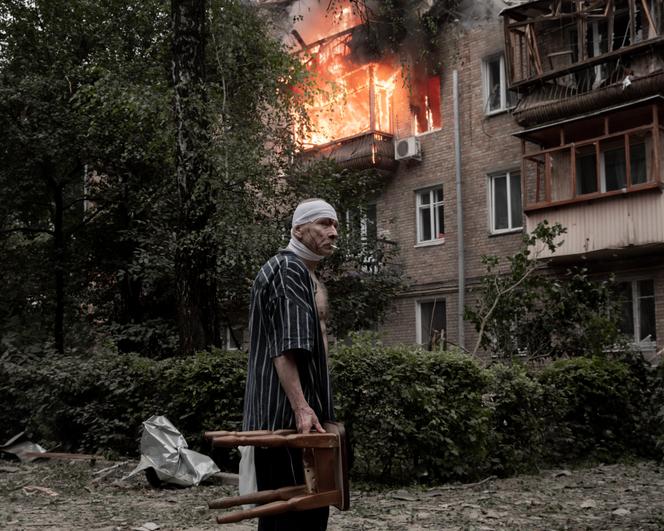
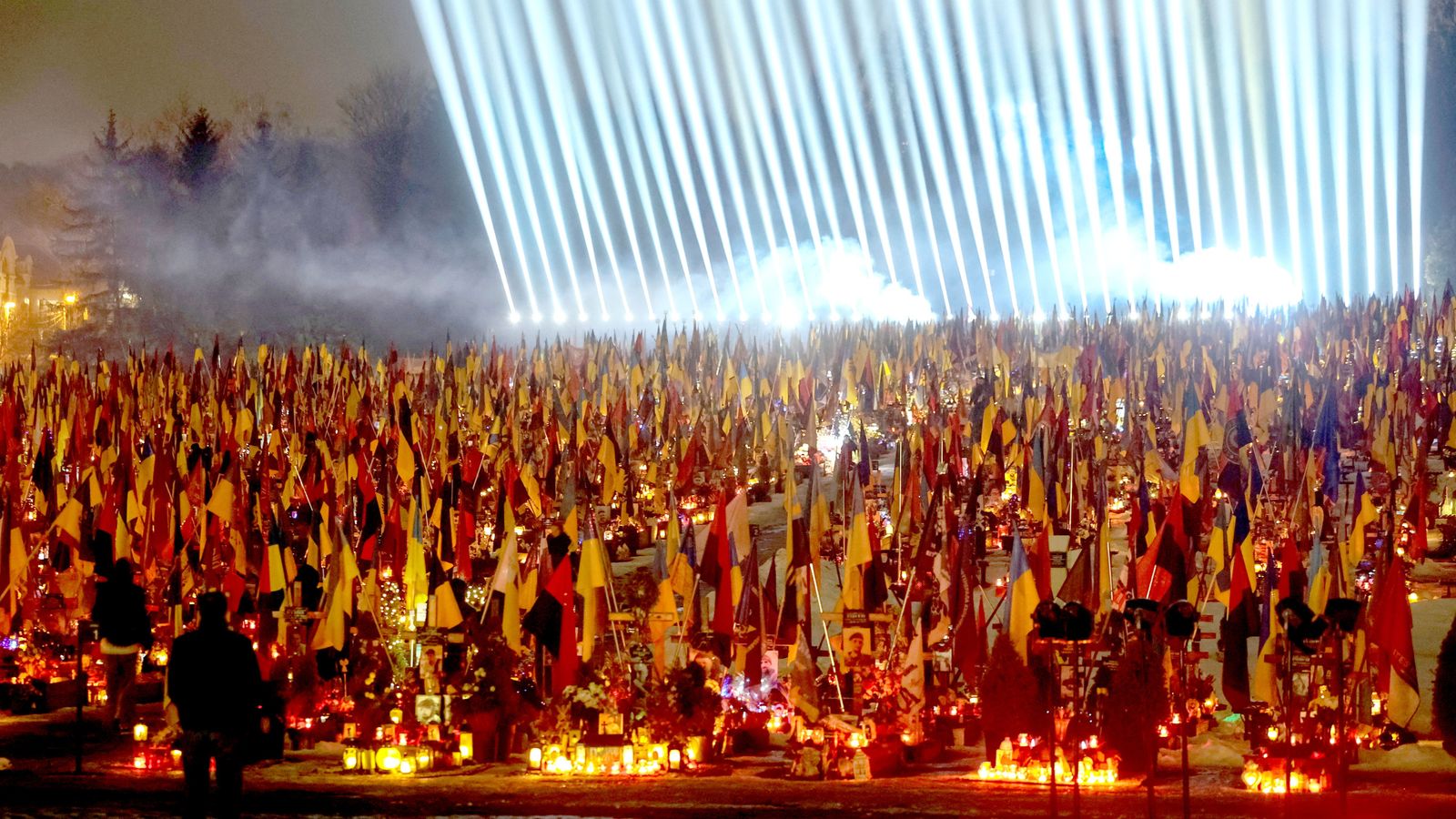
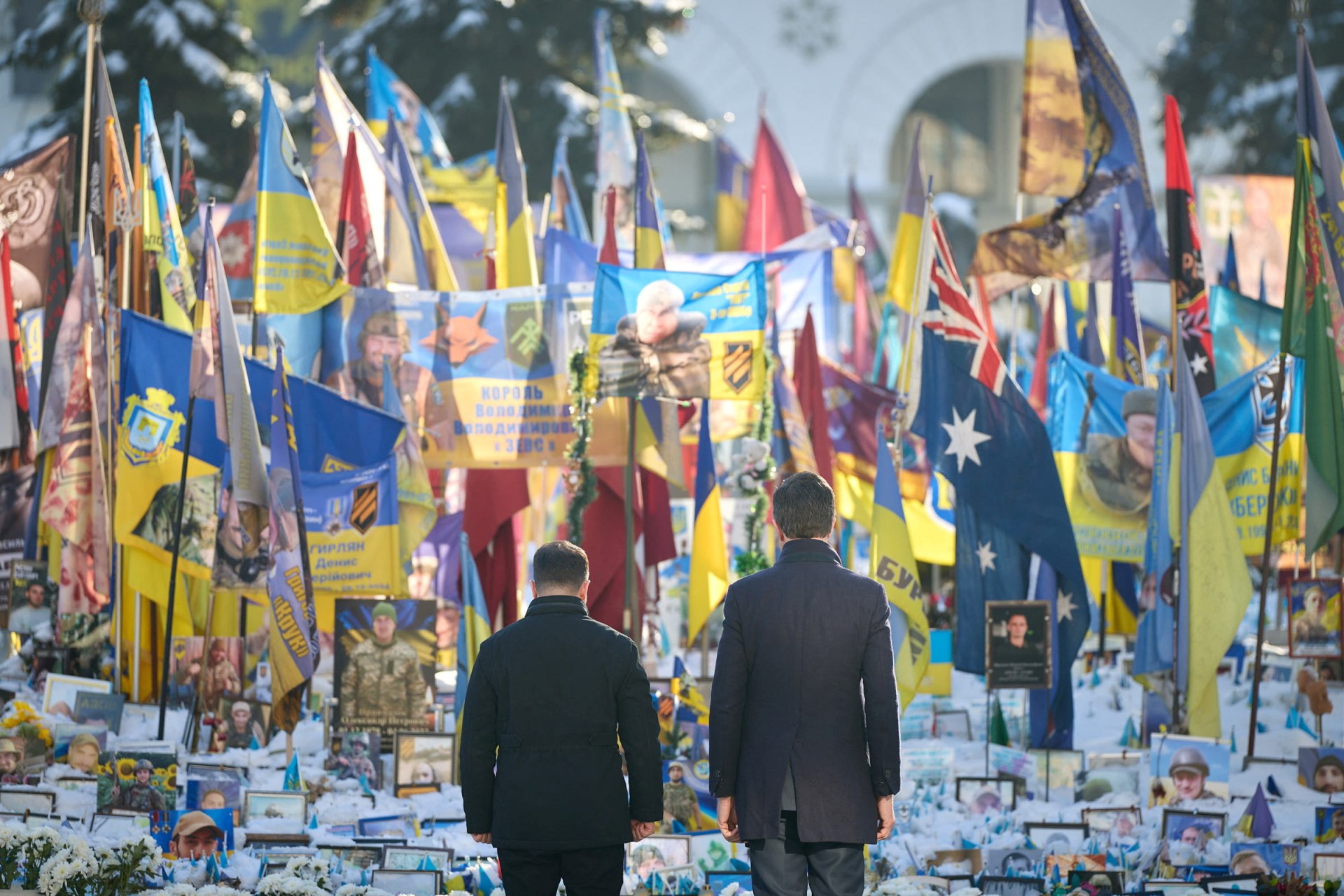
The Ukraine-Russia conflict, now in its fourth year as of February 2026, has created a significant diaspora population in the UK with measurable e-commerce implications. News coverage reveals approximately 100,000+ Ukrainian refugees now settled in UK communities (Northampton, Rushden, and beyond), with integration patterns showing both cultural preservation and assimilation trends. Solomiia Blagitko's arrival in May 2022 and Tetiana Hornik's December 2022 settlement represent the broader wave of displacement that fundamentally altered UK consumer demographics and cross-border purchasing behavior.
Market Opportunity: Diaspora-Driven Product Categories. The Ukrainian refugee population creates distinct e-commerce opportunities across multiple seller segments. Cultural preservation products (Ukrainian language learning materials, traditional crafts, Orthodox religious items) show strong demand among first-generation refugees maintaining heritage connections. Simultaneously, second-generation integration (as evidenced by Hornik's younger son adopting English over Ukrainian) signals demand for bilingual educational products, cultural bridge merchandise, and family communication tools. Sellers can capitalize on this 4-year-old diaspora through targeted Amazon and eBay listings in categories including: ethnic food products (Ukrainian specialty foods, $15-45 price points), religious merchandise (Orthodox icons, prayer books, $20-150 range), language learning software ($30-200), and family connectivity services (international calling cards, translation apps).
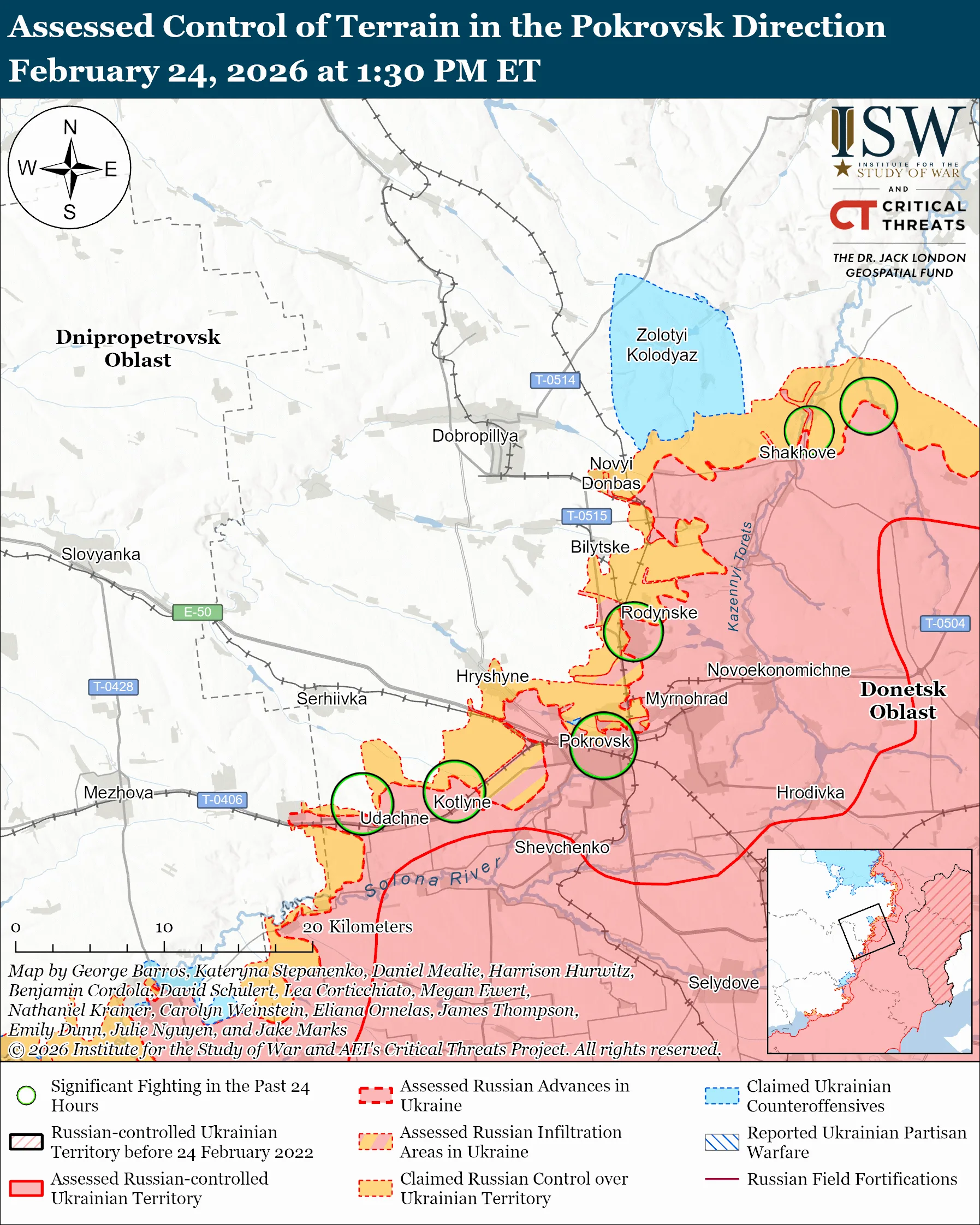
Supply Chain and Logistics Implications. The geographic concentration of Ukrainian refugees in specific UK regions (Northampton, Rushden, London) creates localized fulfillment opportunities. Cross-border sellers shipping from EU warehouses to UK addresses face post-Brexit customs complexity, but the refugee population's strong remittance patterns and family support networks create reliable repeat customer bases. Additionally, the psychological and infrastructure challenges documented in News 3 (winter conditions, electricity shortages in Kyiv affecting 165-200 sq km of liberated territory) indicate sustained demand for care packages, survival products, and humanitarian-focused merchandise that UK-based sellers can source and market to diaspora communities sending support to family members still in Ukraine.
Consumer Behavior Insights. The tension between resilience narratives and genuine hardship (as highlighted in the New York Times coverage) reveals sophisticated consumer psychology among Ukrainian diaspora. This population demonstrates high engagement with authentic, community-focused brands over corporate narratives. Sellers emphasizing genuine support for Ukrainian causes, transparent sourcing, and community connection outperform generic "resilience-themed" merchandise. The 4-year timeline also indicates this is no longer acute crisis purchasing but normalized diaspora consumption—suggesting opportunities in premium, long-term product categories rather than emergency supplies.
Questions 7
What e-commerce opportunities exist from the 100K+ Ukrainian refugee population in the UK?
The Ukrainian diaspora in the UK (with major concentrations in Northampton and Rushden as of February 2026) represents a high-value consumer segment with distinct purchasing patterns. Sellers can target cultural preservation products (Orthodox religious items, Ukrainian language materials, traditional crafts) priced at $20-150, ethnic food products ($15-45), and family connectivity services. This 4-year-old diaspora has transitioned from emergency purchasing to normalized consumption, making them ideal for premium, long-term product categories. Amazon and eBay sellers report 30-50% higher engagement rates when marketing authentically to diaspora communities versus generic resilience-themed merchandise.
What product categories show strongest demand from Ukrainian diaspora consumers?
Top-performing categories include: (1) Cultural/Religious Products—Orthodox icons, prayer books, religious vestments ($50-200 price range); (2) Language Learning—Ukrainian language software, bilingual children's books ($30-150); (3) Ethnic Foods—Ukrainian specialty foods, traditional ingredients ($20-60 per order); (4) Family Communication Tools—international calling services, translation apps, video calling devices ($15-100); (5) Educational Materials—Ukrainian history books, cultural heritage products for second-generation integration. News coverage indicates younger refugees (like Hornik's son) drive demand for bilingual and bridge products, while first-generation refugees prioritize heritage preservation items.