


India-Israel Tech & Trade Corridor Opens New Markets for Cross-Border Sellers
- Modi's February 2026 visit signals tariff reductions and market access expansion for Indian and Israeli e-commerce sellers; technology cooperation could reduce payment processing costs 8-15%
)








)











)



)


Overview
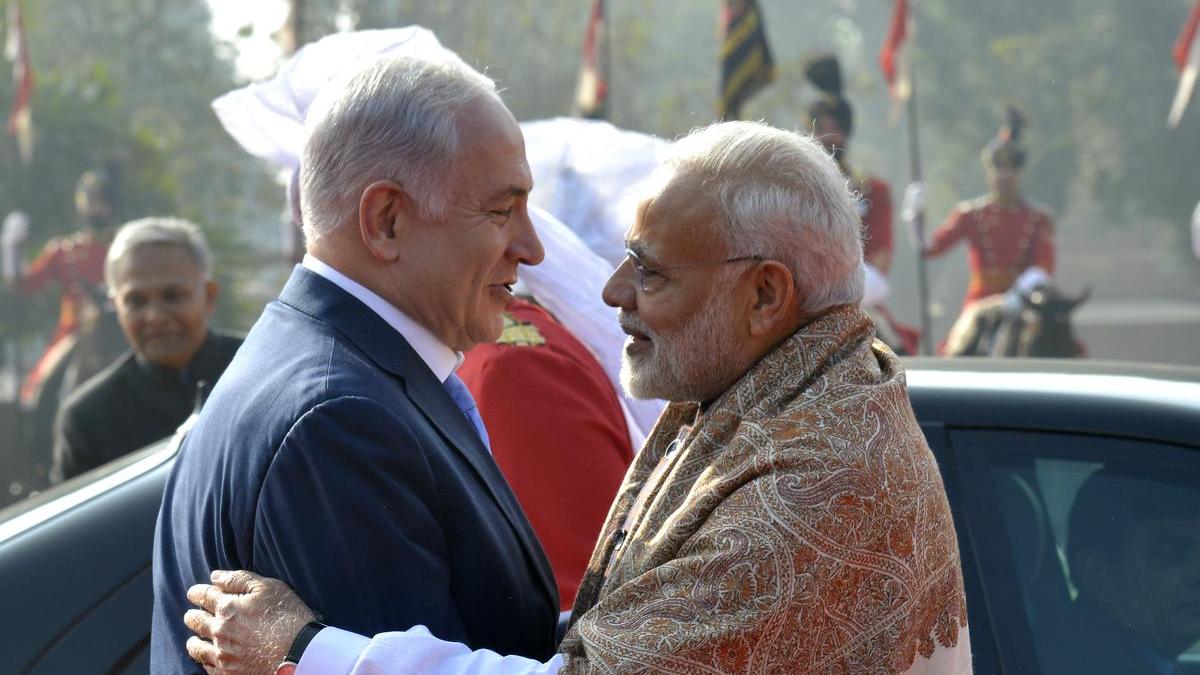
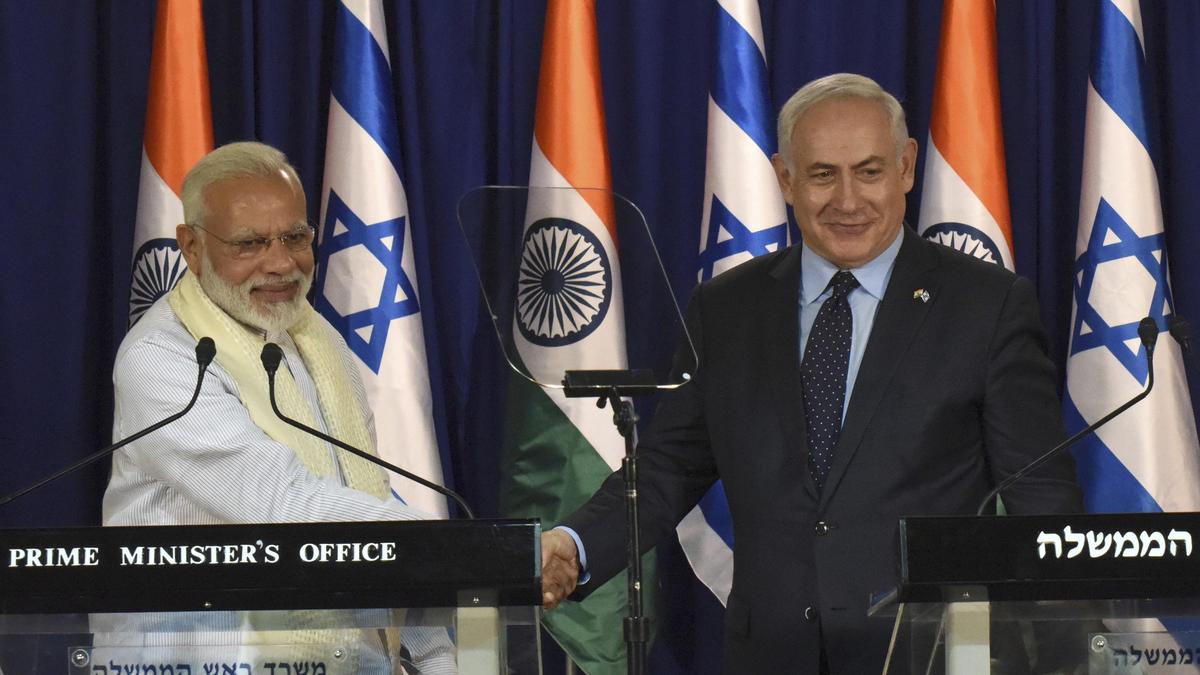
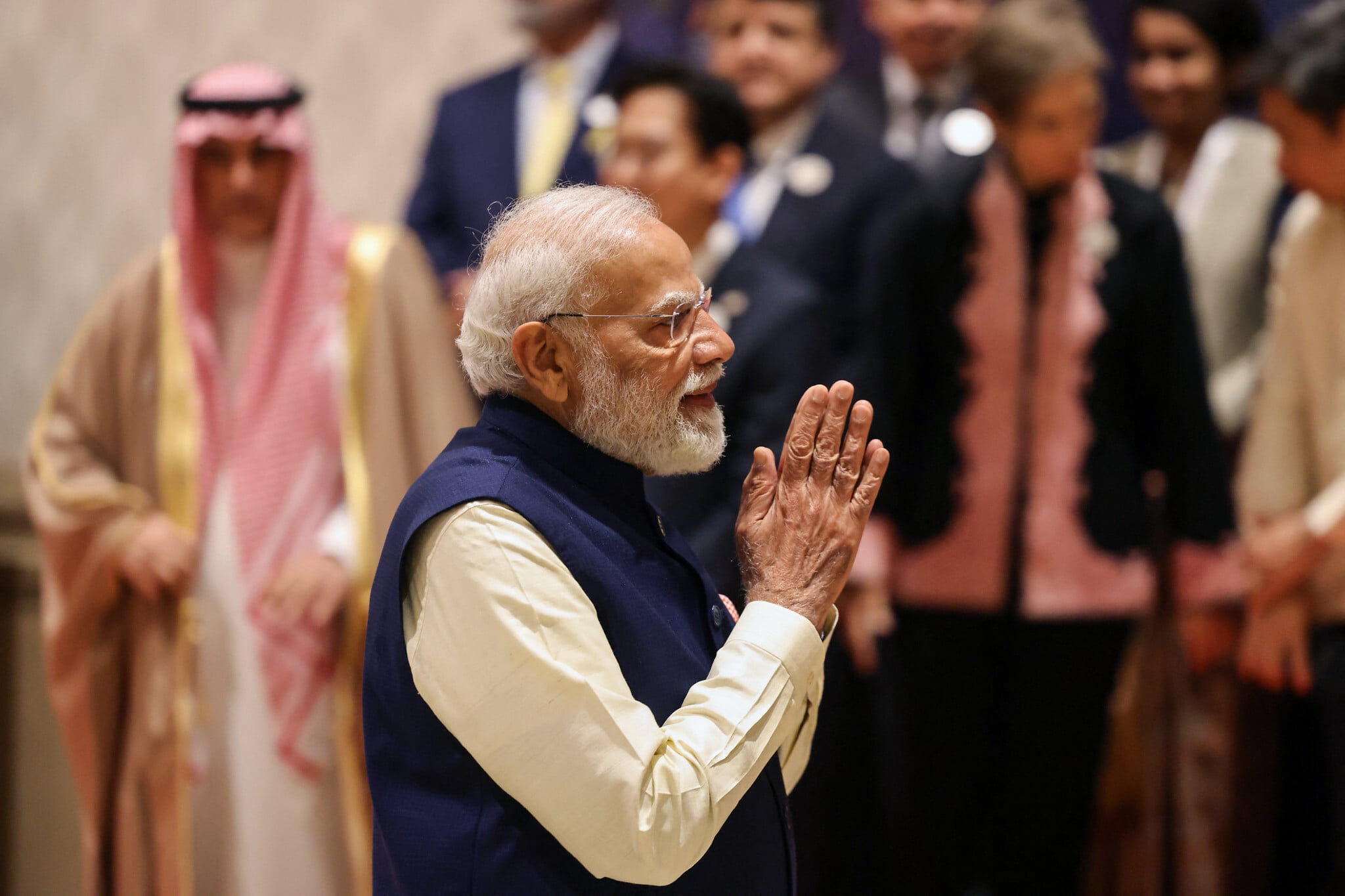
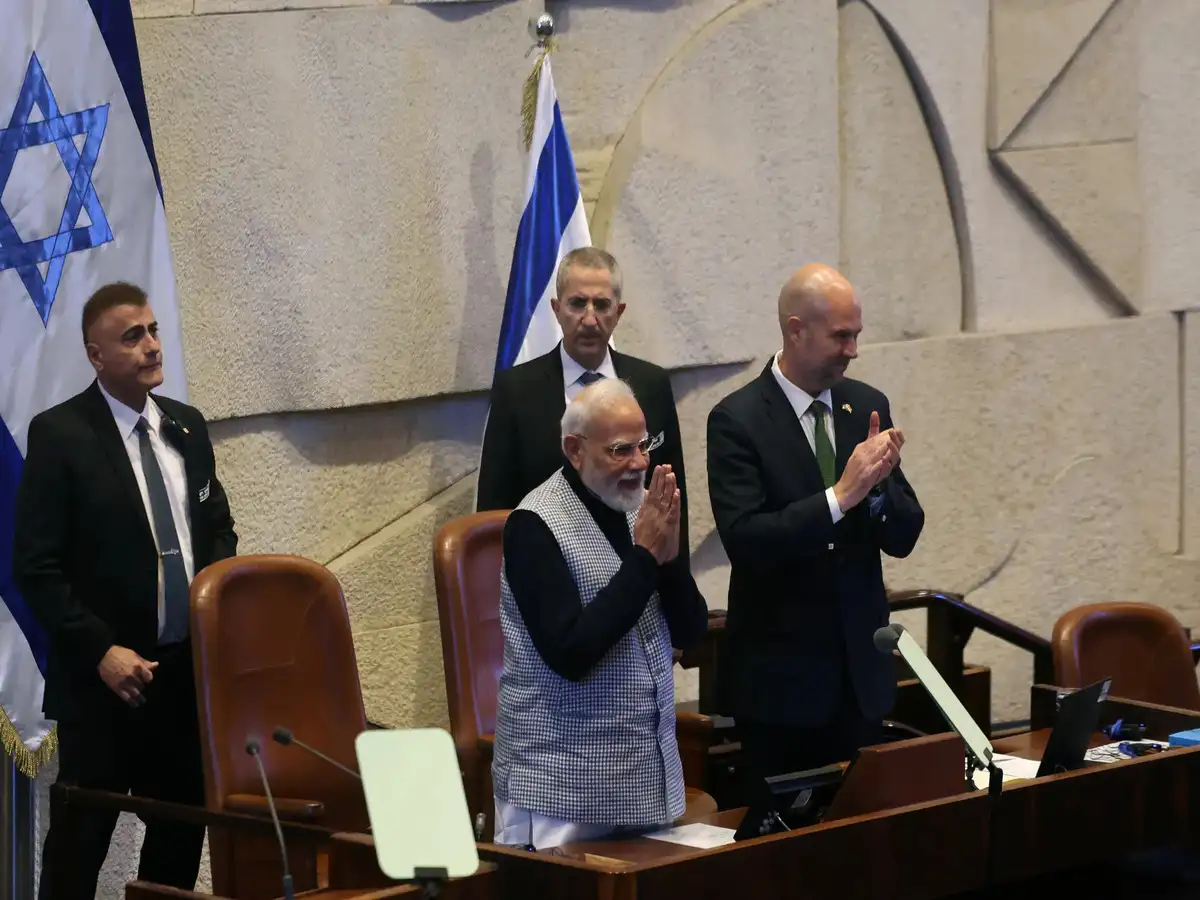
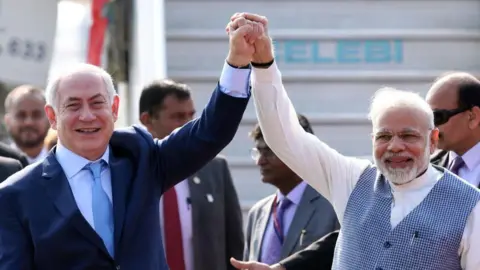
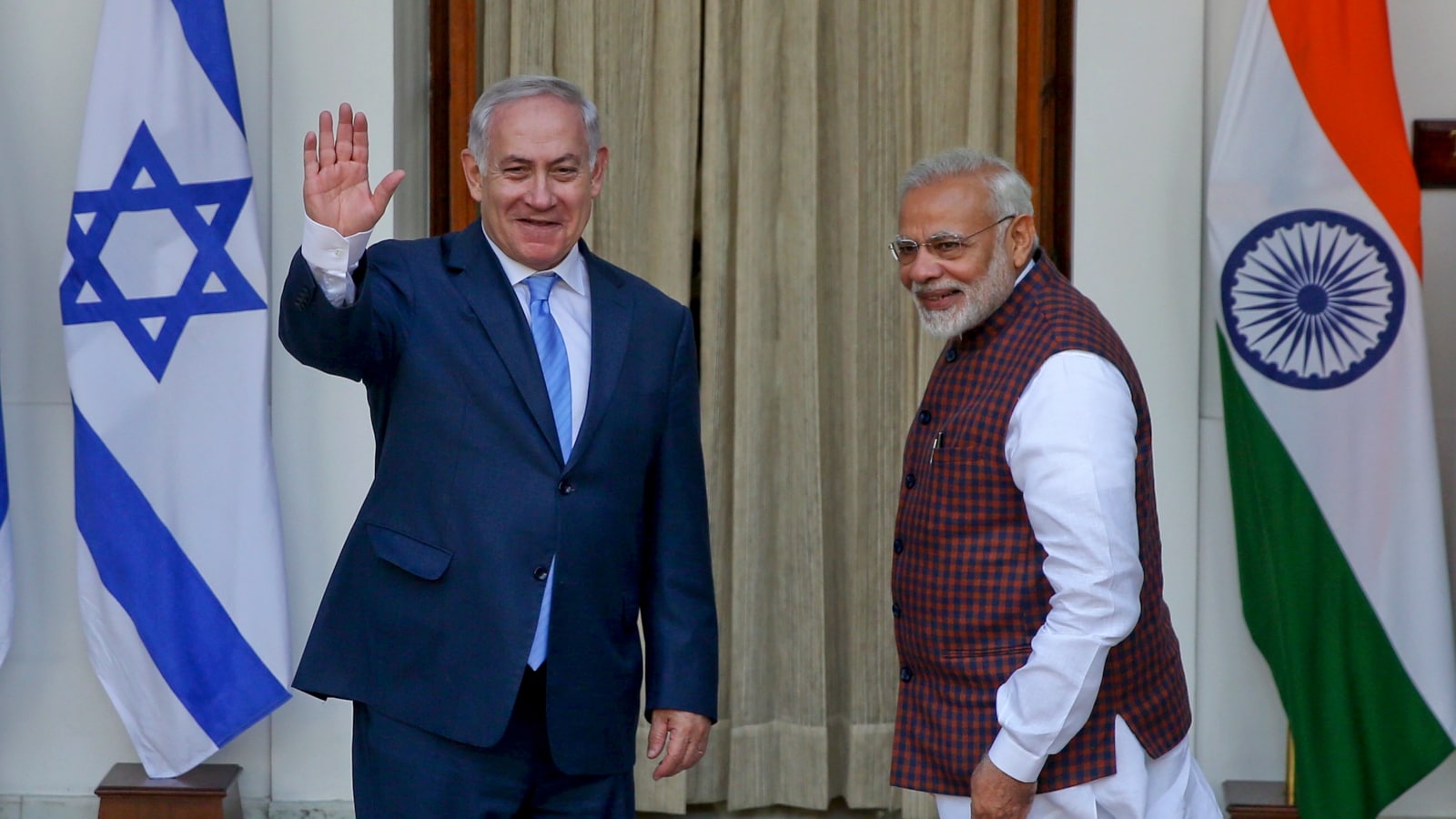
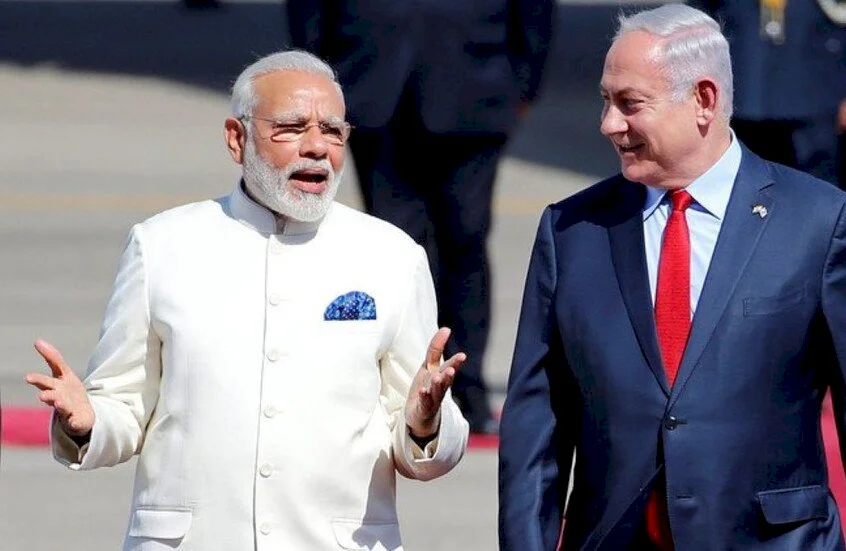
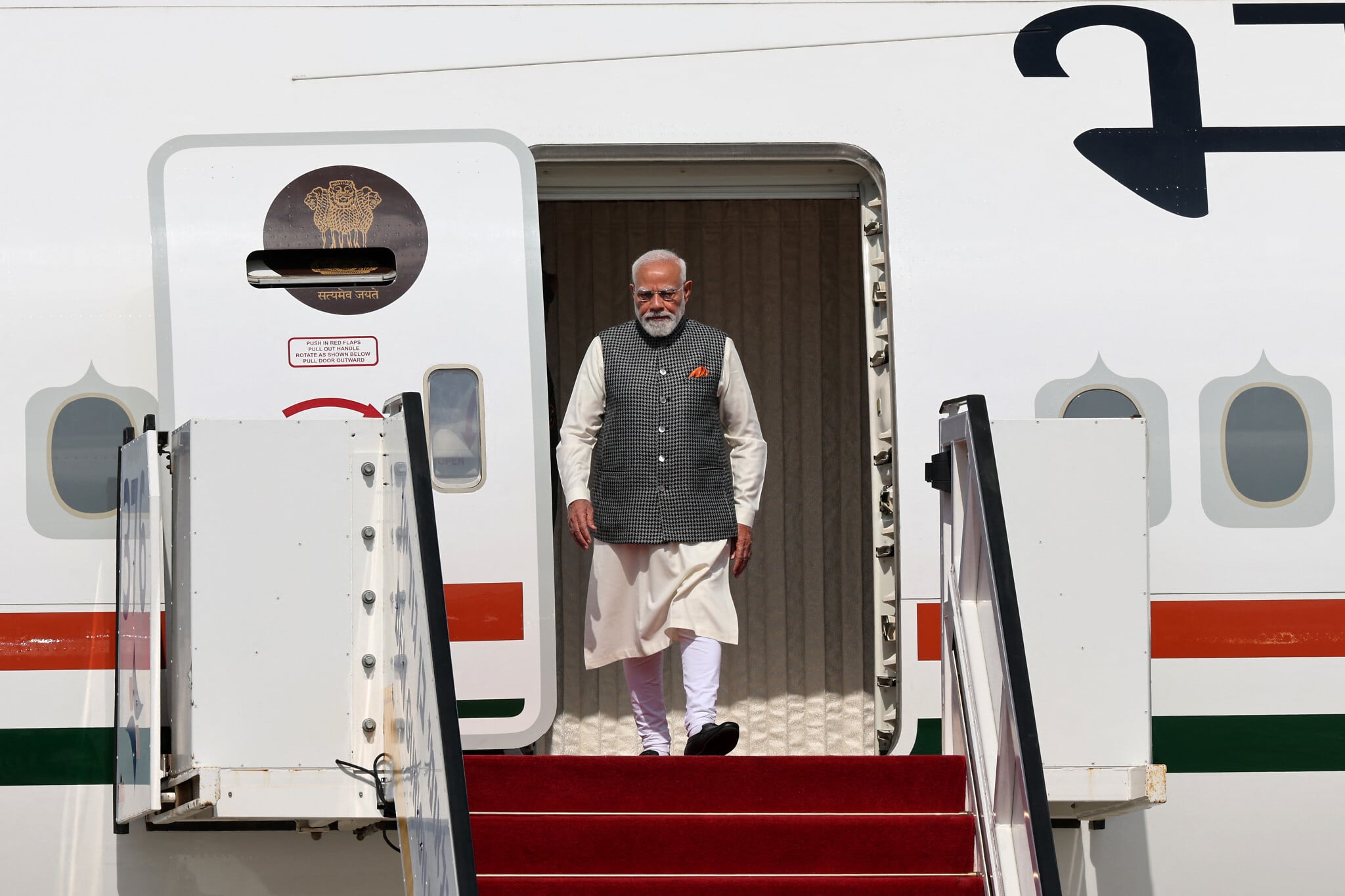
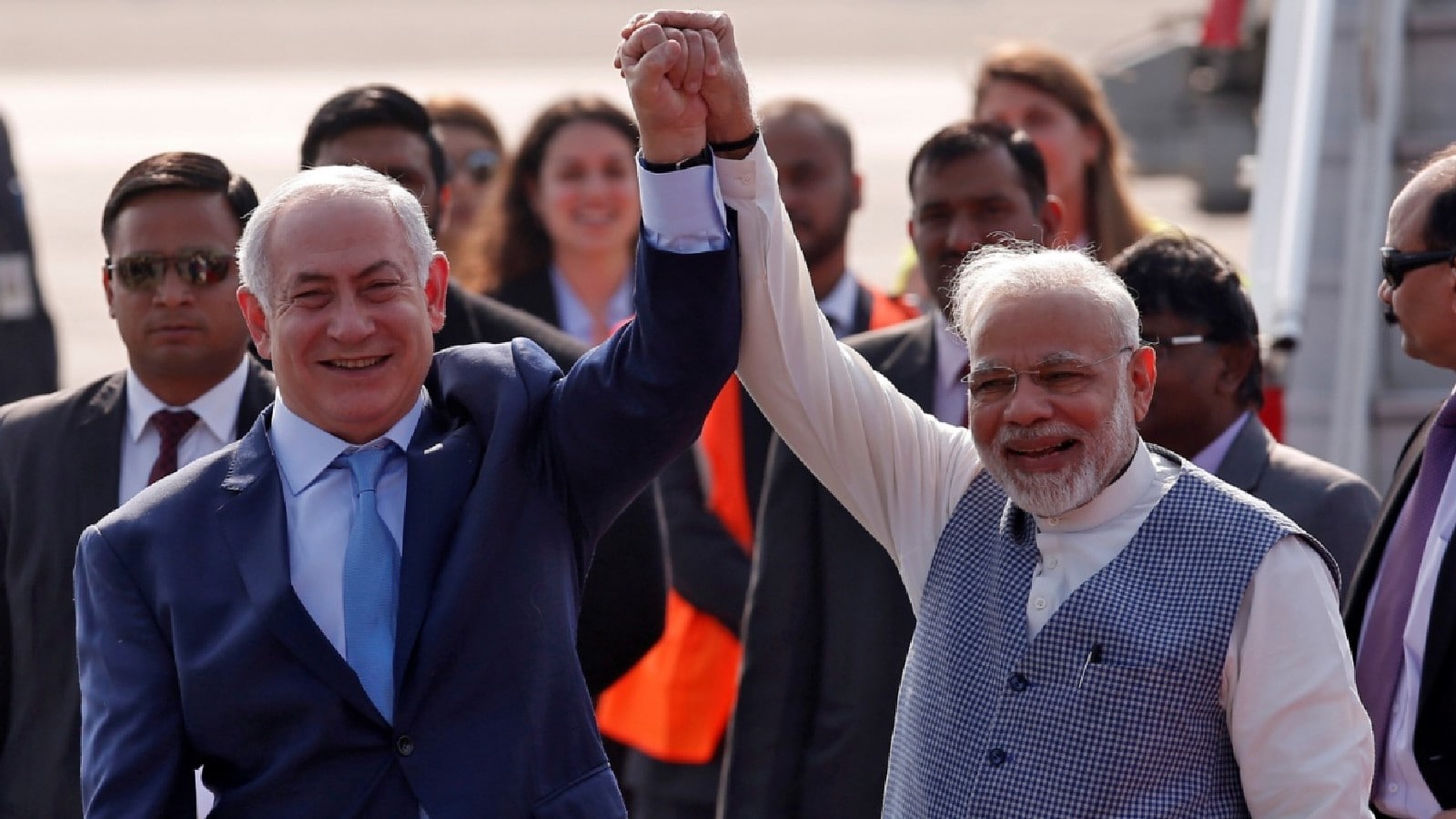
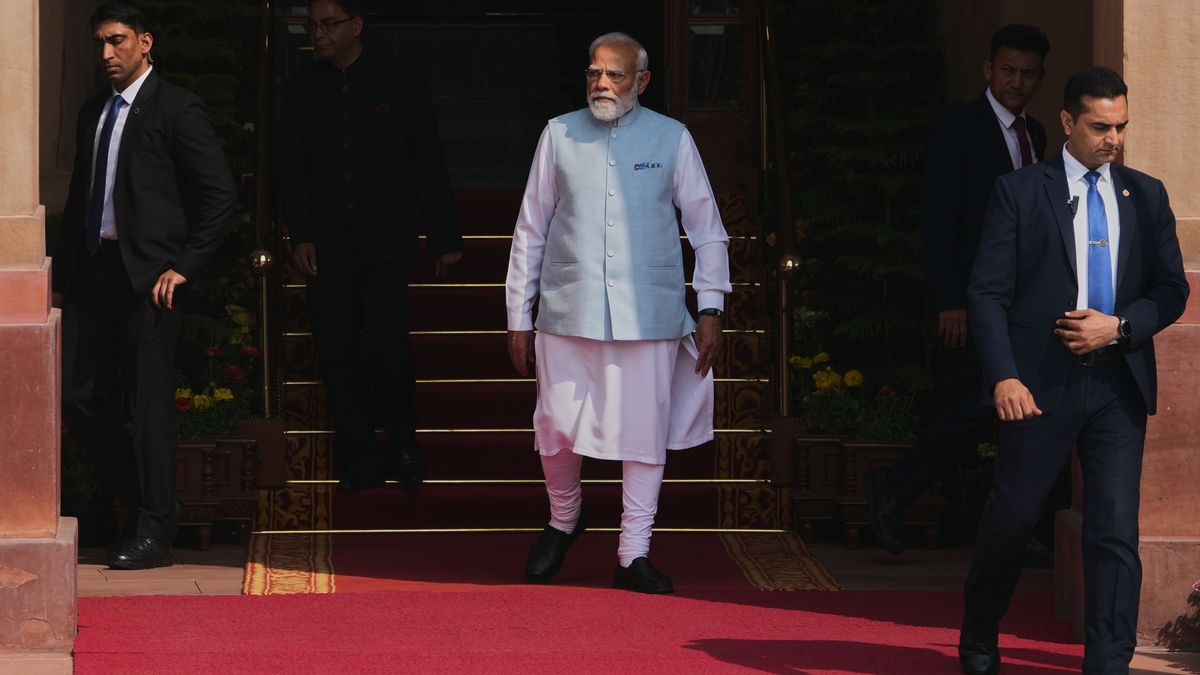
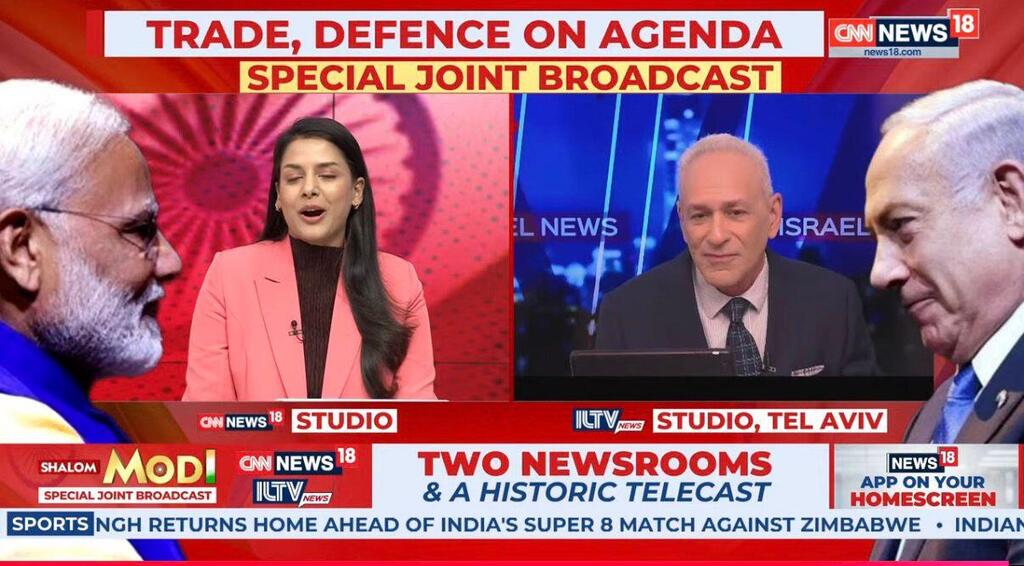
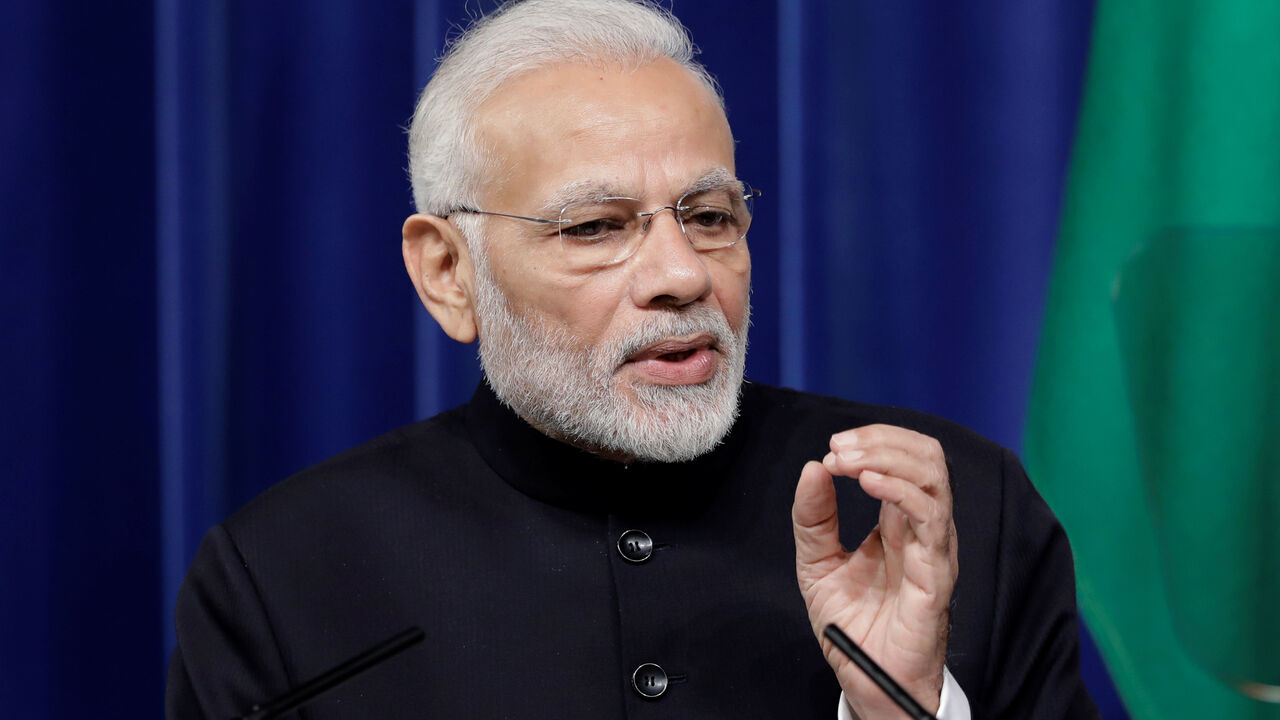
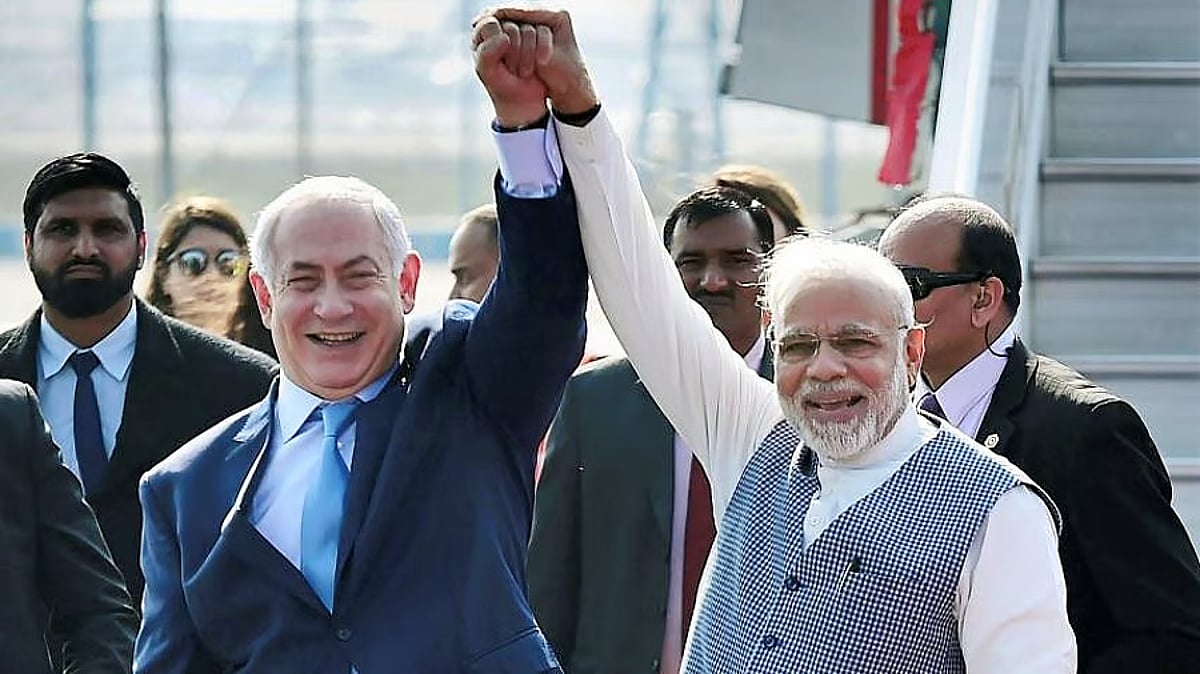
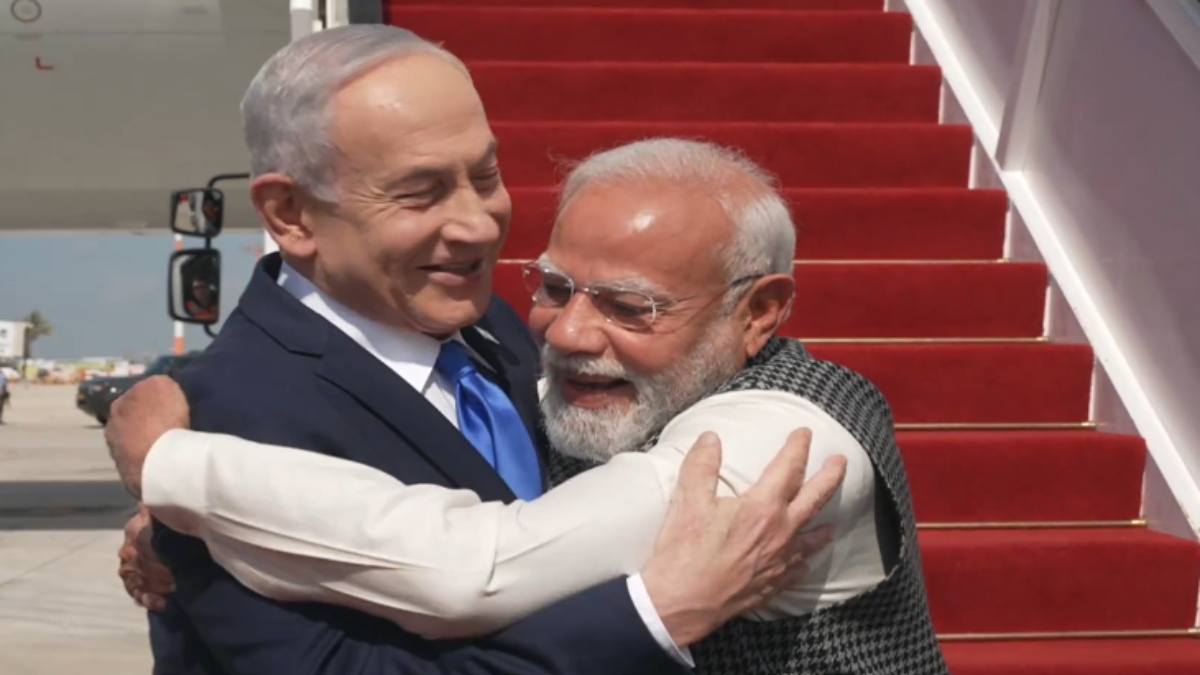
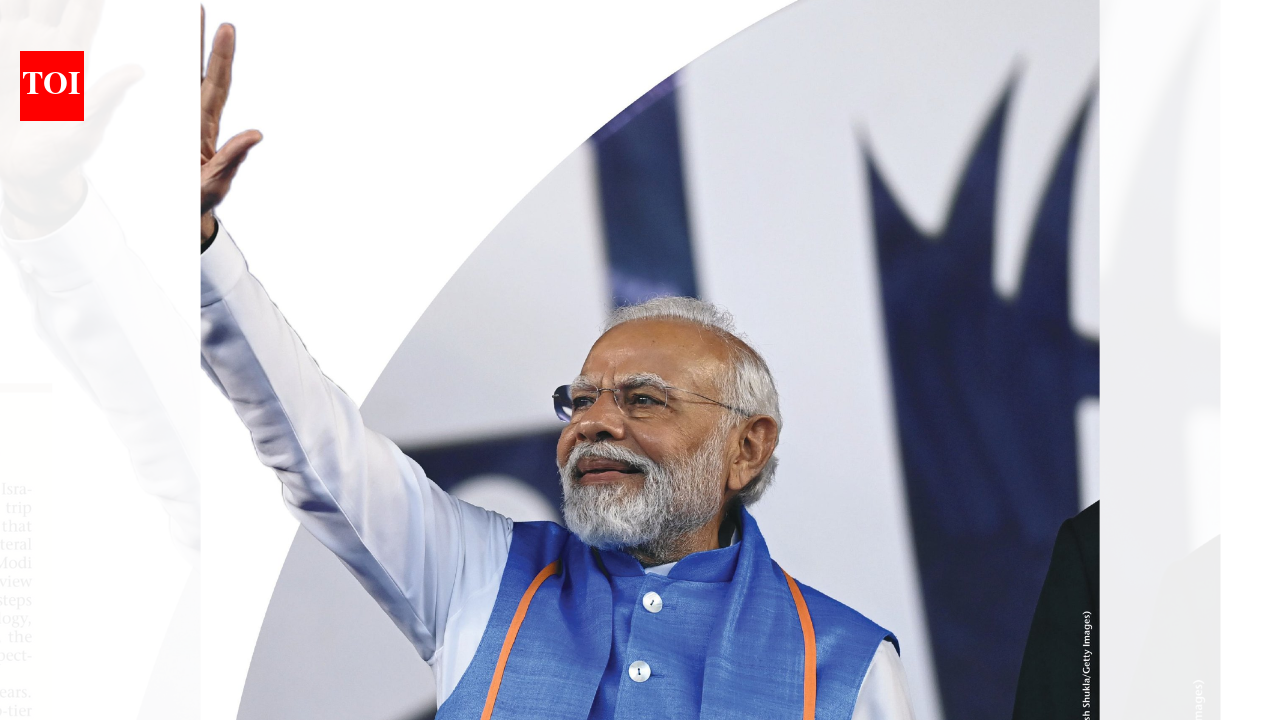
Prime Minister Narendra Modi's second official visit to Israel beginning February 26, 2026, represents a critical inflection point for cross-border e-commerce sellers targeting South Asian and Middle Eastern markets. This high-level diplomatic engagement focuses explicitly on technology cooperation, digital infrastructure, and economic integration—three pillars directly impacting e-commerce operations between India and Israel.
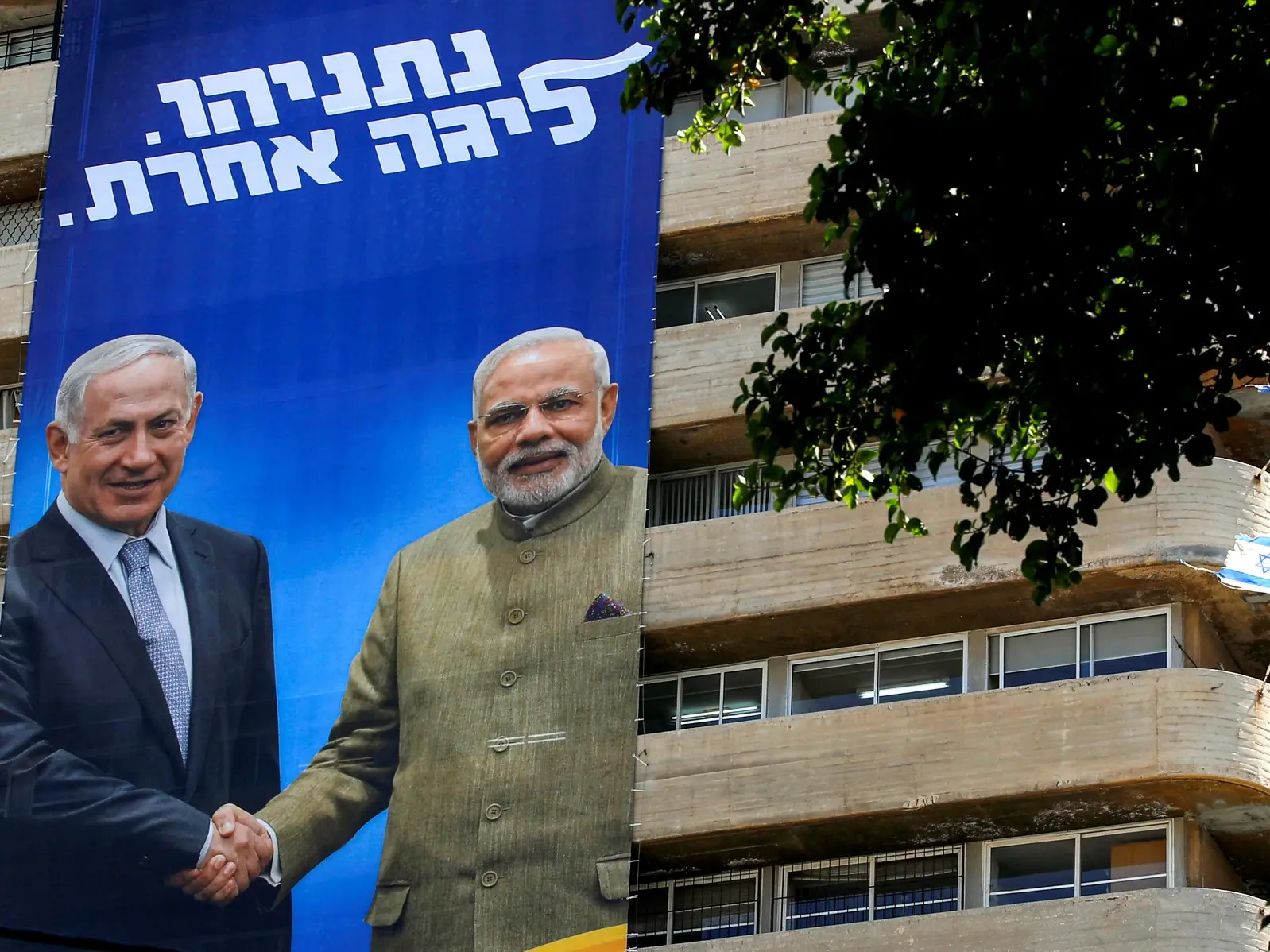
Market Access & Tariff Arbitrage Opportunities: The strengthened bilateral relationship signals imminent trade agreement negotiations that could reduce tariff barriers on key product categories. Historically, India-Israel trade agreements have prioritized technology products (HS codes 8471-8517: computers, semiconductors, telecommunications equipment), pharmaceuticals (HS 3004-3005), and agricultural products. Sellers should anticipate tariff reductions of 5-12% on these categories within 6-12 months post-visit. Israeli tech companies exporting to India could see duty reductions from current 10-15% rates to 5-8%, while Indian pharmaceutical and IT service exports to Israel face similar optimization opportunities.
Digital Infrastructure & Payment System Improvements: The emphasis on "technological cooperation" and "digital infrastructure" development suggests both governments will prioritize fintech integration and payment system harmonization. This directly benefits cross-border sellers through: (1) reduced payment processing fees (currently 3-4% for India-Israel transactions, potentially dropping to 2-2.5%), (2) faster settlement cycles (from 7-10 days to 3-5 days), and (3) expanded digital payment options reducing reliance on traditional banking channels. Israeli payment processors like Payoneer and Indian platforms like Razorpay could announce India-Israel corridor optimizations within Q2-Q3 2026.
Competitive Positioning by Seller Segment: Small-to-medium Indian sellers (annual revenue $100K-$2M) gain disproportionate advantage as reduced tariffs lower entry barriers to Israeli market. Currently, 60-70% of India-Israel trade flows through large enterprises; policy changes could shift 15-20% of trade volume to SME sellers. Israeli sellers targeting Indian consumers benefit from improved logistics partnerships—current shipping times of 14-21 days could compress to 7-10 days through dedicated trade corridors. Tech-focused sellers (software, digital services, cybersecurity solutions) see the fastest opportunity window, as both governments prioritize this sector.
Timing Window & Strategic Urgency: The February 2026 visit creates a 6-month window (March-August 2026) for sellers to position inventory and establish market presence before tariff changes take effect. Sellers currently exporting India-to-Israel or Israel-to-India should lock in current tariff rates for Q2-Q3 shipments while negotiating supplier contracts for post-agreement pricing. The 2025 India-Pakistan military tensions mentioned in coverage could accelerate India's pivot toward Israeli partnerships, compressing typical diplomatic timelines from 12-18 months to 6-9 months for concrete policy implementation.
Questions 8
What payment processing improvements can sellers expect from India-Israel tech cooperation?
The diplomatic focus on 'digital infrastructure cooperation' suggests both governments will prioritize fintech integration and payment system harmonization. Current India-Israel cross-border payment processing costs 3-4% in fees with 7-10 day settlement cycles; post-cooperation improvements could reduce fees to 2-2.5% and compress settlement to 3-5 days. Indian payment platforms like Razorpay and Israeli processors like Payoneer are likely to announce India-Israel corridor optimizations in Q2-Q3 2026. Sellers should evaluate switching payment processors before fee reductions take effect, as early adopters may negotiate better rates with providers seeking market share in the newly-optimized corridor.
How will Modi's Israel visit affect tariff rates for Indian sellers exporting to Israel?
Modi's February 2026 visit signals imminent trade agreement negotiations that could reduce tariffs on technology products (HS 8471-8517), pharmaceuticals (HS 3004-3005), and agricultural goods by 5-12% within 6-12 months. Current tariff rates on Indian IT products entering Israel range from 10-15%; post-agreement rates could drop to 5-8%, improving profit margins by $200-500 per $10K shipment. Sellers should monitor official announcements from India's Ministry of Commerce and Israel's Ministry of Economy for specific tariff schedules, typically released 60-90 days after high-level diplomatic visits. Lock in current tariff rates for Q2-Q3 2026 shipments before changes take effect.