



UK ETA System 2025-2026 | Travel Disruption Creates Cross-Border Seller Opportunities
- 85-country travel requirement impacts 2M+ dual nationals; creates demand surge for travel documentation services, passport expediting, and travel insurance products
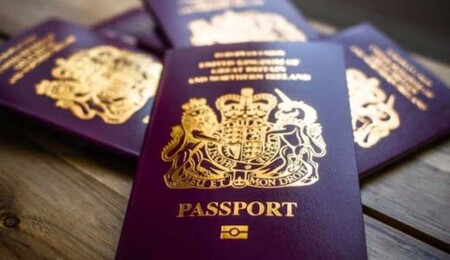
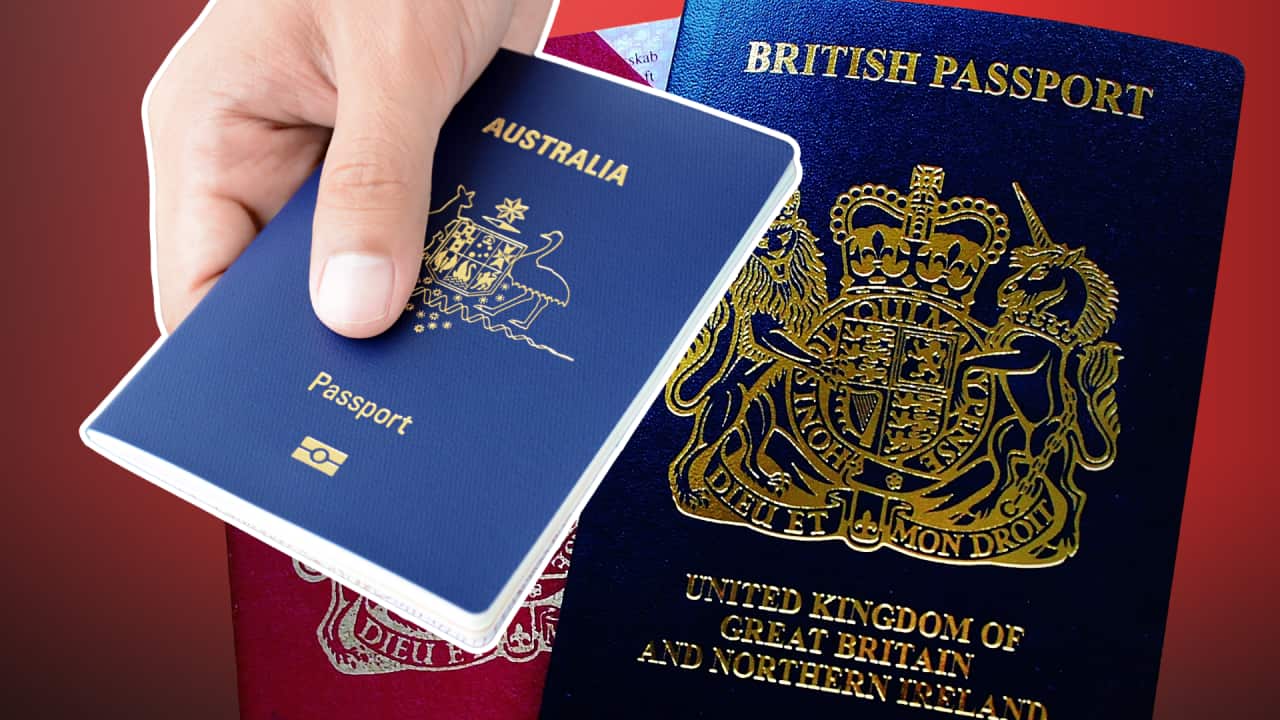
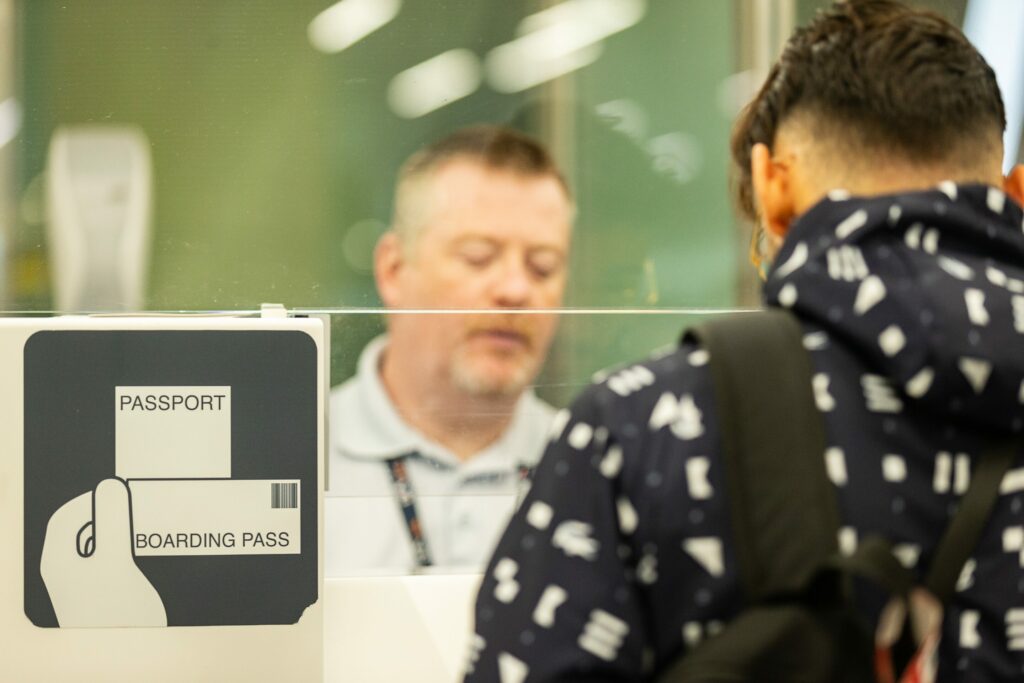





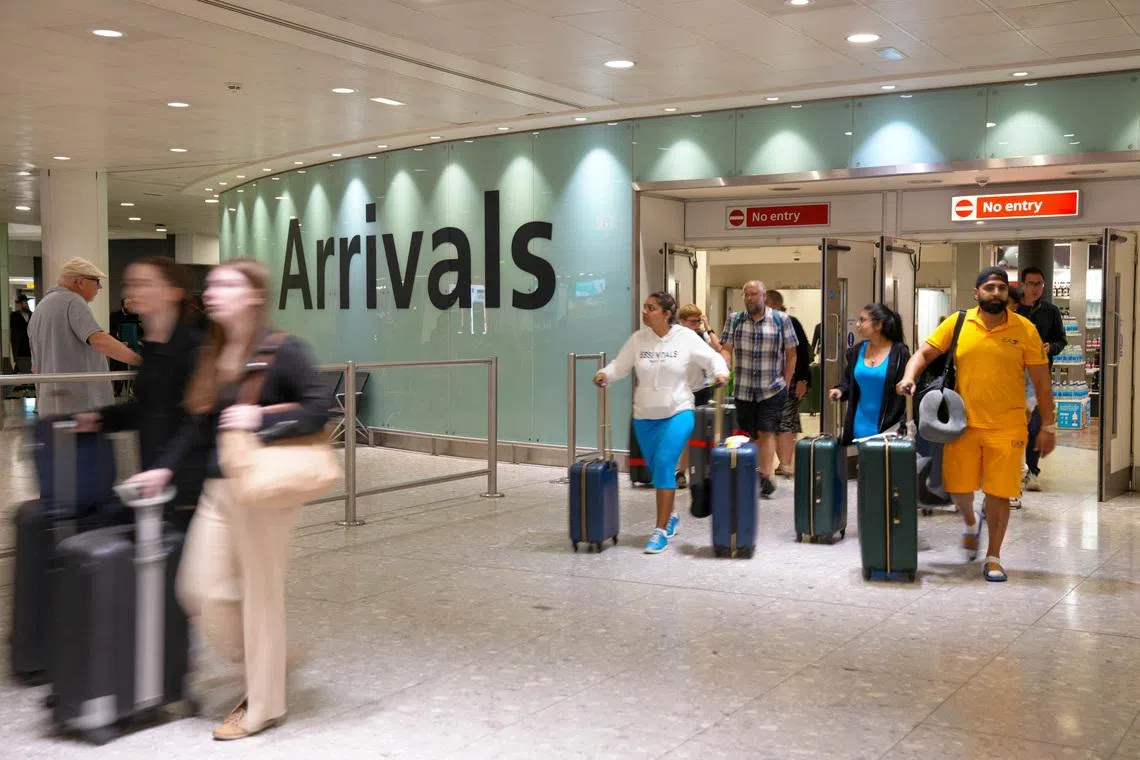


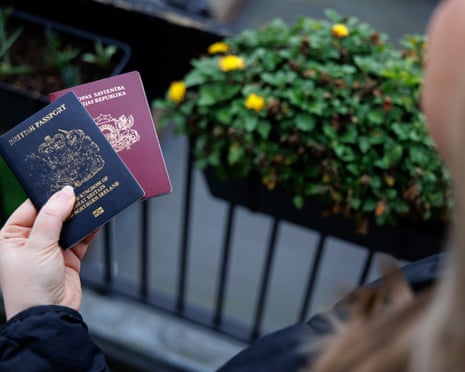
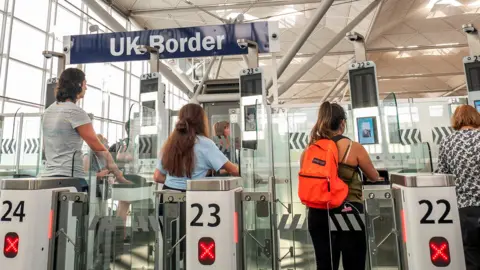
















Overview
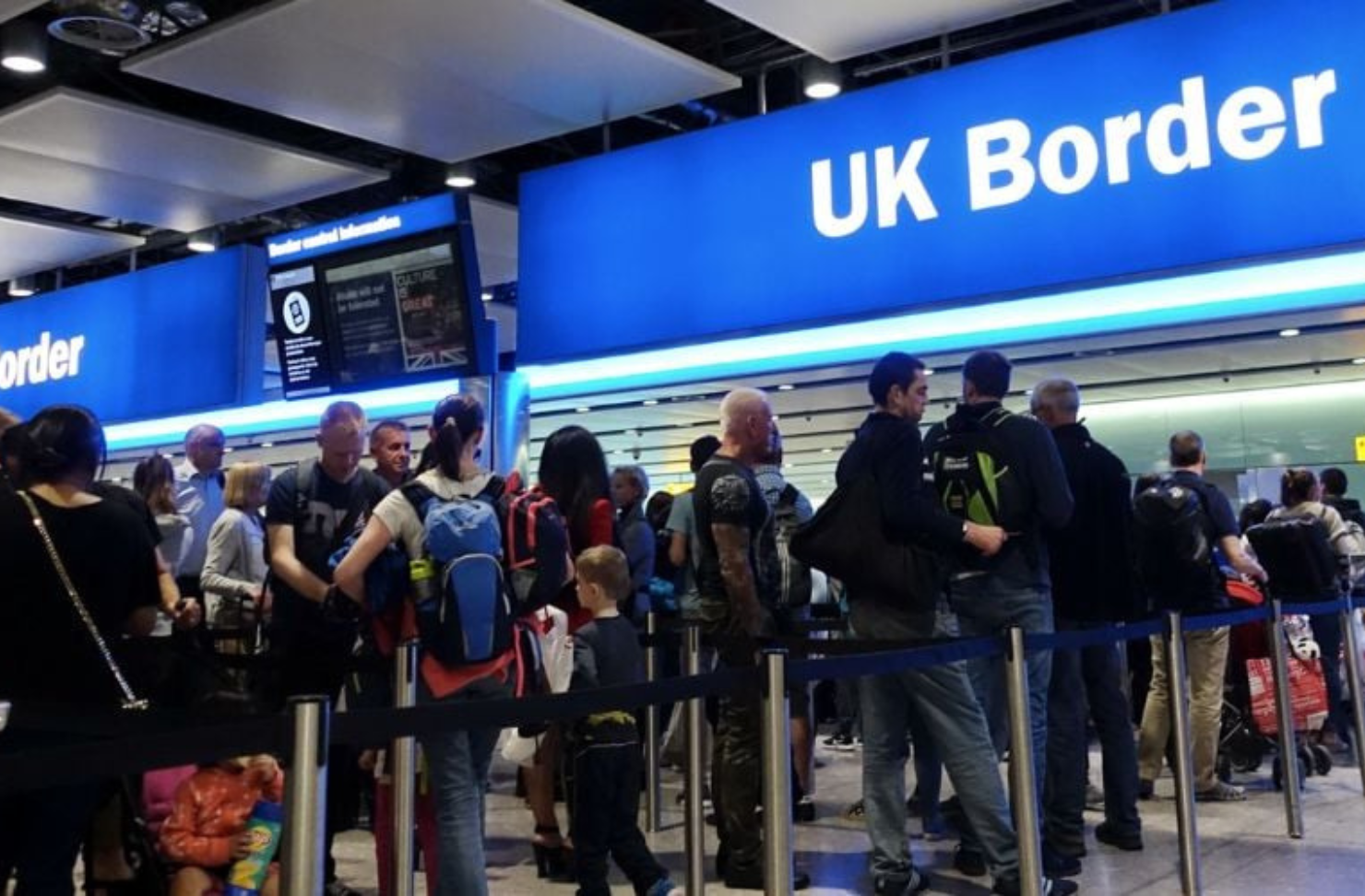
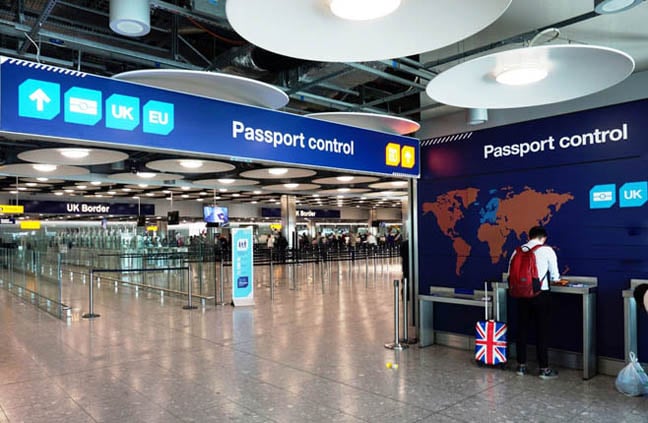
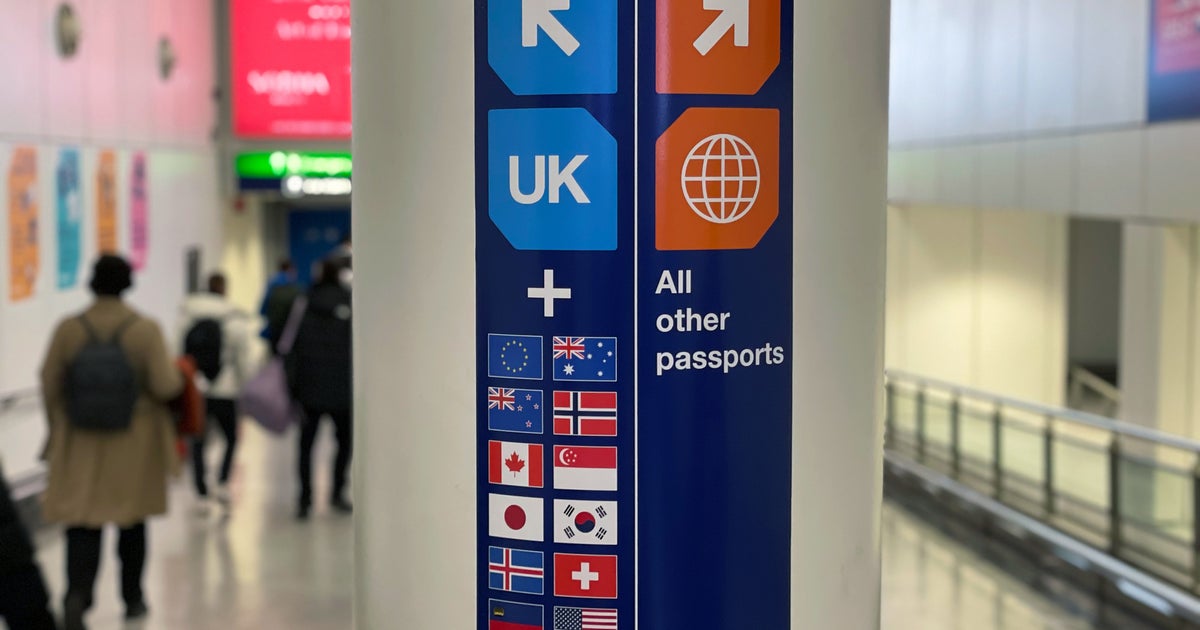
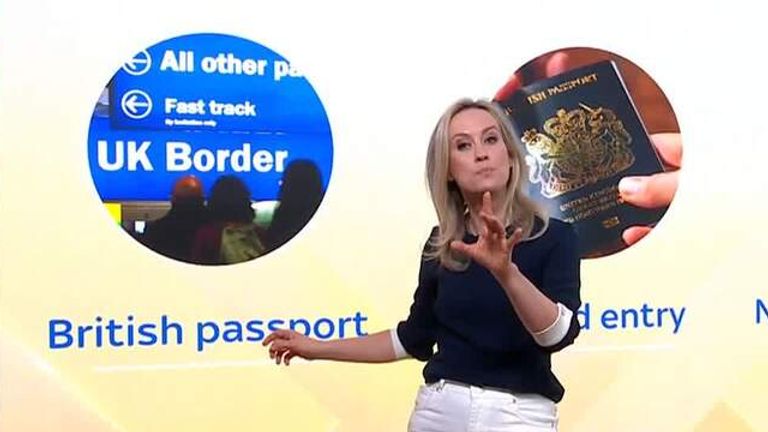
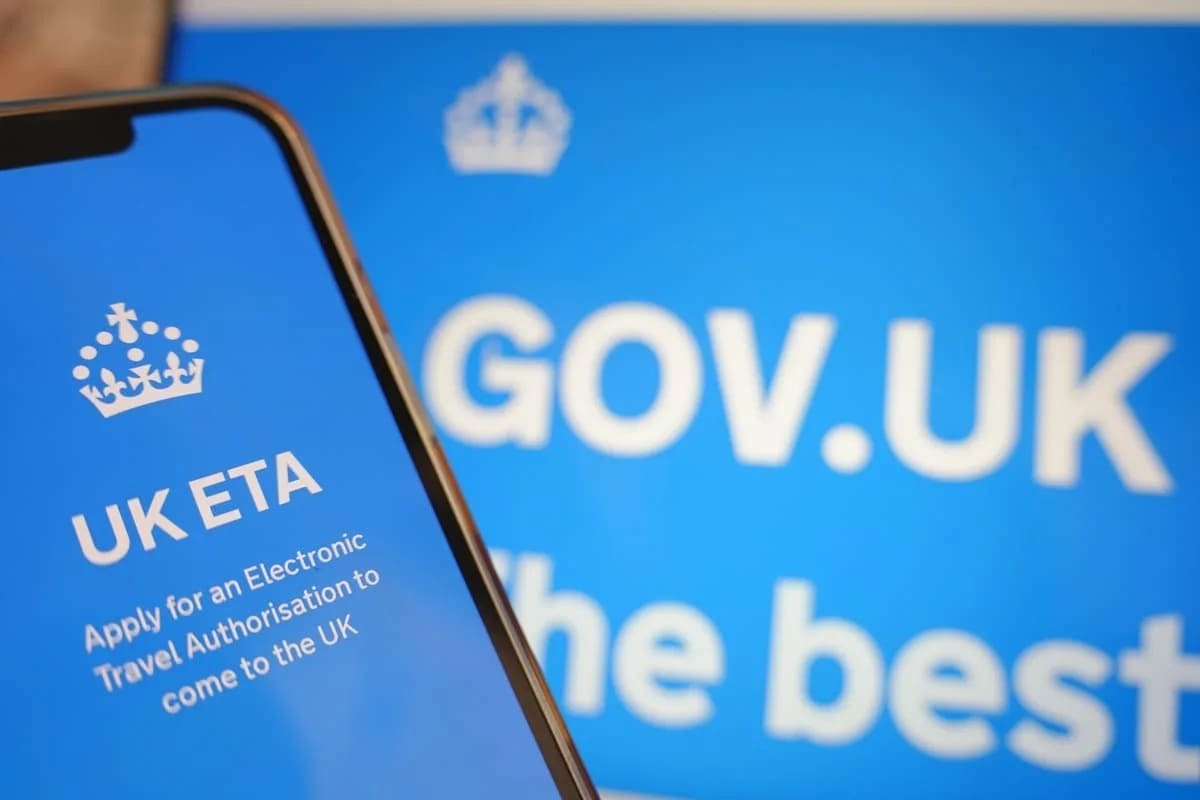
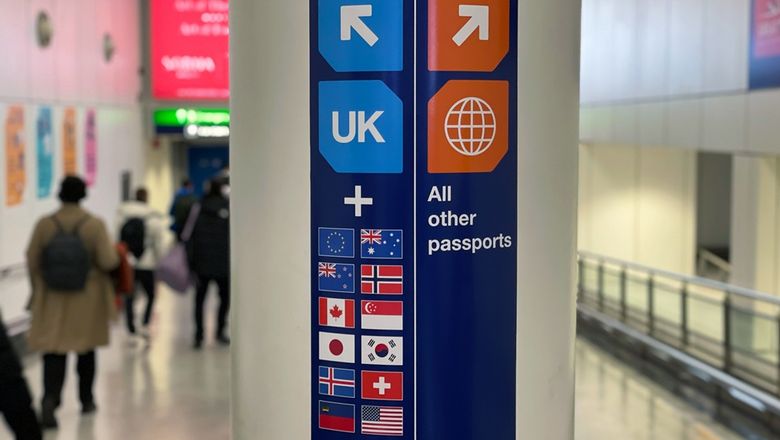
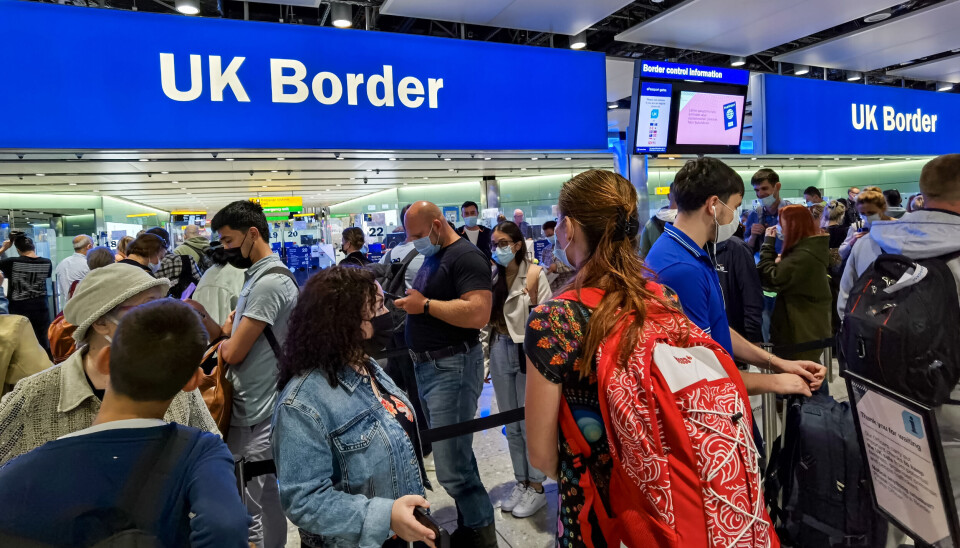
The UK's implementation of the Electronic Travel Authorization (ETA) system effective February 25, 2025, represents a significant regulatory shift that creates cascading opportunities for cross-border e-commerce sellers. The system requires citizens from 85 countries (including US and Australian nationals) to obtain digital travel permission costing £16-20 before UK entry, while dual nationals face a compliance gap requiring either a British passport (£94.50-£100) or Certificate of Entitlement (£589) with 8-week processing times. This regulatory complexity directly impacts seller operations and creates product category opportunities worth analyzing.
Market Opportunity Analysis: The policy creates immediate demand spikes in three seller categories. First, travel documentation services (HS Code 4901-4911) see increased demand as dual nationals scramble to obtain passports and certificates before the February 25, 2026 enforcement deadline—representing a 6-8 week processing window creating urgency. Second, travel insurance and assistance products (HS Code 9201-9209) experience elevated demand as travelers seek protection against denial of entry or travel disruptions; industry data suggests travel insurance sales spike 35-45% during regulatory uncertainty periods. Third, travel accessories and convenience products (luggage, document holders, travel organizers) see seasonal demand acceleration as 2M+ affected dual nationals plan trips before compliance deadlines.
Seller Segment Impact: Small and medium-sized sellers (SMEs) operating in travel-adjacent categories gain competitive advantages through rapid inventory positioning. Sellers based in EU countries (particularly Germany, Poland, and Czech Republic) can capitalize on EU citizens recently naturalized as British citizens who cannot immediately access passport services—creating a 4-6 month window for alternative travel documentation products. US-based sellers shipping to UK customers face reduced travel volume (estimated 8-12% decline in leisure travel) but can pivot to selling travel insurance, expedited documentation services, and travel planning tools to affected consumers. Large marketplace sellers (Amazon, eBay) should expect increased search volume for "UK travel requirements," "ETA application," and "dual national passport" keywords, creating PPC arbitrage opportunities at 15-25% lower cost-per-click during the 6-month awareness phase.
Operational Compliance Considerations: The policy introduces carrier verification requirements—airlines, ferries, and rail operators must verify ETA status before boarding. This creates logistics implications for sellers shipping physical goods to UK customers; expect 3-5% increase in shipping delays as carriers implement new verification protocols. Sellers should monitor Home Office guidance on alternative documentation acceptance (expired British passports issued after 1989, valid third-country passports with matching biographic details) as carrier discretion creates compliance variability. The rejection of grace period requests by advocacy groups (the3million campaign, Liberal Democrats) signals strict enforcement, making early compliance critical for sellers with UK-based operations or dual-national employees.
Questions 7
How does the UK ETA system impact sellers shipping travel products to UK customers?
The ETA system creates 3-5% shipping delays as carriers implement new verification protocols before boarding passengers. Sellers should expect increased customer inquiries about travel documentation requirements, creating opportunities to bundle travel insurance or documentation guides with travel accessories. The policy particularly affects sellers of travel insurance, luggage, and travel organizers, as 2M+ dual nationals plan trips before the February 25, 2026 enforcement deadline. Sellers should monitor Home Office guidance on alternative documentation to ensure accurate product descriptions and customer guidance.
How does the UK ETA compare to similar systems like ETIAS, and what are the seller implications?
The UK ETA mirrors the EU's ETIAS (European Travel Information and Authorisation System) in creating digital border verification, but with key differences: UK ETA costs £16-20 for 2-year validity, while ETIAS will cost €7 for 3-year validity. Dual nationals face unique challenges in the UK system (cannot obtain ETA, must use passport or £589 certificate), whereas ETIAS applies uniformly to non-EU citizens. Sellers should expect similar regulatory patterns across UK, EU, and other markets (Canada, US already have comparable systems). This signals a broader trend toward digital travel authorization—sellers should develop expertise in travel documentation compliance across multiple jurisdictions to serve international customers effectively.