




Nvidia Earnings Feb 25 | $650B Hyperscaler Capex Surge Reshapes Tech Supply Chains & E-Commerce Logistics
- Massive AI infrastructure spending by Alphabet, Amazon, Meta, Microsoft creates semiconductor supply constraints and tariff pressures affecting cross-border sellers; 10% Trump tariffs implemented Tuesday compound hardware import costs




/Nvidia%20logo%20and%20sign%20on%20headquarters%20by%20Michael%20Vi%20via%20Shutterstock.jpg)




























Overview
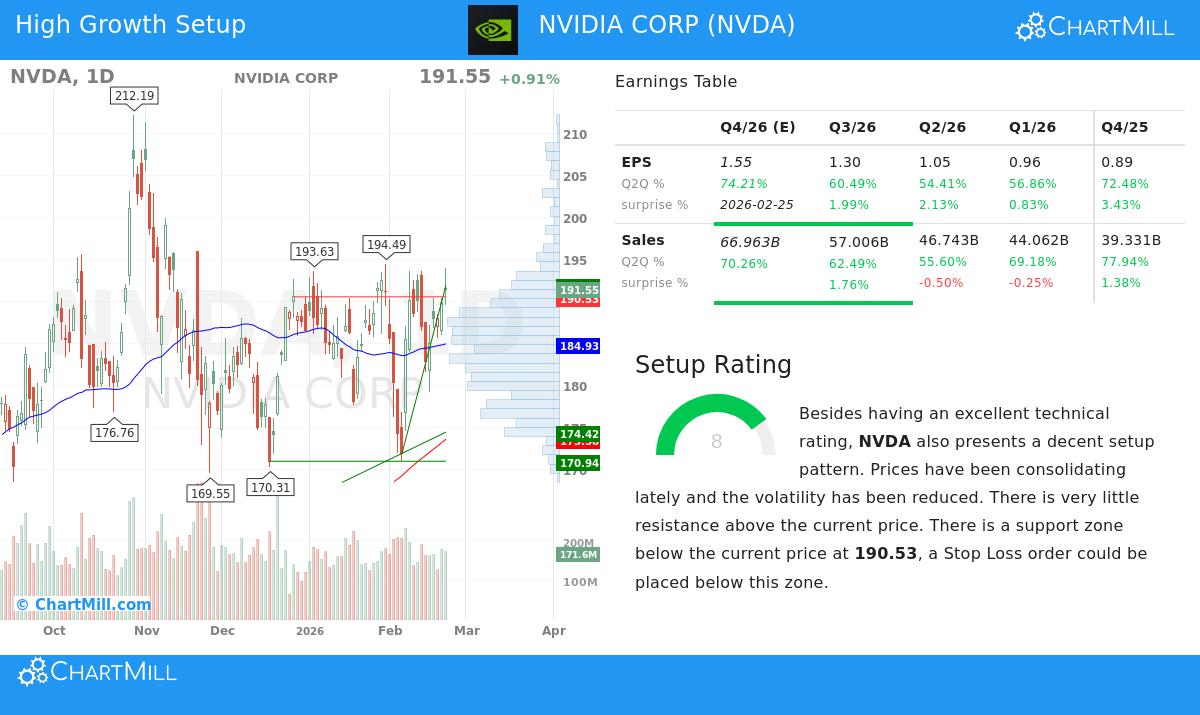
Nvidia's February 25, 2026 earnings report represents a critical inflection point for the entire technology sector and cross-border e-commerce supply chains. The semiconductor giant, with a $4.7 trillion market capitalization, serves as the bellwether for AI infrastructure buildout. However, the earnings announcement occurs amid unprecedented capital expenditure escalation: Alphabet, Amazon, Meta, and Microsoft collectively plan $650 billion in capex spending for 2026—a 20x increase from $31 billion a decade ago. This spending surge directly impacts e-commerce sellers through multiple mechanisms: semiconductor supply constraints, rising hardware component costs, and accelerated tariff pressures.
For cross-border sellers, the immediate operational impact centers on hardware and electronics categories. HP's recent earnings miss specifically cited rising memory-chip costs affecting annual results, signaling broader supply chain inflation. Nvidia's guidance on Blackwell chip production and the next-generation Vera Rubin platform launching later in 2026 will determine semiconductor availability and pricing through mid-2026. The company's $50 billion China market opportunity—enabled by the U.S. government's H200 chip export arrangement requiring 25% revenue sharing—creates potential supply competition for global sellers. Additionally, President Trump's 10% tariff on global imports implemented February 25 compounds these pressures: sellers importing electronics, laptops, and AI-enabled devices face 8-12% cost increases on typical product margins. The tariff threat to escalate to 15% adds further uncertainty to Q1-Q2 2026 inventory planning.
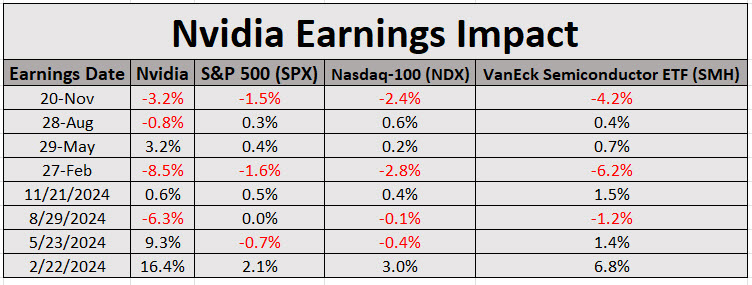
Market sentiment around AI sustainability directly influences technology stock valuations and consumer spending patterns affecting e-commerce demand. Options traders are pricing Nvidia's smallest post-earnings volatility swing in three years, indicating market consensus around earnings outcomes—suggesting limited downside surprise risk. However, analyst concerns about whether massive capex investments represent optimal capital deployment signal potential 2027-2028 growth headwinds. For sellers, this translates to: (1) near-term demand strength in AI-adjacent categories (GPU-compatible laptops, server components, cooling systems) through Q2 2026, followed by (2) potential demand normalization if hyperscalers reduce capex growth rates in 2027. The earnings report's influence on broader tech sector performance will ripple through consumer electronics demand, with S&P 500 and Nasdaq valuations affecting discretionary spending on premium tech products sold through Amazon, eBay, and Shopify.
Questions 8
What role does Nvidia's laptop systems integration strategy play in e-commerce opportunities?
Nvidia's expansion into laptop systems integration—beyond AI data centers—signals growing consumer demand for AI-enabled laptops and portable computing devices. This represents a significant product opportunity for cross-border sellers: AI-compatible laptops, external GPUs, cooling systems, and accessories represent a $5-10B emerging category. Sellers should monitor Nvidia's partnerships with laptop manufacturers (Dell, HP, Lenovo, ASUS) during the earnings call to identify which brands will launch AI-integrated systems in Q2-Q3 2026. Early movers selling compatible accessories and peripherals can capture 20-40% margin premiums before category becomes commoditized. Consider launching product lines targeting AI laptop users: specialized cooling pads, docking stations, and software bundles.
Should sellers adjust pricing strategies based on the 10% Trump tariff implementation?
Yes, sellers should immediately adjust pricing on imported electronics and hardware products to reflect the 10% tariff implemented February 25. For a product with $100 landed cost, the tariff adds $10 per unit. Sellers have three options: (1) Absorb the cost and reduce margins by 2-3 percentage points; (2) Increase prices 5-8% to pass costs to consumers while remaining competitive; (3) Shift sourcing to domestic suppliers or 3PL providers to avoid tariffs. The optimal strategy depends on product category elasticity and competitor pricing. Sellers should use Amazon Seller Central's repricing tools to test price increases on 10-20% of inventory and monitor conversion rate changes. If conversions drop >15%, revert to margin compression strategy.