


Samsung Galaxy S26 Battery Downgrade | EU Compliance & Seller Listing Strategy
- 40% reduction in charge cycles (1,200 vs 2,000) creates EU regulatory compliance urgency and market segmentation opportunities for smartphone sellers



Overview
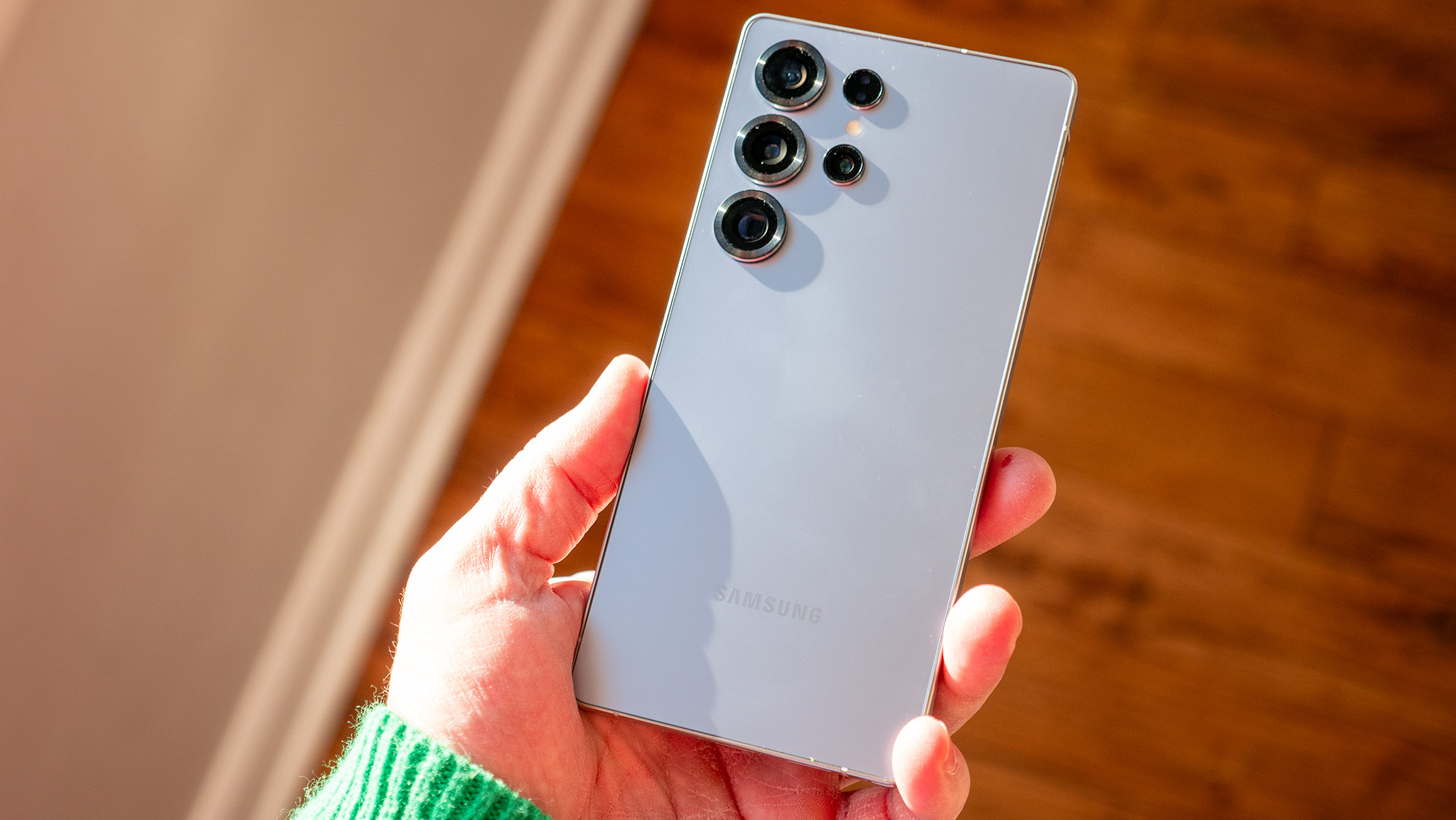
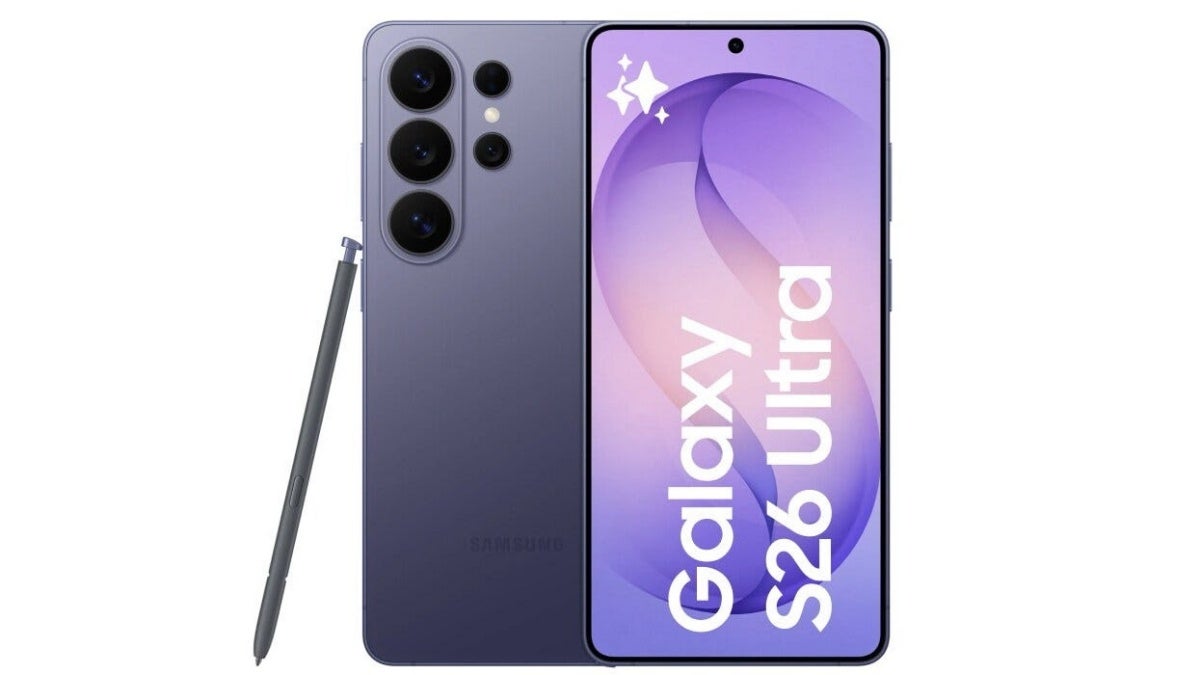
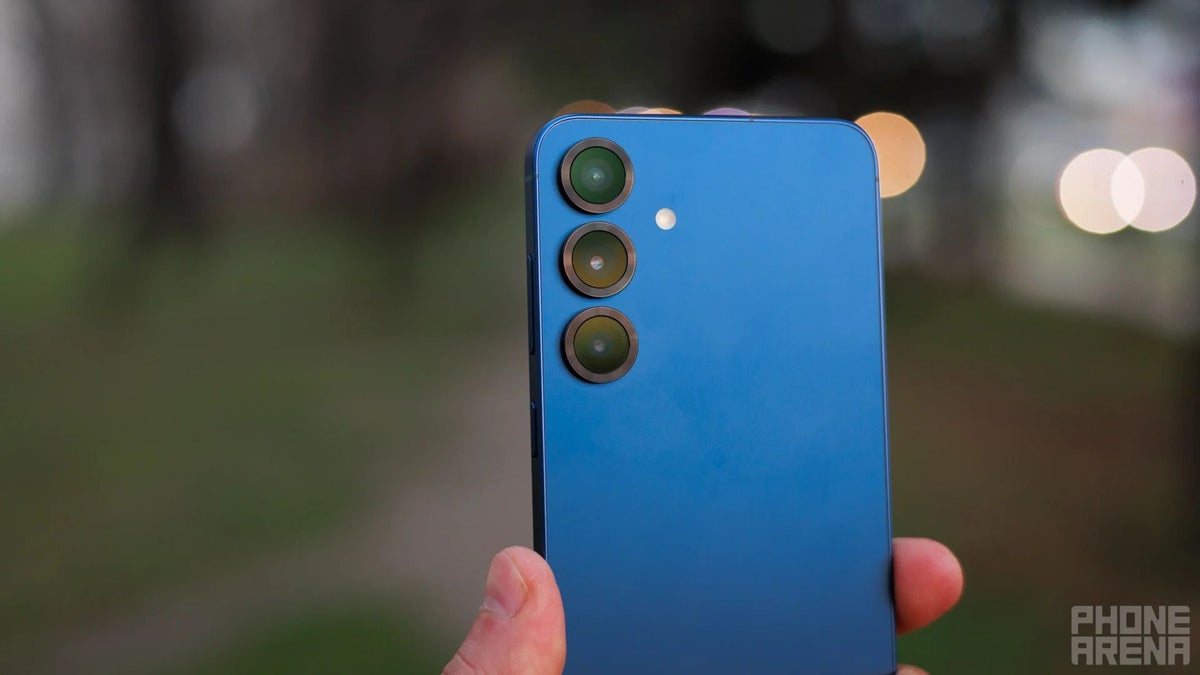
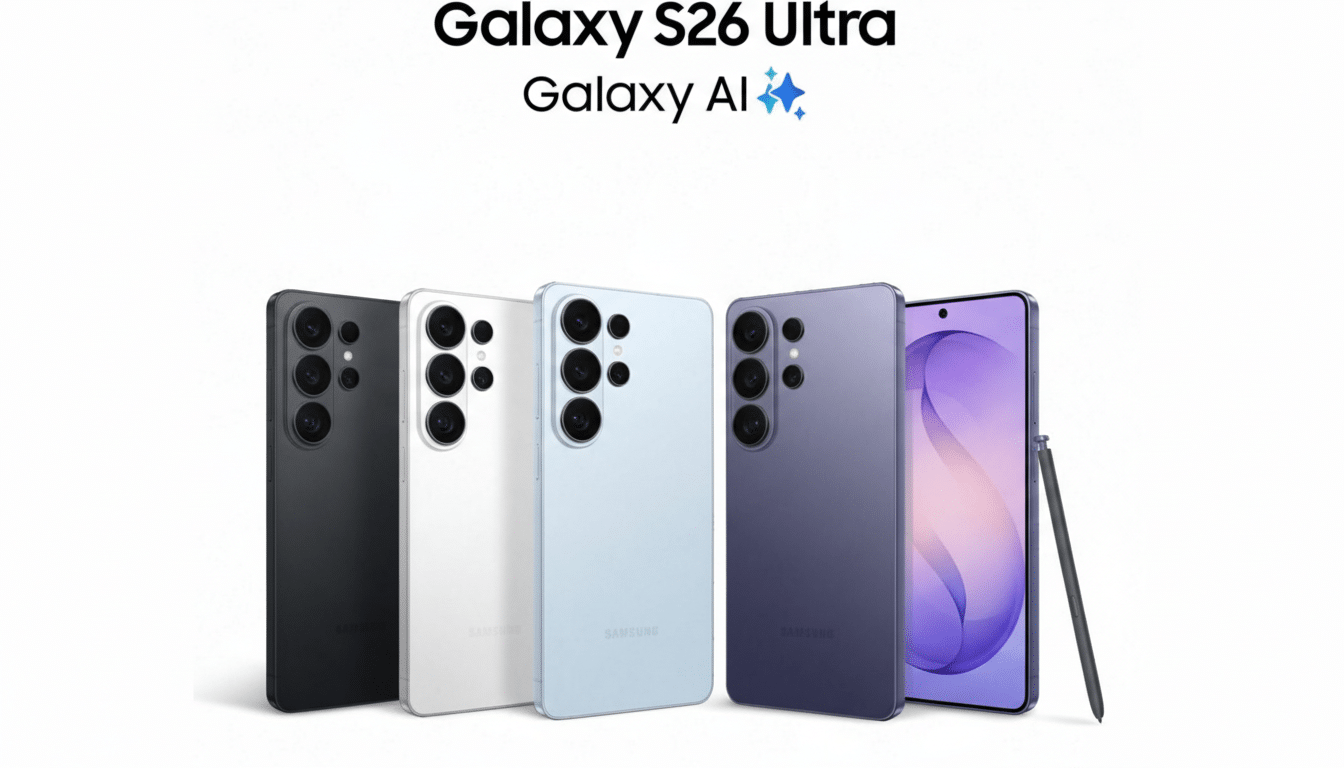
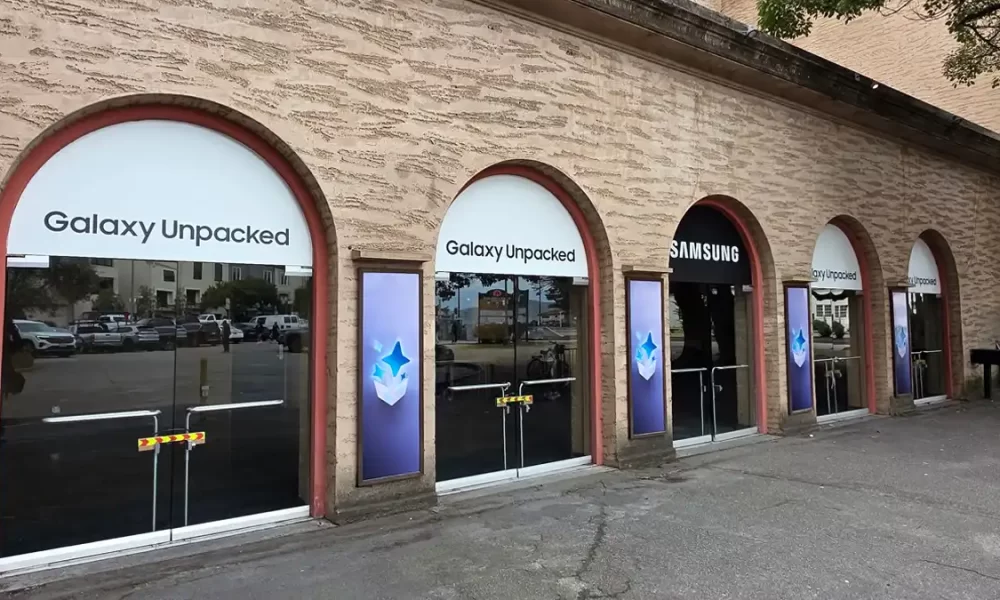
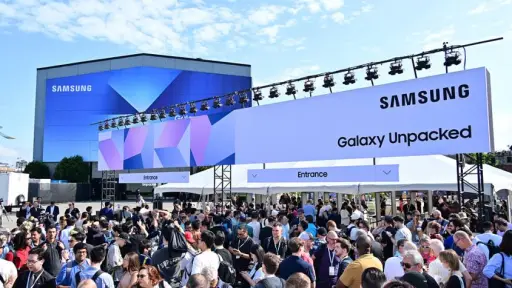
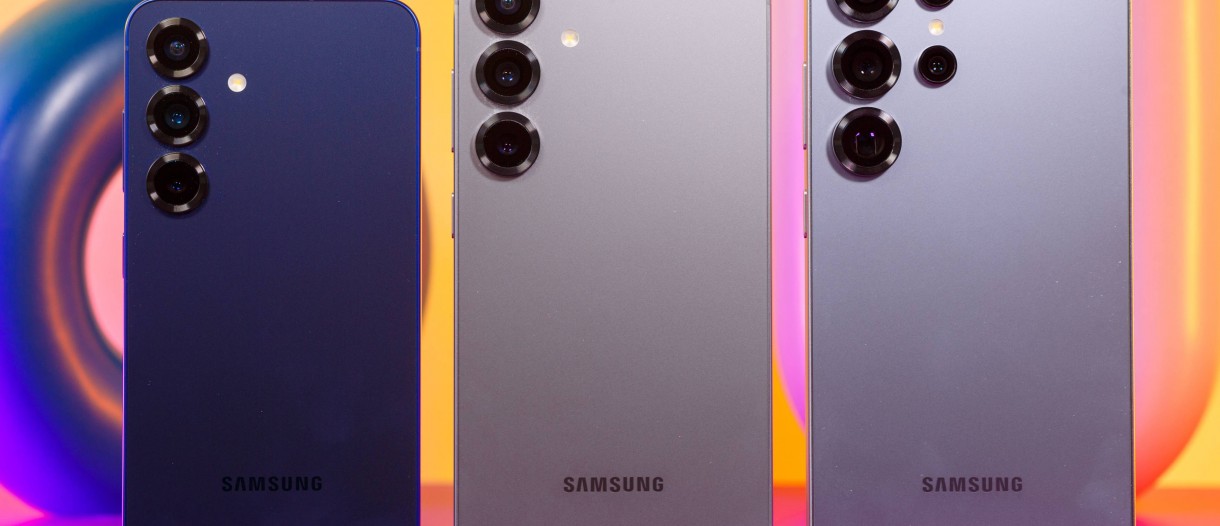
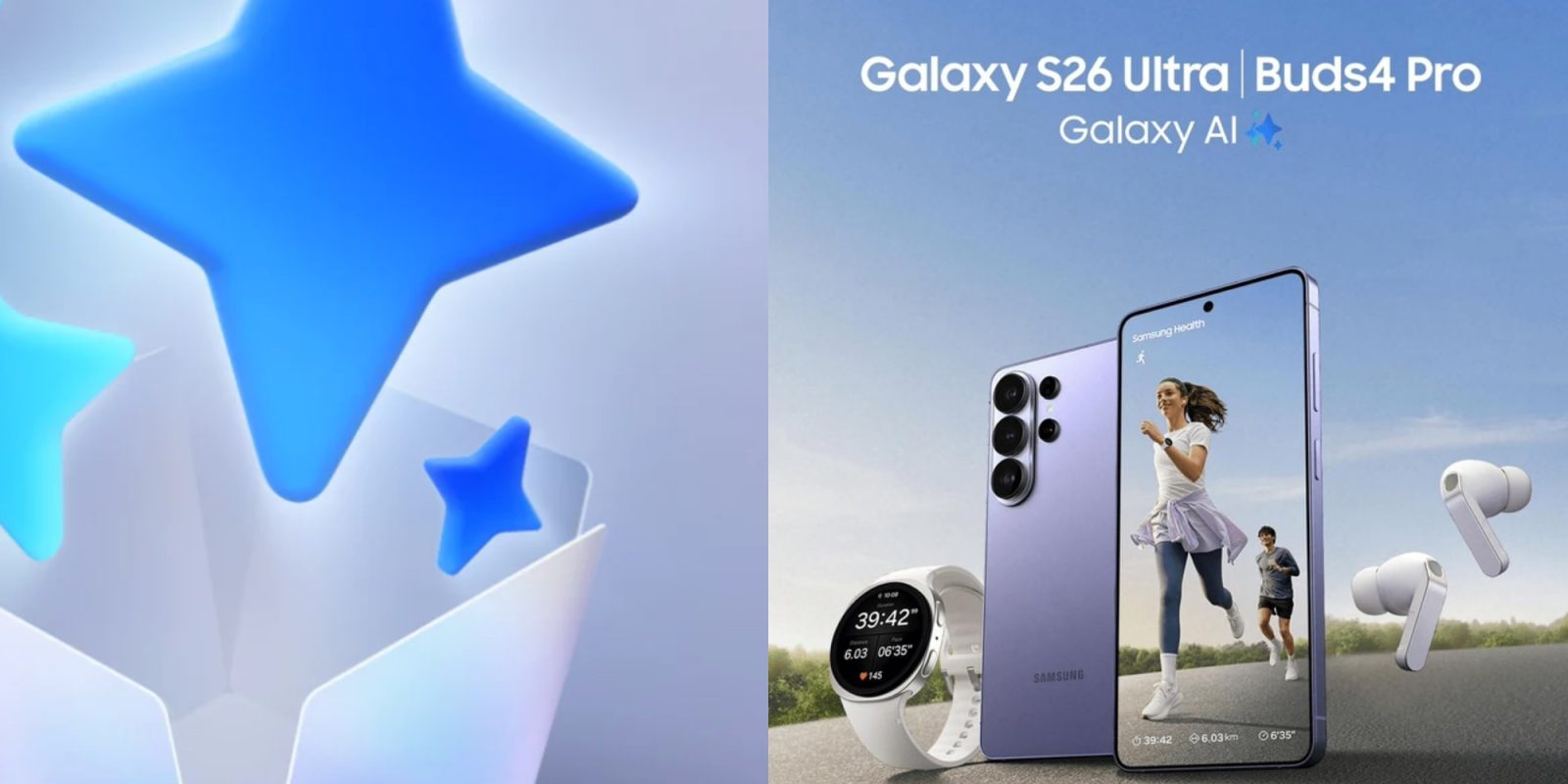
Samsung's upcoming Galaxy S26 lineup represents a critical inflection point for cross-border e-commerce sellers, particularly those operating in EU markets. The leaked EU regulatory labels reveal a significant battery specification change: the S26, S26 Plus, and S26 Ultra are rated for only 1,200 charge cycles before degrading to 80% health capacity, compared to the S25 series' 2,000 cycles—a 40% reduction in battery longevity. This downgrade directly impacts product listings, warranty claims, and consumer protection obligations under EU consumer law, requiring immediate seller action before Samsung's official Galaxy Unpacked event on February 25, 2026.
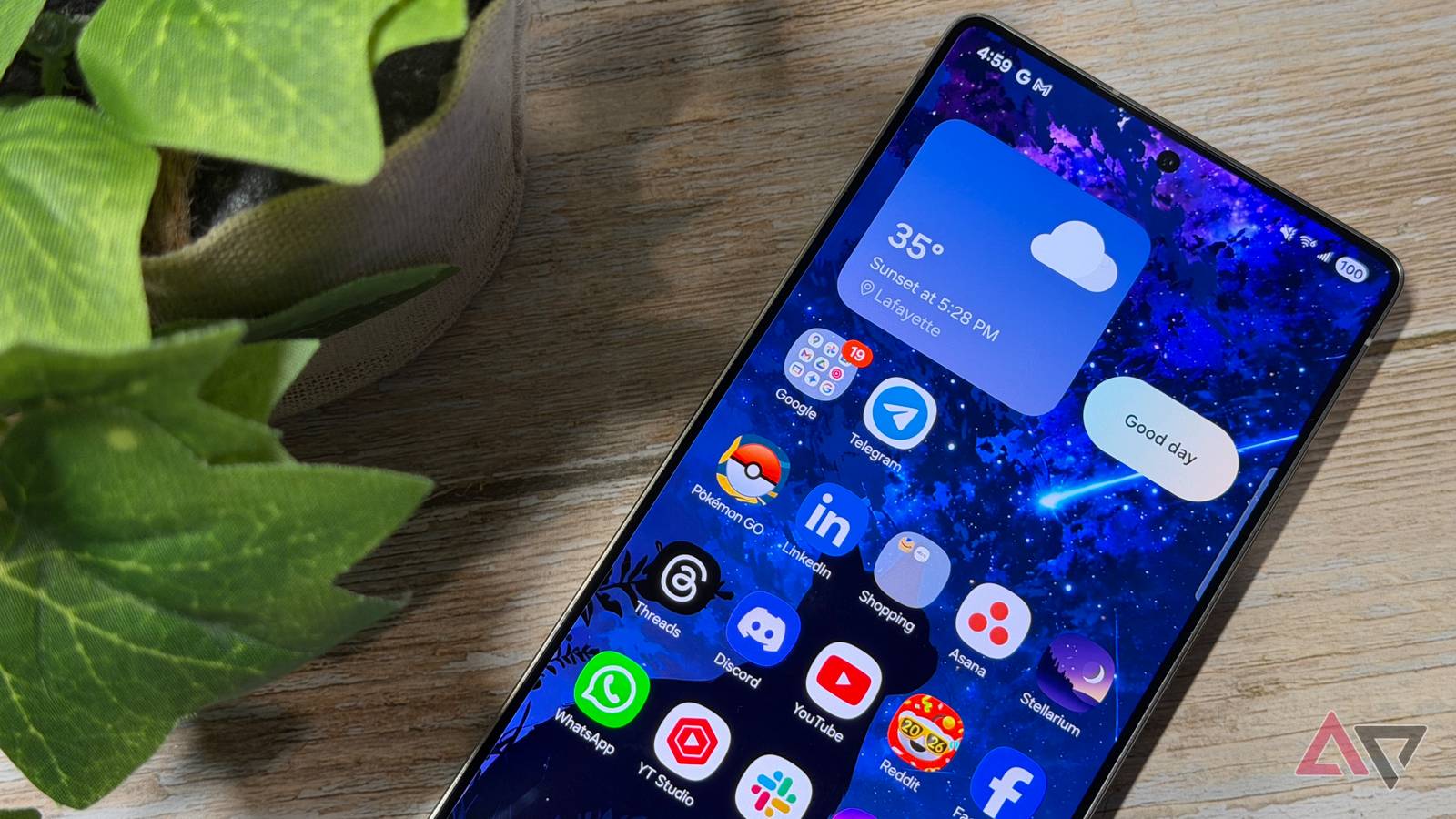
However, Samsung compensated through improved energy efficiency. The S26 achieved 51 hours of battery endurance in EU-standardized tests (14 hours better than S25's 37 hours), while the S26 Plus and Ultra reached 55 hours versus their predecessors' 43.5 and 45 hours respectively. This efficiency-versus-longevity trade-off creates distinct market segmentation: budget-conscious consumers seeking annual upgrade cycles will favor the S26 line, while premium buyers prioritizing device durability may seek alternatives with longer battery health retention.
For cross-border sellers, this development carries three critical implications. First, EU regulatory compliance becomes non-negotiable—battery specifications directly affect product descriptions, warranty terms, and consumer protection disclosures. Sellers must update all product listings to accurately reflect the 1,200 charge cycle specification and prepare for customer inquiries regarding battery degradation timelines. Second, the efficiency gains present a marketing opportunity: sellers can emphasize the 14-51 hour daily usage advantage to appeal to power users and frequent travelers, positioning the S26 as ideal for consumers with annual upgrade patterns. Third, market segmentation creates inventory strategy opportunities—sellers can differentiate positioning between the S26 (efficiency-focused, budget segment) and premium alternatives (durability-focused, sustainability-conscious buyers), potentially capturing market share from both Samsung's own product line and competitor offerings.
The February 25, 2026 Galaxy Unpacked event will provide official specifications and pricing details that will further shape market positioning and seller strategies across global e-commerce platforms. Sellers should monitor this announcement closely to align inventory procurement, pricing strategies, and marketing messaging with official Samsung positioning.
Questions 8
When should sellers update product listings for Galaxy S26 specifications?
Sellers should begin updating product listings immediately following the leaked EU regulatory label disclosure, with priority completion before Samsung's official Galaxy Unpacked event on February 25, 2026. This timeline allows sellers to establish accurate product descriptions, prepare customer service responses for battery-related inquiries, and align pricing strategies with official Samsung specifications and positioning. Early listing updates provide competitive advantage in search visibility and customer trust, while delayed updates risk compliance violations and customer dissatisfaction when official specifications are announced.
How can sellers market the Galaxy S26's battery efficiency improvements?
Sellers can emphasize the 14-hour daily usage advantage (51 hours versus S25's 37 hours) to appeal to power users, frequent travelers, and consumers with annual upgrade patterns. Marketing messaging should position the S26 as ideal for users prioritizing daily performance over long-term device retention, highlighting the efficiency gains in product descriptions, sponsored listings, and customer reviews. This positioning differentiates the S26 from durability-focused alternatives and aligns with Samsung's strategic shift toward users with shorter device lifecycles, creating compelling value propositions for specific buyer segments.