


Smartphone Design Dilemma: When Camera Innovation Challenges User Experience
- Samsung's engineering trade-offs reveal the growing tension between technological advancement and practical usability








Overview
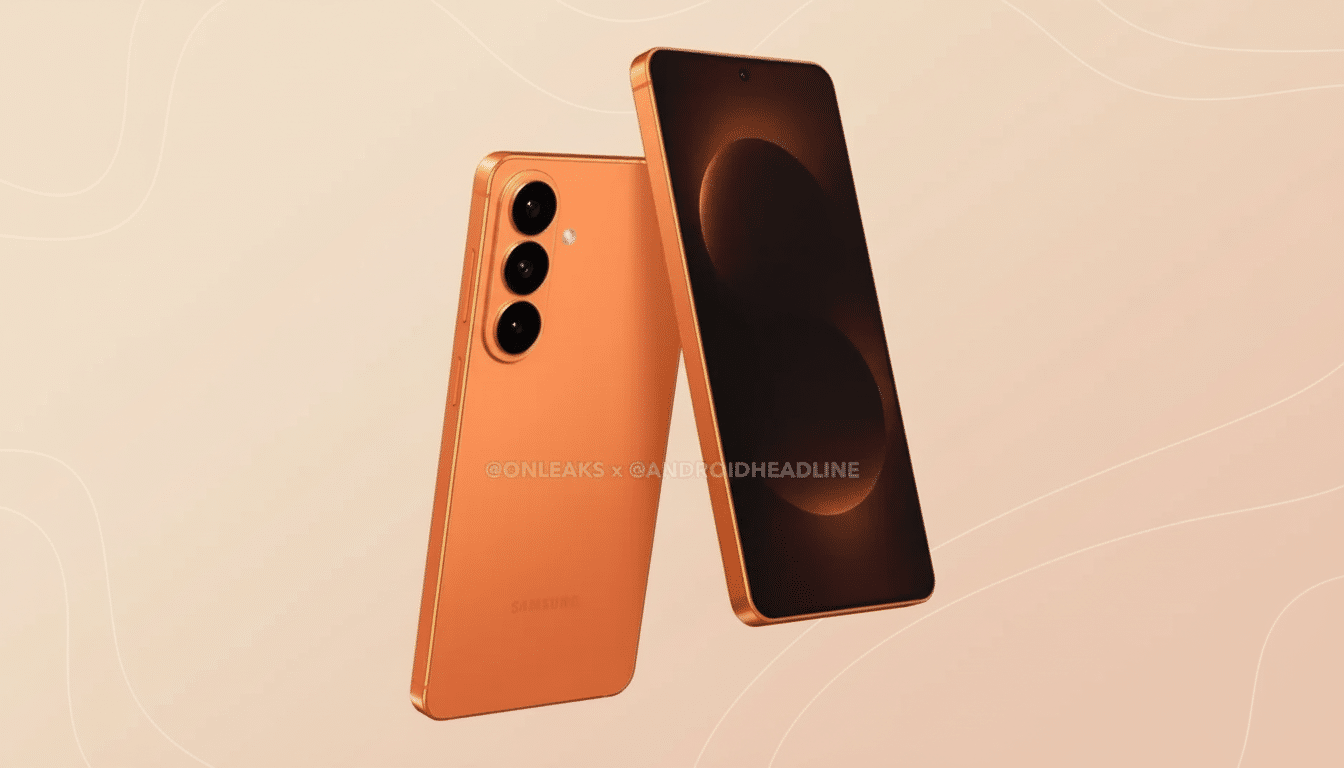
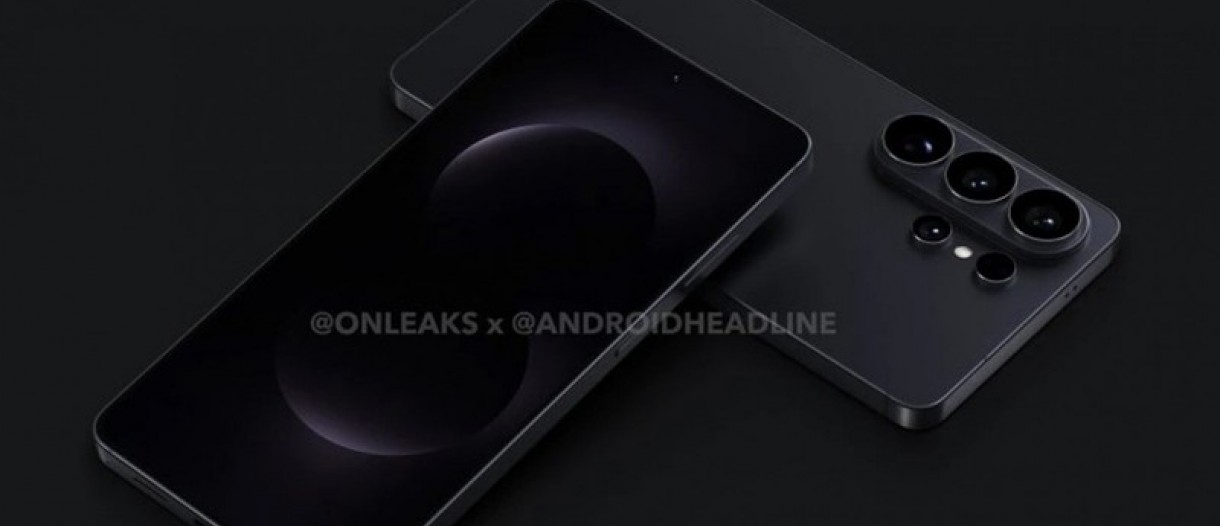
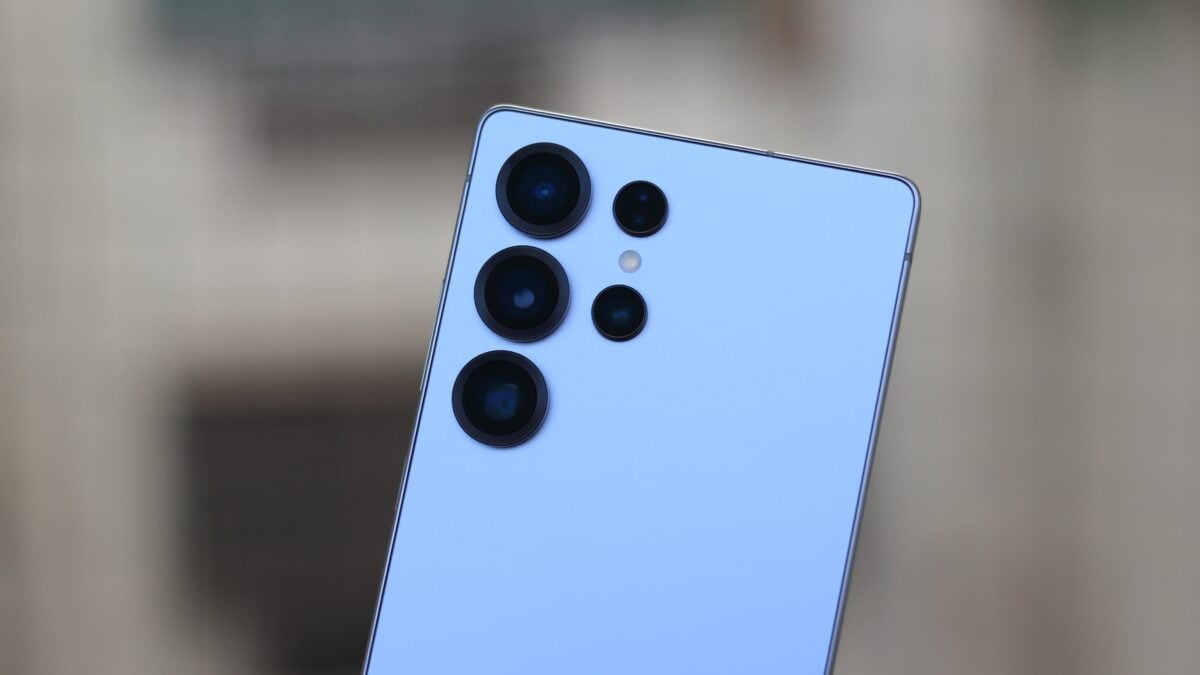
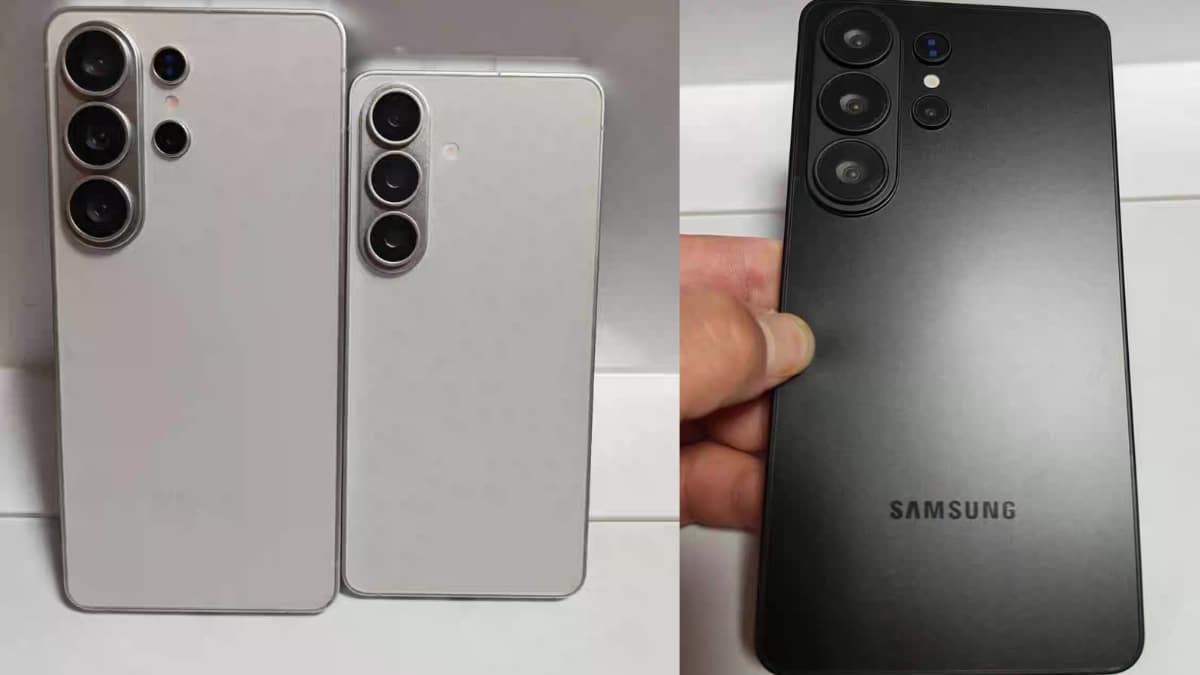
The smartphone design landscape is entering a critical inflection point where technological ambition increasingly conflicts with user-centric functionality. Samsung's leaked Galaxy S26 Ultra prototype exemplifies this emerging challenge, revealing a profound strategic dilemma facing mobile manufacturers: how to pursue cutting-edge camera capabilities without compromising device ergonomics.
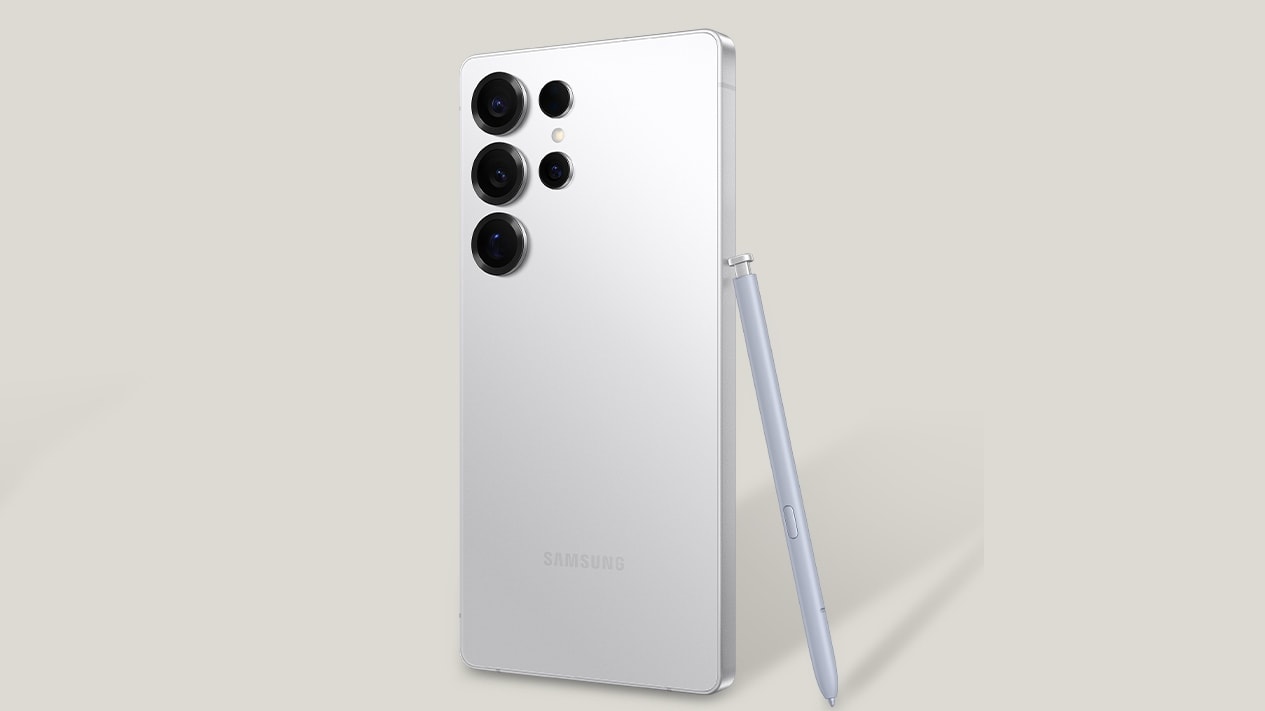
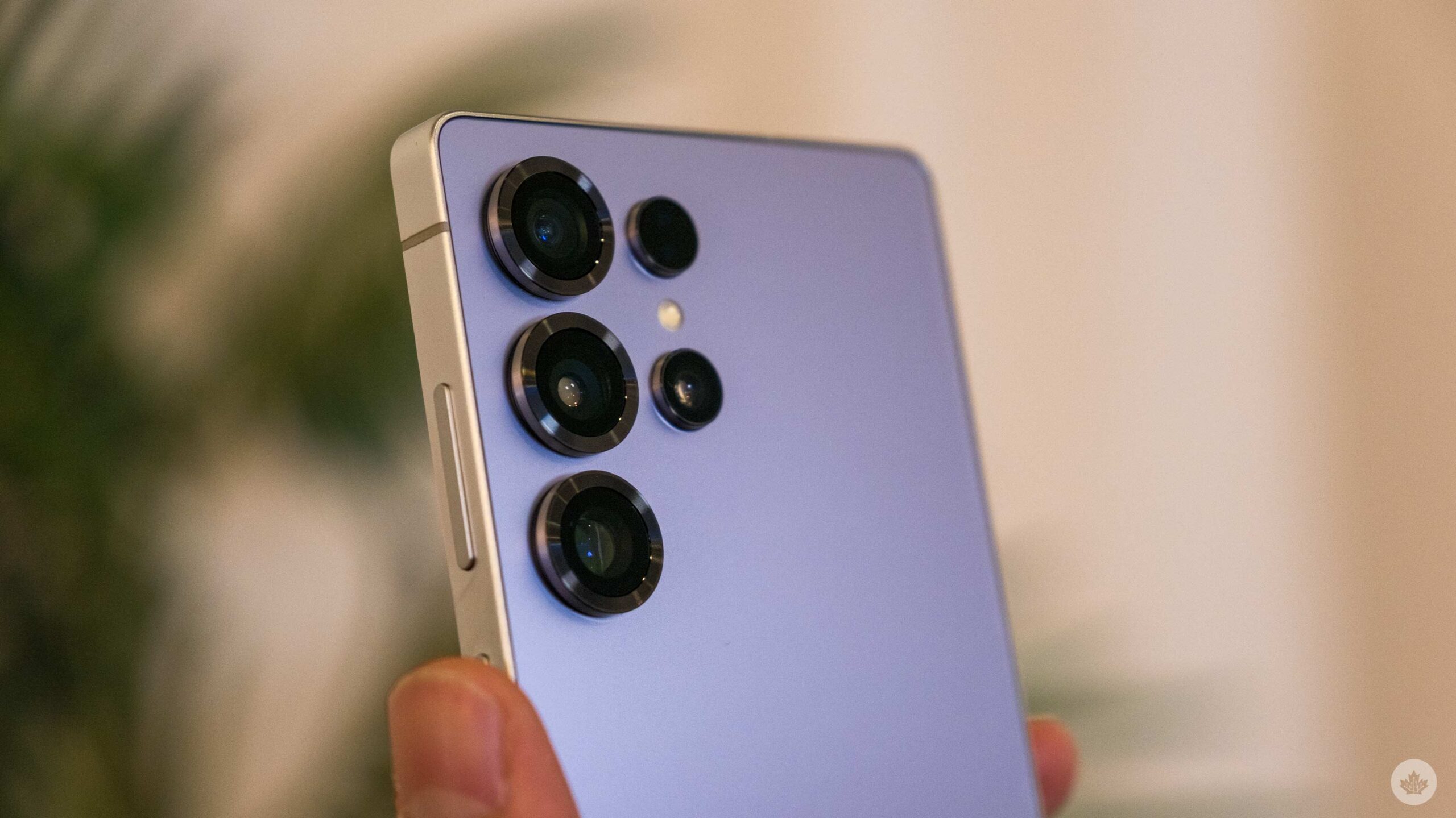
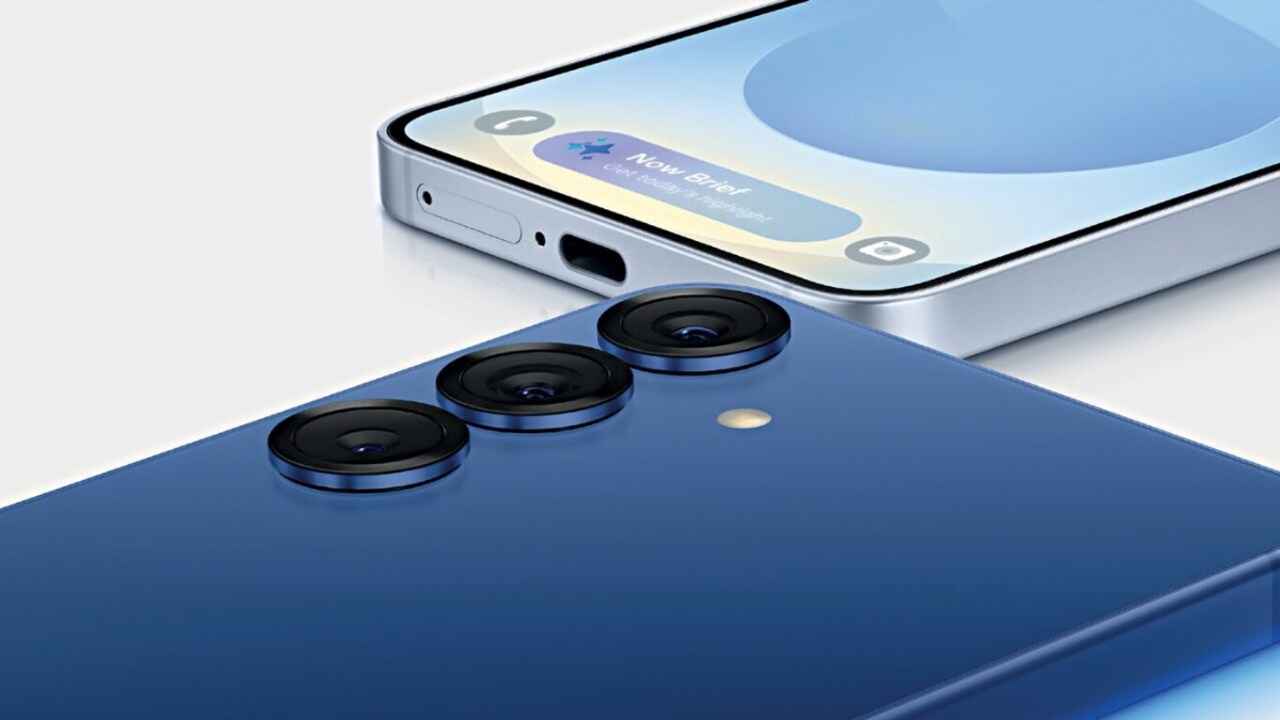
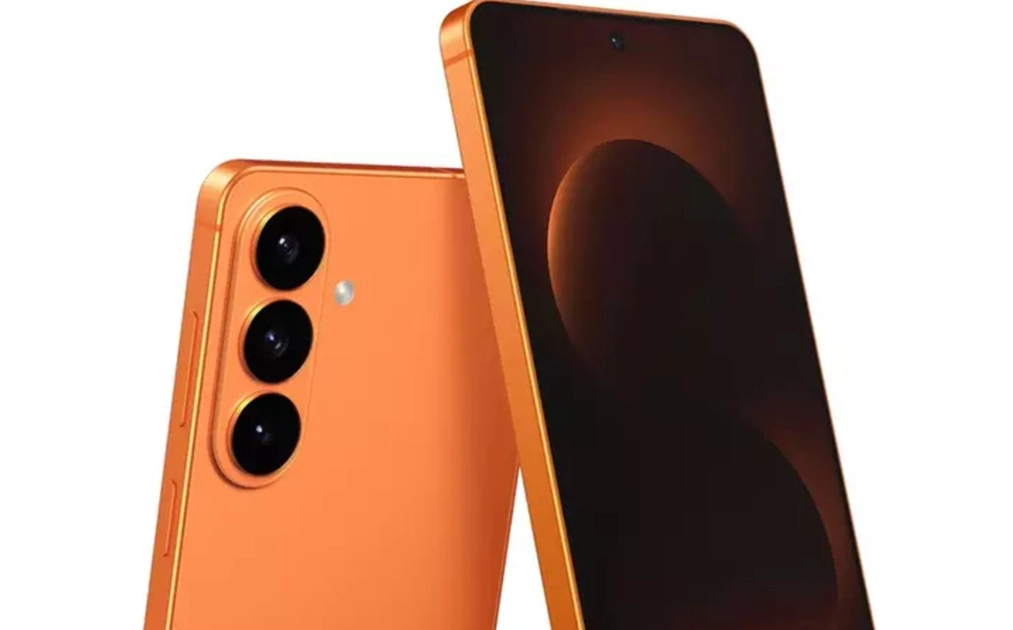
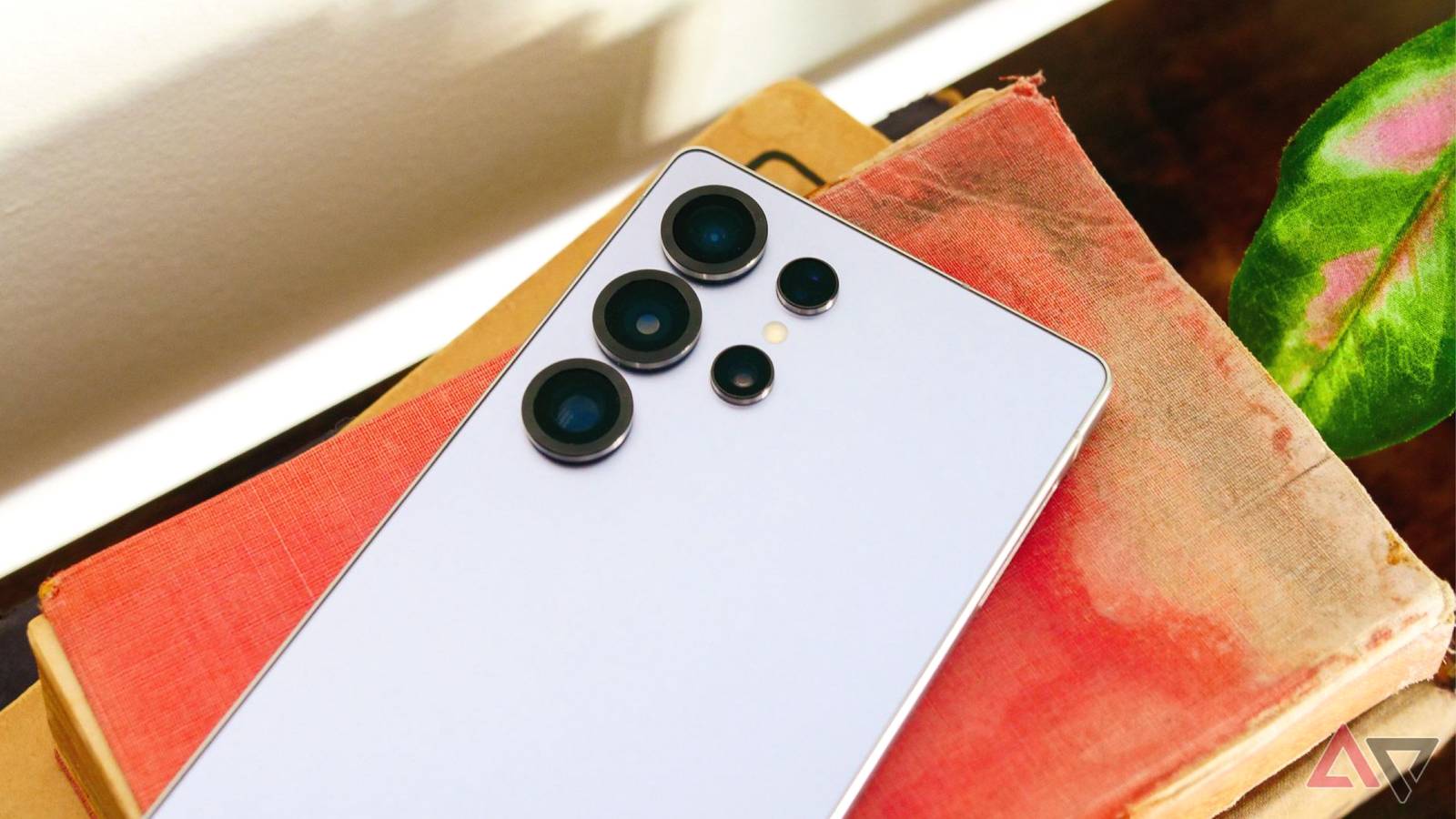
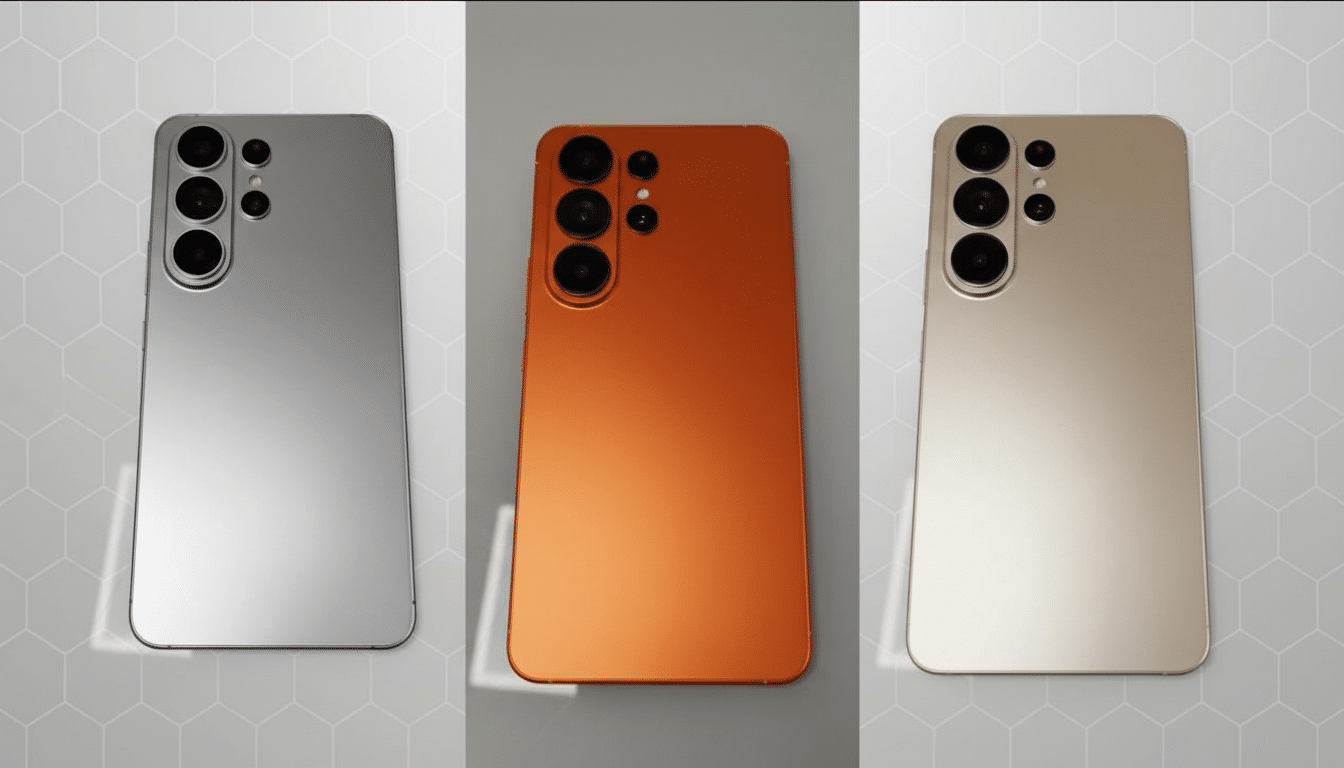
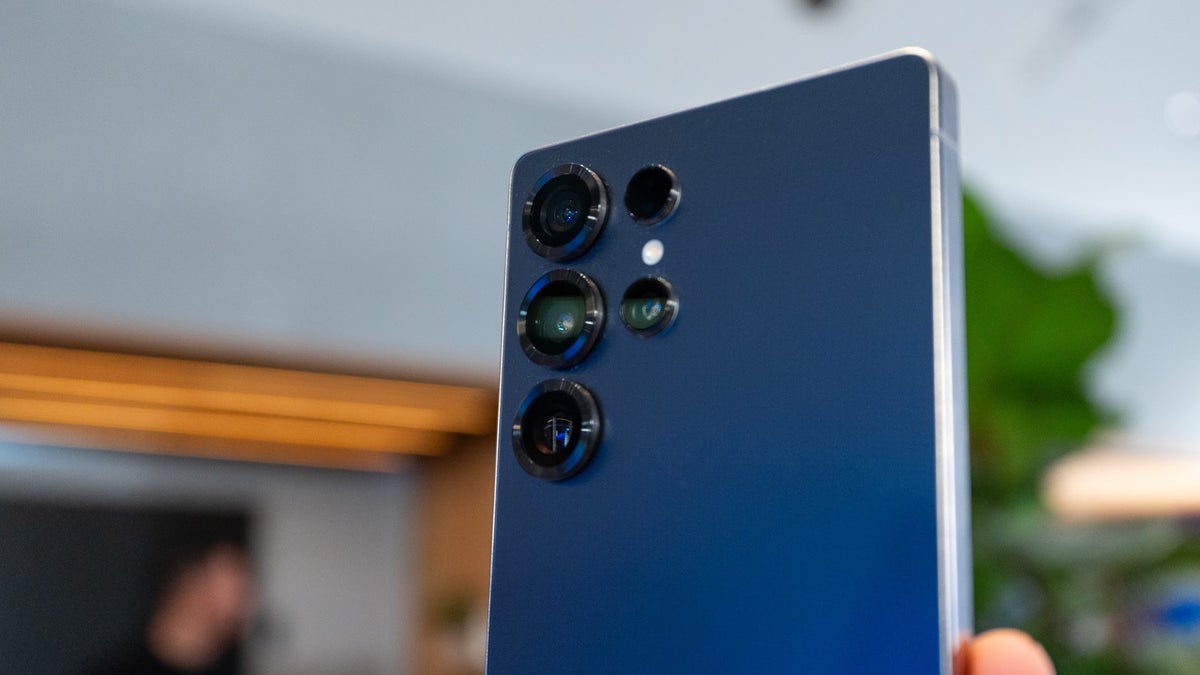
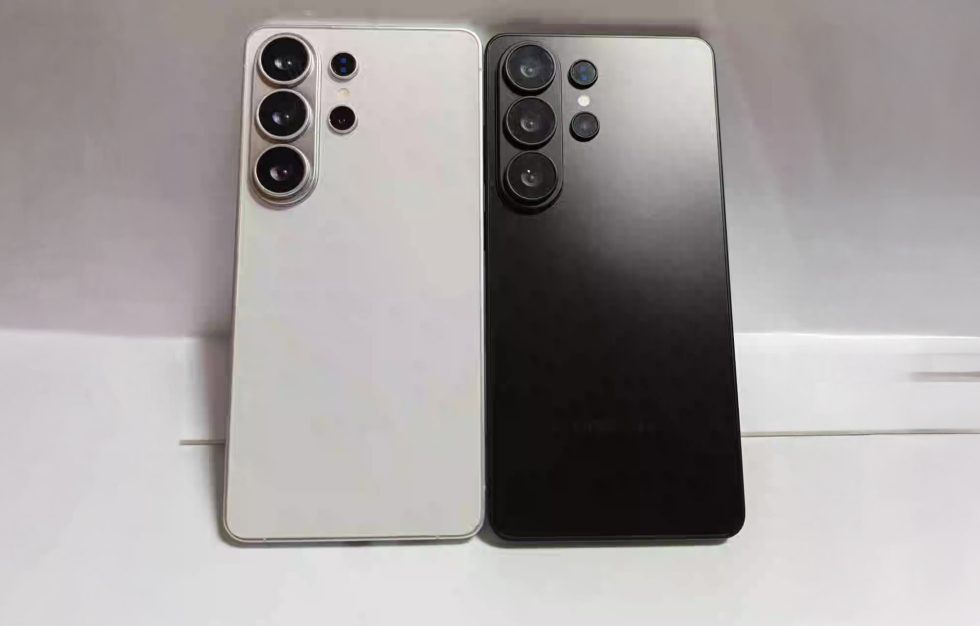
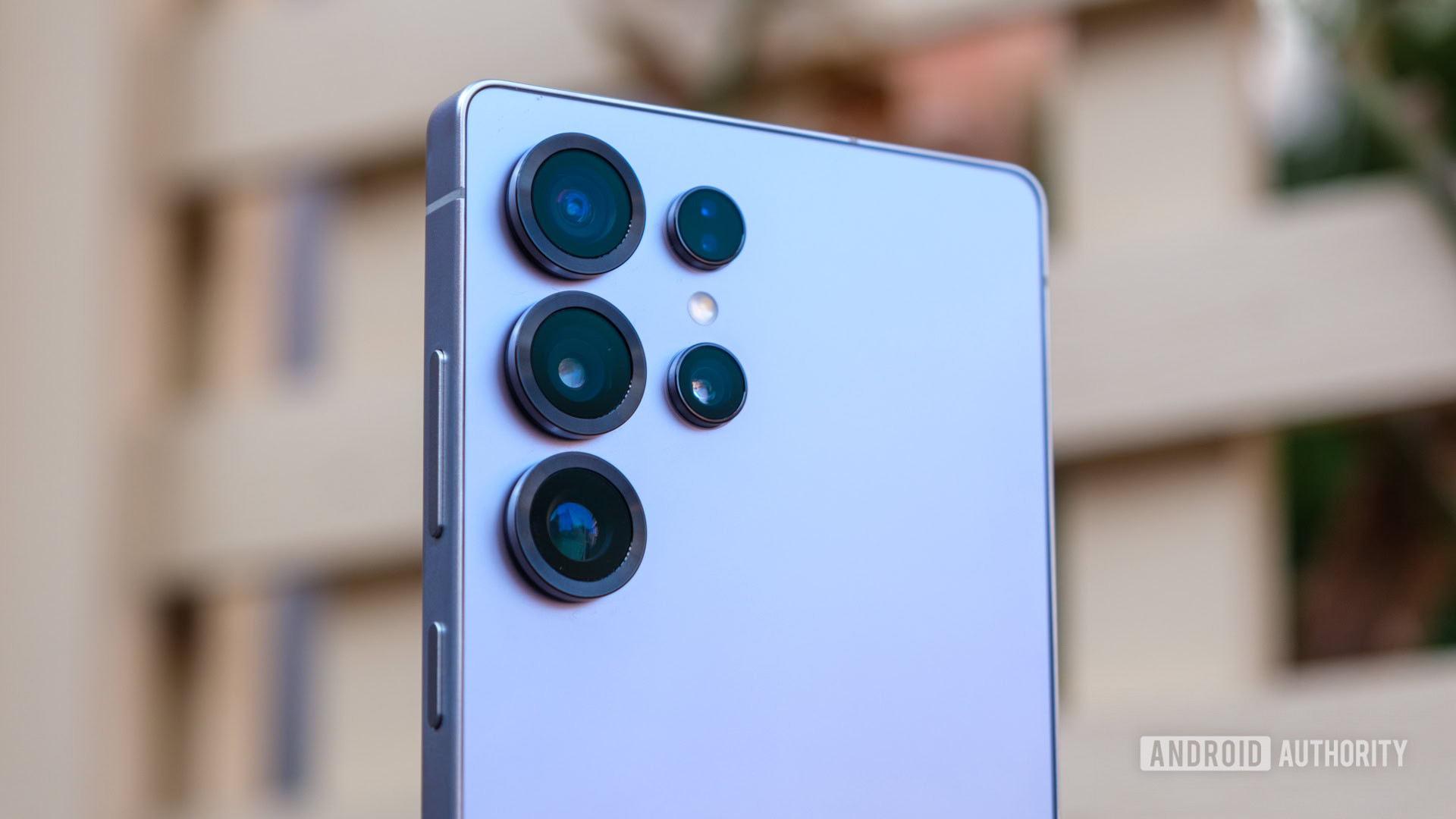
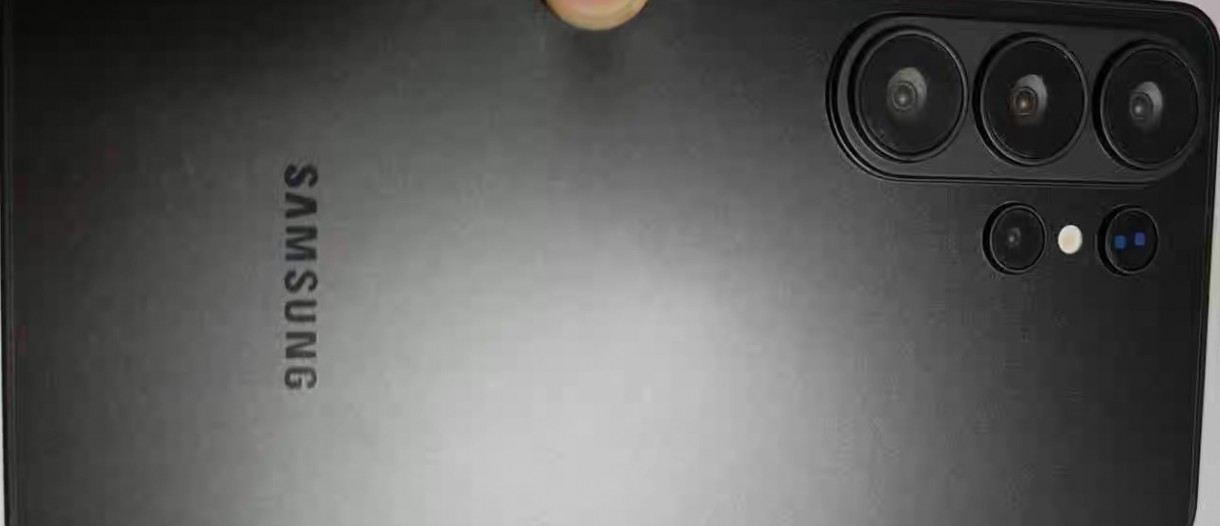
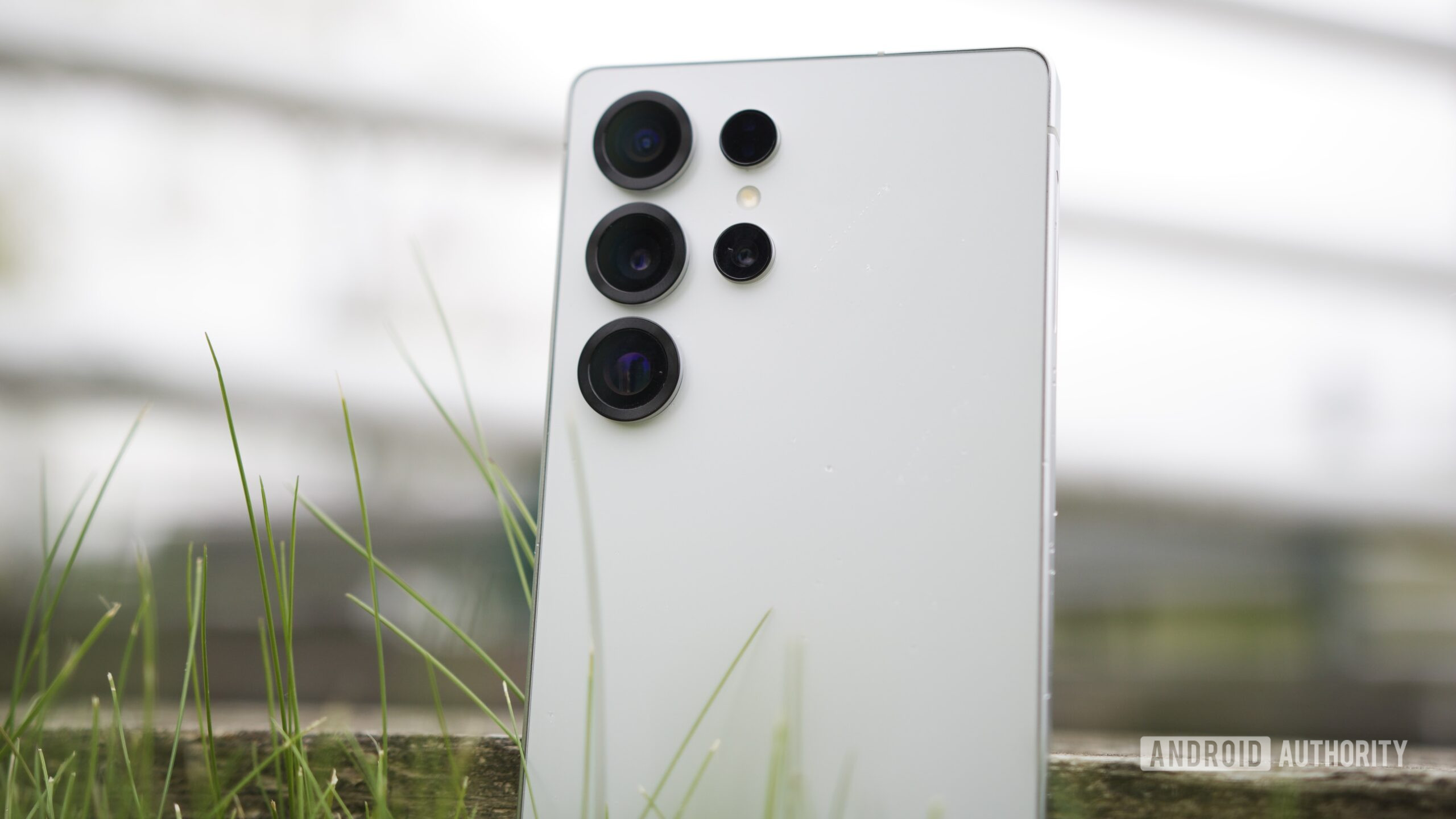
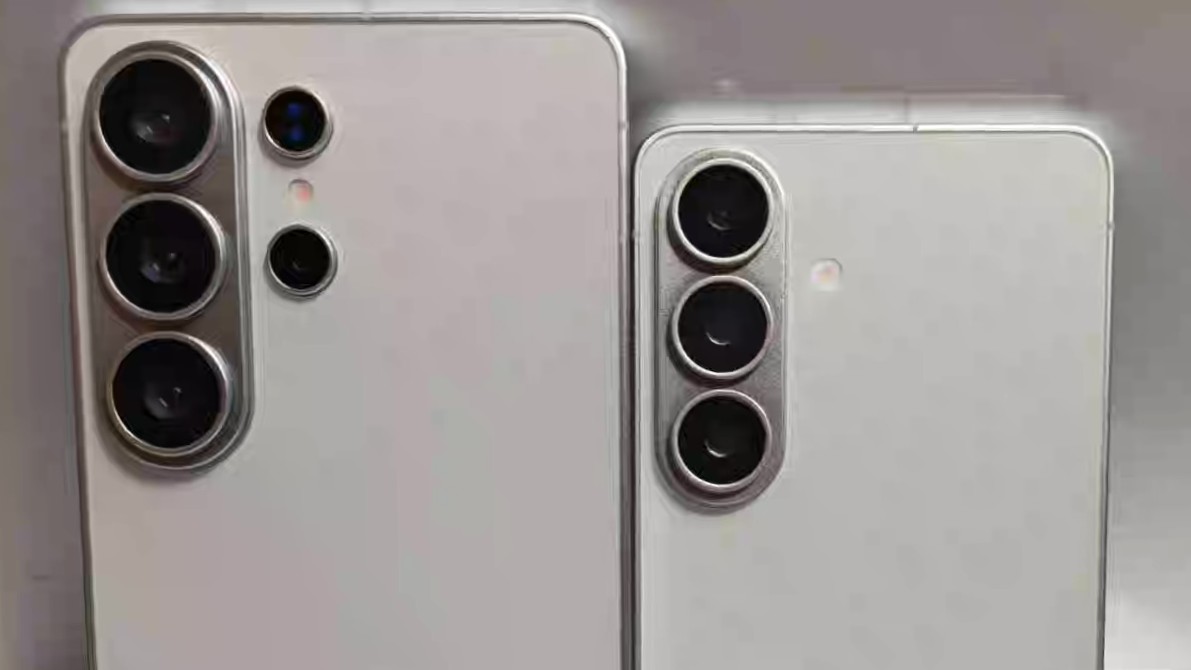
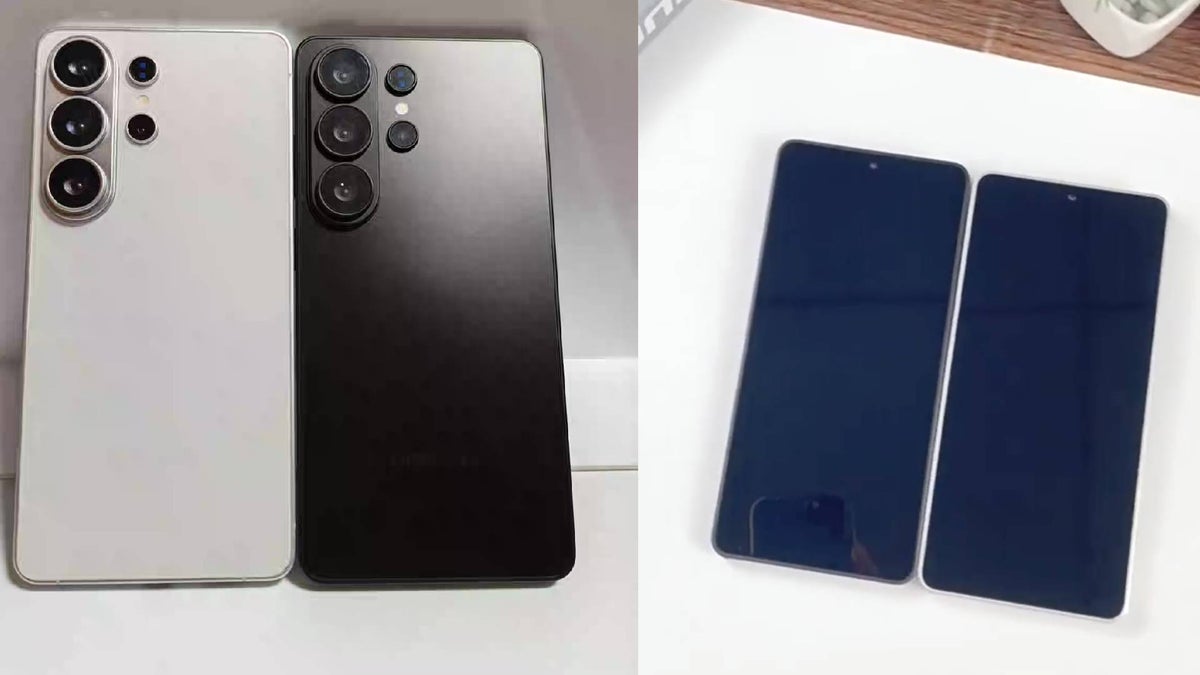
Camera-Driven Design Compromises are becoming increasingly apparent in flagship smartphone development. The Galaxy S26 Ultra's dramatically protruding camera bump—positioned far left and creating significant device instability—signals a troubling trend of prioritizing photographic performance over fundamental user experience. Samsung's pursuit of a thinner chassis has led to a design that fundamentally undermines one of a smartphone's most basic functions: stable placement on flat surfaces.
Technological Trade-Off Dynamics are particularly revealing in this leak. By intentionally creating a camera module that wobbles and destabilizes the device, Samsung demonstrates the intense competitive pressure to differentiate through camera technology. This approach suggests manufacturers are willing to introduce minor usability friction in exchange for marginal technological advantages. The increased camera bump represents more than a design quirk—it's a strategic statement about the evolving hierarchy of smartphone feature prioritization.
The broader implications extend beyond a single device. This design choice reflects a deeper industry-wide tension between engineering ambition and practical design. As smartphone cameras become increasingly sophisticated, manufacturers are pushing physical design boundaries, sometimes at the expense of fundamental user interactions. The wobbling effect is not just an aesthetic issue but a tangible representation of how technological pursuit can inadvertently create user frustration.
For consumers and technology strategists, this leak serves as a critical signal: technological innovation must be balanced with holistic user experience considerations. Samsung's approach suggests that while camera capabilities continue to be a key differentiator, there's a growing need for designs that harmonize advanced technology with intuitive, stable device interactions.
Questions 3
Why is Samsung creating a camera bump that makes the phone unstable?
Samsung is prioritizing camera capabilities and device thinness over traditional stability. The increased camera module allows for more advanced photographic features while maintaining a slim chassis, demonstrating the company's commitment to pushing technological boundaries.
What does this leak reveal about smartphone design trends?
The leak indicates a growing trend of manufacturers willing to introduce minor usability compromises to differentiate through advanced camera technology. It suggests an industry-wide competitive dynamic where photographic capabilities are becoming a primary point of product differentiation.