




Rural Health Panic Reveals Complex Community Response Mechanisms in Emerging Markets
- Zoonotic Disease Fears Trigger Massive Vaccination Effort in Uttar Pradesh Village



.jpg.transform/schema-1x1/image.jpg)







Overview
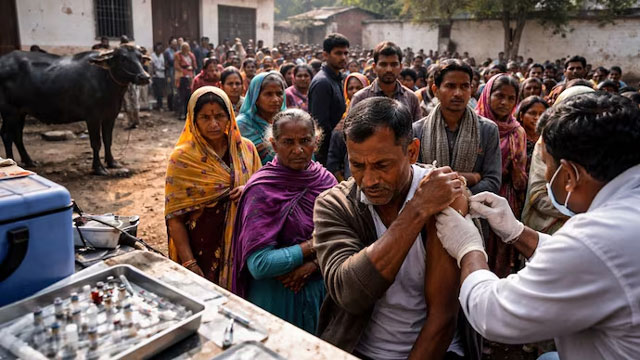
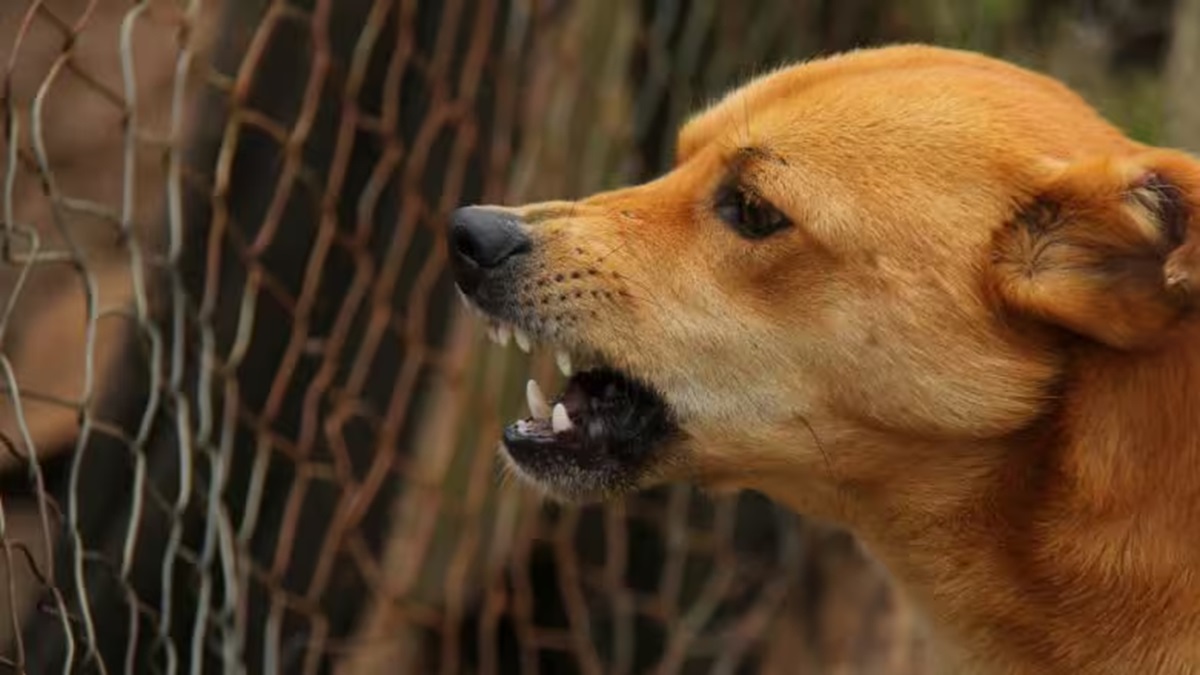
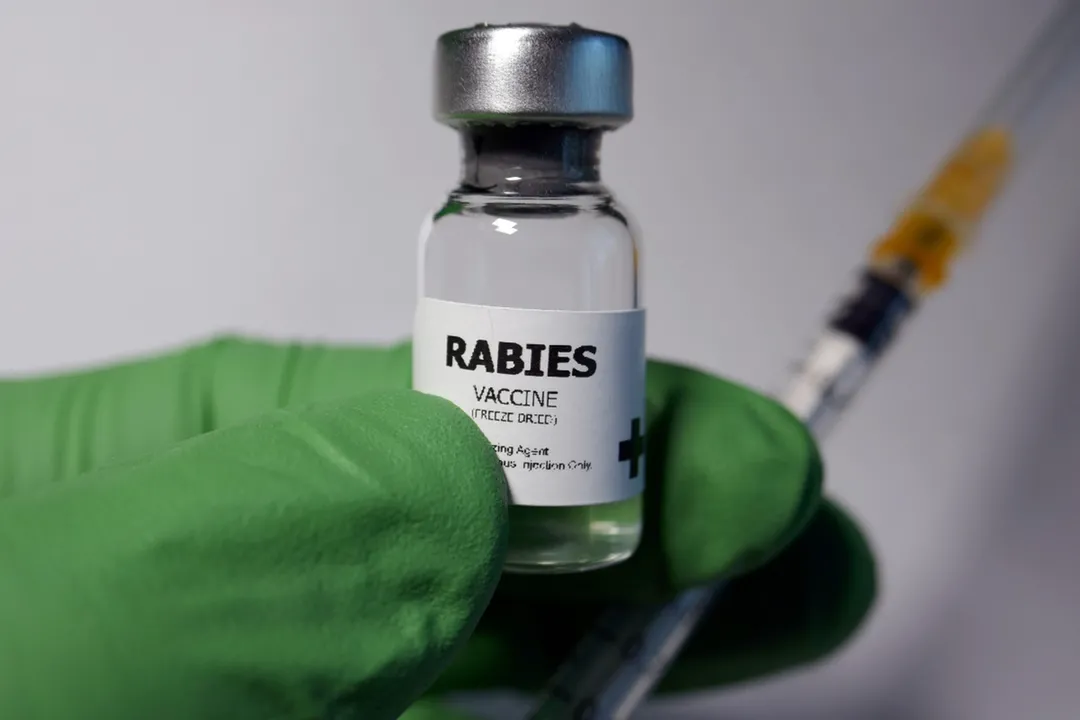
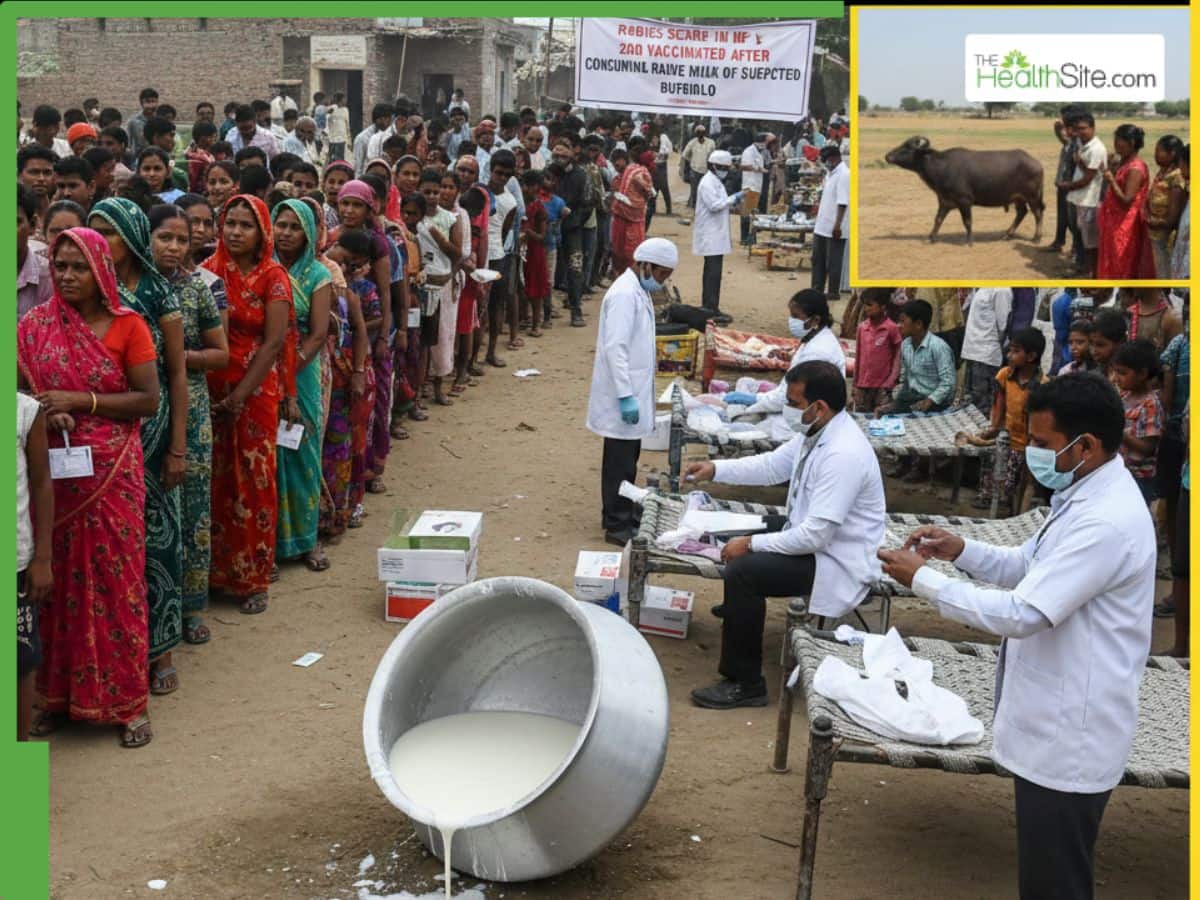
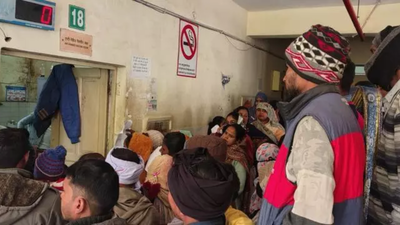
In a striking demonstration of rural community dynamics, a single buffalo bite incident in Piprauli village, Uttar Pradesh, triggered a remarkable public health response that illuminates the intricate social mechanisms of emerging markets. When villagers discovered that a buffalo used to prepare raita (a traditional yogurt-based dish) had been bitten by a potentially rabid dog, nearly 250 residents rushed to receive preventive anti-rabies vaccinations, revealing deep-seated anxieties about zoonotic disease transmission.
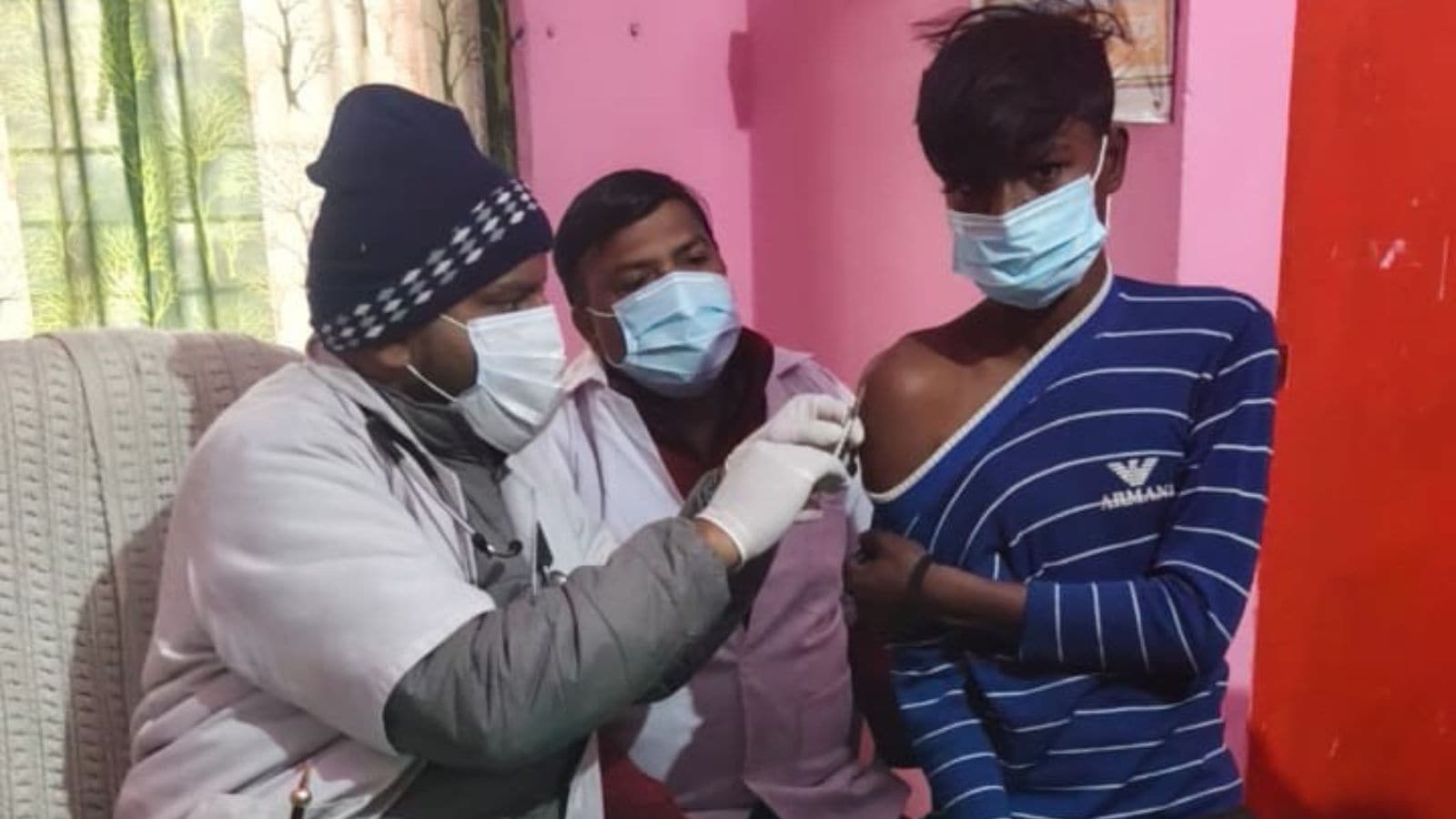
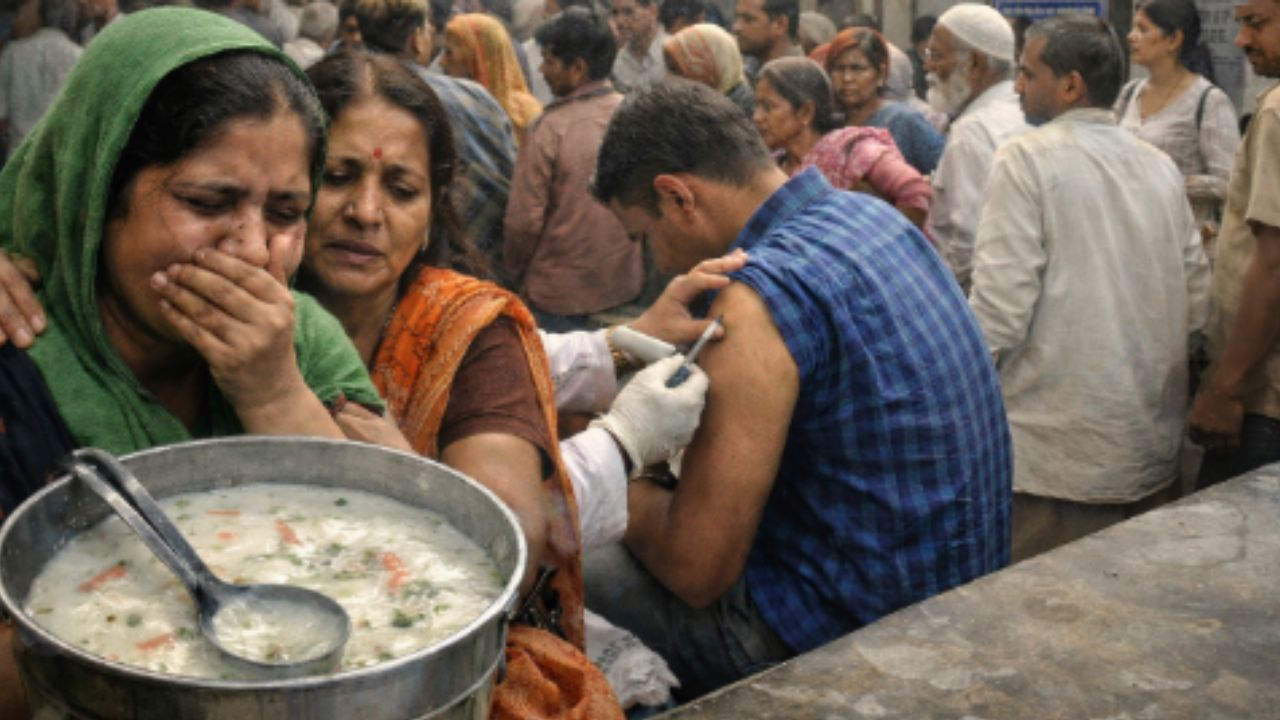
The incident exposes multiple layers of community risk perception and healthcare infrastructure. Despite veterinary experts suggesting that boiling milk typically neutralizes transmission risks, local health authorities took an aggressive precautionary approach. The Ujhani Community Health Centre remained open throughout the weekend, administering vaccines to 110 people in a single day, which underscores the rapid mobilization of rural healthcare systems when community trust is at stake.
What makes this event particularly fascinating is the intersection of traditional practices, health communication, and collective action. The raita was prepared during a terahwain bhoj (funeral ceremony), a culturally significant event where food preparation and sharing carry deep social meanings. The potential contamination of this communal dish transformed a routine meal into a potential health threat, triggering a swift, coordinated response that prioritized collective safety over individual risk assessment.
For businesses and policymakers operating in emerging markets, this incident offers critical insights. It demonstrates that community health responses are driven by complex social dynamics, where perceived risk can rapidly mobilize entire populations. Local healthcare infrastructure plays a crucial role in managing such scenarios, with swift communication and proactive medical intervention being key to maintaining public confidence.
The broader implications extend beyond this single village. It highlights the critical need for nuanced understanding of rural market behaviors, where information spread, cultural practices, and health perceptions are deeply interconnected. Stakeholders must recognize that emerging markets require adaptive, context-sensitive approaches that respect local knowledge systems while providing scientifically grounded interventions.
Questions 3
Why did 250 villagers get vaccinated for rabies after consuming raita?
The villagers feared potential rabies transmission after discovering the buffalo used in their raita had been bitten by a potentially rabid dog. Despite expert opinions that boiling milk typically eliminates transmission risks, the community took a precautionary approach, reflecting deep-seated anxieties about zoonotic diseases and a collective prioritization of safety.
What does this incident reveal about rural healthcare infrastructure?
The swift response demonstrates robust local healthcare systems capable of rapid mobilization. The Ujhani Community Health Centre remained open throughout the weekend, administering 110 vaccines in a single day, showcasing how rural health facilities can quickly respond to perceived community health threats.