





North Carolina's Healthcare Frontline: Respiratory Illness Surge Triggers Systemic Adaptation
- Hospitals Implement Strict Protocols as H3N2 'Super Flu' Challenges Regional Public Health Strategies




















Overview
The respiratory illness landscape in North Carolina has reached a critical inflection point, revealing systemic vulnerabilities and adaptive responses across healthcare infrastructure. Hospitals are implementing unprecedented visitor restrictions in response to a dramatic surge of H3N2 flu cases, with emergency department visits climbing from 1% to 5% between November and December 2025.
The data tells a stark story of escalation: hospital admissions for flu-like symptoms rocketed 493%, from 81 to 480 cases, predominantly driven by the highly contagious H3N2 variant. This surge exposes a critical public health challenge: low vaccination rates, with only 20% of North Carolina residents immunized for the 2025-26 flu season. Mecklenburg and Wake Counties demonstrate particularly concerning trends, with vaccination levels hovering around 20-25%, significantly below historical averages.
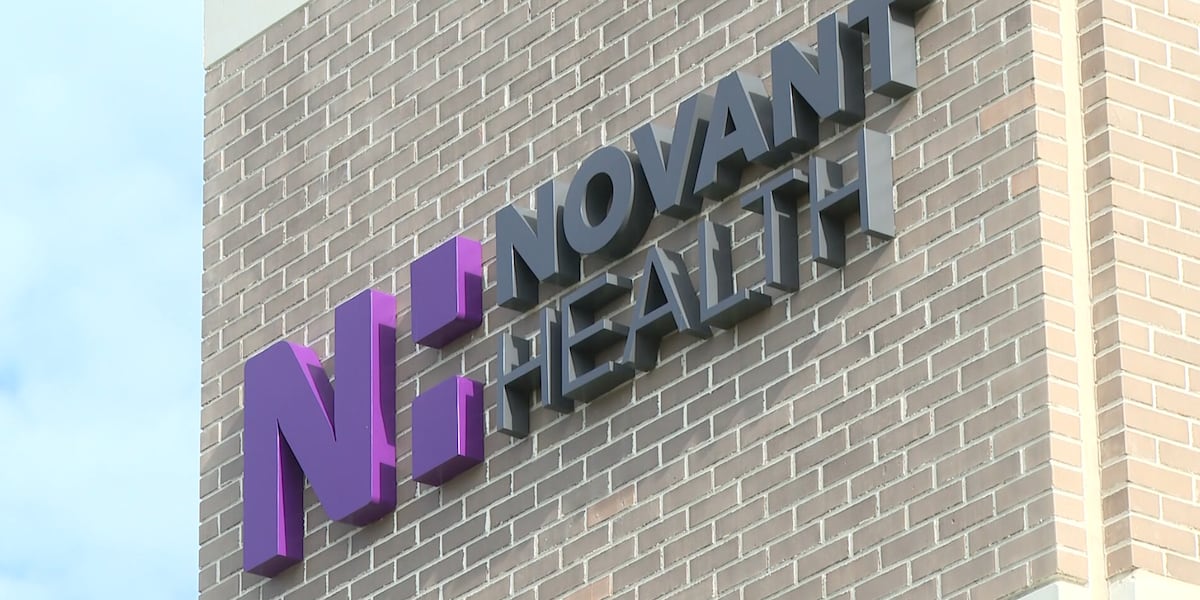
Healthcare providers are responding with strategic, multi-layered interventions. Novant Health and Iredell Memorial Hospital have both instituted stringent visitor policies, prohibiting children under 13-14 from entering medical facilities, with narrow exceptions for critical medical treatments. These measures reflect a proactive approach to disease containment, prioritizing patient and staff protection during a peak respiratory illness period.
For businesses and e-commerce platforms, these developments signal more than a healthcare challenge—they represent a complex operational landscape. Sellers in healthcare, wellness, and medical supply sectors should anticipate heightened demand for preventive products. E-commerce platforms serving North Carolina must prepare for potential logistical disruptions and increased interest in health-related merchandise.
The broader context suggests this is not merely a seasonal anomaly but potentially a structural shift in public health management. Vaccine hesitancy, combined with evolving communication strategies, creates a dynamic environment where rapid, localized responses become crucial. Health experts anticipate the flu season will peak in late January, with potential further complications following holiday gatherings.
Questions 3
What are the potential business implications of these healthcare restrictions?
E-commerce and healthcare-adjacent businesses should expect increased demand for preventive products, potential supply chain disruptions, and a need to adapt quickly to regional health guidelines. Sellers in medical supplies, wellness, and healthcare technology may see new market opportunities.
How severe is the current flu situation in North Carolina?
The situation is critical, with flu-related emergency department visits increasing from 1% to 5% and hospital admissions surging from 81 to 480 cases. The H3N2 variant dominates nearly 90% of infections, and vaccination rates remain low at around 20%, indicating a significant public health challenge.