




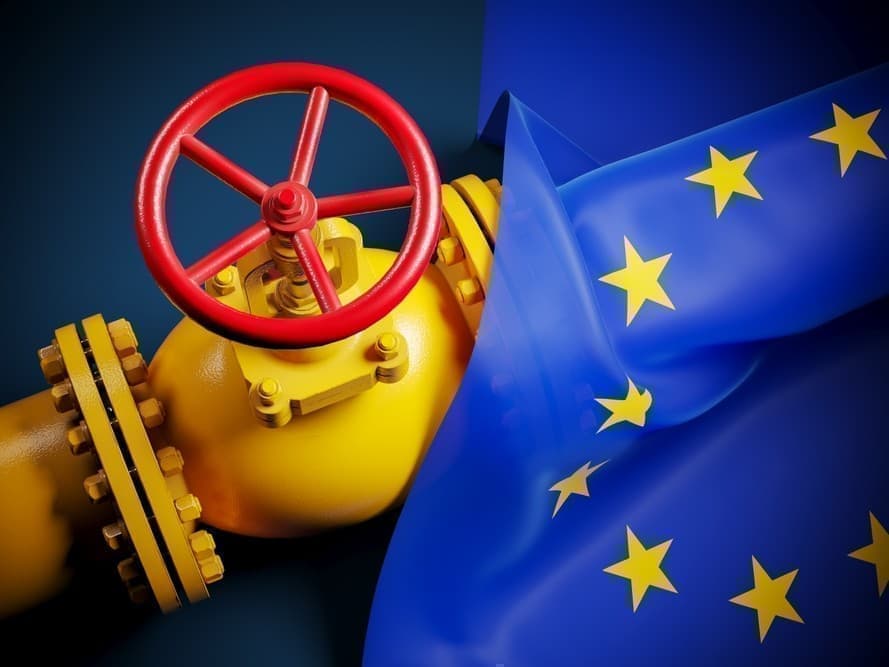
EU-US Tariff Shock & Central Europe Energy Crisis | Cross-Border Seller Impact 2025
- Tariff rates jump 5-15% on EU exports to US through July 2025; Hungary/Slovakia logistics disrupted; €190B EU funding blocked creates market volatility for 50K+ European sellers












Overview
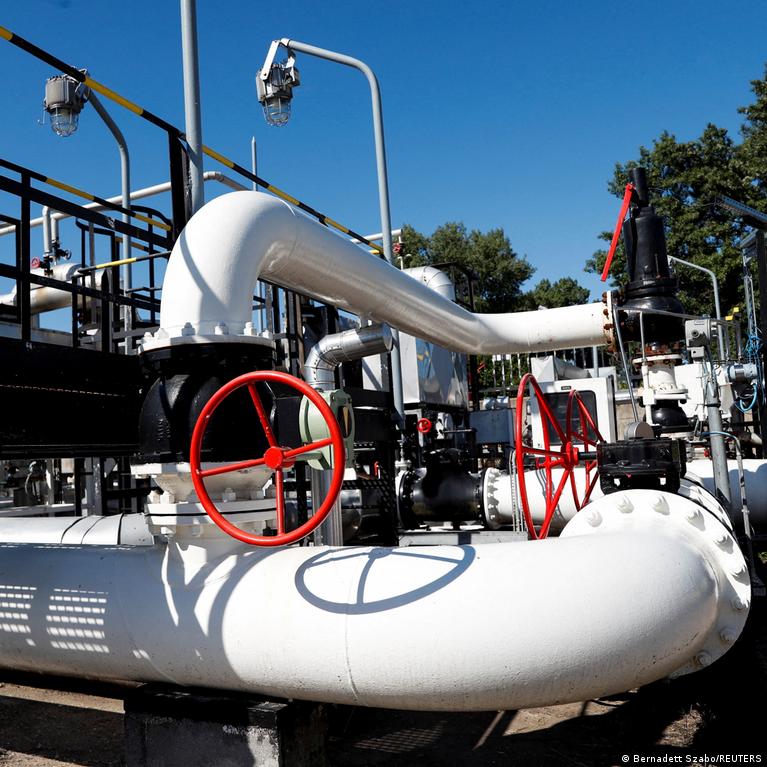
The convergence of US tariff uncertainty and Central European energy infrastructure collapse creates a dual-shock scenario for cross-border sellers in 2025. News reports confirm that the US Supreme Court rejected a 15% tariff agreement negotiated in August 2024, triggering a transitional period lasting until July 24, 2025, during which goods previously tariffed at 5% now face tariffs exceeding 15%—a 200-300% rate increase. Simultaneously, the Druzhba pipeline disruption since January 27, 2025, has stalled oil shipments to Hungary and Slovakia, which rely on Russia for 86-100% of their crude supply. These nations paid €5.4 billion for Russian oil since the invasion began, and the pipeline blockade (attributed to either Russian drone strikes or Ukrainian deliberate action) has triggered retaliatory threats including electricity supply cuts to Ukraine.
For European sellers shipping to the US, the tariff shock represents immediate margin compression of 8-15% depending on product category. Sellers who previously calculated landed costs at 5% tariff rates must now absorb 15% duties, reducing profit margins by $200-600 per $1,000 in wholesale value. The transitional period through July 24, 2025, creates a critical window: sellers can either (1) front-load inventory before tariff rates potentially stabilize, (2) shift sourcing to tariff-advantaged countries like Vietnam or India for specific categories, or (3) increase US retail prices by 8-12% to maintain margins. European Trade Commissioner Maroš Šefčovič confirmed Brussels is awaiting operational clarification from US representatives, meaning tariff classifications and exemptions remain fluid—creating arbitrage opportunities for sellers who monitor HS code-level changes.
The Central European energy crisis compounds logistics costs and creates supply chain vulnerabilities. Hungary and Slovakia's threatened electricity cuts to Ukraine, combined with the Druzhba pipeline outage, signal potential power rationing in the region. This directly impacts 3PL fulfillment centers and warehousing operations in Budapest, Bratislava, and Prague, which typically operate on thin 2-4% margins. Energy cost increases of 15-25% (if rationing occurs) would force logistics providers to raise fulfillment fees by $0.50-1.50 per unit. Additionally, Hungary's veto of the €190 billion EU loan to Ukraine and €90 billion aid package signals political instability that could trigger further sanctions or trade restrictions affecting Hungary-based sellers and their supply chains. The April 12, 2025, Hungarian parliamentary elections add timing urgency—political outcomes could shift energy policy and EU relations dramatically.
Strategic seller opportunities emerge from this volatility. Sellers with inventory in low-tariff jurisdictions (Vietnam, India, Mexico) can capture market share from EU competitors facing 15% tariff headwinds. Categories with high tariff elasticity (apparel, electronics, home goods) see the greatest margin pressure, while essential goods and industrial products may retain pricing power. Sellers should immediately audit their HS codes against the transitional tariff schedule, identify products where tariff increases exceed 10%, and consider geographic sourcing shifts for Q2-Q3 2025 shipments. The energy crisis creates a secondary opportunity: sellers of energy-efficient products (LED lighting, smart thermostats, industrial power management) may see demand spikes in Hungary and Slovakia as businesses seek to reduce consumption during potential rationing periods.
Questions 8
How should sellers adjust pricing strategy to maintain margins during the tariff shock?
Sellers face three options: (1) absorb tariff costs and reduce margins by 8-15%, (2) increase US retail prices by 8-12% to maintain margins (risking demand elasticity), or (3) shift sourcing to lower-tariff jurisdictions. Most sellers employ a hybrid approach: increase prices 4-6% while absorbing 4-6% margin compression and shifting 20-30% of sourcing to Vietnam/India. Monitor competitor pricing on Amazon and eBay to gauge market tolerance for price increases. Categories with inelastic demand (essential goods, industrial products) support higher price increases, while discretionary items require more conservative adjustments.
How much will US tariffs increase on EU exports between now and July 2025?
The US Supreme Court rejected the 15% tariff agreement from August 2024, triggering a transitional period through July 24, 2025. Goods previously tariffed at 5% now face tariffs exceeding 15%—a 200-300% rate increase. European Trade Commissioner Maroš Šefčovič confirmed this creates months of uncertainty while Brussels awaits operational clarification from US representatives. For sellers, this translates to $200-600 additional duty costs per $1,000 in wholesale value, compressing margins by 8-15% depending on product category and current pricing structure.