



Germany-China Trade Tensions Signal €89B Tariff Arbitrage Window for EU Sellers
- €89 billion trade deficit drives policy shift; sellers face 15-25% tariff volatility through 2026


















Overview
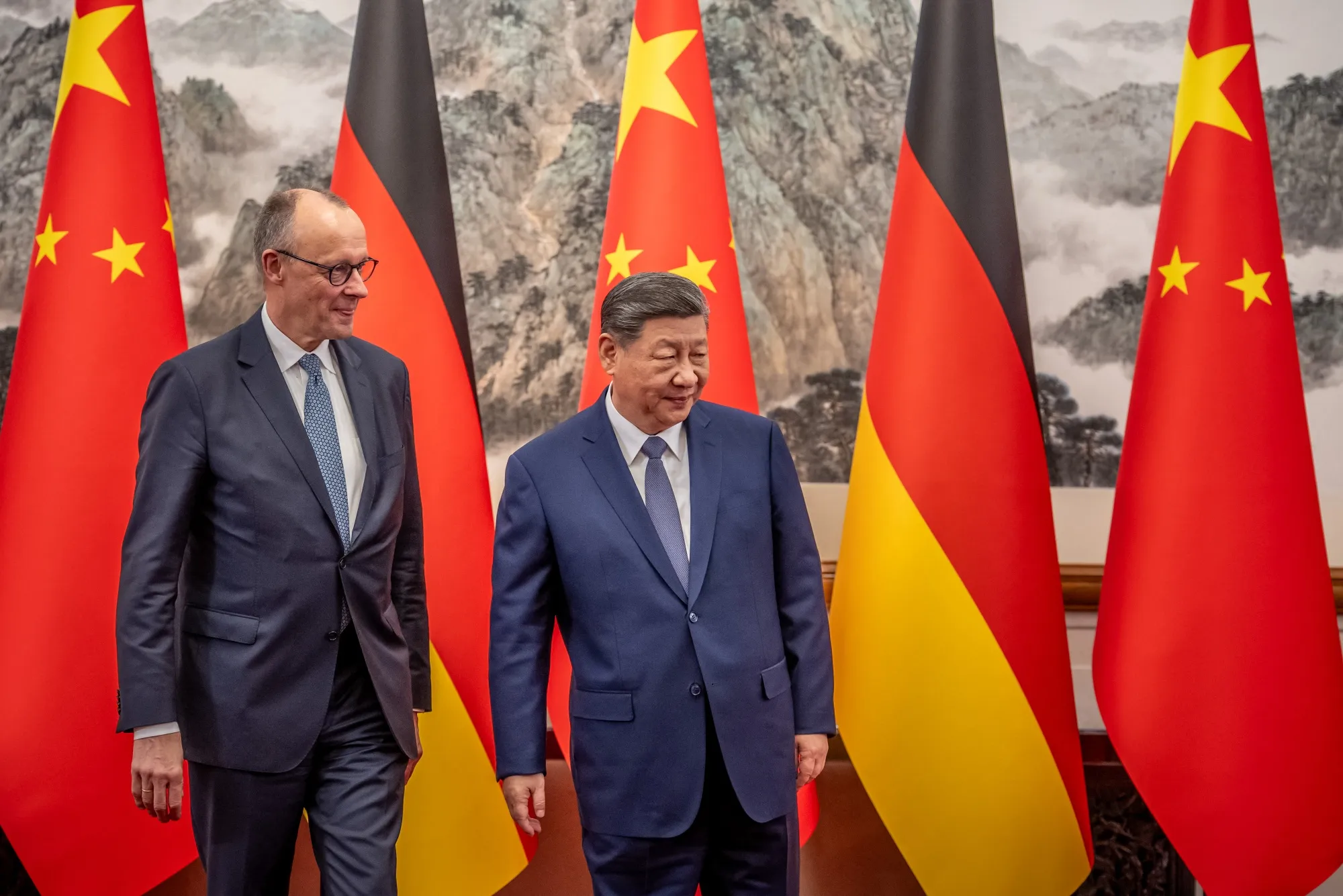
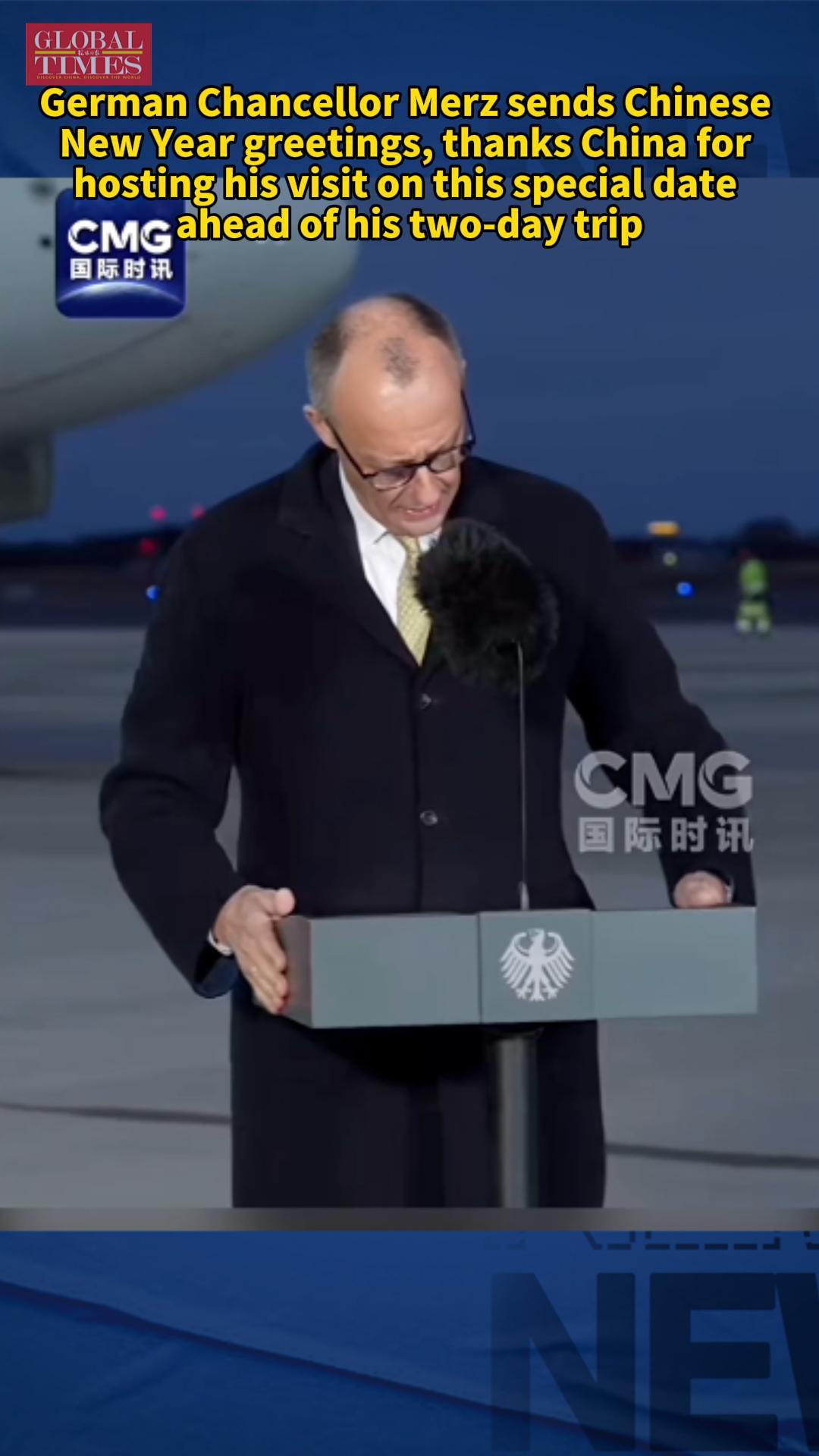
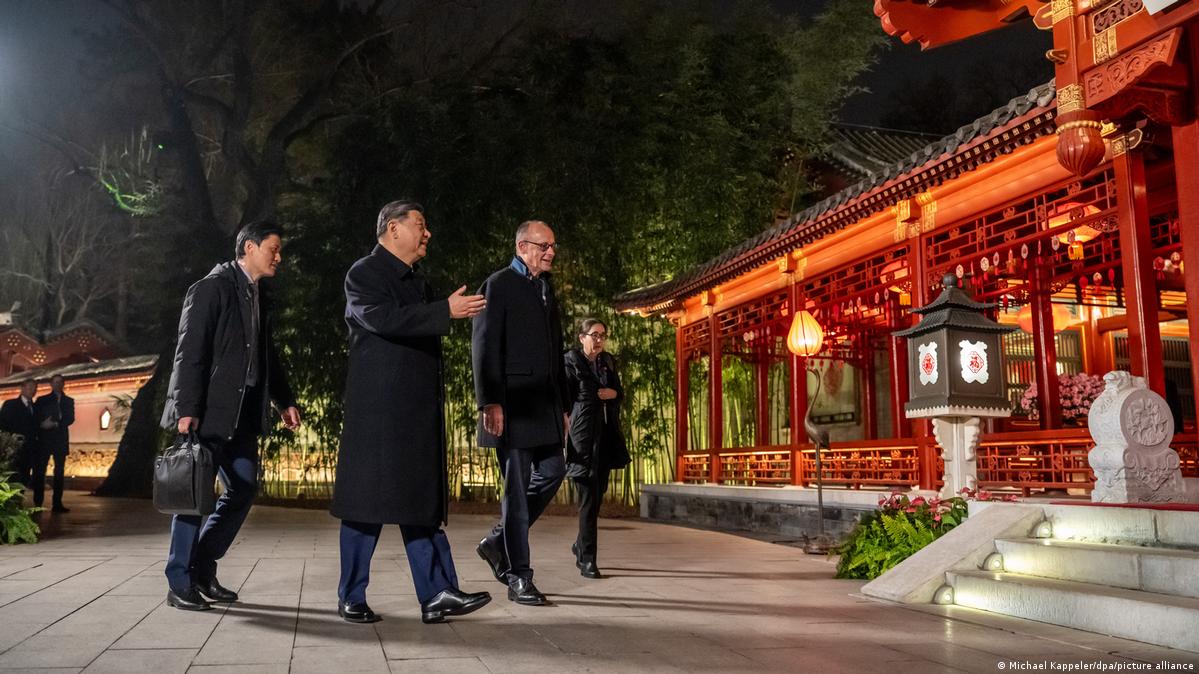
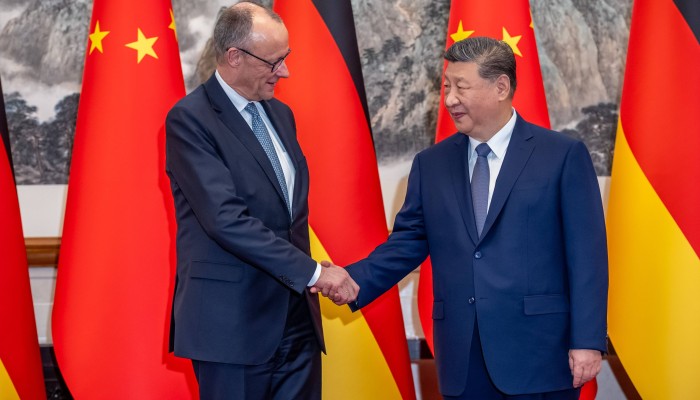
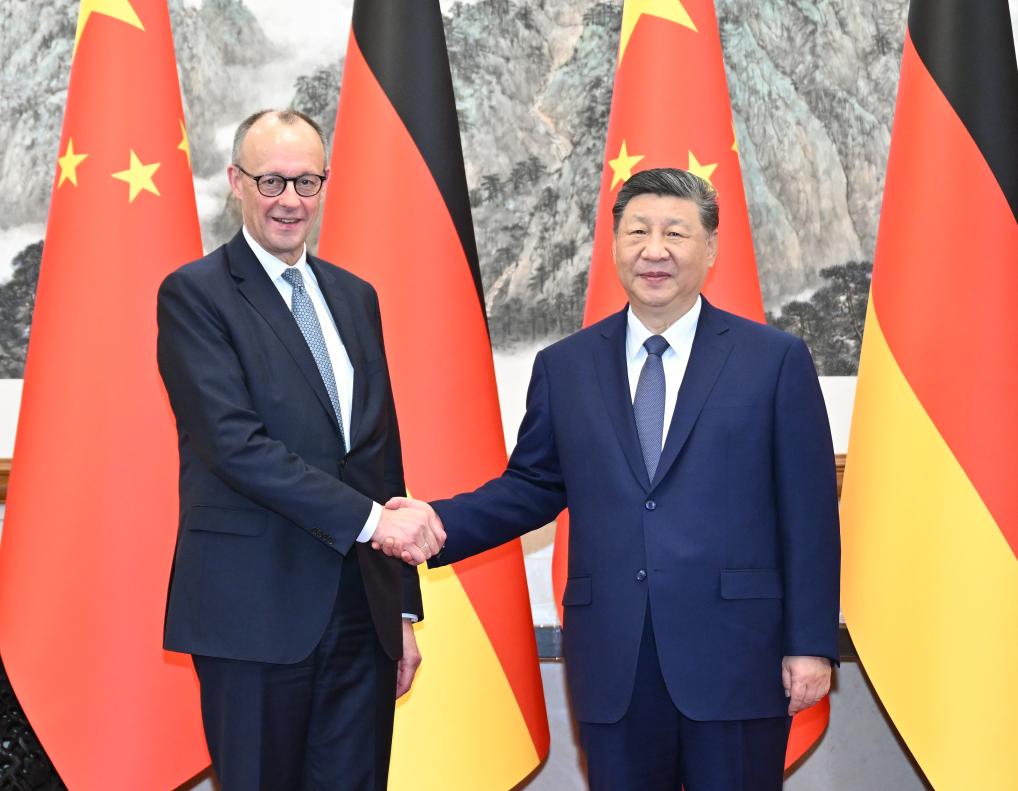
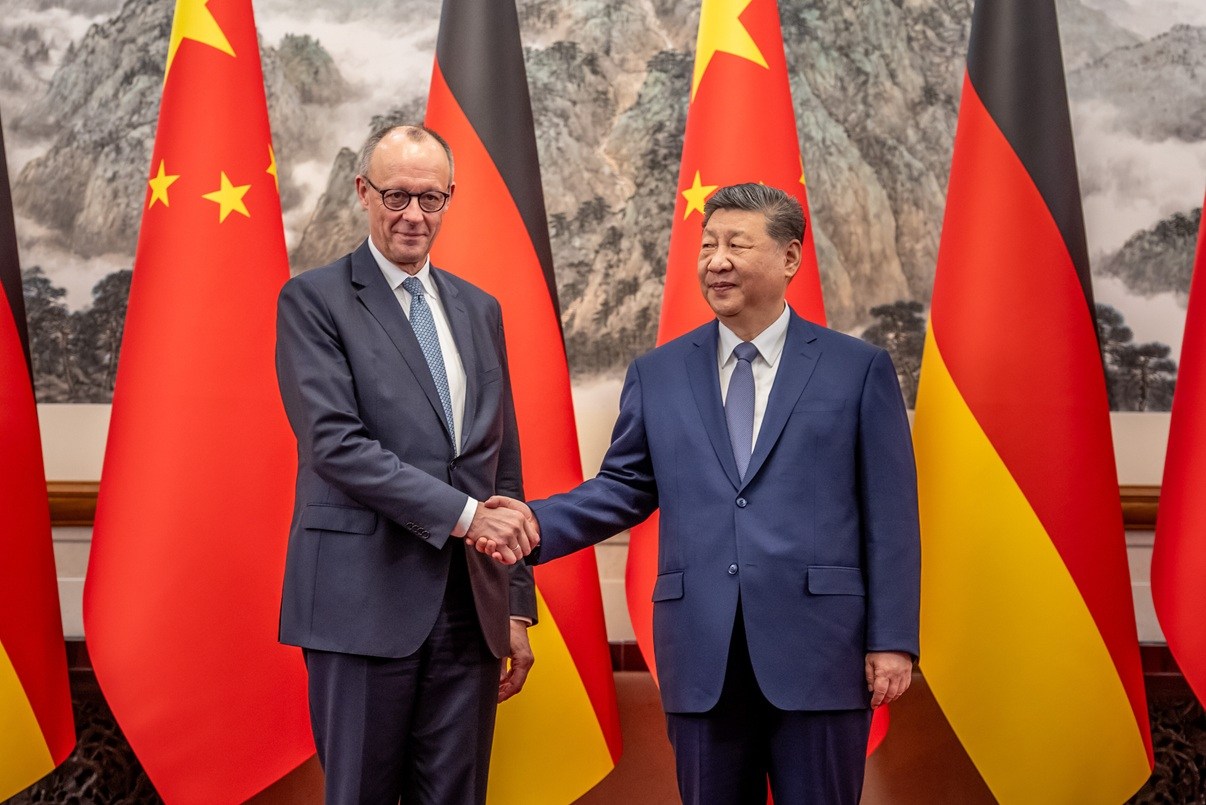
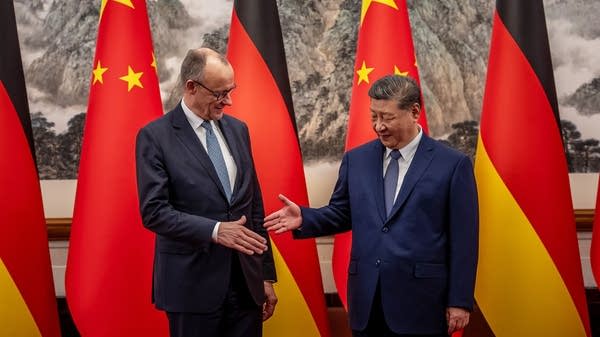
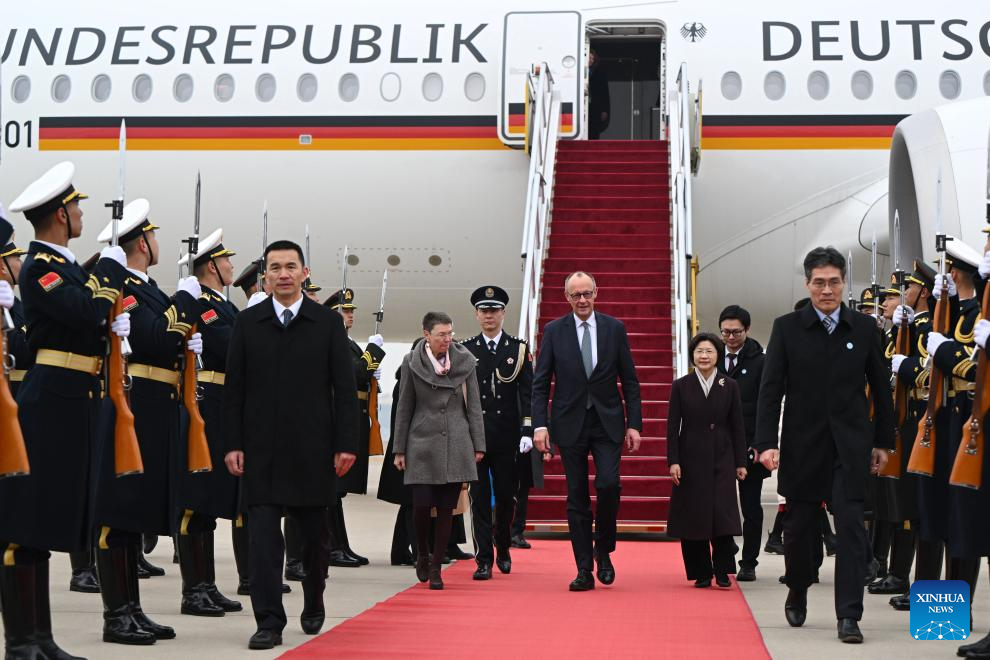
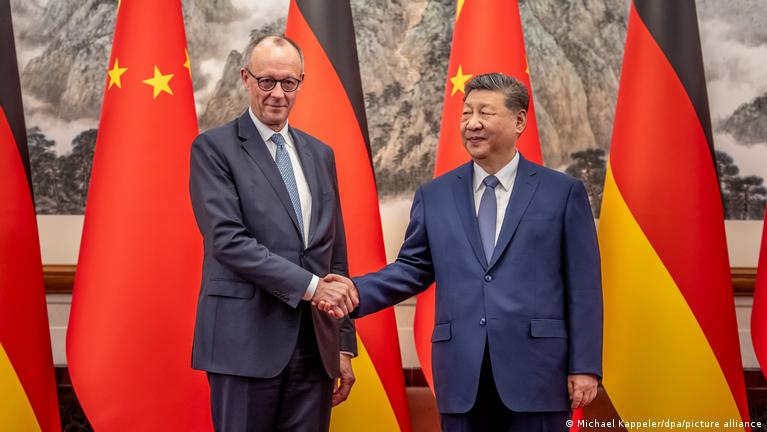
Germany's diplomatic realignment with China represents a critical inflection point for cross-border e-commerce sellers operating in EU-Asia corridors. Chancellor Friedrich Merz's February 2025 visit to Beijing and subsequent meetings with Chinese President Xi Jinping exposed a structural trade imbalance that has quadrupled since 2020—reaching €89 billion in 2025. This geopolitical pressure, amplified by Trump administration demands for reduced China exposure, is triggering concrete policy shifts that will reshape tariff structures, supply chain regulations, and market access for sellers across multiple categories.
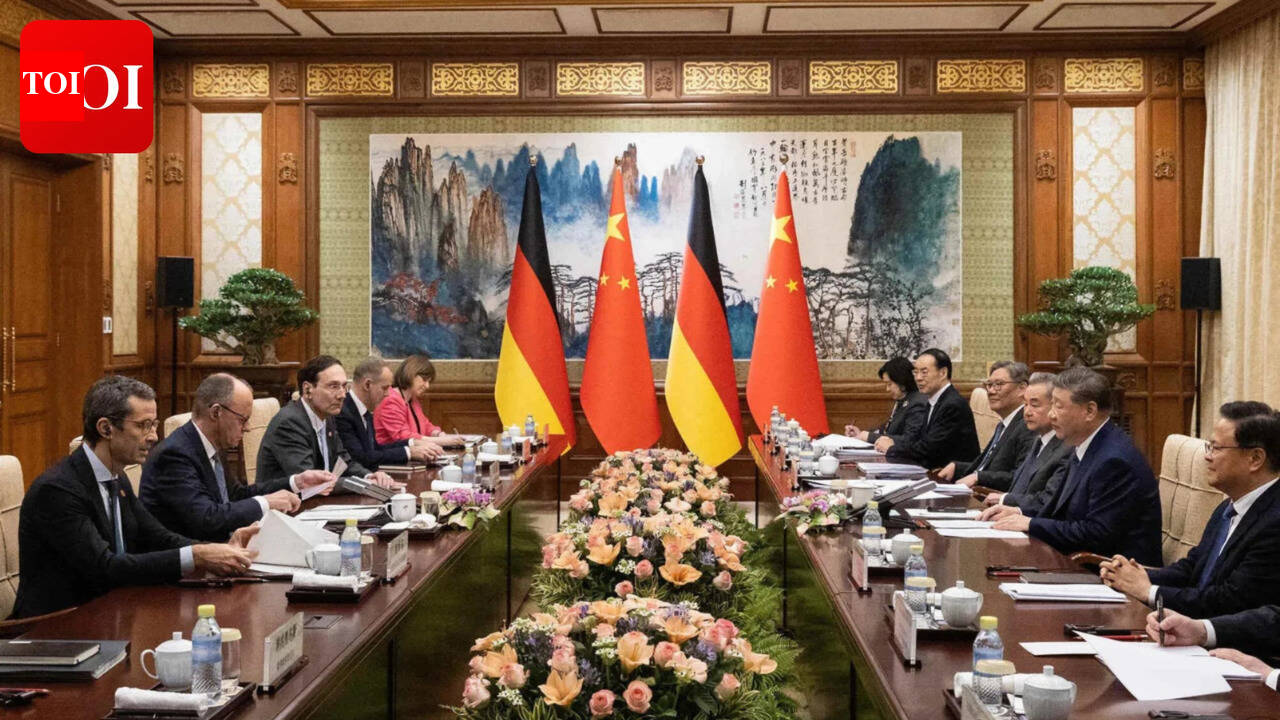
The immediate tariff arbitrage opportunity emerges from Germany's explicit calls for "fair competition" and compliance with trade rules. Merz's delegation of 30 executives negotiated selective market access (evidenced by Airbus's 120-aircraft order), signaling that EU policymakers are moving toward category-specific tariff treatments rather than blanket restrictions. For sellers, this creates a 6-12 month window to identify which product categories will receive preferential treatment (likely German industrial goods, machinery, chemicals) versus those facing retaliatory tariffs (Chinese electronics, textiles, consumer goods). The €89 billion deficit is concentrated in specific HS codes—primarily electronics (HS 85), machinery (HS 84), and optical instruments (HS 90)—where Chinese overcapacity and subsidies have compressed margins. Sellers sourcing these categories from China face potential tariff increases of 15-25% as EU negotiators demand "level playing field" concessions.
Supply chain regionalization is accelerating as Germany and EU allies reduce China dependency. The news emphasizes this realignment will be "neither easy nor fast," indicating a 2-3 year transition period where sellers must diversify sourcing. Vietnam, India, and Southeast Asian suppliers are becoming strategically attractive alternatives, with tariff advantages potentially reaching 8-12% compared to China-origin goods. Simultaneously, German manufacturing exports face headwinds—10,000 monthly job losses in Germany's industrial sector indicate domestic production is losing competitiveness, creating opportunities for sellers to source German-branded products at lower costs and resell across EU markets. The dual-dependency trap (US security, China economics) that Germany faces directly translates to compliance complexity: sellers must navigate both Trump-era technology controls (semiconductors, rare earth materials) and emerging EU protectionist measures targeting Chinese dumping practices.
The timing window is critical: policy implementation typically follows 90-180 days after diplomatic agreements. Merz's February 2025 visit suggests concrete tariff changes could emerge by Q2-Q3 2025, with full implementation by Q4 2025. Sellers should immediately audit their supply chains by HS code, identify China-origin exposure in high-deficit categories, and begin sourcing diversification to Vietnam/India suppliers. The €89 billion deficit creates political pressure for rapid action—German business leaders are hemorrhaging competitiveness, and policymakers will prioritize tariff relief for domestic industries. This creates a narrow window where sellers can lock in current tariff rates before increases take effect, and simultaneously capitalize on margin compression in Chinese-origin goods as competitors scramble to adjust pricing.
Questions 8
What compliance risks do sellers face from EU-China trade policy changes?
Sellers face dual compliance complexity: Trump-era technology controls (semiconductors, rare earth materials) and emerging EU protectionist measures targeting Chinese dumping practices. The news highlights that Germany is requesting China halt exports of 'dual-use goods' that could support Russian military operations, indicating export control expansion beyond traditional technology sectors. Sellers must navigate both US CFIUS reviews (for technology products) and EU customs procedures (for tariff classification and origin verification). Compliance costs could increase 10-15% as sellers implement enhanced documentation, origin verification, and customs brokerage services. Risk mitigation requires immediate HS code audits, supplier diversification, and engagement with customs brokers to understand emerging tariff treatments.
Are there opportunities to profit from margin compression in Chinese-origin goods?
Yes, a 6-12 month arbitrage window exists before tariff increases take effect. As competitors scramble to adjust pricing in response to anticipated tariffs, sellers can source Chinese-origin goods at depressed prices (reflecting margin compression from overcapacity and dumping practices) and hold inventory until tariff increases push market prices higher. This strategy works best for non-perishable categories with stable demand (machinery components, optical instruments, electronics). However, sellers must balance inventory holding costs against tariff timing uncertainty—if policy implementation delays beyond Q3 2025, holding costs could exceed tariff savings. The €89 billion deficit creates political pressure for rapid implementation, making Q1-Q2 2025 the optimal window for this arbitrage strategy.