




Lucid EV Production Surge 2026 | Seller Opportunities in Auto Accessories & Charging Infrastructure
- Lucid targets 40-51% production increase (25K-27K units) in 2026; creates demand for EV accessories, charging solutions, and automotive aftermarket products on Amazon, eBay, and specialty marketplaces


























Overview
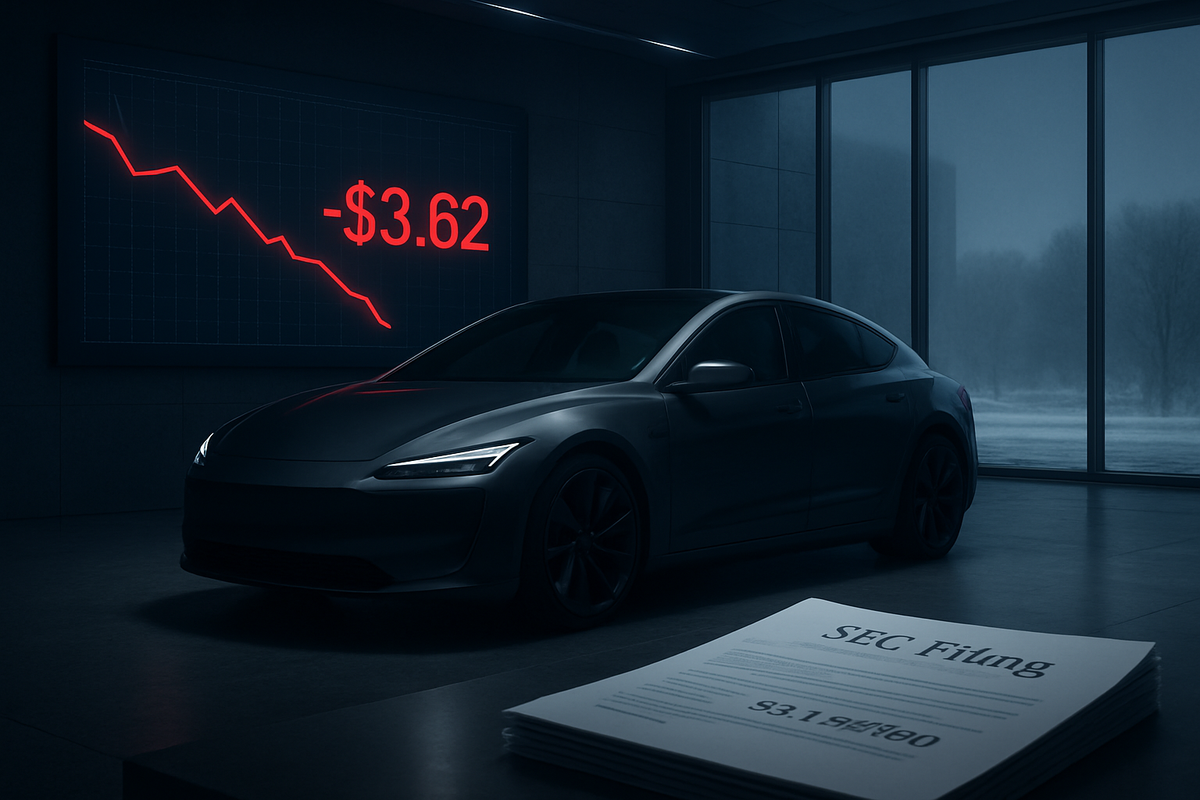
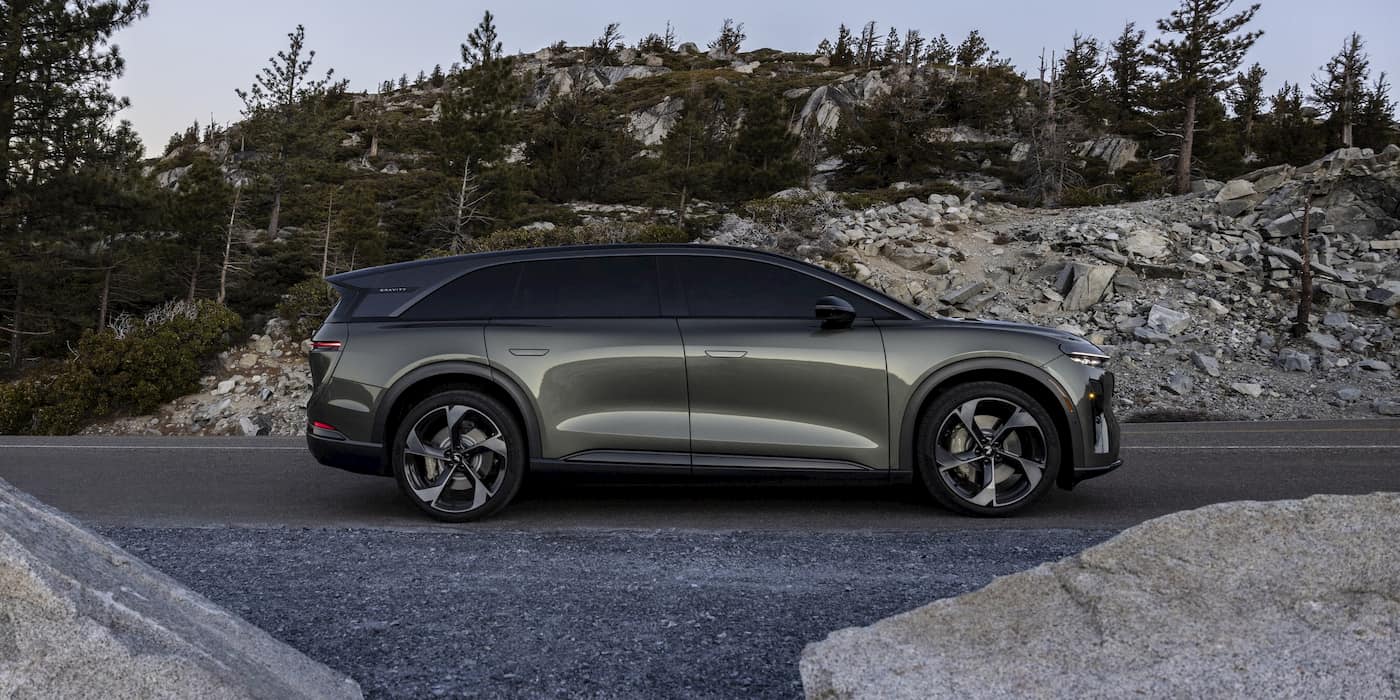
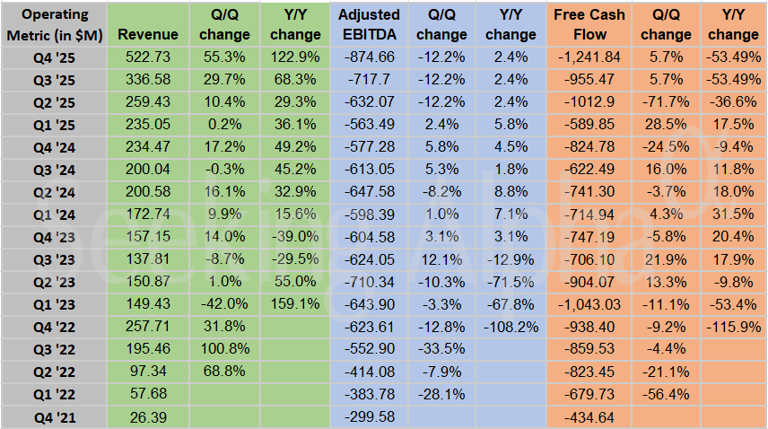
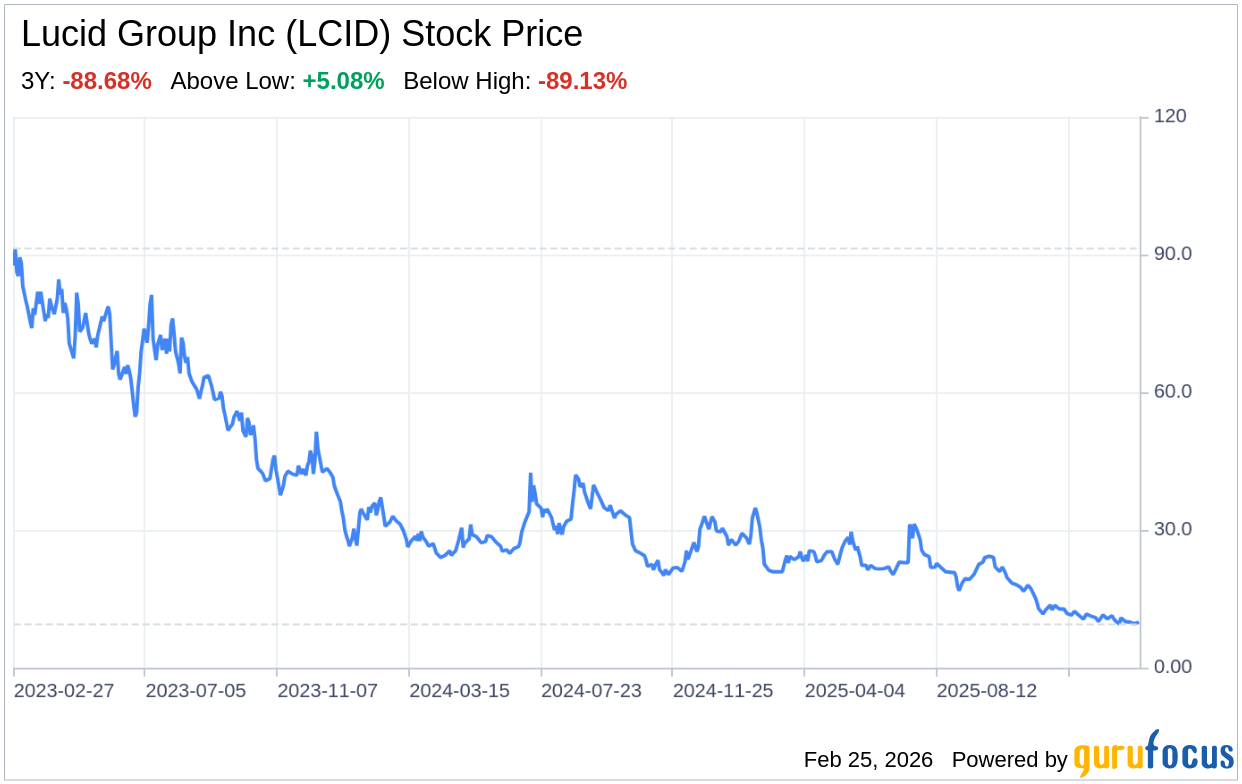
Lucid Motors reported mixed fourth-quarter 2025 results on February 24, 2026, missing earnings expectations ($3.62 loss per share vs. $2.62 expected) while beating revenue estimates ($523M vs. $468M projected, a 12% beat). The electric vehicle manufacturer's full-year 2025 revenue reached $1.35 billion with a 68% increase year-over-year, though the company reported a $2.7 billion net loss. Despite operational challenges including a 12% U.S. workforce reduction and production revisions (17,840 units vs. 18,378 planned), Lucid announced an ambitious 2026 production target of 25,000-27,000 units—a 40-51% increase—with the Gravity SUV accounting for majority production alongside the Air sedan.
For e-commerce sellers, this earnings report signals significant indirect market opportunities. The EV market's expansion creates cascading demand across multiple product categories: automotive accessories (floor mats, protective covers, cargo organizers), charging infrastructure (home charger cables, portable power banks, charging station signage), and vehicle maintenance products (specialized cleaning supplies, interior protection kits). Lucid's planned 2026 production ramp-up of 25,000-27,000 vehicles represents approximately 40,000-50,000 potential accessory purchases if each vehicle owner purchases 1-2 complementary products during the first 12 months of ownership. This translates to a $8-15 million addressable market for cross-border sellers specializing in EV-related merchandise.
Market sentiment and consumer behavior shifts accompany Lucid's growth trajectory. The company's $4.6 billion liquidity position and planned launch of a less expensive midsize vehicle at year-end 2026 indicate market expansion beyond luxury segments. This democratization of EV ownership typically drives increased aftermarket spending as new vehicle owners seek customization, protection, and enhancement products. Interim CEO Marc Winterhoff's emphasis on "healthy, but not outrageous" growth acknowledges broader EV sector slowdowns, yet Lucid's specific production targets suggest confidence in capturing market share. Sellers should monitor the March 12, 2026 investor day announcement for additional strategic clarity on distribution channels, retail partnerships, and supply chain expansion that could create B2B opportunities for component suppliers and logistics providers.
Operational efficiency improvements and workforce restructuring indicate margin pressure across the EV supply chain. The 12% salaried workforce reduction signals cost-cutting measures that may extend to supplier negotiations and component sourcing. Sellers offering supply chain solutions, inventory management software, or logistics optimization tools targeting automotive manufacturers face increased demand. Additionally, Lucid's robotaxi initiative launch in 2026 creates emerging opportunities in fleet management software, vehicle tracking systems, and autonomous vehicle accessories—categories currently underdeveloped on mainstream e-commerce platforms.
Questions 8
What does Lucid's planned midsize vehicle launch mean for cross-border sellers?
Lucid's announcement of a less expensive midsize vehicle launching at year-end 2026 signals market expansion beyond luxury segments, typically driving higher accessory attachment rates among price-conscious buyers. Midsize EV owners historically spend 15-25% more on aftermarket customization compared to luxury segment owners, seeking value-added enhancements. This expansion creates opportunities for sellers offering budget-friendly accessories, DIY installation kits, and protective products. Cross-border sellers should prepare inventory of mid-range charging solutions, basic maintenance kits, and aesthetic upgrades (trim covers, seat protectors, floor liners) targeting the anticipated 10,000-15,000 midsize vehicle sales in 2026-2027. The lower price point also attracts first-time EV buyers with higher education levels, increasing demand for tech-integrated accessories and smart charging solutions.
How does Lucid's $4.6 billion liquidity position affect supply chain opportunities?
Lucid's substantial $4.6 billion cash position indicates aggressive investment in manufacturing capacity, supply chain expansion, and component sourcing for the 2026 production ramp. This capital deployment typically creates B2B opportunities for sellers offering supply chain solutions, inventory management software, logistics optimization, and component distribution services. Sellers specializing in automotive parts distribution, warehouse management systems, or 3PL services should target Lucid's supplier network expansion. Additionally, the company's emphasis on gross margin improvements through operational efficiency suggests increased demand for cost-reduction solutions, automation tools, and supplier collaboration platforms. Sellers with expertise in automotive supply chain digitalization can position themselves as solution providers to Lucid's expanding supplier ecosystem.