


The Anatomy of State-Sponsored Erasure: Syria's Systematic Cover-Up of Mass Atrocities
- Unveiling the Mechanisms of Institutional Concealment and the Ongoing Quest for Historical Accountability




Overview
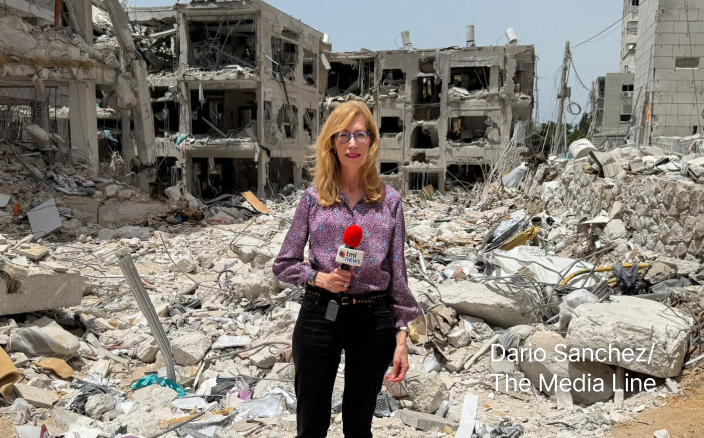
The systematic dismantling of historical evidence represents a chilling blueprint of authoritarian power manipulation. In the aftermath of Assad's regime, a disturbing narrative emerges of meticulously engineered historical erasure that goes far beyond typical state suppression.
Institutional Manipulation at Scale reveals a horrifying precision in covering up human rights violations. The regime's approach was not merely about silencing dissent, but constructing an elaborate infrastructure of denial. Between 2018 and 2021, top security officials developed a multi-layered strategy of document manipulation that transformed bureaucratic records into instruments of concealment. By doctoring official paperwork, omitting detainee identification details, and fabricating prisoner confessions, they created a legal camouflage for mass deaths.
The scale is staggering: over 100,000 people disappeared under Assad's regime, making this the largest forced disappearance system since Nazi Germany. What distinguishes this case is the regime's initial meticulousness—security agencies maintained exhaustive records that later became their most significant vulnerability. The Caesar photographs, smuggled out in 2014, represented a critical breakthrough, with 6,000 images exposing tortured bodies from secret prisons and submitted to the UN Security Council.
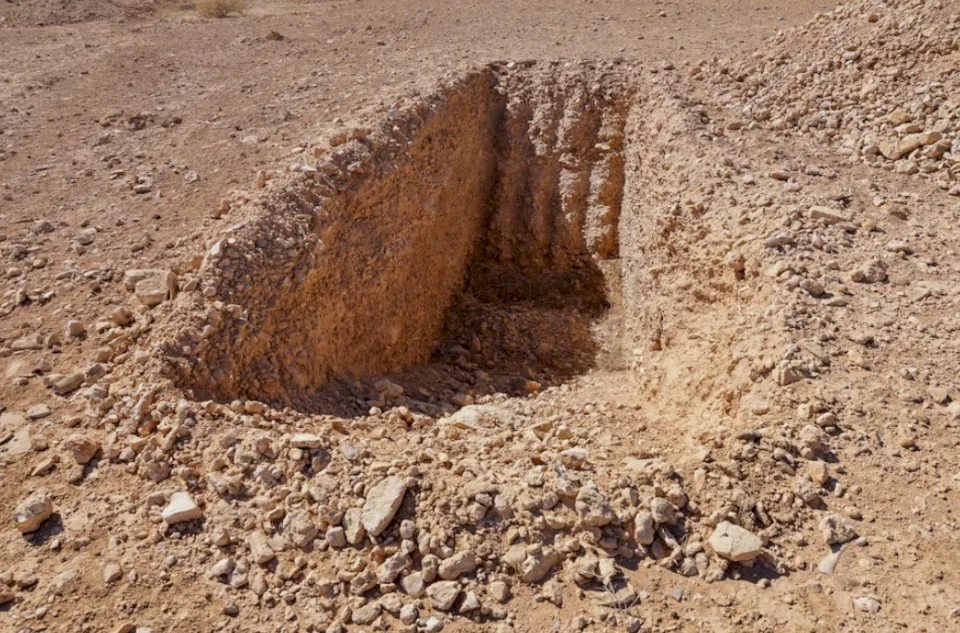
Forensic Reconstruction and Accountability now emerge as critical post-conflict challenges. The Syrian Network for Human Rights reports 181,000 people remain unaccounted for, with hundreds of potential mass grave sites. The National Commission for Missing Persons plans systematic exhumations in 2027, signaling a long-term commitment to uncovering truth. Reconstruction costs are estimated at $216 billion—a financial manifestation of the regime's systematic destruction.
The implications extend far beyond Syria. This case study demonstrates how authoritarian regimes weaponize bureaucratic processes, transforming administrative systems into tools of historical manipulation. For international observers, policymakers, and human rights advocates, Syria represents a critical lens into the mechanics of institutional violence and the challenging path toward genuine accountability.
Questions 4
How extensive was the Assad regime's systematic cover-up of human rights violations?
The regime's cover-up was unprecedented in scale, involving over 100,000 forced disappearances. They developed a sophisticated system of document manipulation, including doctoring official paperwork, omitting detainee identification, and fabricating prisoner confessions to legally camouflage mass deaths.
What evidence exposed the regime's human rights violations?
The Caesar photographs were a critical breakthrough. In 2014, a military photographer smuggled out 6,000 images showing tortured bodies from secret prisons, which were subsequently submitted to the UN Security Council, providing irrefutable visual evidence of systematic torture and killings.