






Museum Security Crisis Drives €102M Heist Recovery | Tourism & Luxury Goods Market Impact
- €102 million jewelry heist exposes institutional vulnerabilities affecting 8.7M annual visitors and France's €60B+ tourism sector; security infrastructure overhaul signals demand surge for museum-grade CCTV, cybersecurity, and heritage protection products








































Overview
The Louvre Museum's appointment of Christophe Leribault as director on February 25, 2026, following Laurence des Cars' resignation, represents a critical institutional reset addressing a €102 million jewelry heist in October 2025 and systemic operational failures. This leadership transition carries significant implications for cross-border sellers in security technology, heritage preservation, and tourism-adjacent product categories.
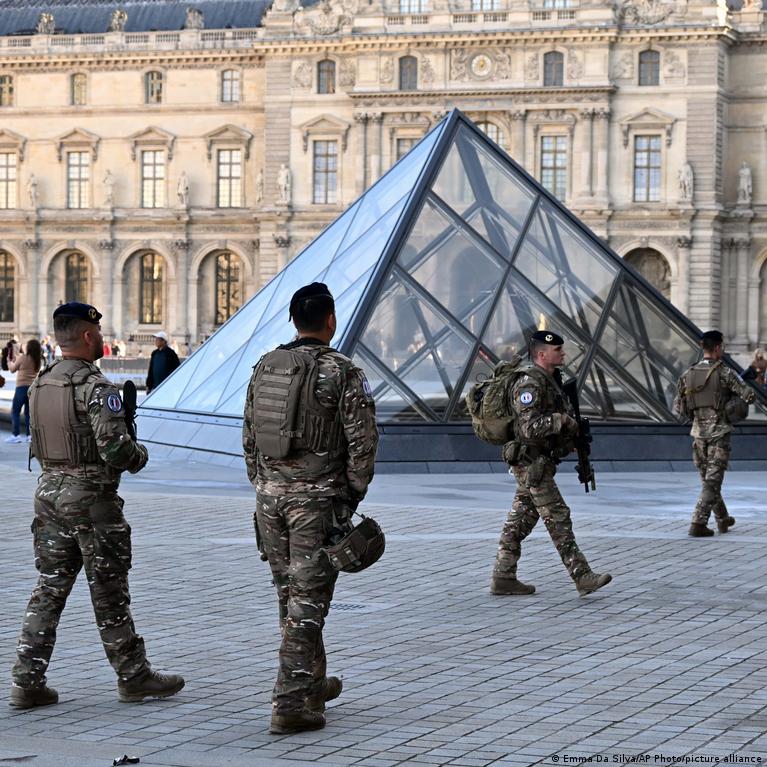
Market Context and Seller Opportunities: The Louvre's crisis—involving a €102M theft, €10M ticket fraud scheme, staff strikes since mid-December 2025, and water damage—reveals massive infrastructure gaps affecting one of the world's most-visited museums (8.7M annual visitors). A state auditor's report found only 39 rooms had CCTV coverage, triggering a comprehensive security modernization mandate. This institutional overhaul signals substantial procurement demand across multiple seller categories: enterprise-grade surveillance systems, cybersecurity solutions (addressing drone overflights and digital threats), infrastructure repair materials, and heritage preservation products. The €8M philanthropic funding Leribault secured at Versailles demonstrates France's commitment to capital investment in cultural institution upgrades.
Seller Category Implications: Security technology sellers face immediate opportunities in CCTV systems, access control, and monitoring infrastructure—estimated €15-25M modernization budget for the Louvre alone. Heritage preservation sellers (restoration materials, climate control systems, conservation supplies) benefit from the auditor's recommendation to redirect spending toward infrastructure upgrades. Tourism-adjacent sellers (museum merchandise, educational materials, commemorative products) should monitor visitor recovery timelines, as facility closures and reputational damage impact the 8.7M annual visitor base. Cybersecurity vendors can position solutions addressing emerging threats like drone surveillance and digital fraud prevention—critical given the €10M decade-long ticket fraud exposure.
Operational and Compliance Signals: The crisis reflects broader institutional pressures facing large-scale cultural venues across Europe. Union demands for "transparent leadership direction and adequate funding" (per CFDT-Culture) indicate that facility operators will increasingly prioritize vendor partnerships offering comprehensive solutions rather than point products. The 2,200-employee workforce restructuring suggests demand for HR management systems, training platforms, and operational efficiency tools. Sellers should monitor France's cultural institution procurement cycles, as this Louvre overhaul may trigger similar security audits and modernization initiatives across European museums, galleries, and heritage sites—potentially unlocking €500M+ in regional procurement opportunities over 24-36 months.
Risk and Timeline Considerations: The museum's recovery trajectory directly impacts Paris tourism revenue and international confidence in French cultural institutions. Leribault's track record (€8M fundraising at Versailles, Olympic event management) suggests aggressive implementation timelines. Sellers should expect accelerated procurement cycles through Q2-Q4 2026, with potential for extended contracts as the institution transitions to modernized operations. However, reputational recovery remains uncertain—visitor numbers may decline 15-25% during the transition period, affecting tourism-dependent product categories.
Questions 8
What timeline should sellers expect for Louvre-related procurement and market opportunities?
The institutional reform timeline follows this pattern: Q1-Q2 2026 (immediate crisis period)—security audits and emergency assessments; Q2-Q3 2026 (planning phase)—procurement planning and vendor selection; Q3 2026-Q2 2027 (implementation phase)—major infrastructure contracts and system installations; Q2-Q4 2027 (recovery phase)—visitor confidence restoration and souvenir demand recovery. Sellers should begin positioning products and services immediately for Q2-Q3 2026 procurement cycles. B2B sellers should register on French government tender platforms by March 2026 to capture early-stage contracts. Consumer sellers (merchandise, replicas) should prepare inventory for Q3 2026 demand surge when media attention peaks and tourism recovery begins. The 18-36 month modernization timeline suggests sustained market opportunities through 2028.
How does the €10M ticket fraud exposure impact digital security product demand?
The decade-long €10M ticket fraud scheme reveals critical vulnerabilities in the Louvre's digital systems and transaction monitoring. This creates immediate demand for fraud detection platforms, point-of-sale security systems, and transaction monitoring software. Sellers offering solutions addressing ticketing fraud, revenue leakage prevention, and financial system security can position products as essential for institutional recovery. The exposure suggests European museums will audit similar vulnerabilities, expanding market opportunities for fraud prevention technology across the cultural institution sector.