

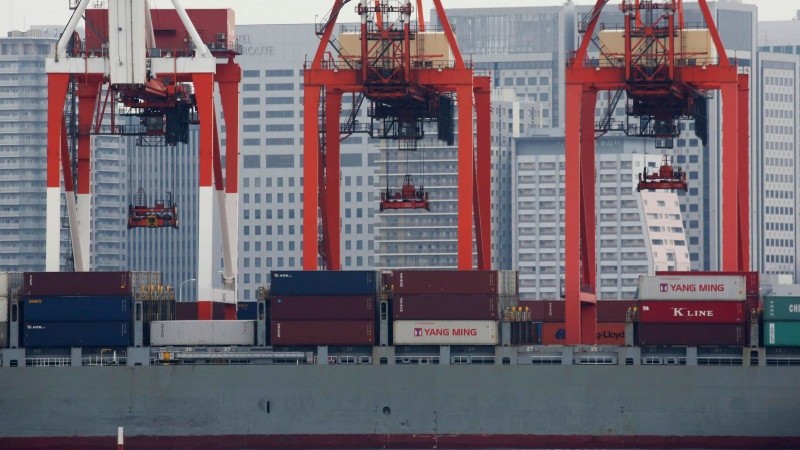

China's $1 Trillion Trade Surplus Reshapes Global Economic Landscape
- Strategic export redirection signals new era of global market adaptation



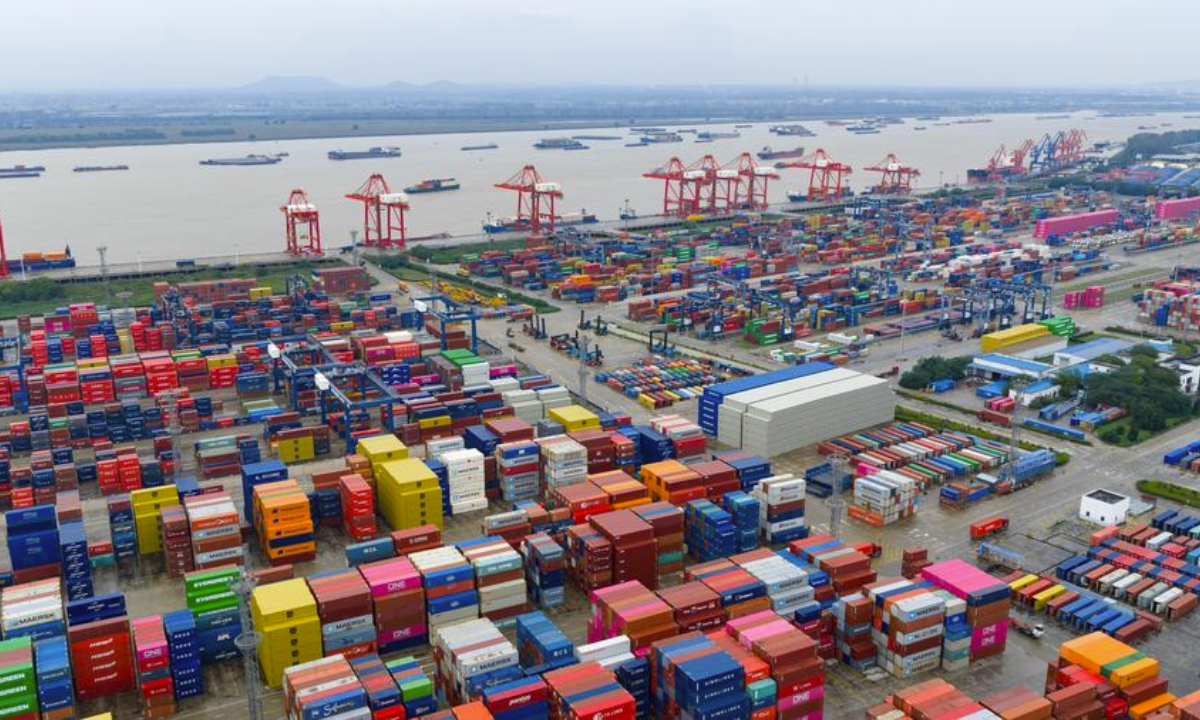


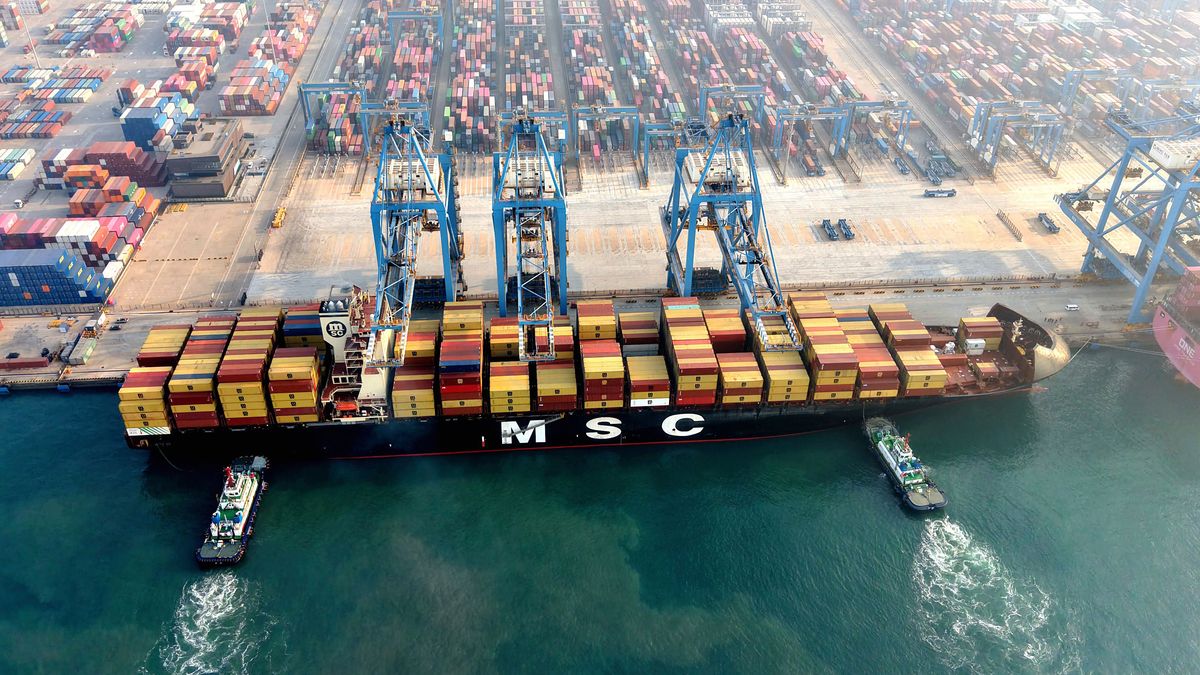














Overview
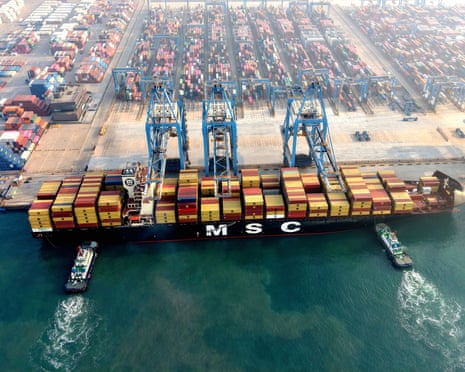
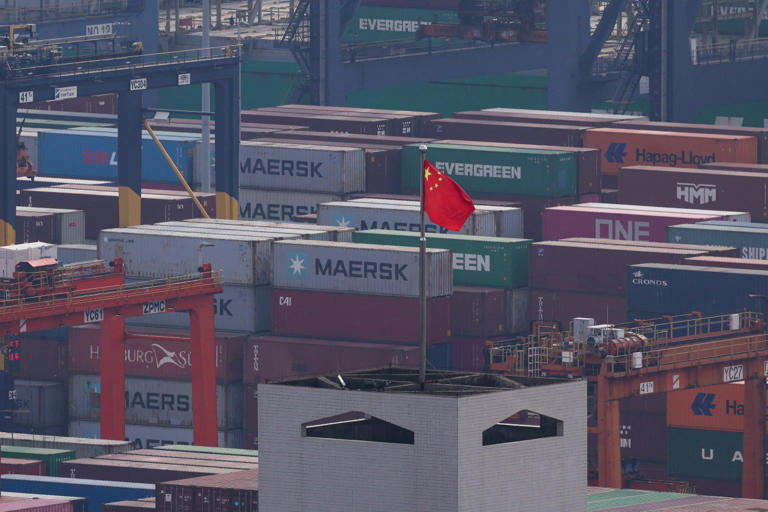
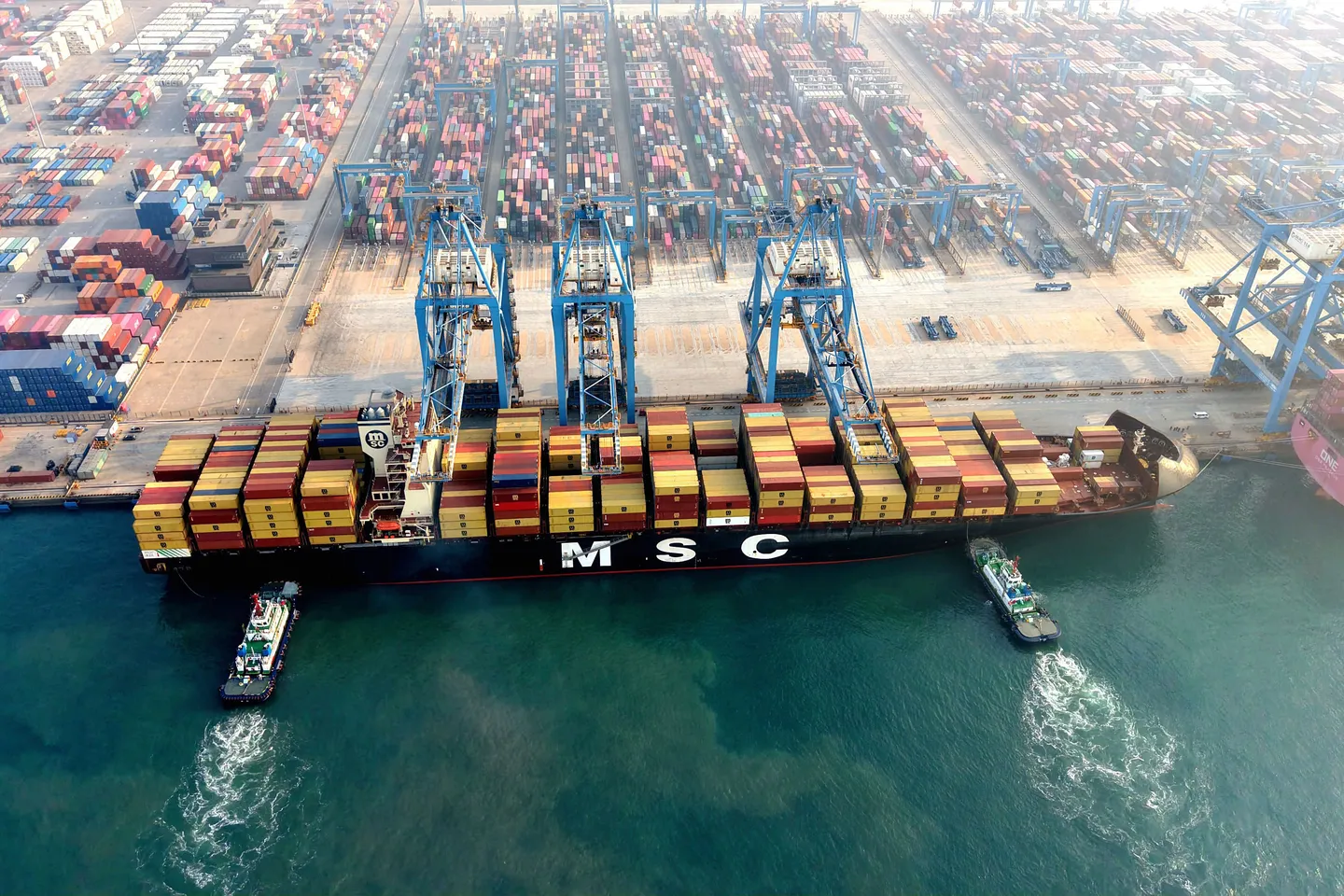
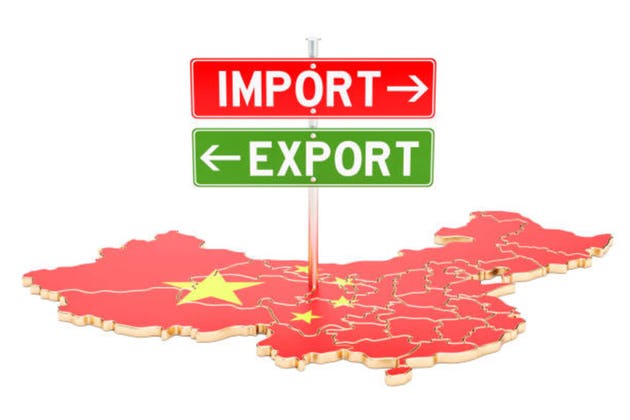
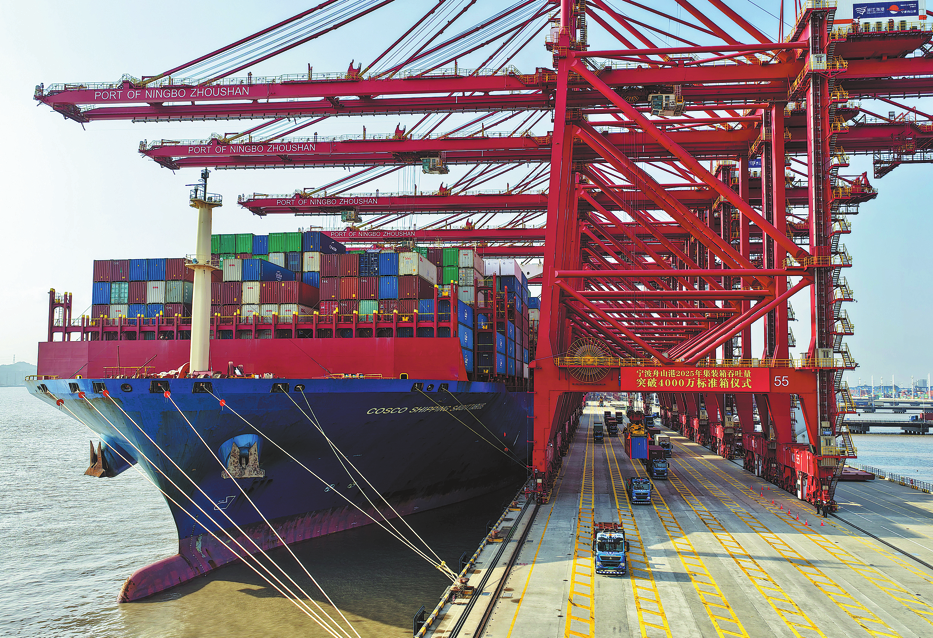
In a remarkable display of economic resilience, China's trade dynamics are undergoing a profound transformation that extends far beyond mere statistical achievement. The country's unprecedented $1.08 trillion trade surplus represents more than a numerical milestone—it's a strategic reconfiguration of global economic architecture.
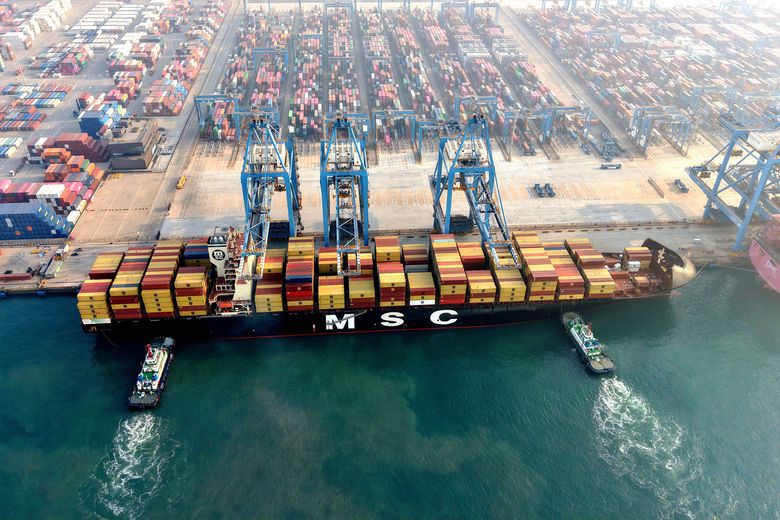
Geopolitical market redirection emerges as the core narrative. Despite a 29% plunge in US-bound shipments, Chinese exporters have demonstrated extraordinary adaptability by pivoting to alternative markets. Southeast Asia, Africa, Latin America, and the European Union have become critical absorption zones for Chinese exports, effectively neutralizing potential US trade restrictions.
The export resilience is particularly noteworthy in high-value manufacturing sectors. Morgan Stanley's projection of China increasing global export market share from 15% to 16.5% by 2030 underscores a long-term strategic vision. Advanced manufacturing, electric vehicles, robotics, and battery technologies are not just product categories—they're geopolitical chess pieces positioning China at the forefront of next-generation industrial capabilities.
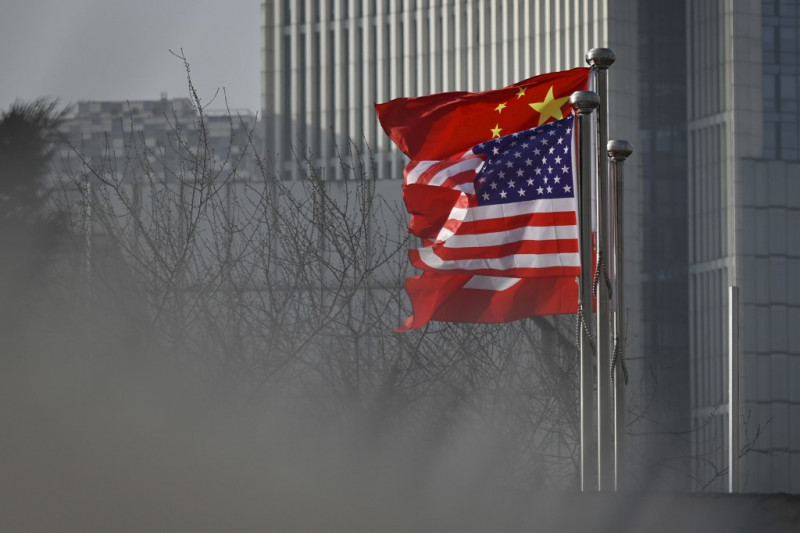
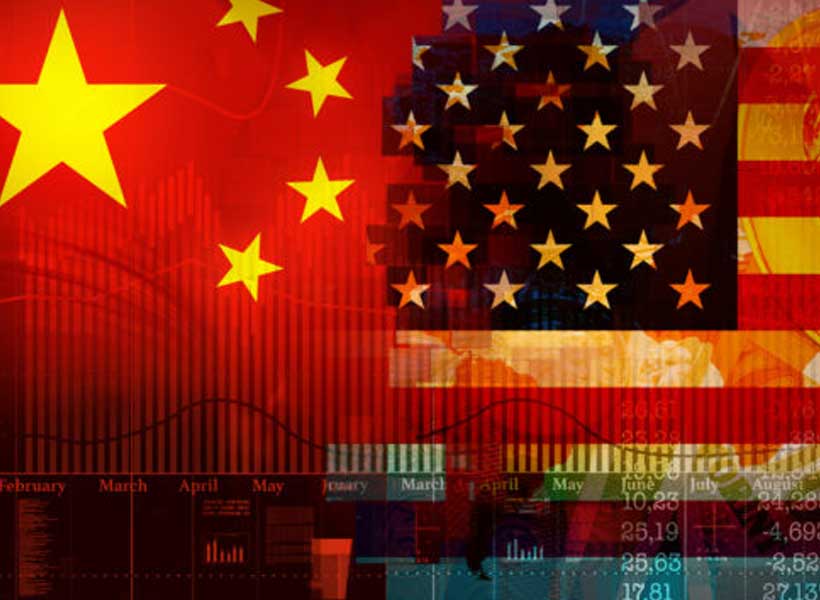
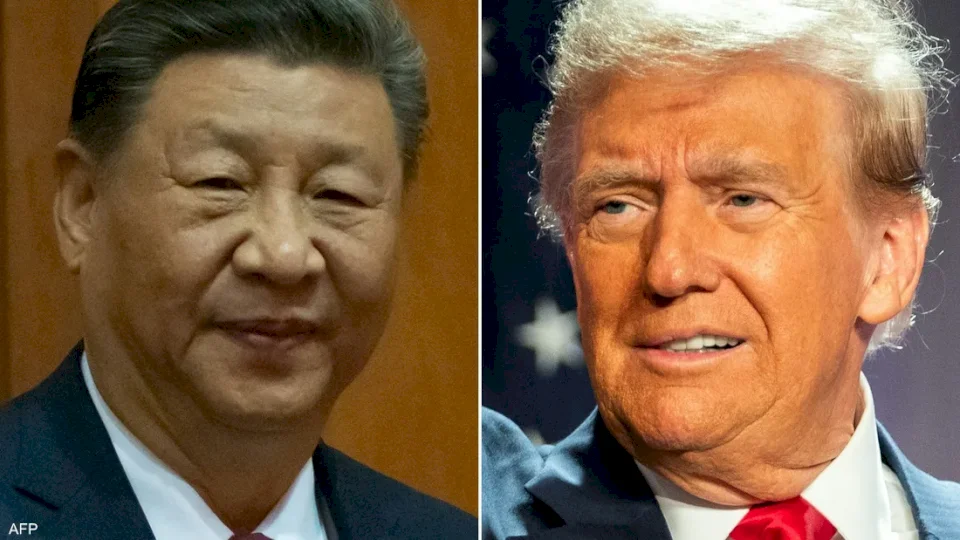
The recent US-China trade truce, negotiated between Presidents Trump and Xi Jinping, signals a nuanced diplomatic recalibration. While tariff reductions and rare earth export controls have been temporarily moderated, the underlying structural shifts remain profound. Economists caution that the full impact of this agreement may take months to materialize, suggesting a complex, multi-layered negotiation landscape.
For international traders and cross-border e-commerce platforms, this represents a critical inflection point. The data reveals not just stable supply chains, but competitive production ecosystems that can rapidly adapt to geopolitical pressures. Chinese manufacturers are demonstrating an unprecedented capacity to absorb external shocks while maintaining robust export performance.
The global trade environment remains intricate and dynamic. As BNP Paribas strategist Chi Lo notes, the current trade stability is unlikely to be permanent. Yet, China's ability to maintain a $1 trillion trade surplus amid significant global uncertainties speaks to a deeper structural advantage—a combination of strategic planning, manufacturing flexibility, and geopolitical maneuvering.
Questions 3
How sustainable is China's current export strategy?
While experts like BNP Paribas strategist Chi Lo caution that current trade stability might be temporary, Morgan Stanley predicts China will increase its global export market share from 15% to 16.5% by 2030. The sustainability depends on continued innovation in advanced manufacturing and the ability to adapt to geopolitical shifts.
How has China managed to maintain its trade surplus despite US shipping declines?
China has strategically redirected exports to alternative markets including Southeast Asia, Africa, Latin America, and the European Union. By diversifying its export destinations and focusing on high-value manufacturing sectors like electric vehicles and robotics, China has effectively mitigated the impact of reduced US-bound shipments.