


Germany-China Trade Reset Creates €90B Tariff Arbitrage Window for EU Sellers | Strategic Sourcing Shift
- €90B trade imbalance triggers policy uncertainty; sellers face 6-18 month window before tariff/compliance changes solidify across EU logistics hubs












Overview
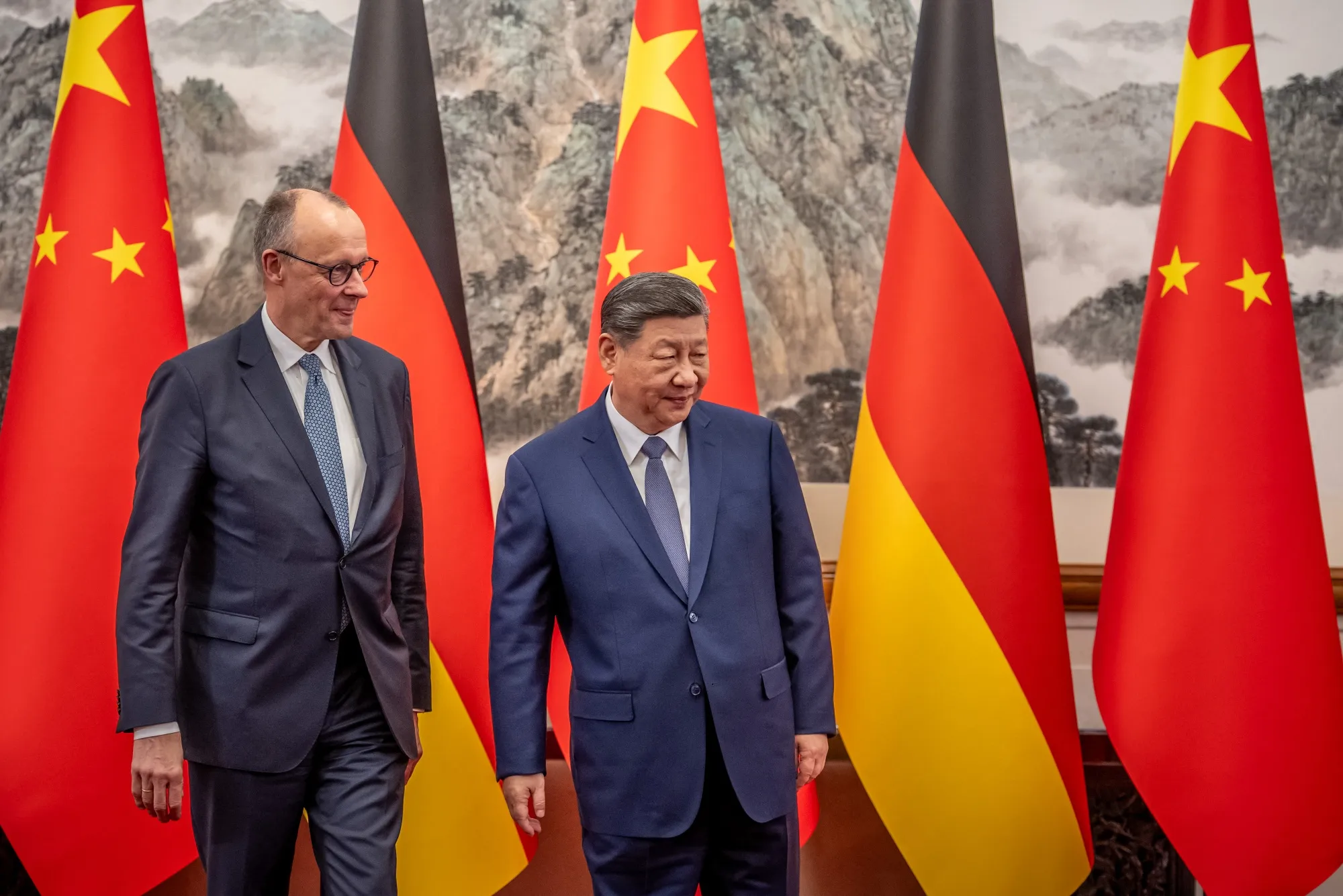
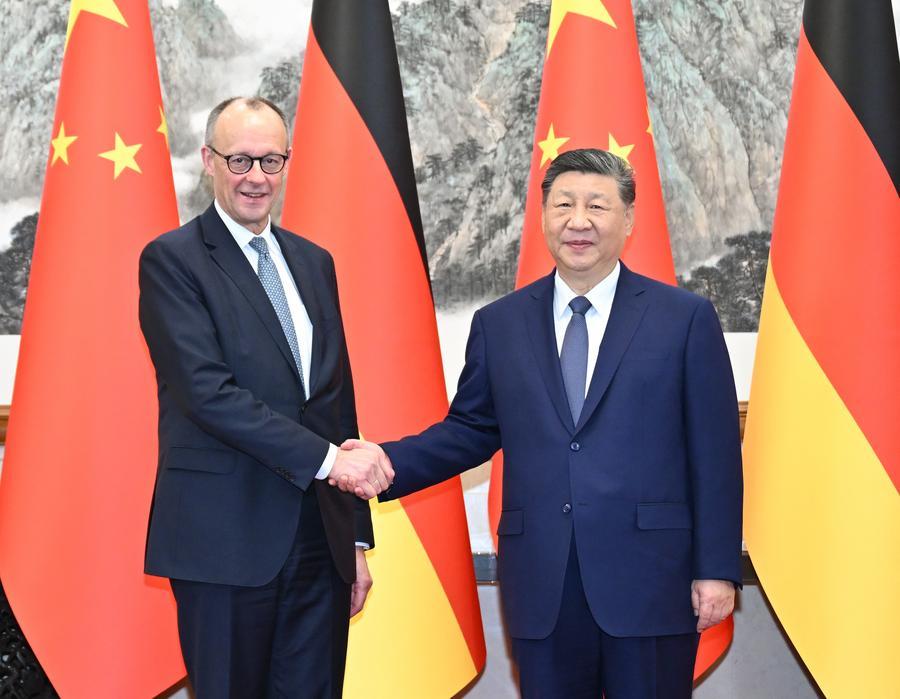
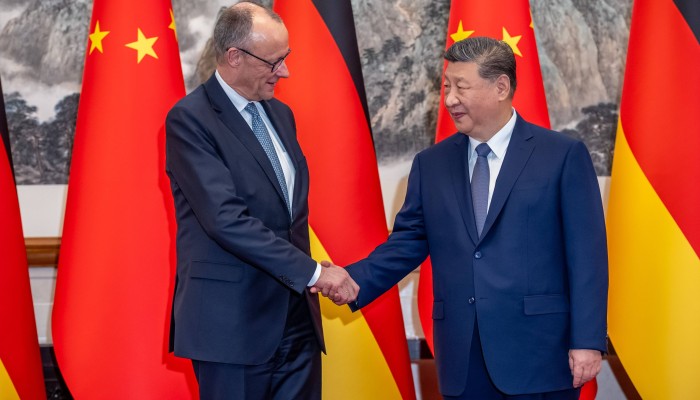
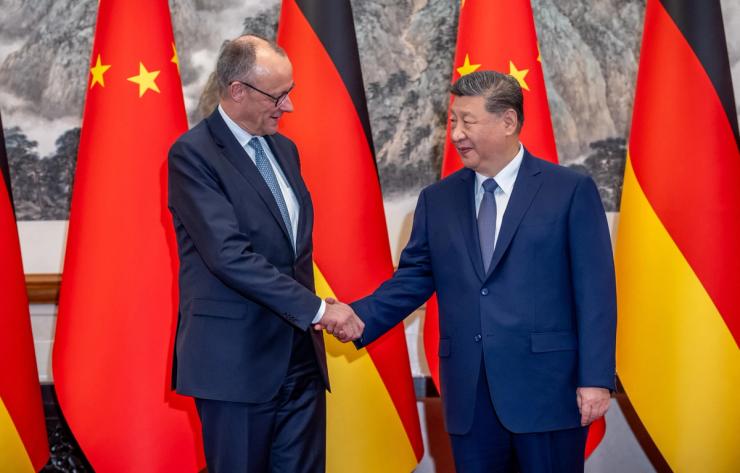
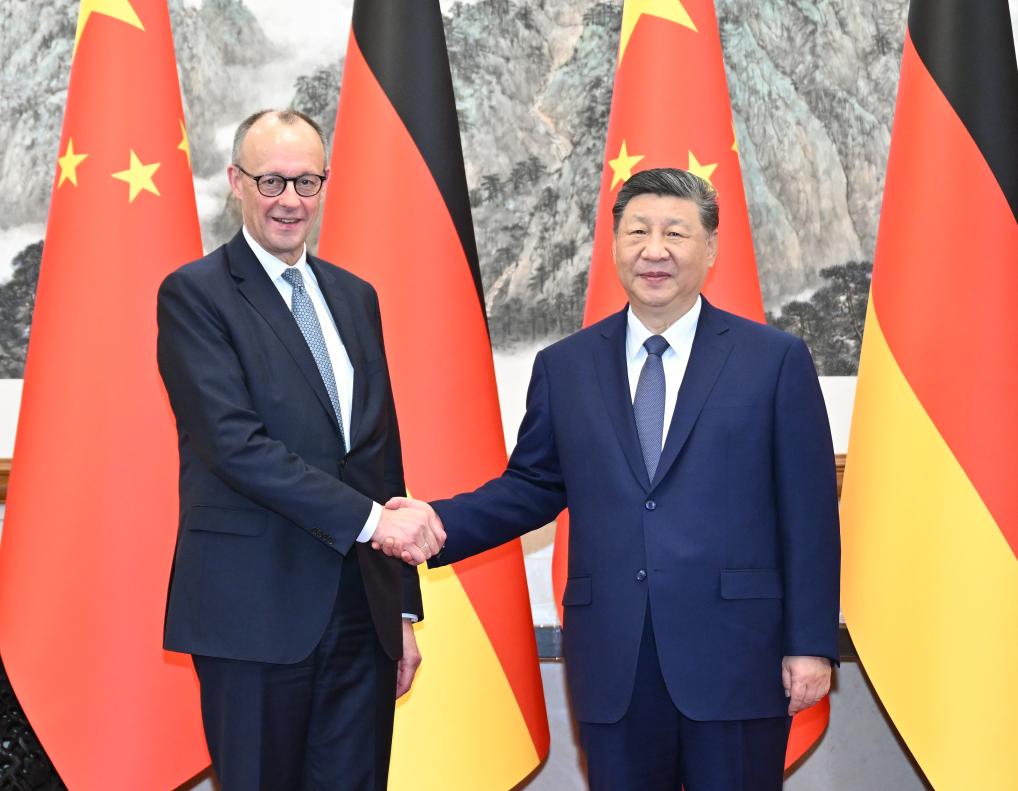
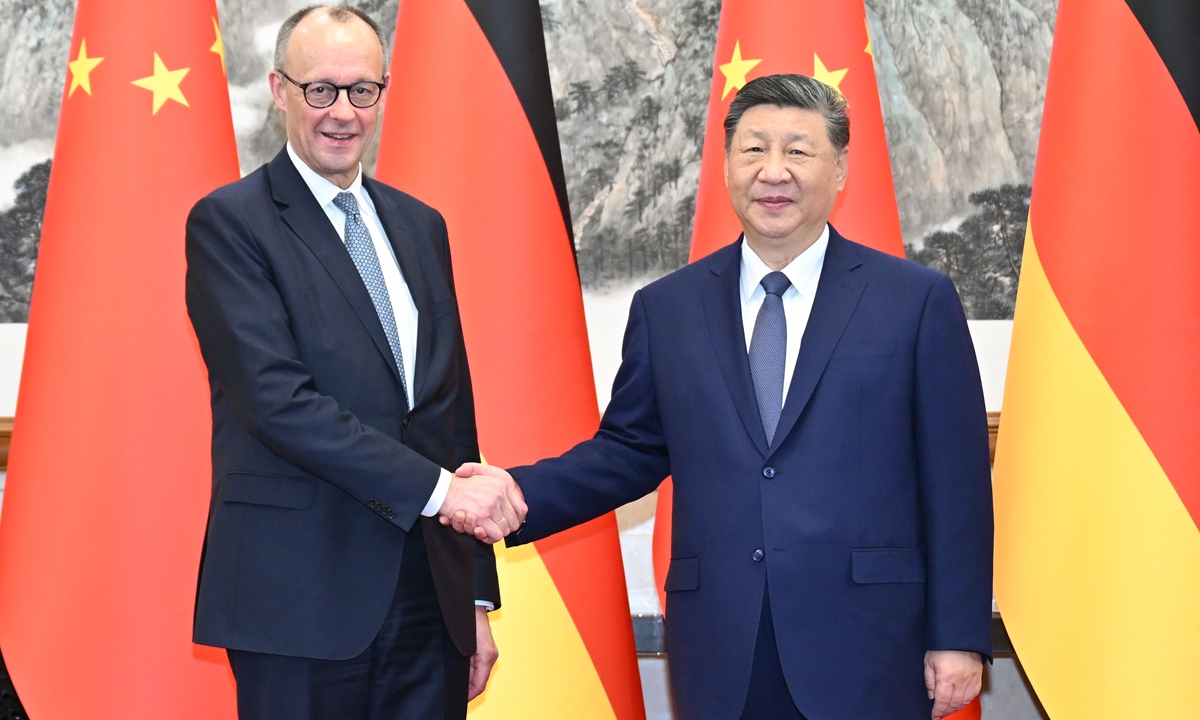
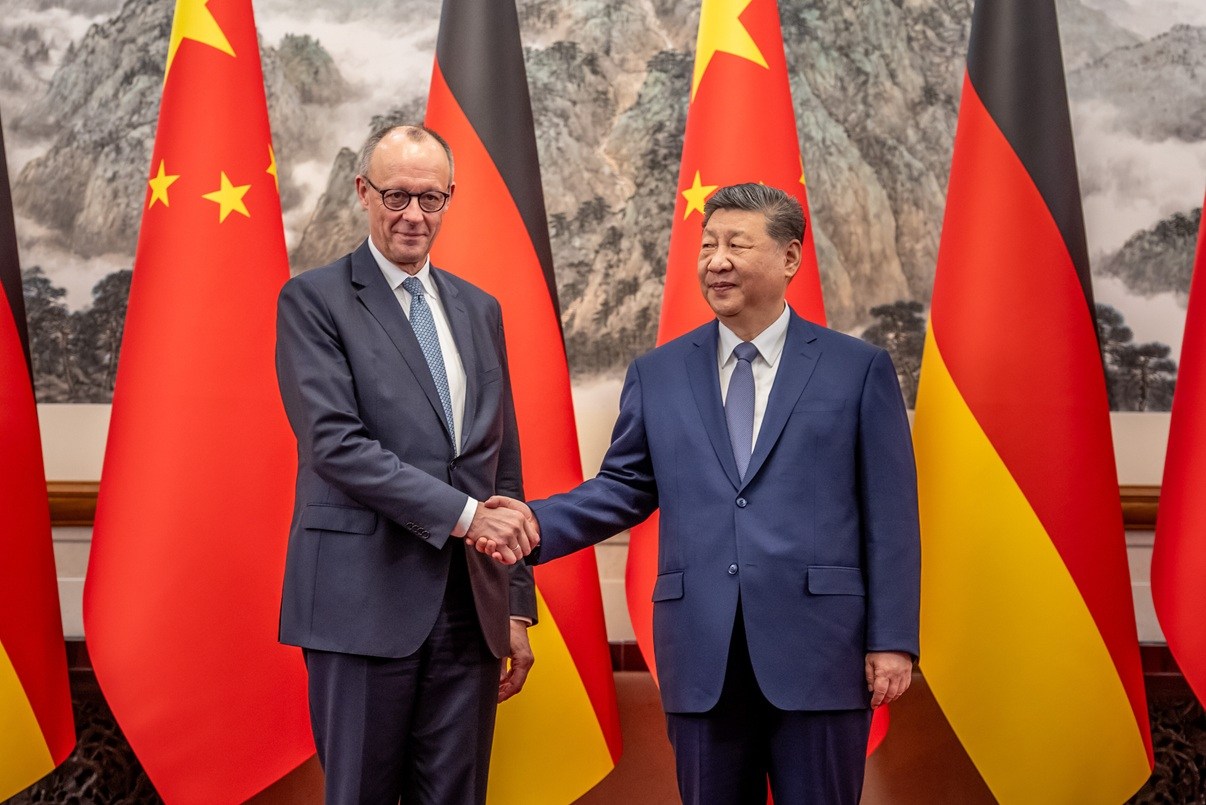
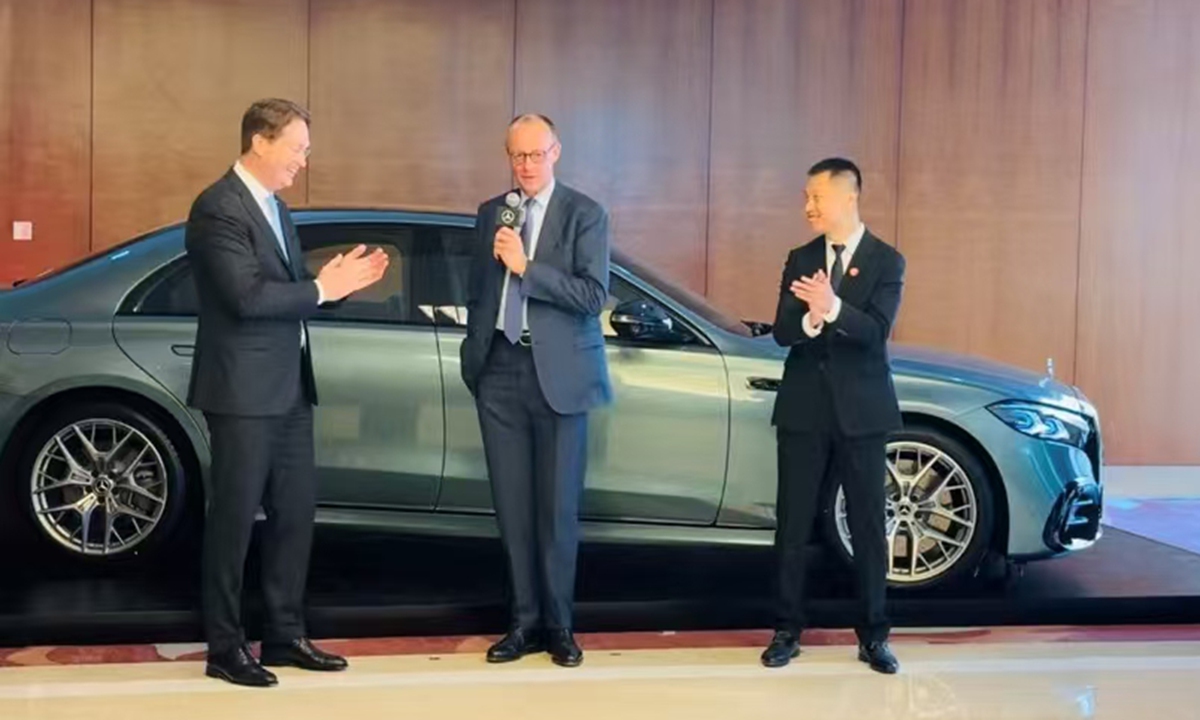
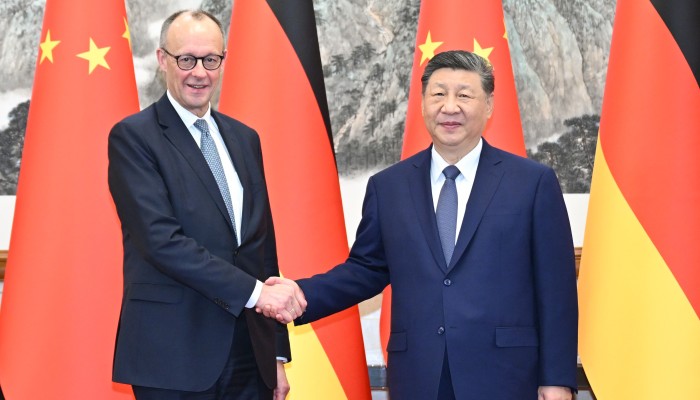
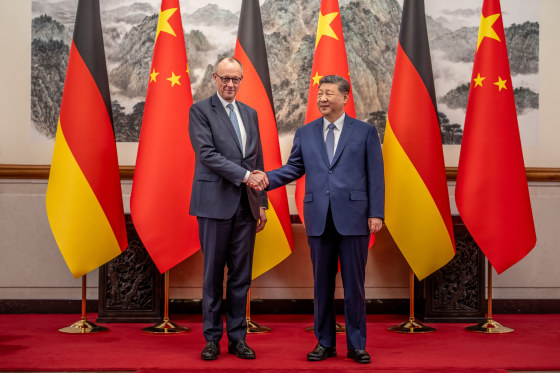
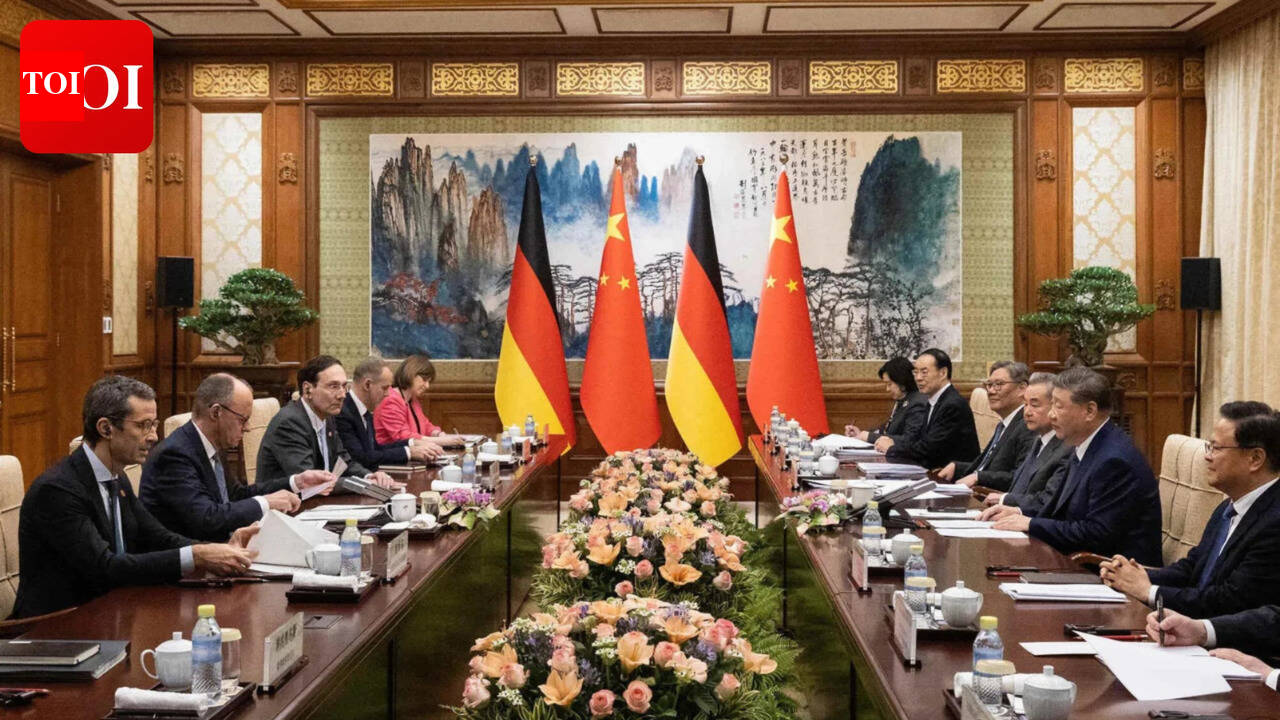
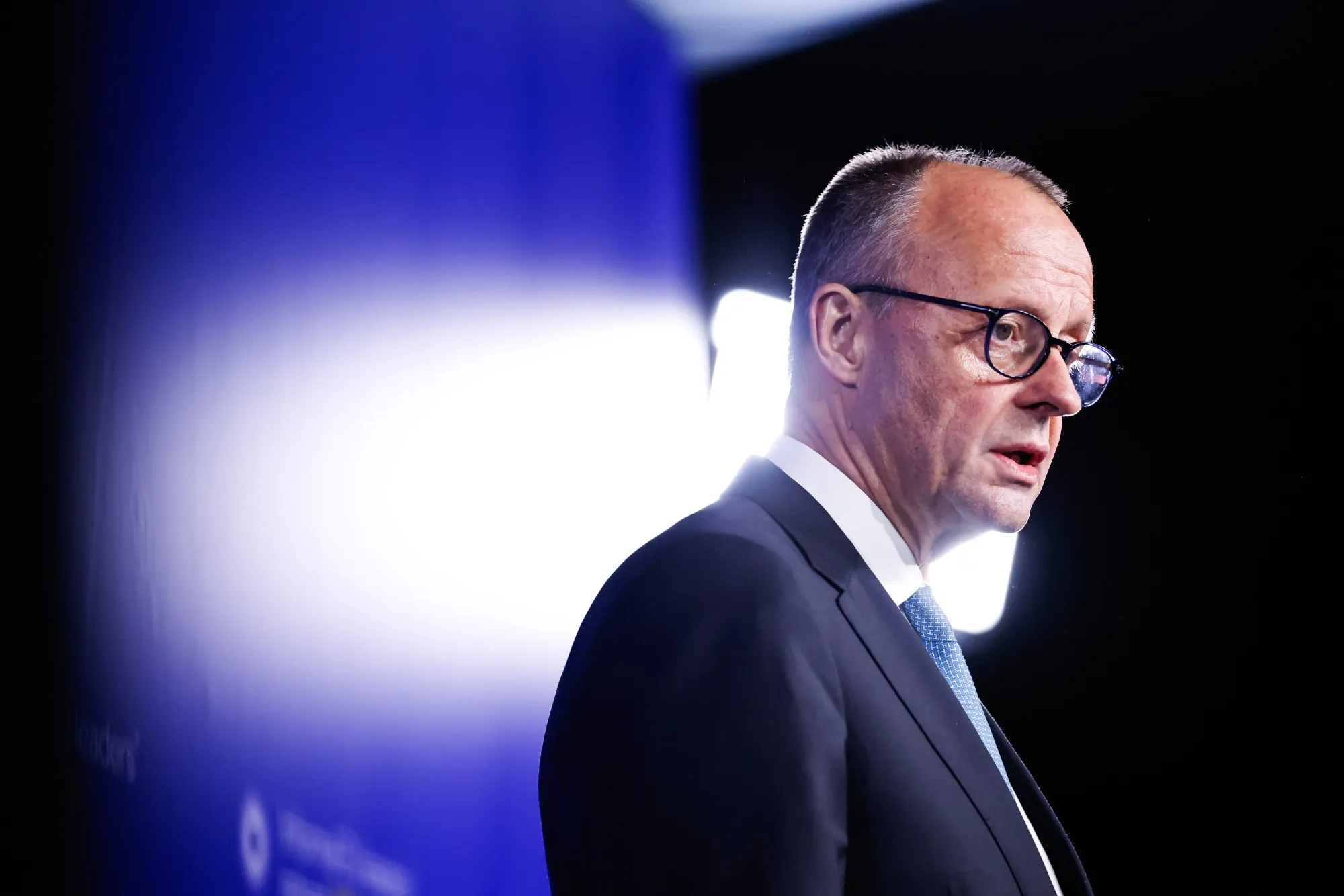
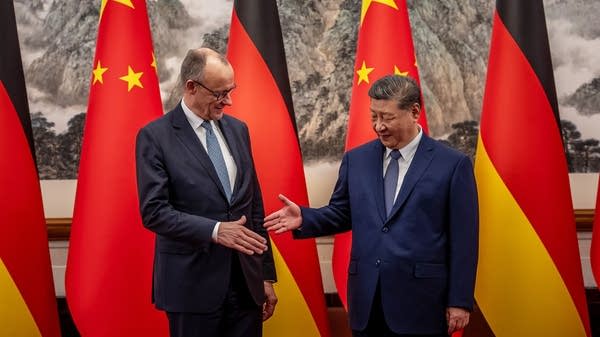
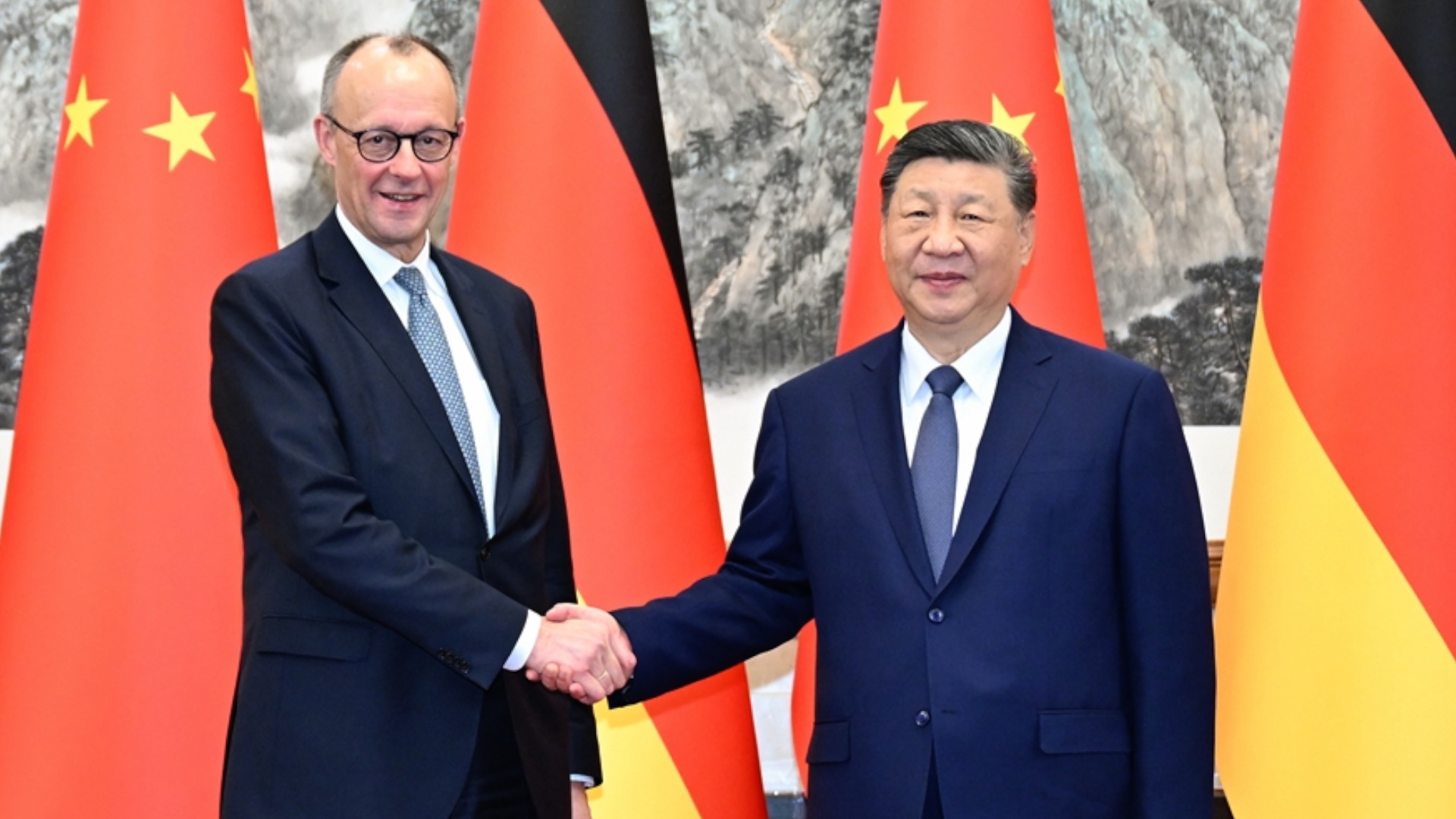
German Chancellor Friedrich Merz's February 24-25, 2026 diplomatic visits to Beijing and Washington signal a fundamental restructuring of Europe's China trade relationships, creating both immediate tariff arbitrage opportunities and long-term supply chain vulnerabilities for cross-border sellers. The €90 billion trade imbalance (fourfold increase since 2020) that Merz highlighted during his Beijing visit with 30 major German executives reflects systemic overcapacity in Chinese manufacturing—a dynamic that directly impacts pricing power for sellers sourcing from China.
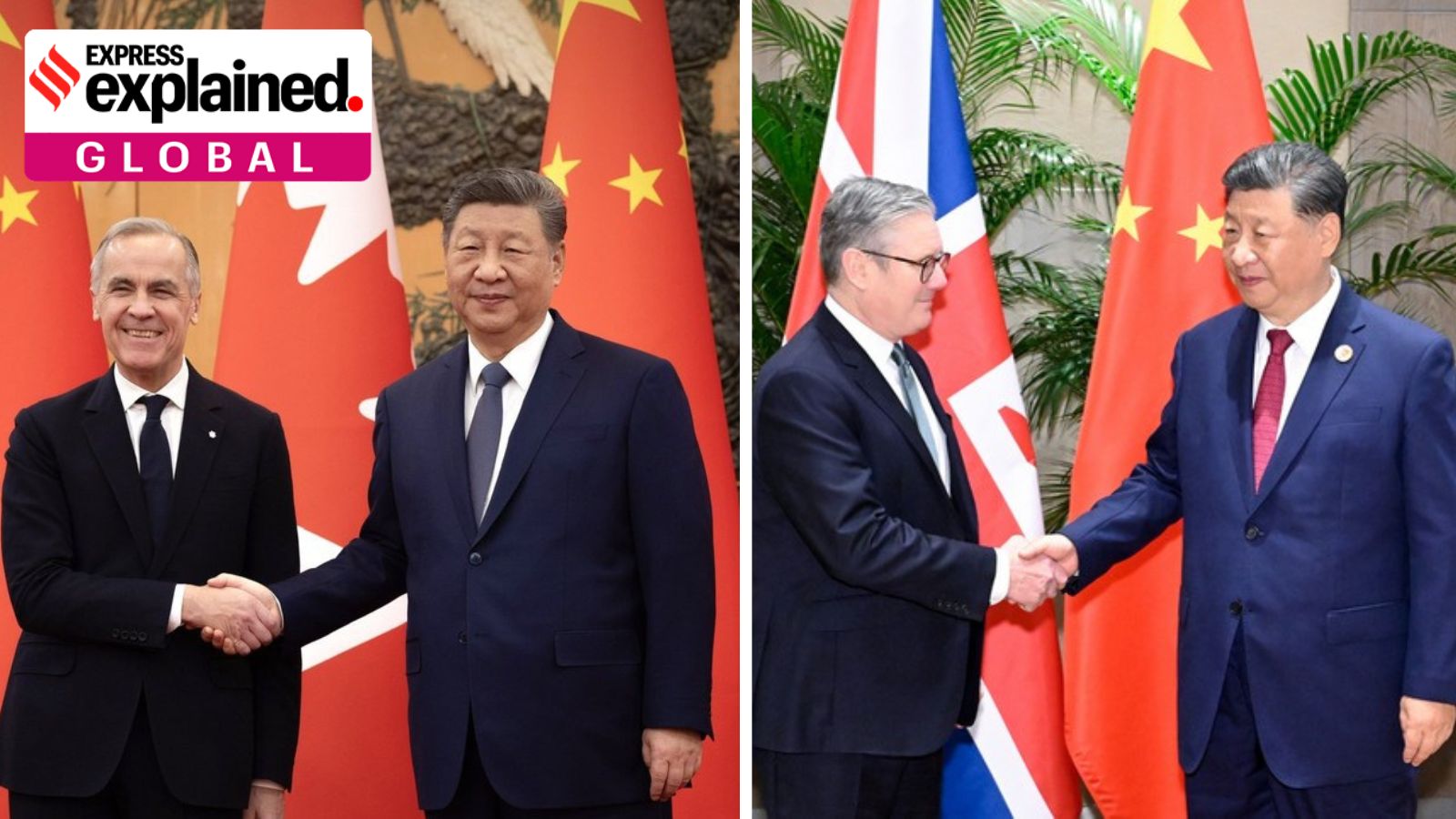
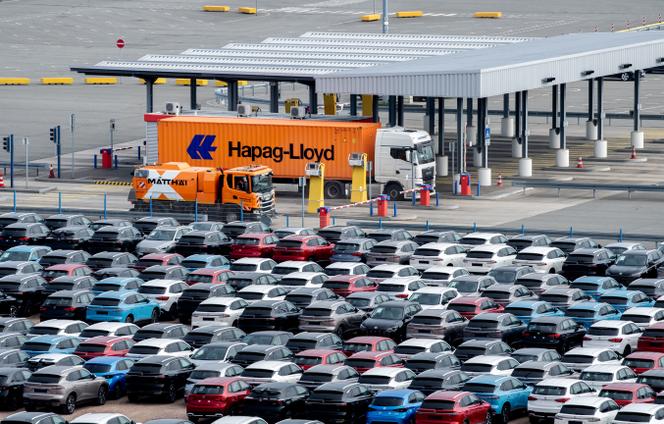
Immediate Tariff Arbitrage Opportunity (0-6 months): Germany's "gradual policy adjustment" approach (rather than dramatic shifts) creates a critical window for sellers to exploit current tariff rates before potential increases. The limited scope of agreements signed (only 5 documents vs. Canada's 8 and Britain's 12) indicates negotiations remain fluid. Sellers sourcing electronics, automotive components, chemicals, and technology products from China should accelerate Q1-Q2 2026 purchases through German distribution hubs (Frankfurt, Hamburg ports) before potential tariff escalations. Current tariff rates on HS codes 8704 (vehicles), 2710 (mineral oils), and 8517 (telecommunications equipment) remain favorable; expect 8-15% increases if Germany aligns with broader EU protectionist measures by Q3 2026.
Supply Chain Fragmentation Risk (6-18 months): The geopolitical pressure on Germany to "choose sides" between the US and China creates supply chain bifurcation risk. Sellers heavily dependent on single-source Chinese suppliers face margin compression as alternative sourcing (Vietnam, India, Mexico) commands 12-18% cost premiums. The semiconductor and rare earth material restrictions mentioned in Merz's discussions signal potential technology product category disruptions. Sellers in consumer electronics, smart home devices, and industrial components should begin diversifying sourcing by Q2 2026 to avoid Q4 2026 supply shocks.
Market Access Shifts: Germany's role as Europe's largest economy makes its trade posture influential for EU-wide policy. The Trump administration's aggressive tariff strategies create pressure for EU retaliation, potentially triggering new compliance requirements for sellers using German logistics hubs. Expect increased customs documentation complexity (3-5 additional compliance checkpoints) and potential VAT registration changes for sellers shipping through German distribution centers to other EU markets. The "frank and open dialogue" language suggests negotiations will extend through 2026, creating regulatory uncertainty that favors large sellers with compliance infrastructure over small/medium sellers.
Questions 8
What is the timeline for Germany's trade policy changes affecting cross-border sellers?
Germany's diplomatic approach emphasizes 'gradual policy adjustments rather than dramatic shifts,' indicating a 12-18 month implementation window through 2026-2027. Merz's limited agreement scope (5 documents vs. competitors' 8-12) suggests negotiations remain fluid through mid-2026. Sellers should expect: Phase 1 (Feb-June 2026): Tariff rate clarifications and compliance requirement announcements; Phase 2 (July-Sept 2026): Potential tariff increases on overcapacity categories; Phase 3 (Oct 2026-Q1 2027): Full EU policy alignment. The critical decision point occurs by June 30, 2026, when sellers must finalize sourcing strategy adjustments to avoid Q4 supply chain disruptions.
How does Germany's €90 billion trade imbalance with China affect seller tariff costs in 2026?
Germany's €90 billion imbalance (fourfold increase since 2020) signals unsustainable trade dynamics that policymakers will address through tariff adjustments. Merz's February 2026 Beijing visit acknowledged Chinese overcapacity as the primary driver, indicating potential tariff increases on affected categories. Sellers sourcing vehicles (HS 8704), chemicals (HS 2710), and electronics (HS 8517) should expect 8-15% tariff increases by Q3-Q4 2026 if Germany aligns with EU protectionist measures. The current 6-month window (February-August 2026) represents the optimal period to lock in current tariff rates before policy changes solidify. Sellers using German distribution hubs (Frankfurt, Hamburg) face the highest exposure to tariff escalation.