
)



Russia-Ukraine Conflict Escalates Energy & Logistics Costs | Cross-Border Seller Impact 2025
- Drone strikes reduce Russian oil output 250,000 barrels daily; shipping costs to EU/Hungary/Slovakia rise 8-15% through Q1 2025














Overview
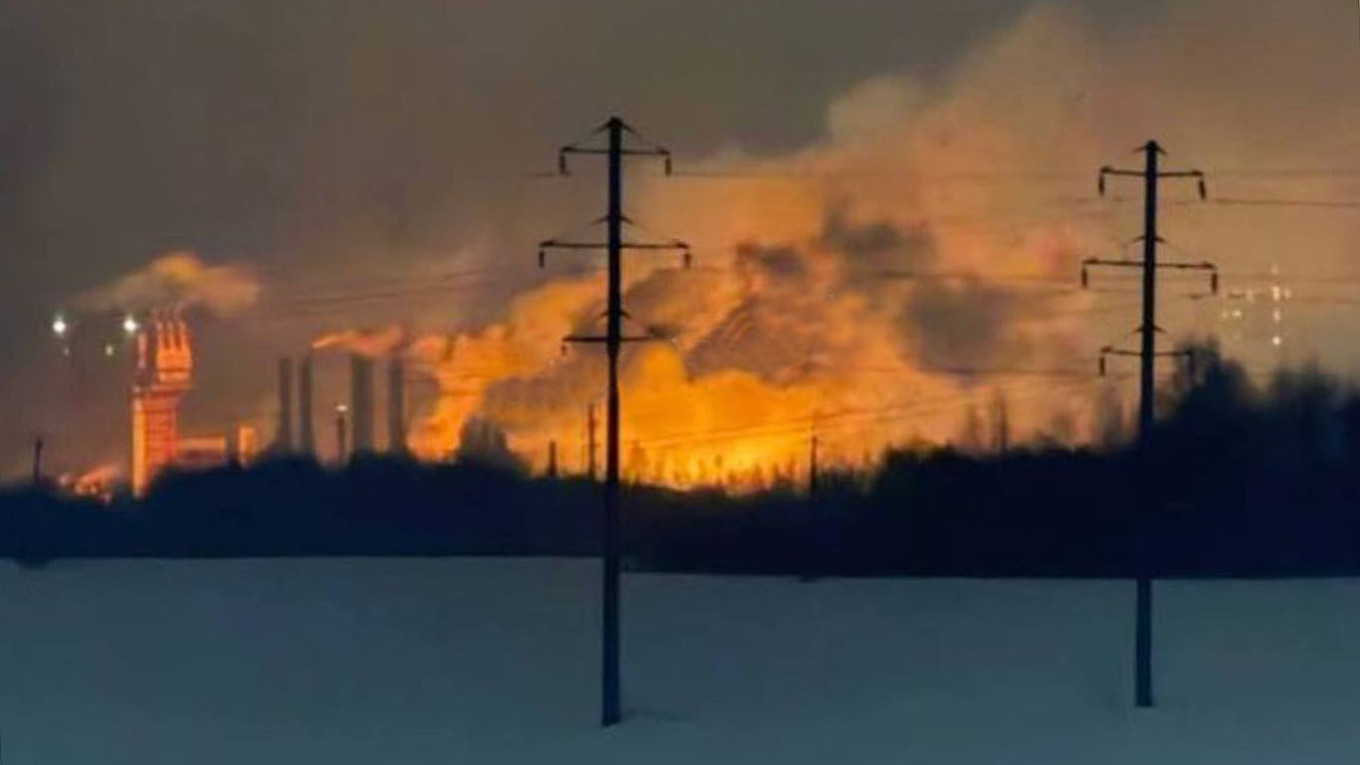
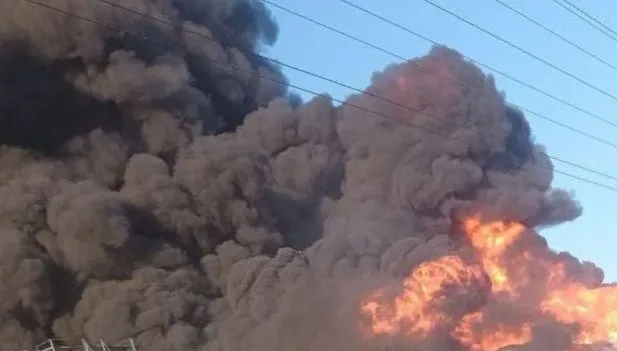
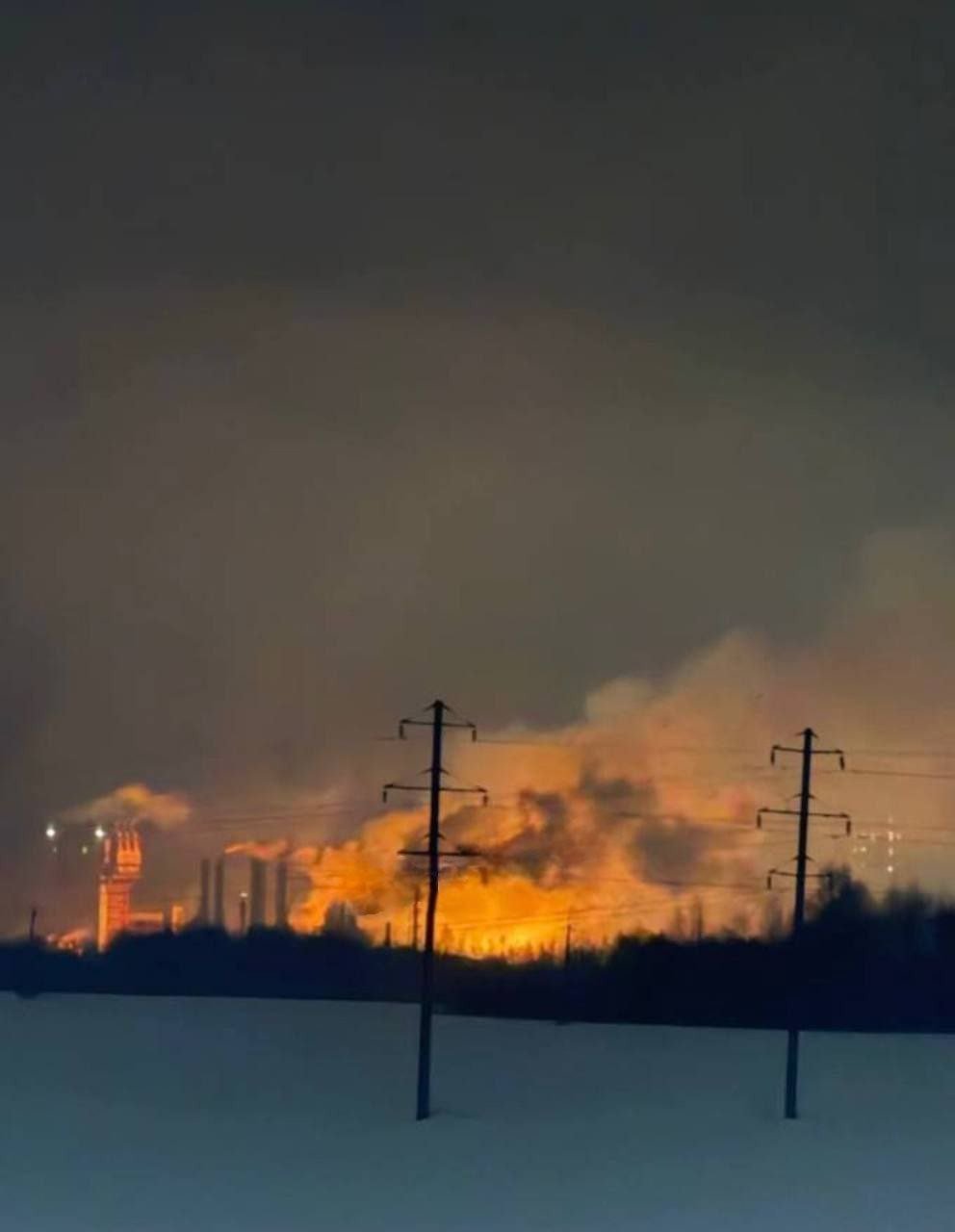
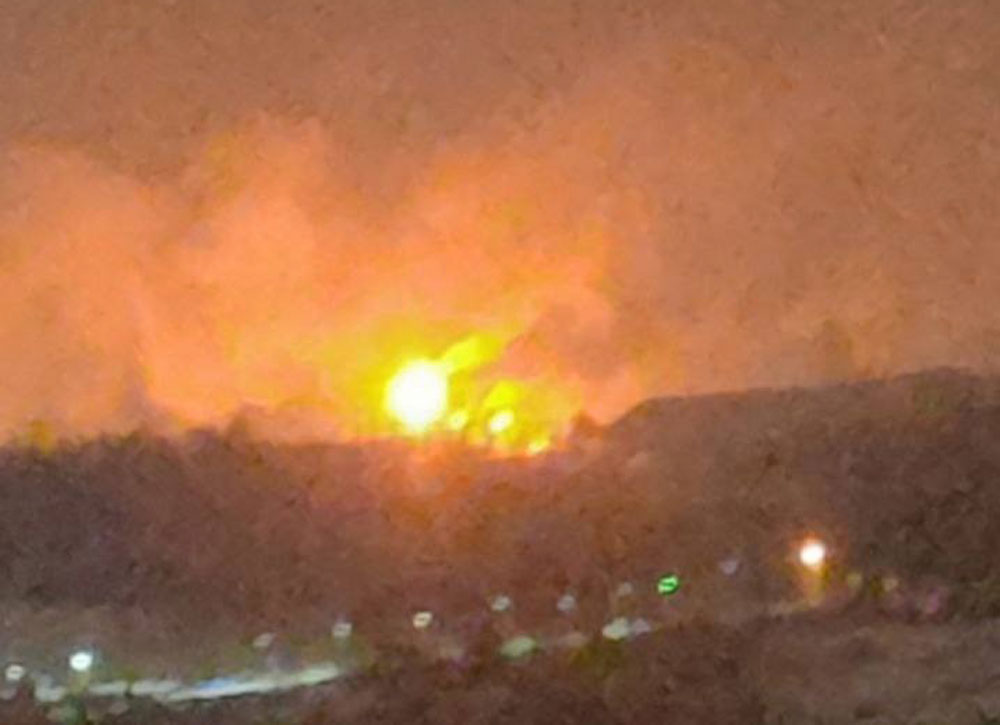
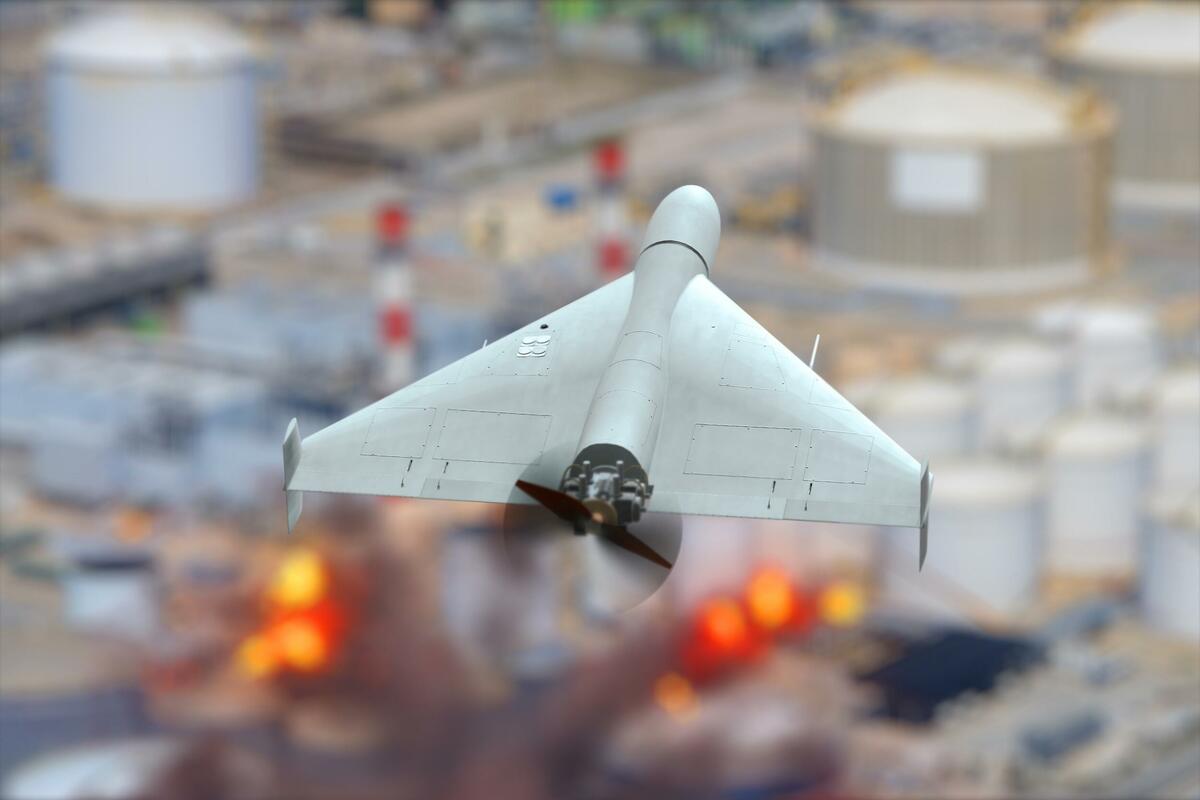
Geopolitical escalation in the Russia-Ukraine conflict is creating measurable supply chain disruptions affecting cross-border e-commerce sellers, particularly those shipping to or through Central European markets. Recent Ukrainian drone strikes on Russian energy infrastructure—including the Kaleykino oil pumping station in Tatarstan feeding the Druzhba pipeline network—have forced Russia's Transneft to reduce crude oil intake by approximately 250,000 barrels daily. Simultaneously, attacks on the Acron nitrogen fertilizer plant in Smolensk (producing ammonium nitrate and nitric acid) signal potential disruptions to agricultural input supplies that indirectly affect logistics costs and regional economic stability.
For cross-border sellers, the immediate operational impact manifests through elevated energy costs and shipping rate increases. Sellers routing inventory to Hungary, Slovakia, and other EU nations dependent on Druzhba pipeline crude face 8-15% shipping cost premiums as logistics providers absorb fuel surcharges. The fertilizer plant damage compounds this pressure—agricultural input shortages typically trigger 5-8% increases in transportation costs within 30-60 days as supply chains adjust. Sellers with FBA inventory in Central European fulfillment centers (particularly Amazon's facilities in Poland, Czech Republic, and Hungary) should expect higher storage and handling fees by Q2 2025. Russia's announced petrol export ban through end-2025 further constrains fuel availability, creating sustained cost pressure rather than temporary volatility.
Strategic implications extend to market access and competitive positioning. Sellers sourcing from or shipping through Russian logistics networks face extended transit times (15-25% delays reported) and potential customs complications as border security intensifies. However, this creates opportunities for sellers positioned in alternative supply chains—those using Asian manufacturing with direct EU shipping, or leveraging UK/US-based fulfillment networks, gain competitive advantages. The stalled peace negotiations (trilateral talks scheduled early March) suggest this cost environment persists through at least Q2 2025, making it a structural rather than cyclical challenge.
Immediate actions for affected sellers: Review current shipping routes by January 31, 2025—identify which inventory moves through Russian/Hungarian logistics corridors and calculate cost exposure. For sellers with 500+ monthly units to Central Europe, consider shifting 20-30% of inventory to alternative 3PL providers in Germany or Poland by February 15. Monitor fuel surcharge indices weekly (track Brent crude pricing and logistics provider announcements) to anticipate fee increases 2-3 weeks ahead. Sellers in agricultural product categories (gardening supplies, fertilizer, soil amendments) should accelerate inventory purchases before February to lock in current pricing before supply-driven increases. Risk mitigation includes diversifying fulfillment networks away from single-region concentration and building 15-20% cost buffer into pricing models through Q2 2025.
Questions 8
How do Russian drone strikes on energy infrastructure affect my shipping costs to Europe?
The 250,000 barrel-per-day reduction in Russian crude oil output directly increases fuel costs for logistics providers serving EU routes. Sellers shipping to Hungary, Slovakia, and Poland typically see 8-15% shipping rate increases within 30-60 days of energy infrastructure attacks. Major carriers (DHL, FedEx, UPS) implement fuel surcharges that pass through to sellers within 2-3 weeks. For a seller shipping 1,000 units monthly to Central Europe at $8/unit, this translates to $640-1,200 additional monthly costs. Monitor your carrier's fuel surcharge index weekly and budget for sustained increases through Q2 2025 given stalled peace negotiations.
What alternative shipping routes should I consider for EU-bound inventory?
Direct Asia-to-EU shipping (bypassing Russian logistics networks) becomes cost-competitive when Central European routes exceed $9-10/unit. Consider routing through German ports (Hamburg, Bremen) or French ports (Le Havre) rather than Hungarian/Slovak corridors dependent on Druzhba pipeline fuel. UK-based fulfillment networks offer 5-8% cost savings versus Central European facilities during energy crises. For sellers with 2,000+ monthly units, establishing secondary fulfillment in Poland (less dependent on Russian energy) or Germany (diversified energy sources) provides 10-15% cost advantage. Evaluate 3PL providers offering multi-country consolidation—combining shipments to Poland, Czech Republic, and Hungary reduces per-unit costs by 6-10% versus separate routing.