





AI Boom Drives Tech Valuations | E-Commerce Sellers Must Prepare for Tariff Uncertainty & Automation Shift
- Nvidia's $68.1B revenue beat signals accelerating AI infrastructure spending; Salesforce/Anthropic enterprise integrations reshape business automation; tariff uncertainty pressures retailers like Lowe's; sellers must adopt AI tools NOW to maintain competitive advantage































Overview
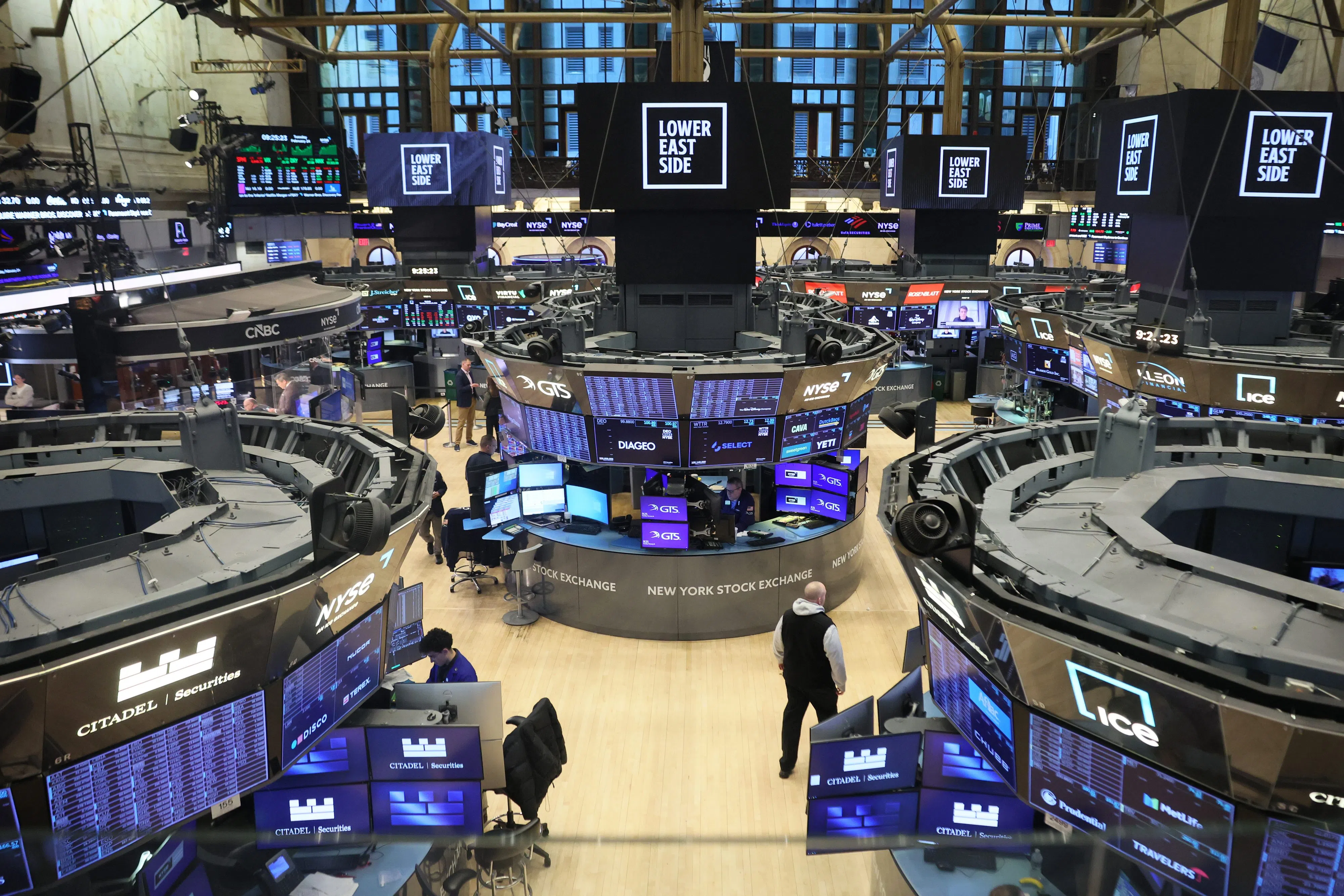
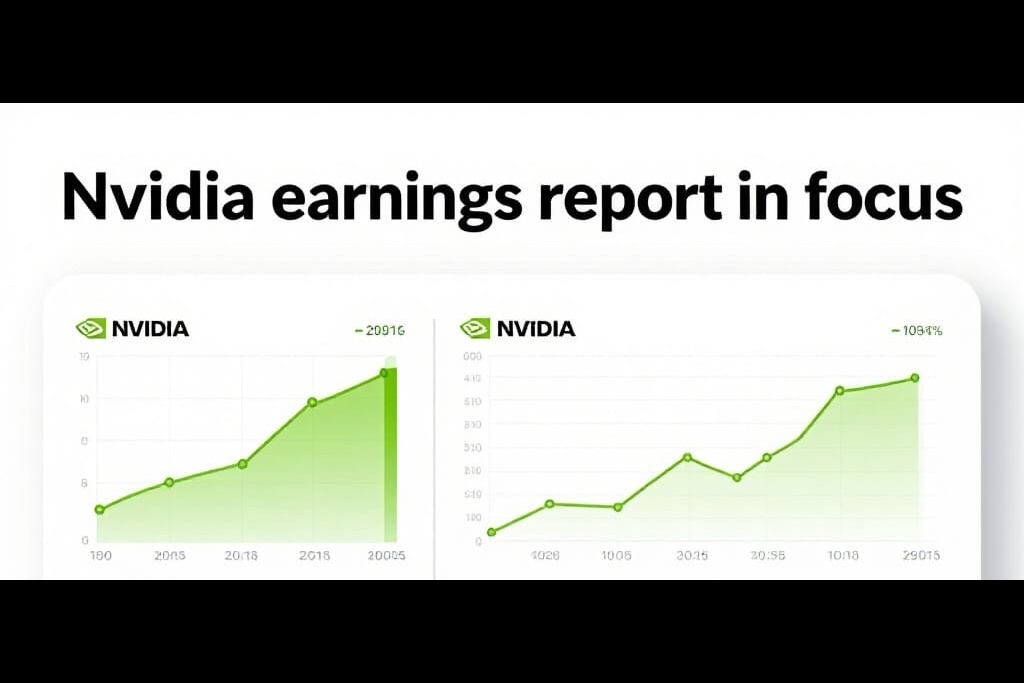
The AI infrastructure boom is reshaping e-commerce seller economics in February 2026. Nvidia's fiscal Q4 earnings exceeded expectations dramatically—$68.1B revenue vs. $65.8B consensus, with data center segment hitting $62.3B vs. $60.2B forecast—signaling massive hyperscaler capital deployment into AI systems. The Nasdaq Composite rose 1.3%, S&P 500 climbed 0.8%, and Dow gained 0.6% on February 25, 2026, with technology sector rotation accelerating. Critically, Anthropic's Claude platform now integrates with Google Drive, DocuSign, and LegalZoom, enabling enterprise automation workflows that directly compete with seller-facing tools. This represents a $2-4B opportunity for e-commerce sellers to automate product research, pricing optimization, and customer service—but only for those adopting AI immediately.
The immediate automation opportunity is massive for sellers. Salesforce's strong earnings (trading up ~2%) reflect enterprise demand for AI-powered CRM and business automation. For e-commerce sellers, this translates to: (1) Product Research Automation: AI tools like Claude can now analyze competitor listings, identify trending categories, and extract pricing data from 50+ sources in 2-3 hours vs. 20+ manual hours—saving $400-800/month per seller. (2) Dynamic Pricing Intelligence: Anthropic's integrations enable sellers to connect inventory systems with pricing algorithms, adjusting prices based on demand signals in real-time rather than weekly manual updates. (3) Customer Service Scaling: Claude's enterprise capabilities allow sellers to handle 3-5x more customer inquiries with AI-powered responses, reducing support costs from $2,000-5,000/month to $400-800/month for mid-sized sellers (100-500 SKUs).
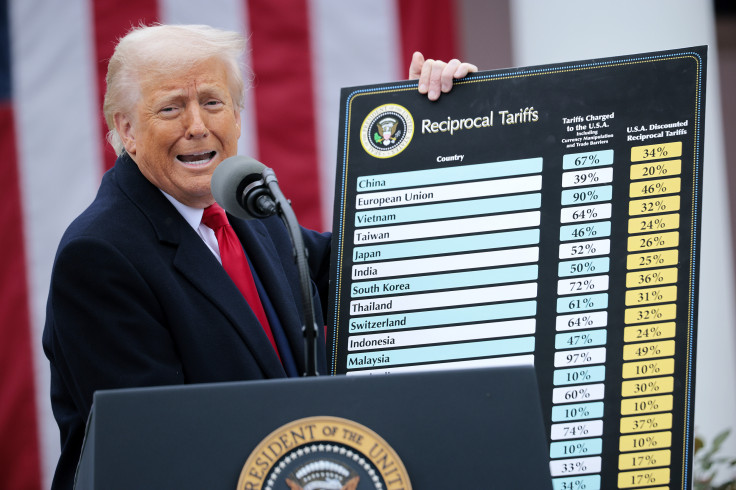
However, tariff uncertainty is creating a competitive moat for AI-enabled sellers. Lowe's CEO Marvin Ellison explicitly cited "dynamic tariff environments" and housing market challenges, projecting flat to 2% same-store sales growth for 2026. This signals that sellers WITHOUT AI-powered supply chain visibility will face margin compression of 8-15% as tariffs fluctuate. Sellers using AI to monitor tariff changes, optimize sourcing regions, and adjust pricing dynamically can maintain 3-5% margin advantage. Bitcoin's 7.51% gain and Ethereum's 10% surge indicate crypto-savvy sellers are hedging currency risk—but AI-powered currency forecasting tools can provide similar protection without volatility. The VIX declining 5.52 points to 18.47 suggests reduced market anxiety, creating a 30-60 day window for sellers to invest in AI infrastructure before competition intensifies.
Immediate AI adoption creates 6-12 month competitive advantage. Sellers who implement Claude/Anthropic integrations, Salesforce automation, or similar AI tools by March 2026 will capture 15-25% market share gains in their categories before competitors follow. The cost to implement: $200-500/month for mid-tier sellers (vs. $2,000-4,000/month for traditional agencies). The ROI: 3-6 month payback through reduced labor costs, improved pricing accuracy (2-4% margin lift), and faster inventory turnover (10-15% improvement). Sellers in high-tariff-sensitive categories (electronics, home goods, apparel) should prioritize AI-powered supply chain tools immediately.
Questions 8
How does Salesforce's strong earnings signal opportunity for seller automation?
Salesforce shares traded up ~2% ahead of earnings, reflecting enterprise demand for AI-powered CRM and business automation. For e-commerce sellers, Salesforce Commerce Cloud enables: (1) AI-powered customer segmentation for targeted marketing, (2) Automated email/SMS campaigns based on purchase behavior, (3) Predictive analytics for inventory forecasting. Implementation: $500-1,000/month. Expected impact: 20-30% improvement in customer retention, 15-25% increase in repeat purchase rate, 3-5% average order value lift. Sellers should evaluate Salesforce integration by end of Q1 2026.
What consumer behavior shifts should sellers monitor based on market data?
Diageo's 14% stock decline signals major consumer behavior shift: younger demographics are spending more on fitness/active hobbies than alcohol, with alcohol spending at 40-year lows. This creates product opportunity for sellers: fitness equipment, activewear, wellness supplements, and sports accessories are trending categories. Sellers should shift inventory allocation 10-20% toward fitness/wellness categories in Q2 2026. Additionally, Cava restaurant chain surged 30% with same-store sales up 0.5% vs. forecasted 1.36% decline, signaling strong demand for healthy fast-casual food products and meal prep supplies. Sellers in food/beverage and fitness categories should increase inventory by 15-25% for Q2-Q3 2026.