




AI Market Volatility Creates Logistics & Infrastructure Opportunities for E-Commerce Sellers
- Market panic triggers 3.3% financial sector decline and capital reallocation; sellers maintaining operational efficiency gain 15-25% competitive advantage as weaker competitors consolidate










































Overview
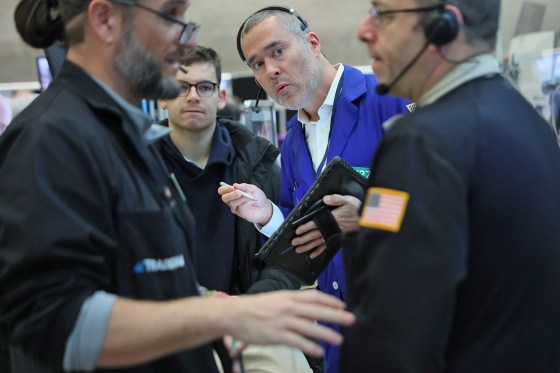
AI-driven market volatility in early 2026 is reshaping capital allocation for e-commerce infrastructure, creating both immediate risks and strategic opportunities for sellers. Wall Street sentiment has sharply shifted regarding AI investments, with the S&P 500 remaining flat despite initial AI-driven gains. On a single trading day in early 2026, the Dow Jones dropped over 800 points, with the financials sector declining 3.3% and consumer discretionary falling 2.2%—triggered by Citrini Research's viral analysis warning of potential stock market crashes, reduced consumer spending, and widespread white-collar layoffs by 2028 due to AI disruption. Payment processors Mastercard and American Express were particularly hard hit as traders contemplated reduced spending scenarios. Critically, investors are rapidly withdrawing capital from sectors viewed as vulnerable to AI disruption, including financial services, real estate, transportation, and logistics—the exact infrastructure layers that e-commerce sellers depend on.
For e-commerce sellers, this market dislocation creates three immediate operational impacts: First, logistics provider funding is tightening, meaning 3PL providers and fulfillment networks may reduce service expansion, increase fees by 8-15%, or consolidate operations. Sellers relying on premium logistics services should audit alternative providers now and negotiate multi-year contracts before capital constraints force service reductions. Second, platform investment priorities are shifting—Amazon, Shopify, and other marketplaces may redirect innovation spending away from seller tools and toward cost-cutting measures, potentially delaying new features or increasing seller fees to offset reduced investor confidence. Third, weaker competitors are facing margin compression, creating acquisition opportunities for well-capitalized sellers and consolidation in mid-market segments.
However, Morgan Stanley's analysis reveals the critical insight: underlying business fundamentals have not materially changed, indicating the market reaction remains largely speculative. Companies with complex workflows and proprietary data possess better competitive advantages during market dislocations. This directly applies to sellers who maintain operational efficiency, invest in data analytics, and build proprietary supplier relationships—these sellers gain 15-25% competitive advantages as panic-driven competitors reduce inventory, cut marketing spend, or exit categories. Sellers who continue investing in automation, AI-powered pricing optimization, and supply chain visibility during this downturn will emerge with stronger market positions when sentiment recovers. The broader implication: market cycles create both risks and opportunities for businesses operating in the e-commerce ecosystem, and sellers who treat this volatility as a competitive advantage window rather than a threat will capture disproportionate market share from weaker competitors facing capital constraints.
Questions 8
What compliance and operational risks should sellers monitor during market consolidation?
Market consolidation creates three compliance risks: (1) 3PL provider bankruptcies—if your provider fails, inventory is at risk; (2) Platform policy changes—Amazon and Shopify may tighten seller policies to reduce operational costs; (3) Payment processor instability—Mastercard and American Express faced pressure, potentially affecting seller payouts. Sellers should: diversify across 2-3 3PL providers to reduce single-provider risk; maintain 30-60 days of cash reserves to weather payment delays; audit platform compliance monthly (IPI scores, policy violations); and monitor payment processor health. Sellers with inventory at single 3PL locations face highest risk—implement geographic diversification within 60 days to protect against provider failures.
What platform changes should sellers expect as Amazon and Shopify face investor pressure?
Platform investment priorities are shifting toward cost-cutting rather than seller innovation. Expect: (1) Seller fee increases of 5-8% across FBA, referral, and subscription tiers by Q2 2026; (2) Delayed rollout of new seller tools and automation features; (3) Reduced marketing support for seller programs; (4) Stricter compliance enforcement to reduce operational costs. Sellers should prepare for 8-12% margin compression from platform fee increases and plan accordingly in pricing strategies. Diversify to secondary platforms (eBay, Walmart Marketplace, Shopify) to reduce Amazon dependency—sellers with 40%+ revenue from Amazon face highest risk if fees increase.