


Zimbabwe Lithium Export Ban Triggers 7.2% Price Surge | Battery Sellers Face Supply Shock
- Immediate 7.2% lithium carbonate price spike to $26,225/ton; 1.128M metric tons annual supply disrupted; battery, EV, and energy storage sellers face 8-15% COGS increases and extended lead times

:format(auto):focal(center))













Overview
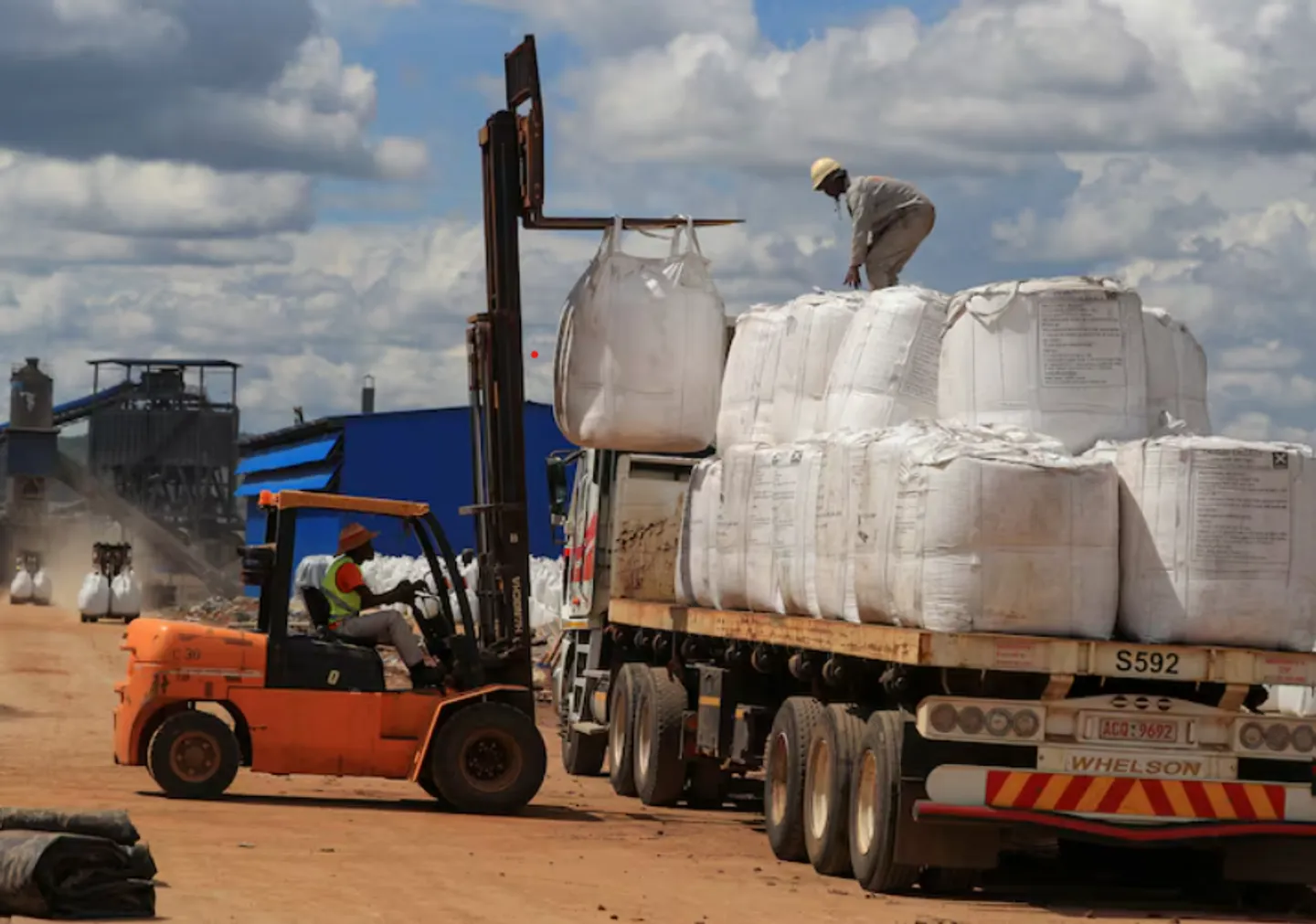
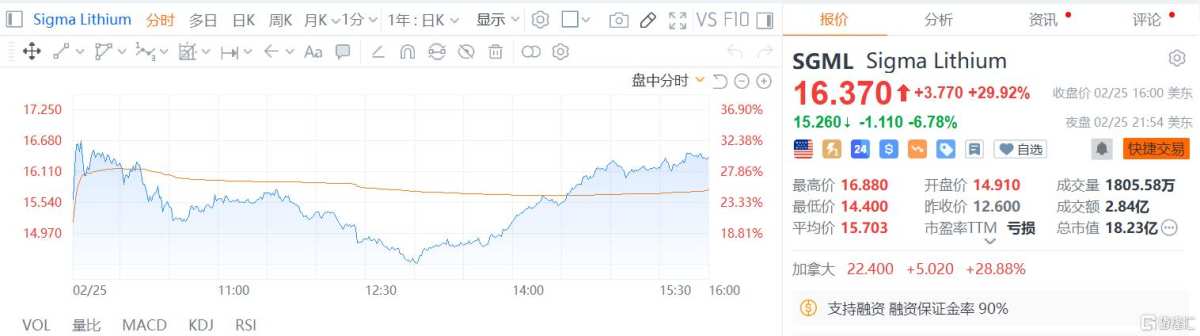
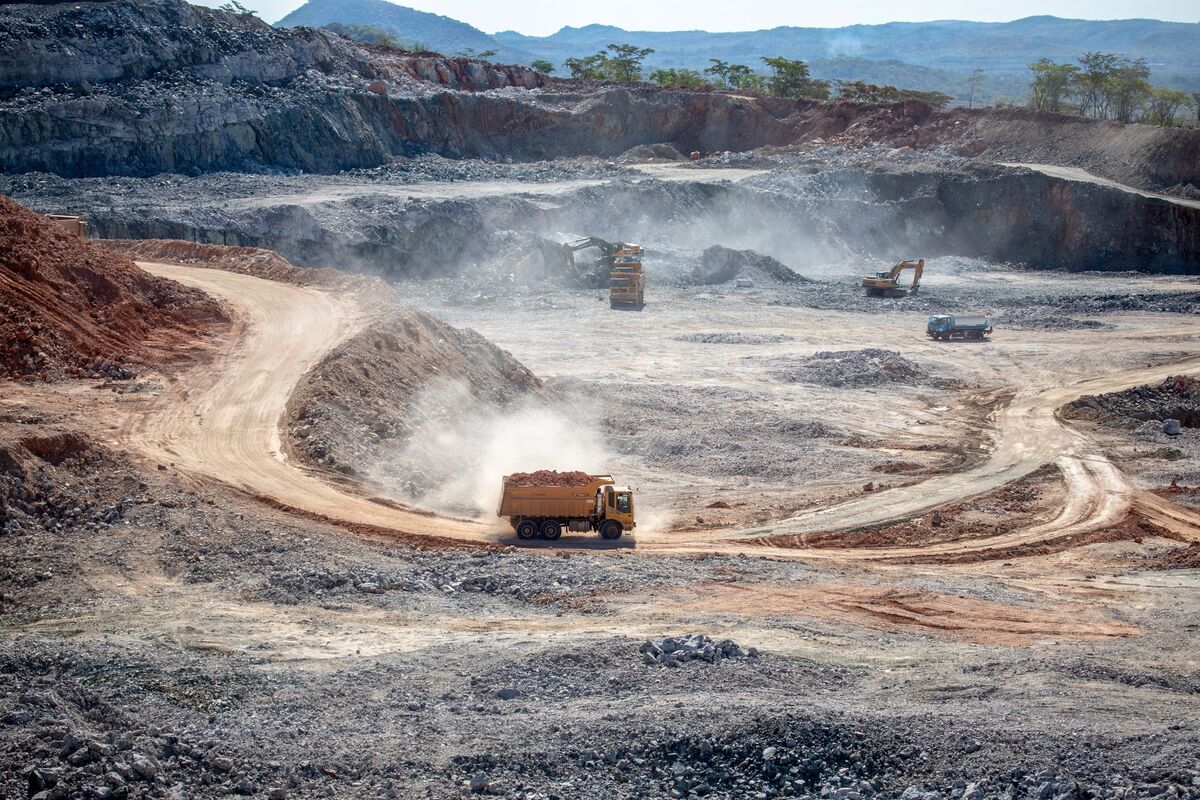
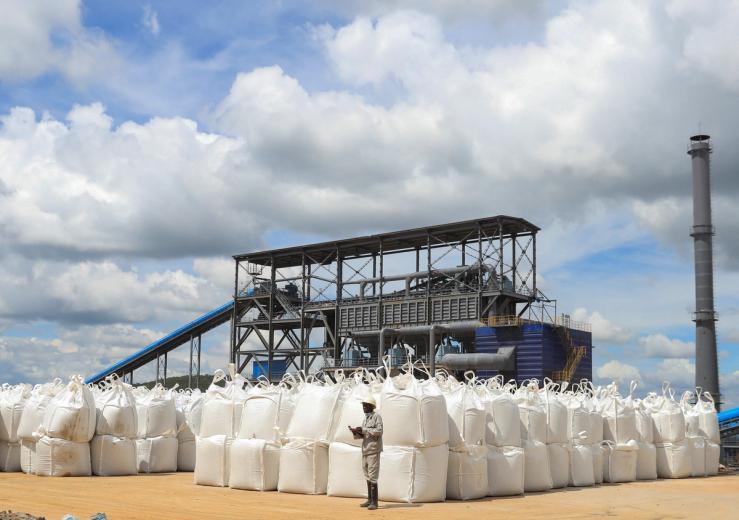
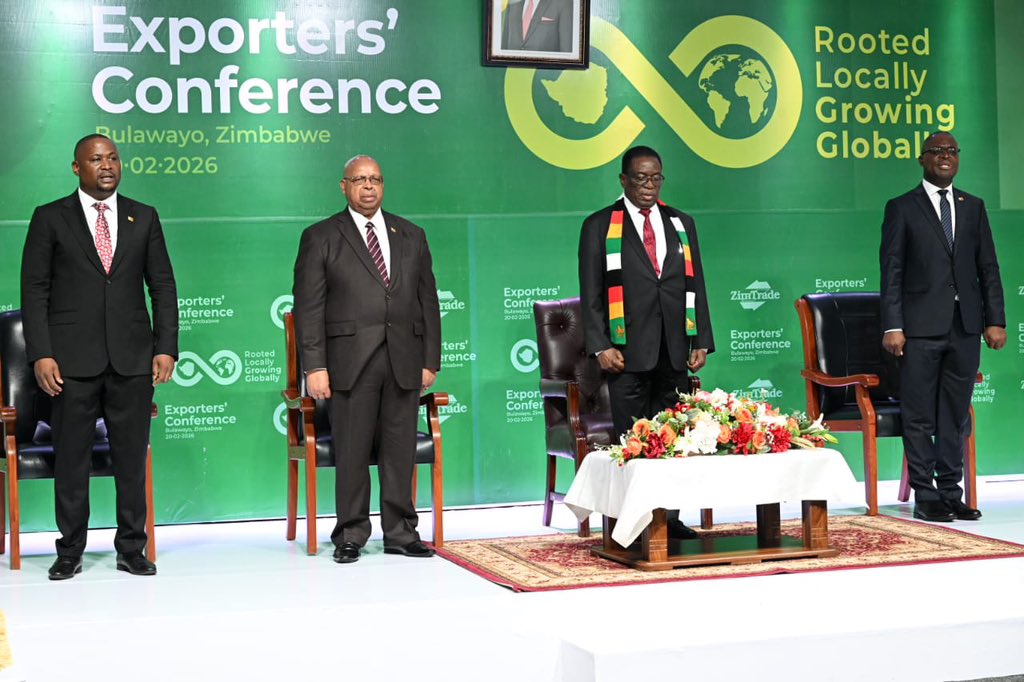
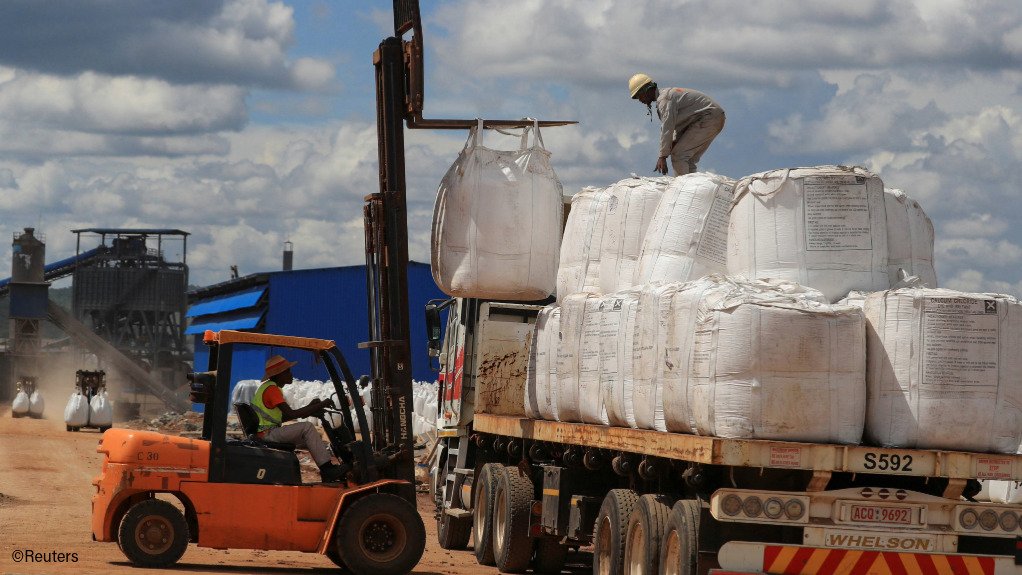
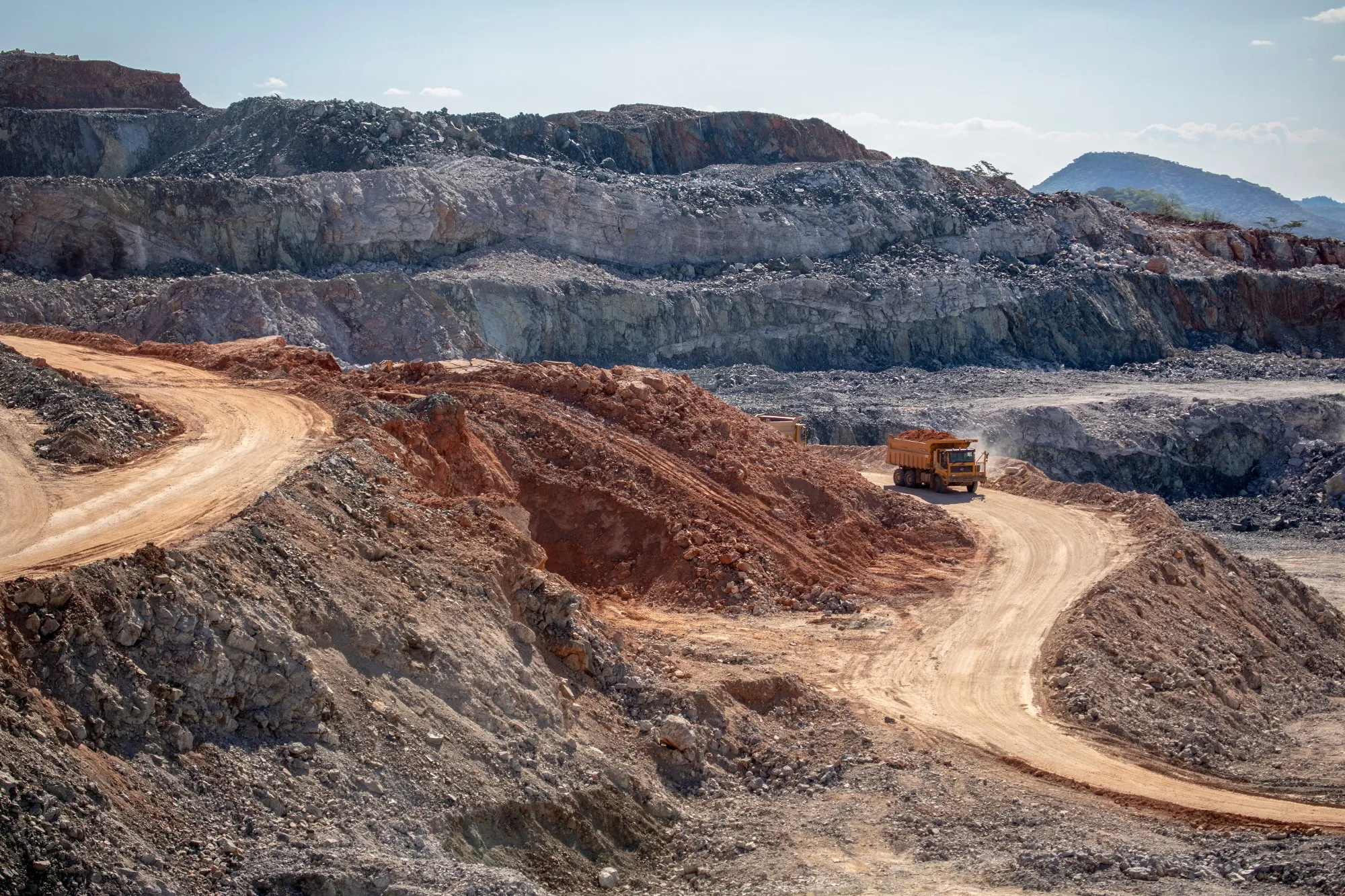
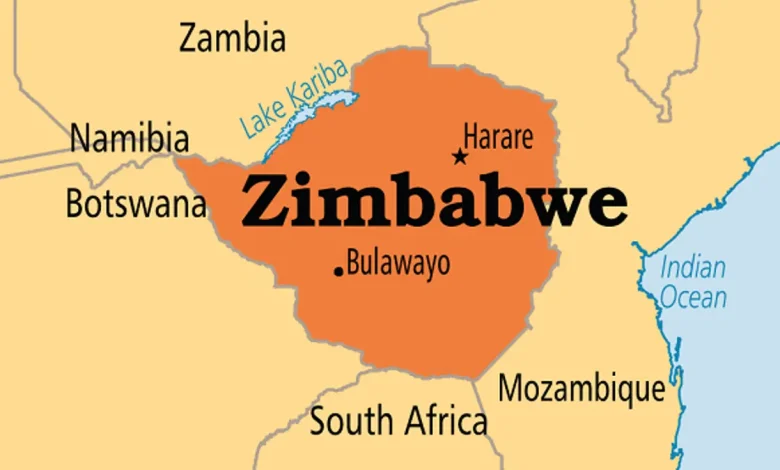
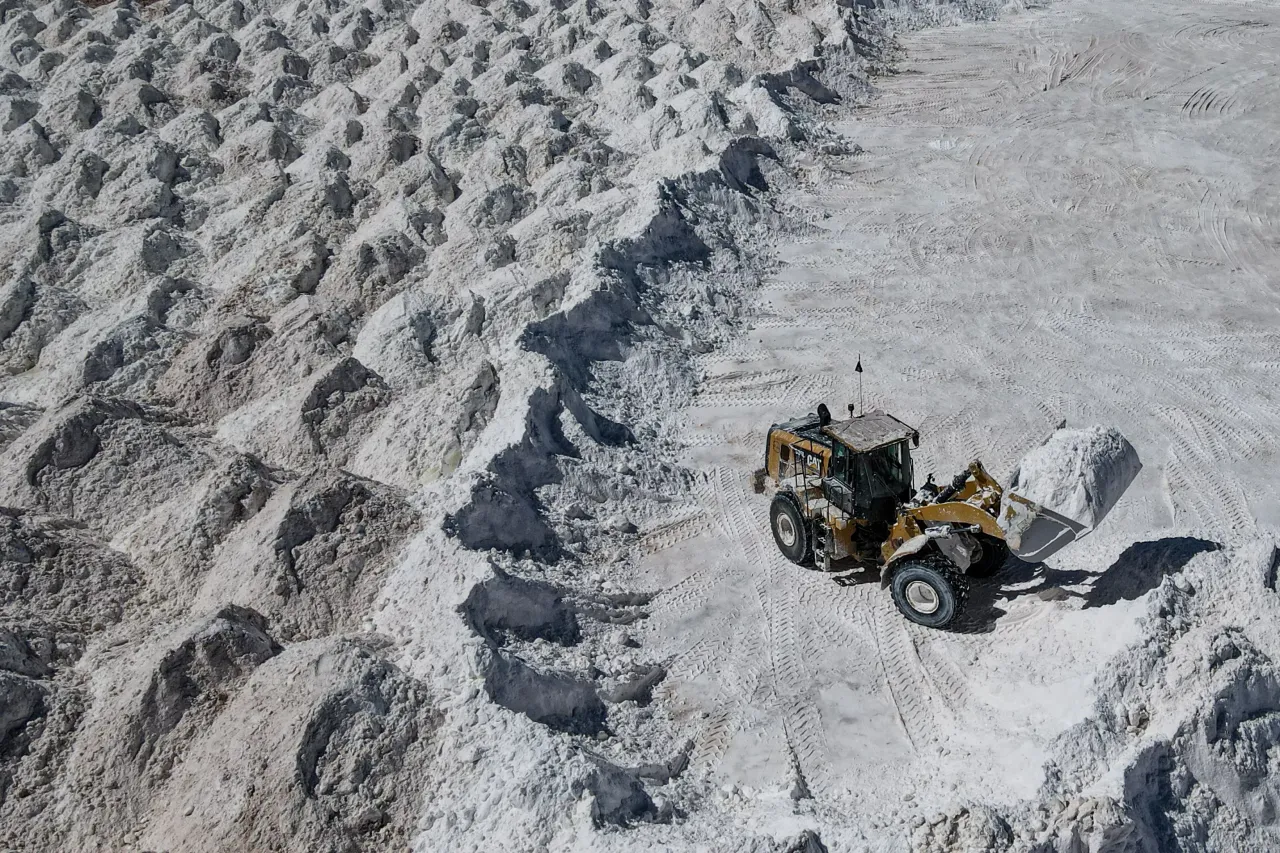
Zimbabwe's immediate ban on raw mineral and lithium concentrate exports, announced February 25, 2026, has triggered a 7.2% surge in lithium carbonate futures on the Guangzhou Futures Exchange, reaching $26,225 per ton as of February 26, 2026. This policy accelerates Zimbabwe's previously planned 2027 deadline and disrupts 1.128 million metric tons of annual spodumene concentrate exports (11% YoY growth in 2025), fundamentally reshaping global battery material supply chains. For cross-border e-commerce sellers, particularly those in battery, electronics, and renewable energy sectors, this represents an immediate cost pressure and supply chain vulnerability requiring urgent strategic repositioning.
The tariff arbitrage and sourcing implications are substantial. Zimbabwe's ban reflects a deliberate policy shift toward in-country value addition, with Chinese mining operators (Zhejiang Huayou Cobalt, Sinomine, Chengxin Lithium Group, Yahua) now investing $900M+ in domestic processing facilities rather than exporting raw concentrates. This creates a critical market access barrier: future lithium exports will likely be limited to refined products (lithium sulphate, battery-grade materials) rather than raw concentrates, fundamentally altering the competitive landscape. Sellers currently sourcing battery materials from Zimbabwe face immediate supply disruptions, price volatility, and potential 3-6 month lead time extensions. The policy also signals a broader trend among resource-rich nations (Australia, Indonesia, Chile) to restrict raw material exports, creating systemic supply tightening that could trigger similar restrictions from other major lithium producers.
For e-commerce sellers, the operational impact cascades across multiple product categories. Lithium-ion battery sellers, electric vehicle component retailers, and energy storage solution providers face 8-15% cost-of-goods-sold (COGS) increases as procurement costs rise. Sellers relying on Zimbabwean sourcing must immediately diversify to Australian (PLS Group, Mineral Resources) or alternative suppliers, though these alternatives command premium pricing (evidenced by 7.6% and 6% stock gains for Australian miners). The supply chain disruption creates a 30-90 day window of acute scarcity before market rebalancing occurs, presenting both risk (inventory shortages, margin compression) and opportunity (premium pricing for in-stock battery products). Sellers with diversified sourcing and existing inventory buffers gain competitive advantage over single-source suppliers facing extended lead times and potential stockouts.
Strategic sourcing country shifts are accelerating. The ban effectively redirects Zimbabwe's lithium supply chain from raw export to China-based processing, then to global battery manufacturers. This creates a new tariff structure: sellers previously importing raw concentrates must now source processed materials at higher cost but with reduced tariff complexity. However, the shift also opens opportunities for sellers to source directly from Chinese processing facilities (Huayou's $400M sulphate plant, Sinomine's $500M Bikita facility) rather than competing for limited raw materials. The competitive advantage shifts toward sellers with established relationships in China's battery material ecosystem and those capable of absorbing 8-12% margin compression during the transition period (February-May 2026).
Questions 8
What geopolitical risks should sellers monitor regarding other lithium producer export restrictions?
Zimbabwe's ban signals a broader trend: Indonesia (world's largest nickel producer) and Chile (20% of global lithium supply) are evaluating similar raw material export restrictions to develop domestic processing capacity. If Chile restricts lithium exports (likely by Q3 2026), global prices could spike 15-25% beyond current levels, creating severe supply constraints. Indonesia's potential nickel restrictions would impact EV battery supply chains differently but with similar magnitude. Sellers should monitor policy announcements from these countries monthly and develop contingency sourcing plans. The strategic response: diversify across multiple suppliers in different geopolitical regions (Australia, Argentina, US domestic sources) to reduce concentration risk. Consider hedging strategies (futures contracts, long-term supply agreements) to lock in pricing before additional restrictions occur.
Which e-commerce product categories face the highest cost impact from this ban?
Lithium-ion battery sellers face 12-15% COGS increases (highest material cost exposure). Electric vehicle component retailers experience 8-12% increases (batteries represent 30-40% of EV component costs). Energy storage solution sellers face 10-14% increases (battery packs are primary cost driver). Portable electronics sellers (power banks, laptop batteries) see 6-8% increases. Sellers in these categories must immediately review pricing strategies: raising prices 5-8% to maintain margins, absorbing 3-5% margin compression, or shifting to alternative battery chemistries (LFP, solid-state) with different supply chains. Categories with lower battery cost exposure (accessories, chargers) see minimal impact.