





EA's Strategic Retreat Signals Deeper Video Game Industry Transformation
- Intellectual property management becomes critical as gaming franchises face financial scrutiny













Overview
Electronic Arts' (EA) decision to shelve the Dead Space franchise reveals a critical inflection point in video game strategy, where financial considerations are rapidly reshaping how entertainment intellectual properties (IPs) are valued and managed. The company's reported plan to potentially sell the Dead Space IP represents more than just a single franchise decision—it signals a broader industry trend of treating game properties as tradable financial assets rather than purely creative endeavors.
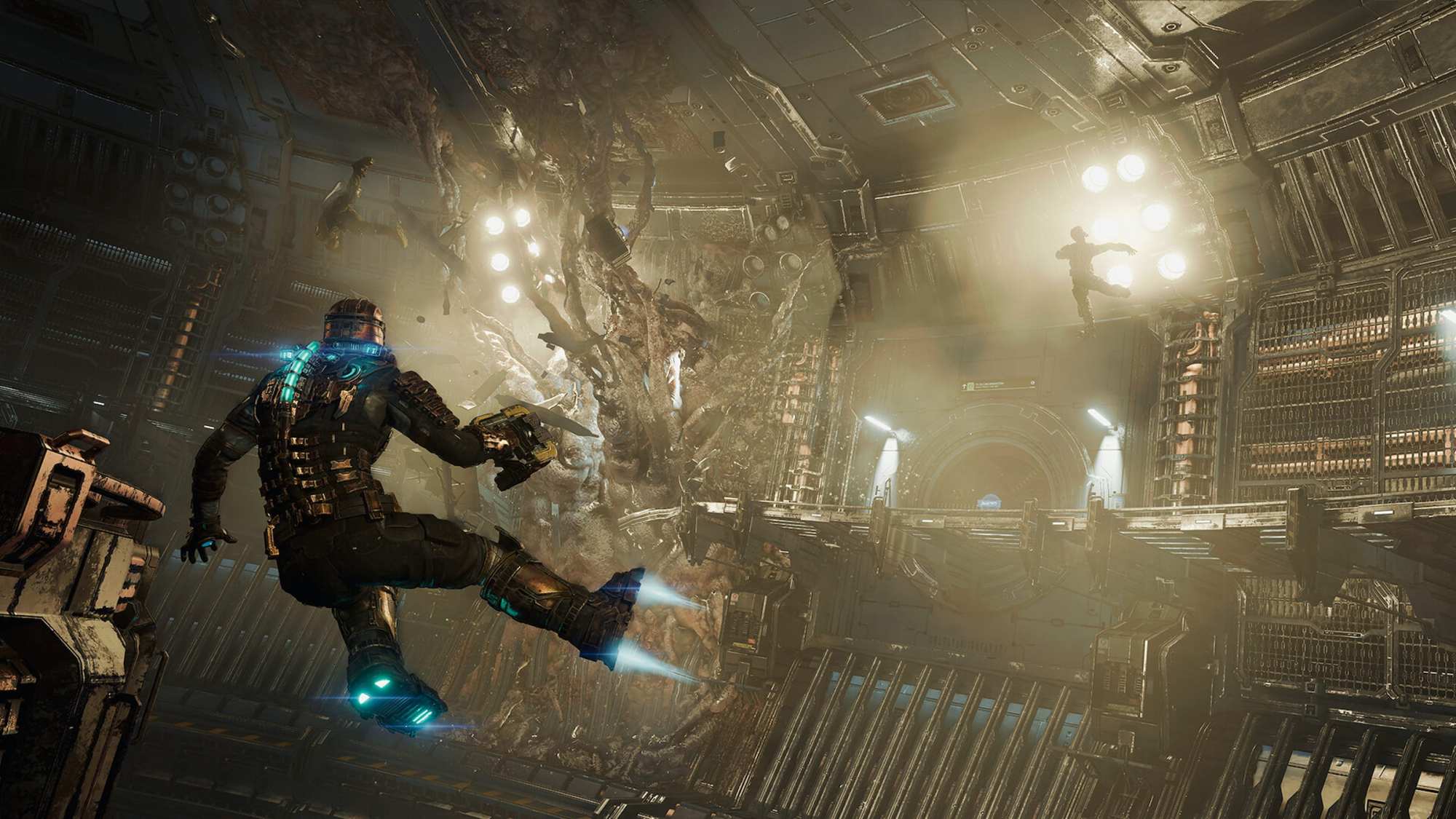
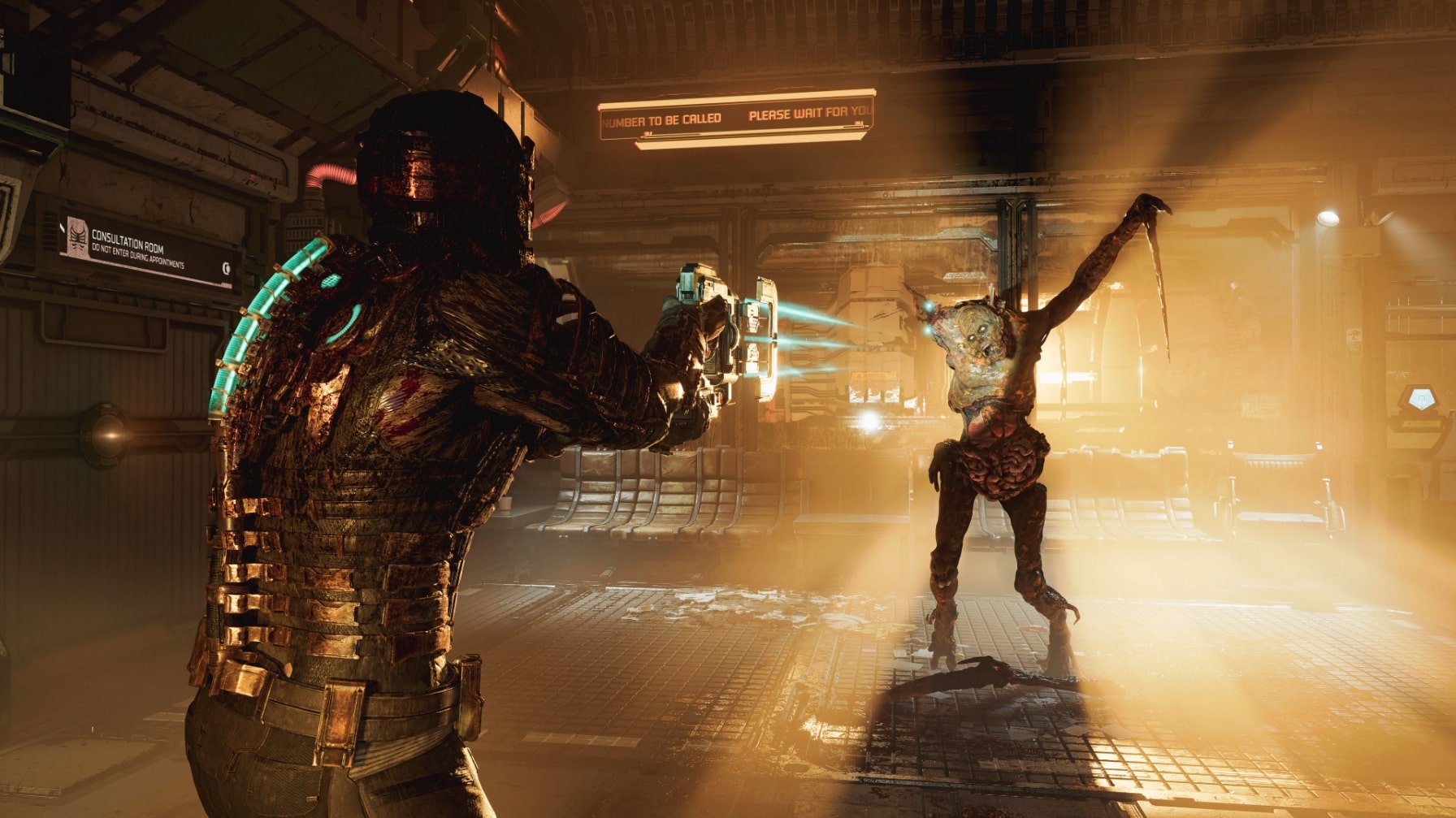
The strategic pivot centers on IP monetization through alternative channels, moving beyond traditional game development. By considering selling the Dead Space franchise despite its 2023 remake's success, EA demonstrates a pragmatic approach to asset management. The franchise, which originally launched in 2008 and became a fan-favorite survival horror series, now represents a potential financial instrument rather than an ongoing creative project.
Underlying this decision are complex financial dynamics that extend beyond gaming. The potential IP sale suggests EA is exploring methods to recover resources and optimize its portfolio. This approach reflects a growing trend where entertainment companies treat intellectual properties as liquid assets that can be traded, licensed, or strategically repositioned to generate maximum financial value. The decision implies that even successful game franchises are not immune to strict financial scrutiny, with companies prioritizing balance sheet optimization over continued creative investment.
For the broader entertainment and technology ecosystem, this signals a profound shift. Game franchises are increasingly being evaluated through a financial lens, where potential licensing, adaptation, and monetization opportunities matter as much as—if not more than—direct game development potential. Companies are now viewing their creative portfolios as dynamic financial instruments that can generate value through multiple channels, including potential film/TV adaptations, merchandise, and strategic IP sales.
Questions 3
Why is EA considering selling the Dead Space IP?
EA is likely exploring IP sale as a financial strategy to recover resources and optimize its portfolio. The decision reflects a trend of treating game franchises as tradable assets, where potential licensing and adaptation value can outweigh continued game development costs.
What does this mean for the future of game franchises?
Game franchises are increasingly being evaluated through financial lenses, with companies prioritizing monetization potential across multiple channels like licensing, adaptations, and strategic sales. This suggests a shift from pure creative development to more holistic asset management.