


Retail Reinvention: Starbucks Redraws the Urban Coffee Landscape
- Strategic Store Closures Signal Massive Shift in Physical Retail Strategies














Overview
Starbucks is executing a pivotal transformation of its retail strategy, signaling a profound restructuring of urban commercial spaces that extends far beyond the coffee industry. By targeting approximately 400 store closures across major metropolitan areas, the company is redefining the concept of physical retail in the post-pandemic era.
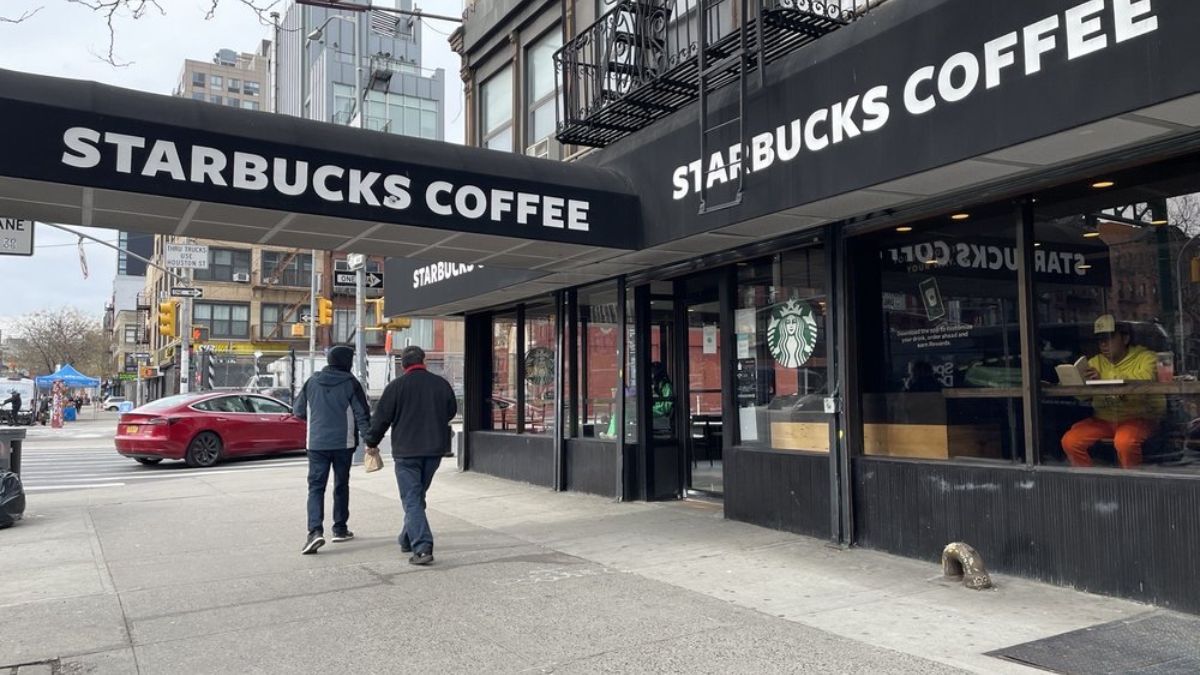
The strategic repositioning reveals three critical market dynamics. First, the traditional hyper-expansion model of saturating city streets with identical storefronts is becoming obsolete. Starbucks' decision to close 42 locations in New York City and reduce its presence in Los Angeles demonstrates a nuanced approach to urban retail—prioritizing quality and strategic positioning over sheer quantity.
Operational economics are driving this radical redesign. Rising urban operational costs, reduced foot traffic from remote work trends, and increased competition from niche coffee providers are forcing a fundamental rethinking of physical retail spaces. The company's $1 billion restructuring plan isn't just about reducing locations; it's about reimagining the "third place" between home and work. By renovating 1,000 stores with more inviting designs—featuring comfortable seating, power outlets, and a welcoming environment—Starbucks is transforming from a transactional coffee vendor to an experiential destination.
For retail strategists and e-commerce sellers, this signals a critical market adaptation. The move suggests that physical retail must now offer more than just products—it must provide unique experiences, flexible work environments, and genuine value beyond simple transactions. Smaller, specialized brands may find emerging opportunities in urban markets as large chains like Starbucks become more selective about their physical footprint.
The broader implication is clear: physical retail is not dying, but evolving. Companies must now view each storefront as a strategic asset, carefully curated to deliver maximum value through design, location, and customer experience. This isn't just a Starbucks strategy—it's a blueprint for the future of urban commercial spaces.
Questions 3
How are Starbucks stores changing?
Starbucks is renovating stores to create more inviting 'third place' environments with comfortable seating, power outlets, and designs that support work and social interactions. They're moving away from grab-and-go models toward more flexible, experience-focused spaces.
Why is Starbucks closing hundreds of urban stores?
Starbucks is closing stores due to rising operational costs, reduced foot traffic from remote work, and increased competition. The strategy involves consolidating locations to focus on more strategically positioned, experience-driven stores that offer more than just coffee.